
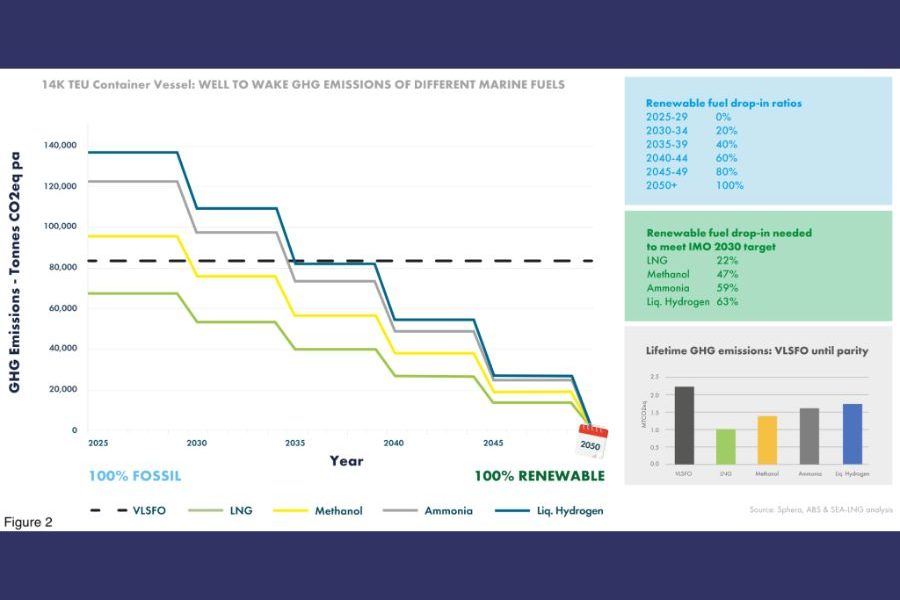

Paper ignores fact that LNG dual fuel engines already provide ship owners with insurance against stranded assets, says the global multi-sector industry coalition.
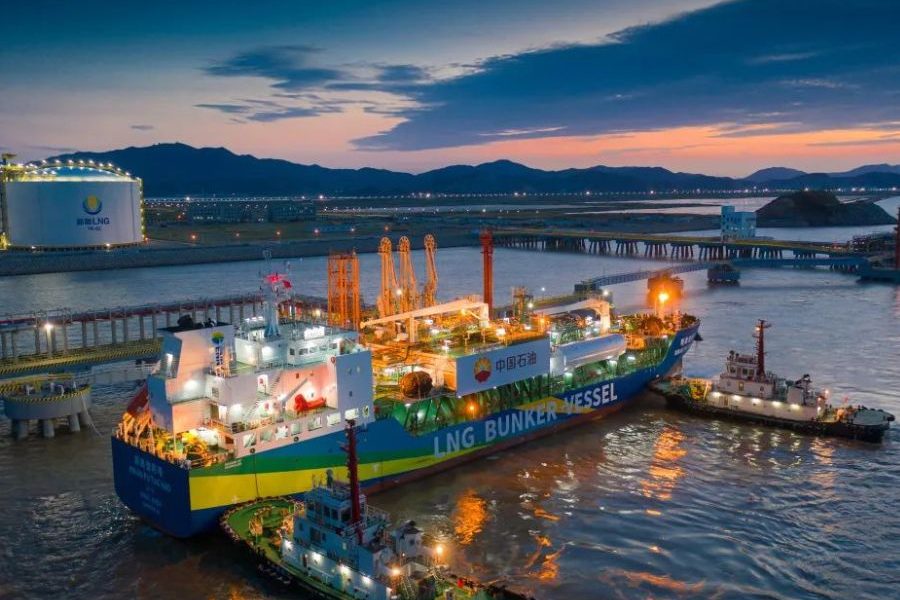

Ship will be loaded with 8,000 cubic metres of LNG at Zhoushan Xin'ao LNG Terminal before heading to Shenzhen Yantian Port for LNG bunkering operations.

‘Clear market signal must be sent to industry that zero-emissions shipping must replace fossil fuels and we call on other carriers to follow Maersk’s lead,’ says...
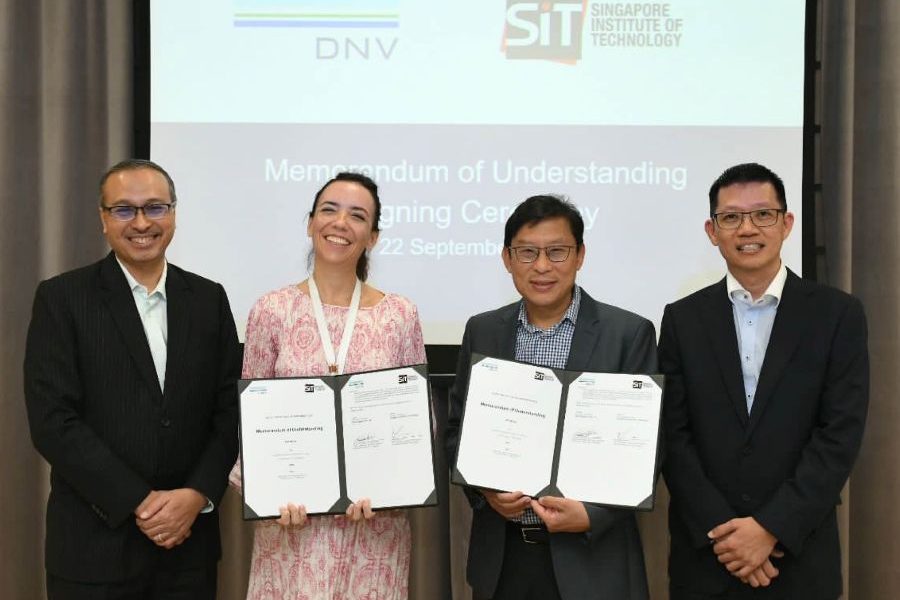

Partners to collaborate on knowledge exchange and research initiatives to further advance industry’s ‘2D’ efforts in the Singapore maritime ecosystem.

Advanced biofuels allow shipowners, bunker suppliers, and port authorities to freely blend biofuel and non-biofuel bunkers to cut their emissions, says Dr Nicholas Bell, CEO of...

Quadrise and Vertoro will collaborate in seeking to progress the use of Vertoro's CSO™ as a potential cost-effective supplement or alternative to glycerine in Quadrise's bioMSAR™...
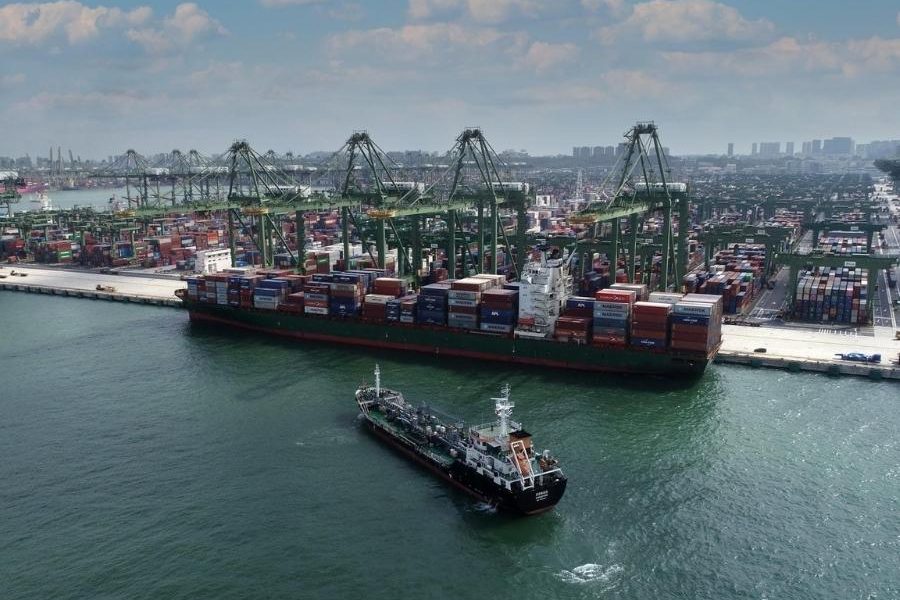

CMA CGM’s containership was refuelled on 29 July 2022 with TotalEnergies-supplied biofuel in Singapore waters via ship-to-ship transfer.
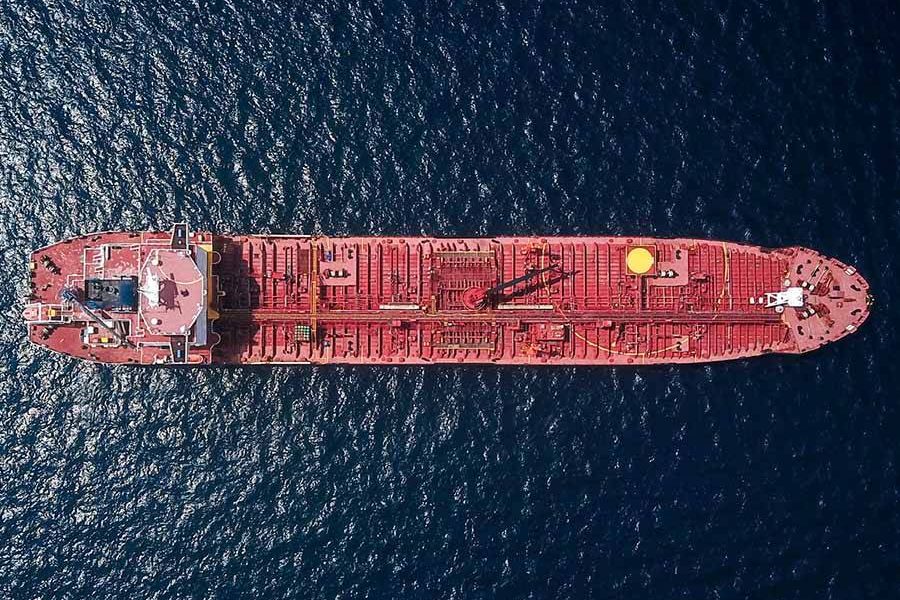

Shipowners should consider not ordering LNG-capable ships and investing in conventionally fuelled ships which are designed for retrofit to zero-emission fuels, says UCL Energy Institute study.
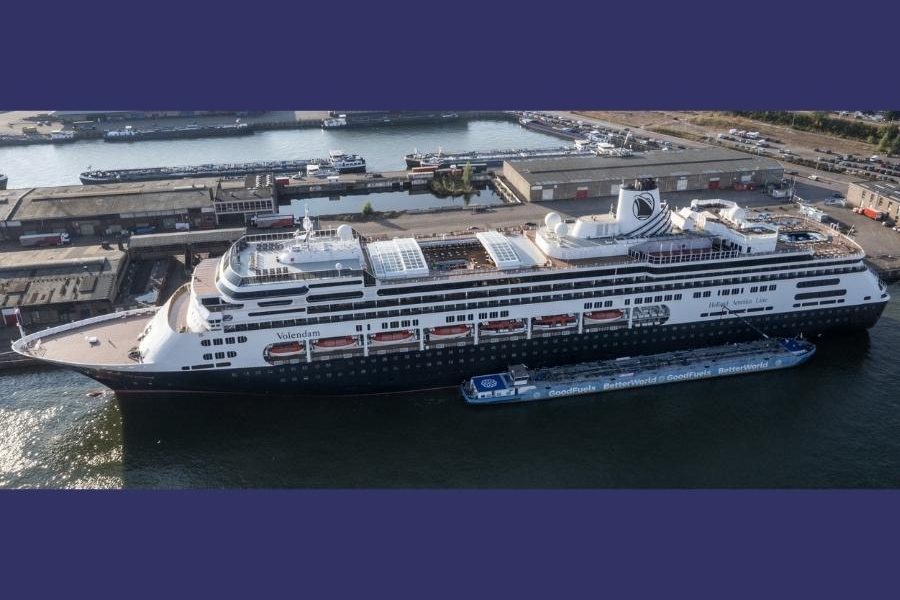

Advanced biofuel trial on board ‘Volendam’, conducted with GoodFuels and Wärtsilä, achieved 78% decrease in lifecycle CO2 emissions compared to MGO emissions.
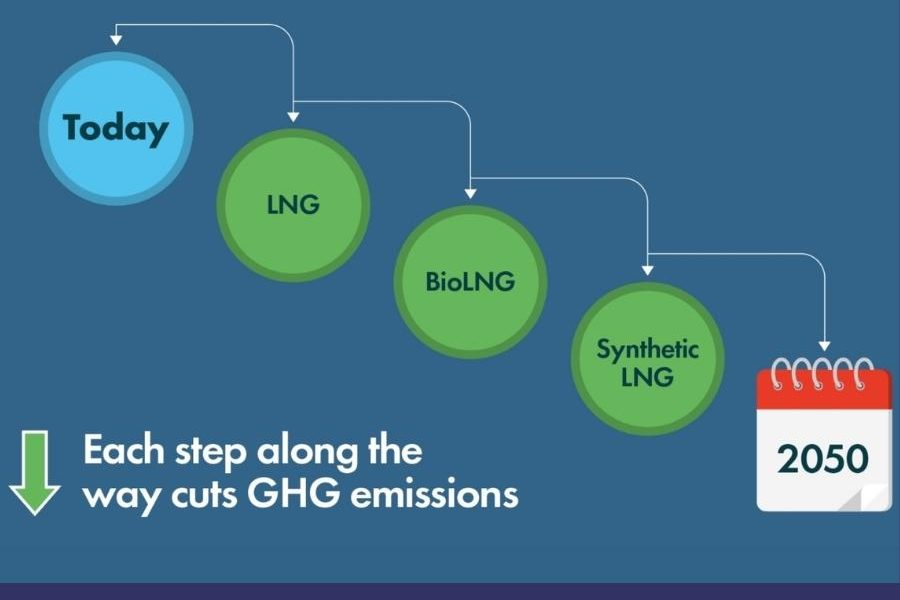

Study used ‘poor data and unrealistic assumptions to misrepresent benefits of LNG pathway for shipping’s decarbonisation transition’, says SEA-LNG.


