
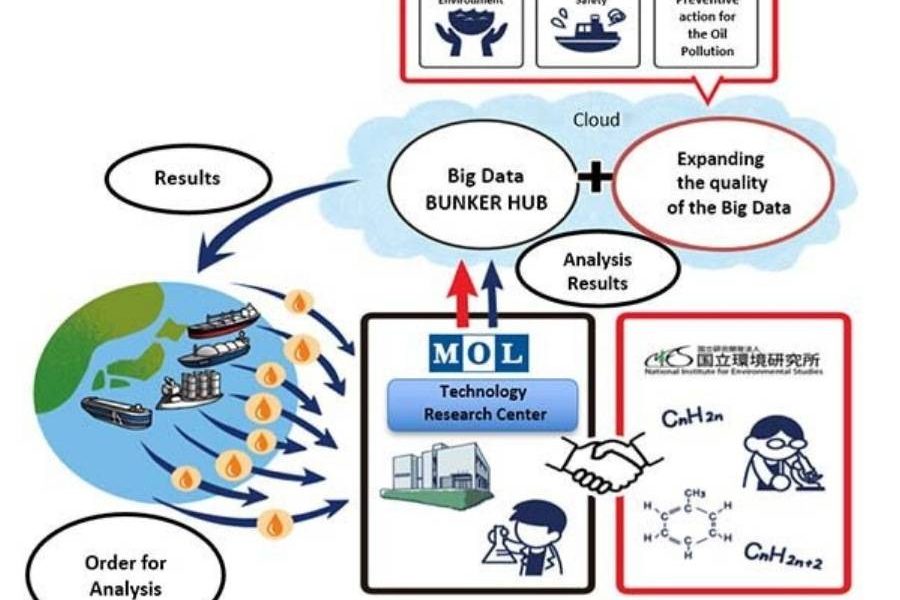

MOL and NIES will conduct fuel quality analysis and research for the safe operation of machinery on vessels over a period of three years.
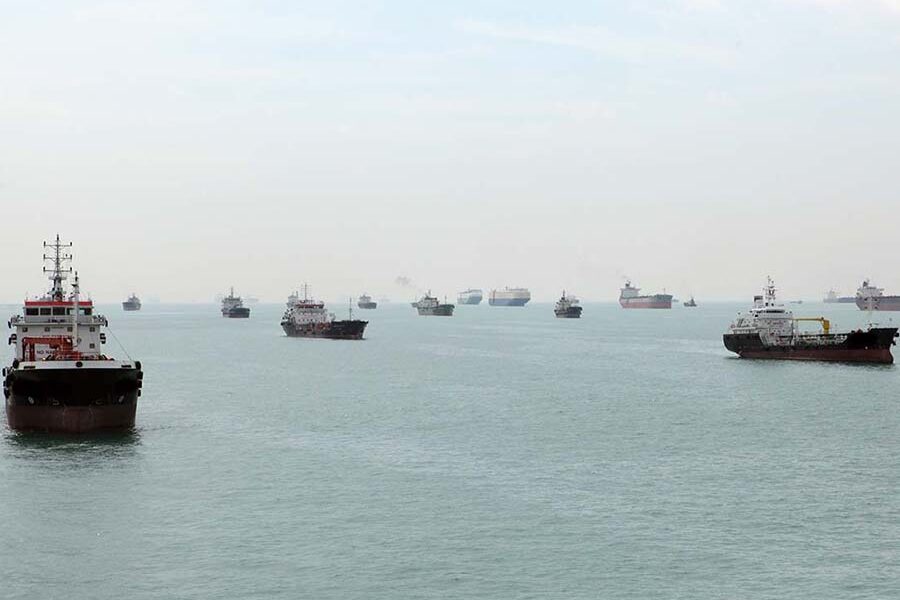

MPA has also asked Glencore to improve its internal procedures to ensure that prompt action is taken in future when it becomes aware of, or reasonably...

Several VLSFOs delivered in this region are still observed with presence of chemical contaminants, indicating elevated potassium content and acid number.
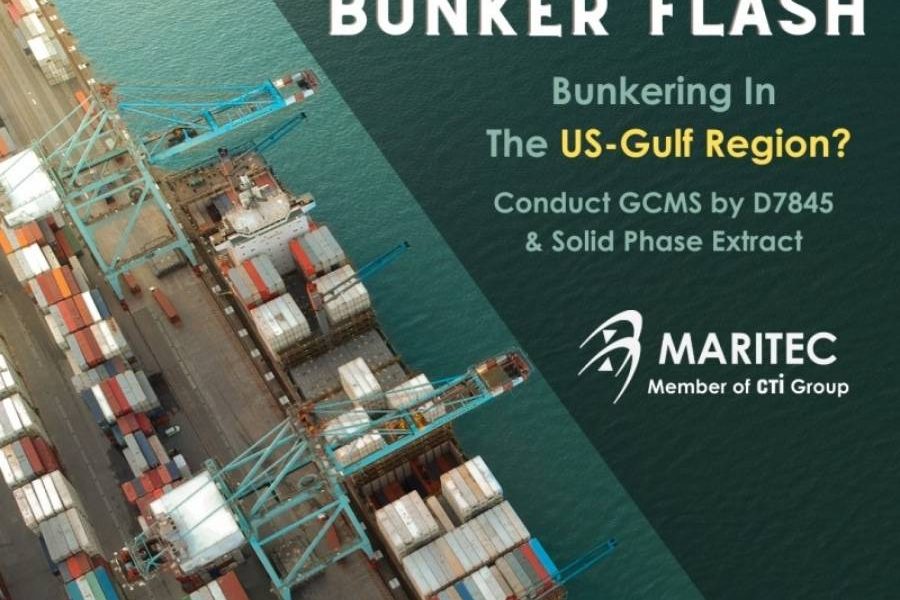

Maritec received feedback from two vessels that had used these fuels indicating issues such as excessive wear of fuel pump plungers, barrels, and fuel injectors.
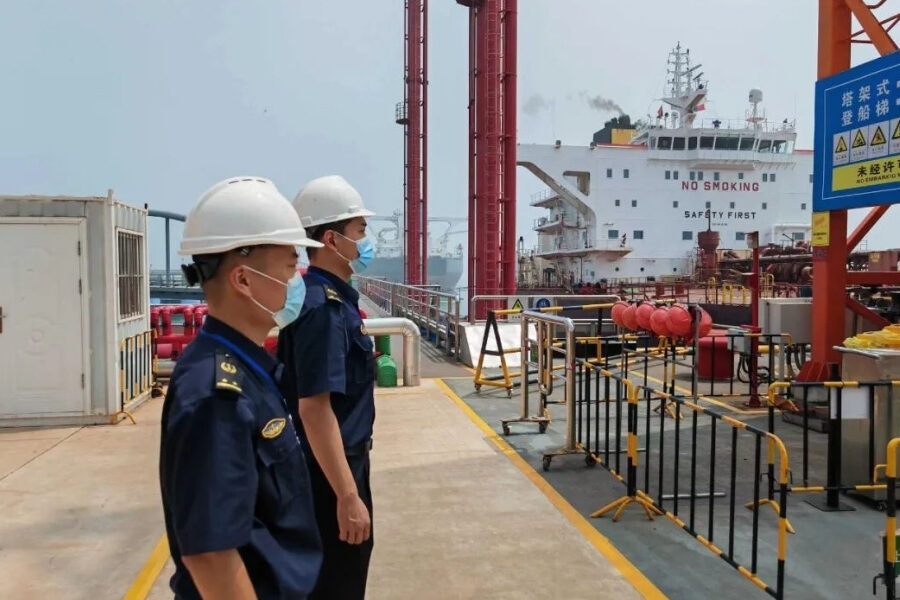

Dongjiakou Maritime Safety Administration issued a fuel compliance warning, reminding Aframax ship operators or managers to only utilise compliant bunker fuel following these events.
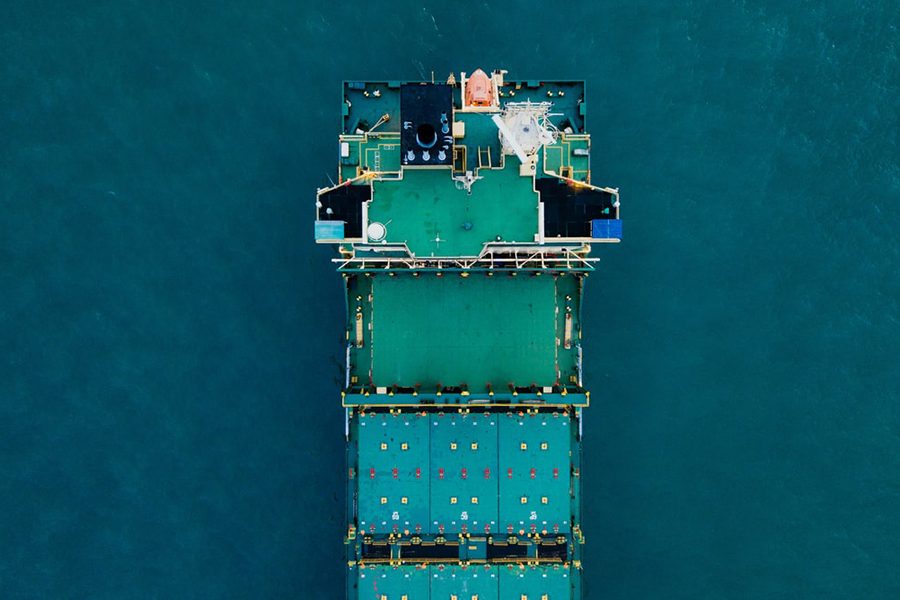

Making sure crew members that handle bunker fuels have the right training is vital to reducing the risk of contamination, said Capt. Simon Hodgkinson, Head of...
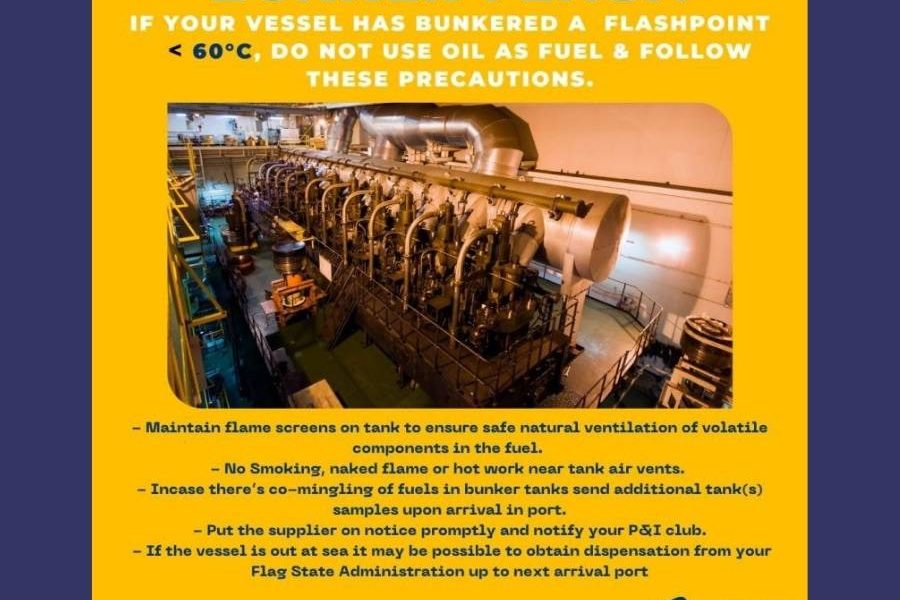

Maritec Pte Ltd has tested five samples representing VLSFO deliveries in Singapore with flashpoint as low as 50°C for the period of 12 to 24 June...
CTI-Maritec obtained feedback from vessels encountering rapid wear on fuel pumps on main propulsion engines and increased deposit formation in the exhaust system.



VLSFO bunker samples from vessels bunkered in Singapore showed flash points between 51 and 57°C which is below the ISO 8217 minimum requirement of 60°C.



Fuels with high sediments can result in excessive sludge deposition in tanks and throughout the handling and treatment/fuel injection systems, said the laboratory.


