


There is no blanket fix, with any compensation to parties involved having to be handled on a case-by-case basis, says market participants.


Successful approval of Shell Alexia 40 XC is the result of close collaboration with MAN ES to develop an approved CAT II lubricant for engines operating...

Robust bunker checks are essential as compounds can lead to a myriad of operational challenges, as well as engine damage, writes FOBAS spokesperson.



Lubricant is one of the first 40BN lubricants to be granted Category II status by MAN ES for use in their Mark 9 and higher 2-stroke...

CTI-Maritec confirms high concentration level with an average value of 3,419 ppm on 1,2- Dichloroethane; hazardous to personnel in pure form.

IBIA advises bunker buyers to pay close attention to the collection, witnessing and documentation of bunker fuel samples; also seek assurance from suppliers.



An overseas cargo, which was used as a high sulphur fuel blend component, sourced by Glencore had contained about 15000 ppm COC, says MPA.
It is not easy to detect COC as a special and costly test needs to be performed and only three laboratories in the world can do...
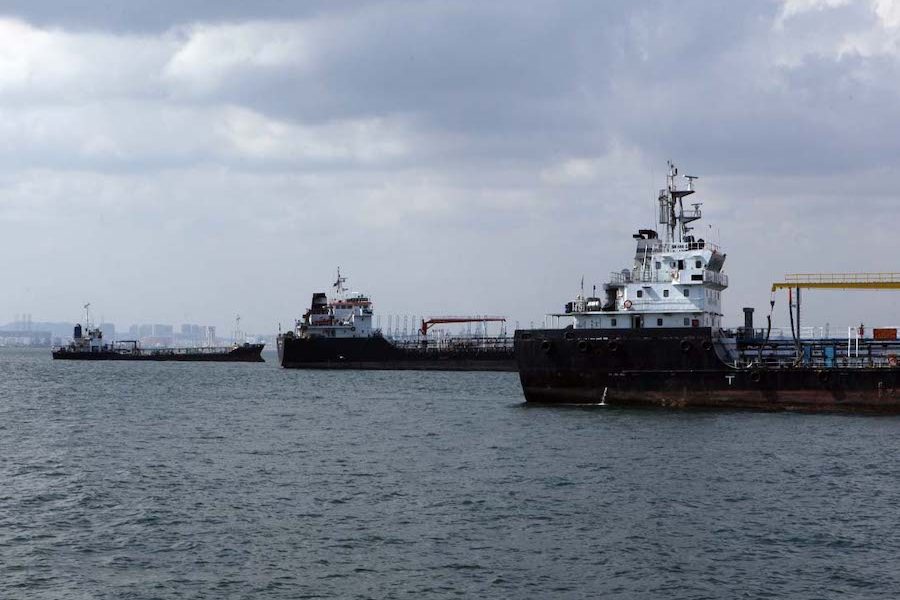

MPA preliminary investigations revealed that the affected marine fuel was supplied by Glencore Singapore Pte Ltd who later sold part of the same cargo to PetroChina...
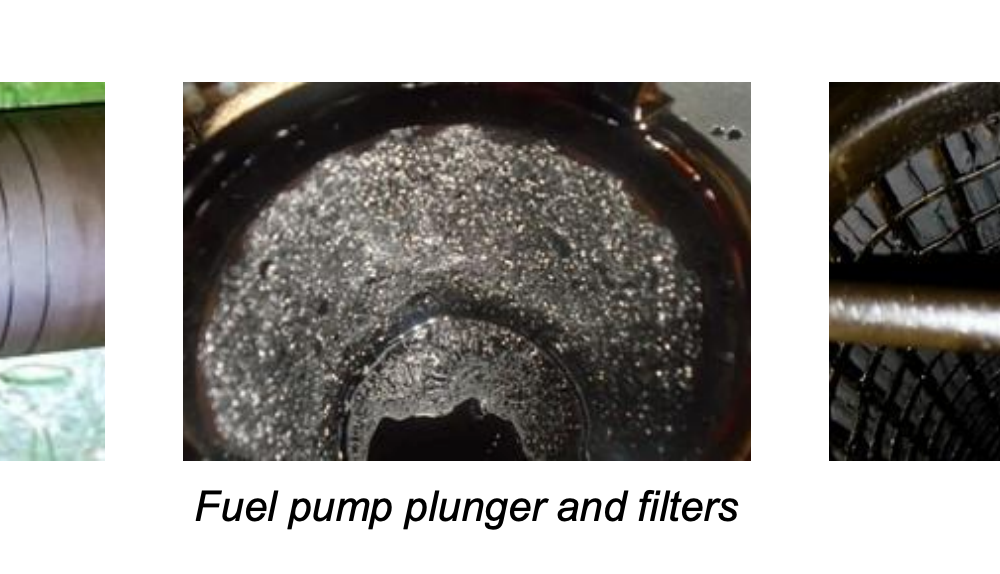

Singapore situation is linked to chlorinated hydrocarbons whereas, in the Houston case, there is yet to be a definitive culprit, states the bunker fuel testing agency.


