

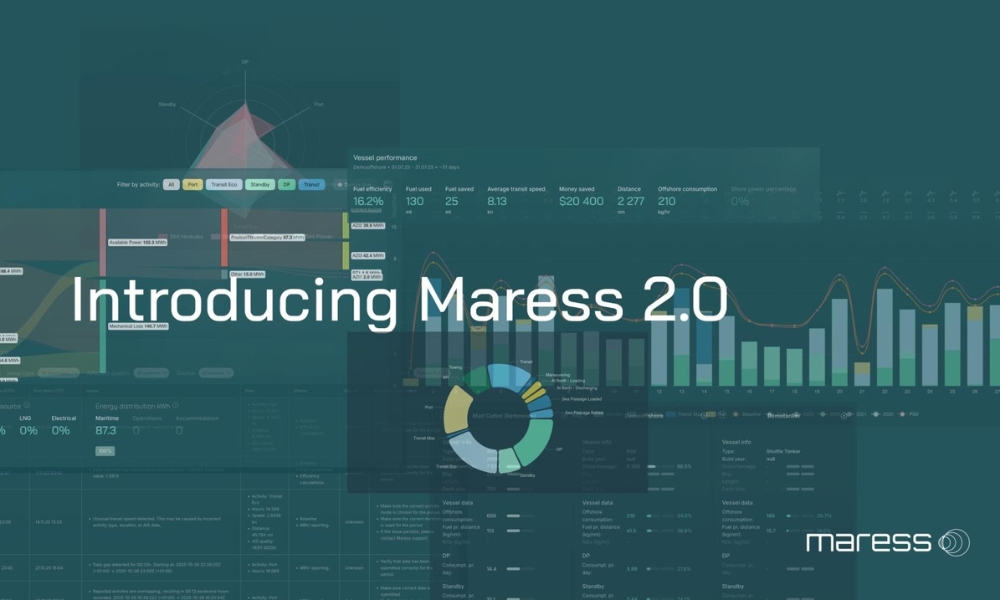

With this new Maress platform, users can instantly compare vessels, or track a single vessel’s progress over time, helping identify opportunities for efficiency and cost savings.
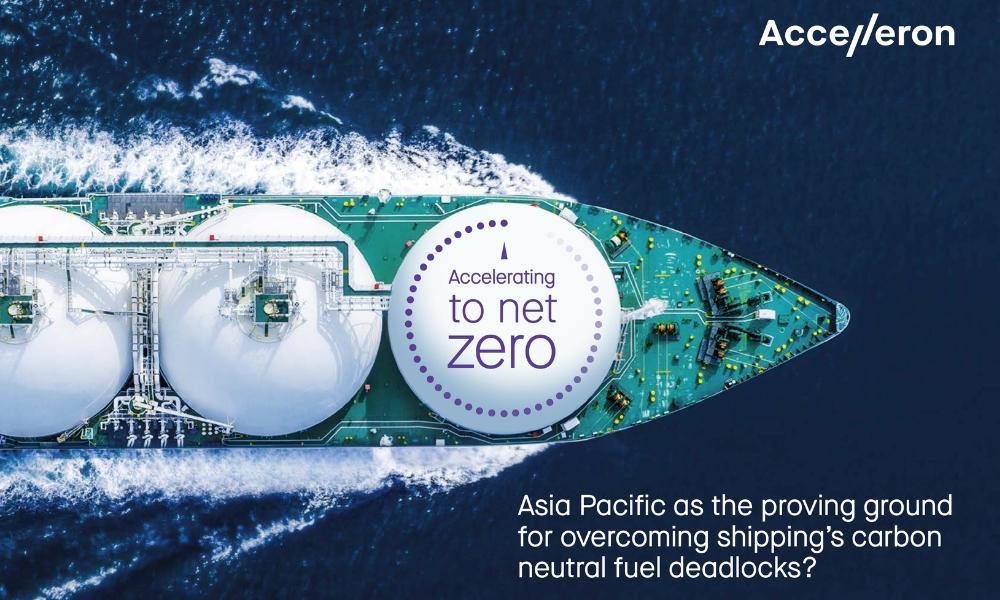

Asia Pacific is actively demonstrating how the critical elements of a future e-fuel system can operate together and across sector boundaries, linking ports, industrial clusters and...
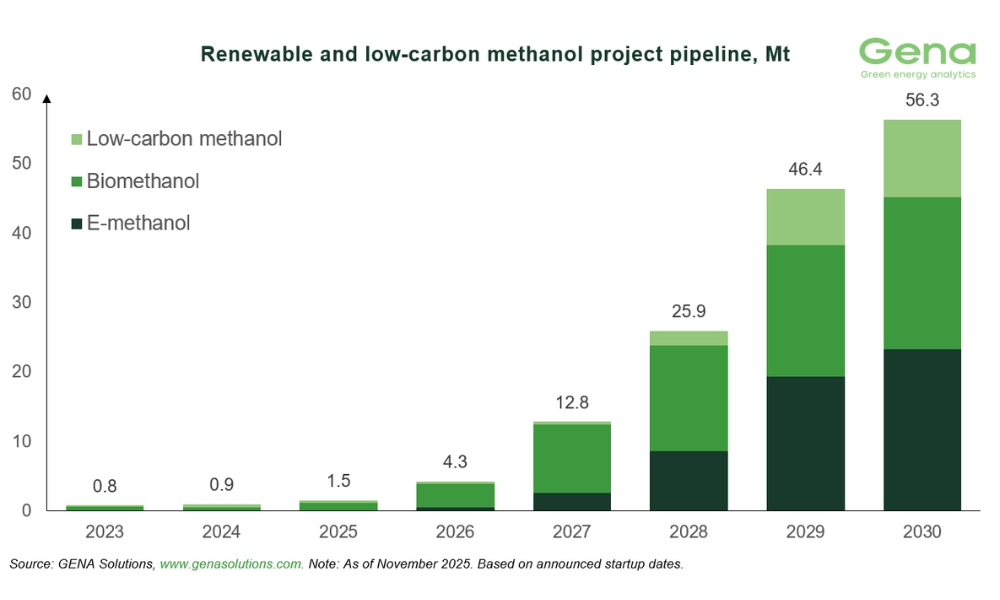
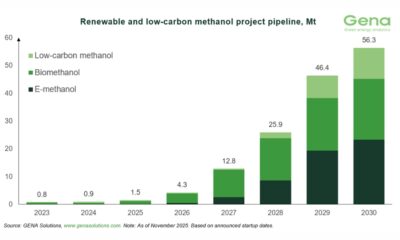

Information shared by the Methanol Institute meant to assist the maritime industry in the adoption of methanol as a mainstream marine fuel heading into IMO 2030/2050.
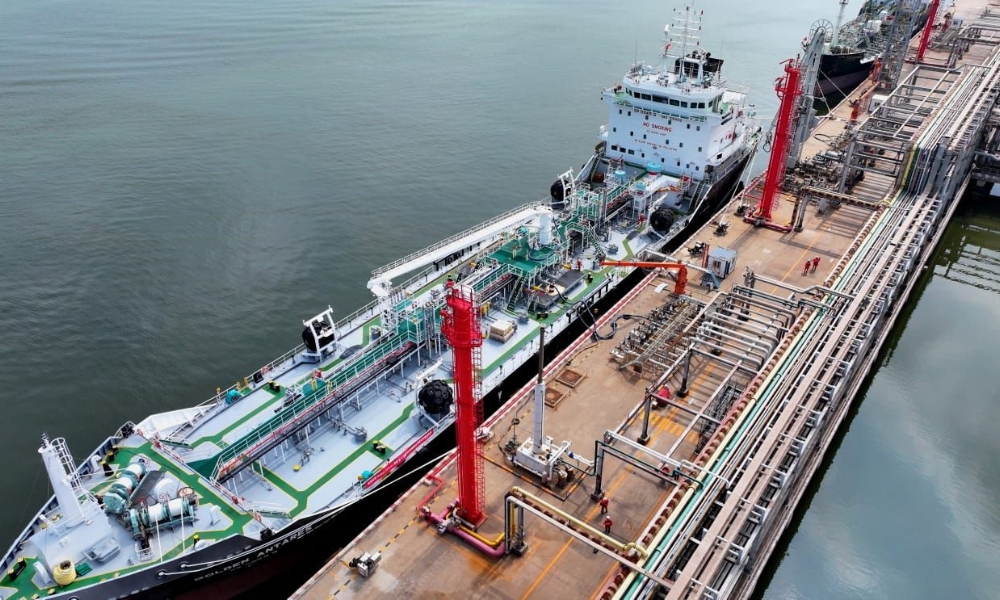

Golden Island is one of the three companies that will receive a licence by MPA to supply methanol as a marine fuel in the Port of...
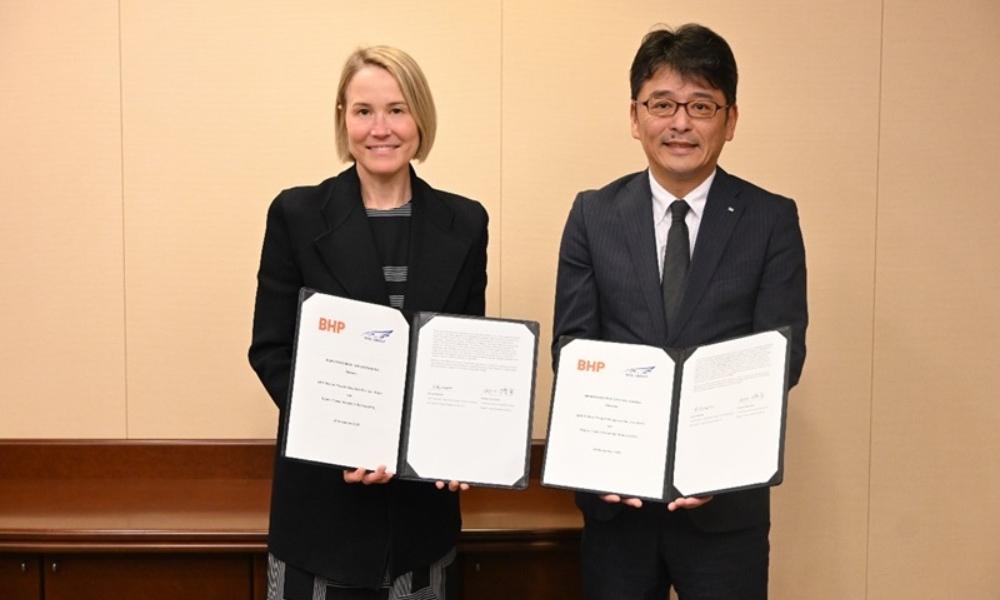

Renewed MoU introduces initiatives including continued joint research on technologies for ammonia dual-fuel vessels and biofuel trials as well as other measures to advance low-carbon shipping.
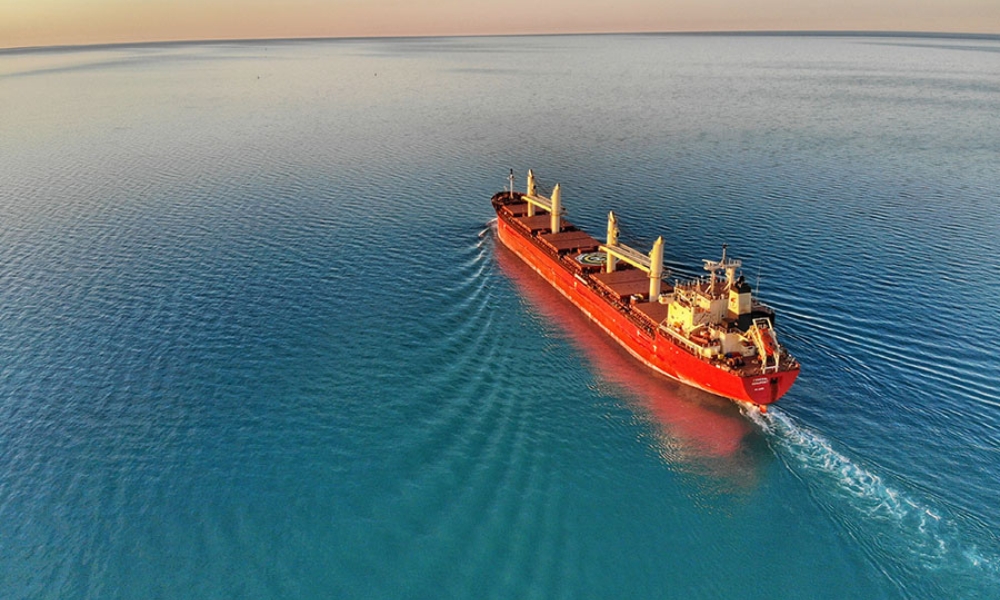

Finding is drawn from a new Lloyd’s Register and LucidCatalyst report for Seaspan Corporation Pte Ltd, which examines potential of integrating SMRs into the containership fleet.
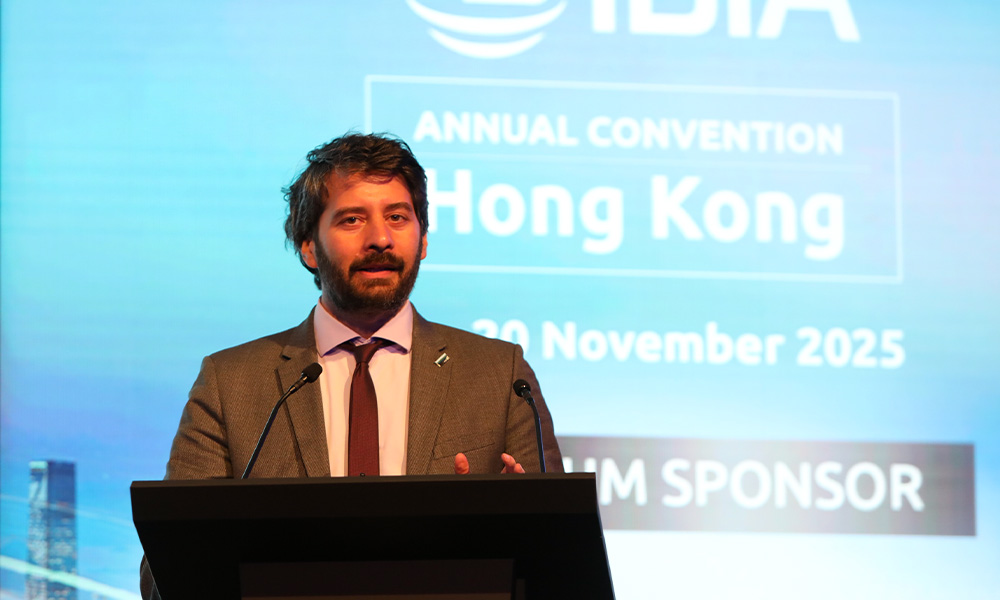

Decarbonisation seen as a chance for shipowners to differentiate, attract new cargo, and foster closer collaborations with customers, shares Jason Stefanatos, Global Decarbonization Director, DNV.
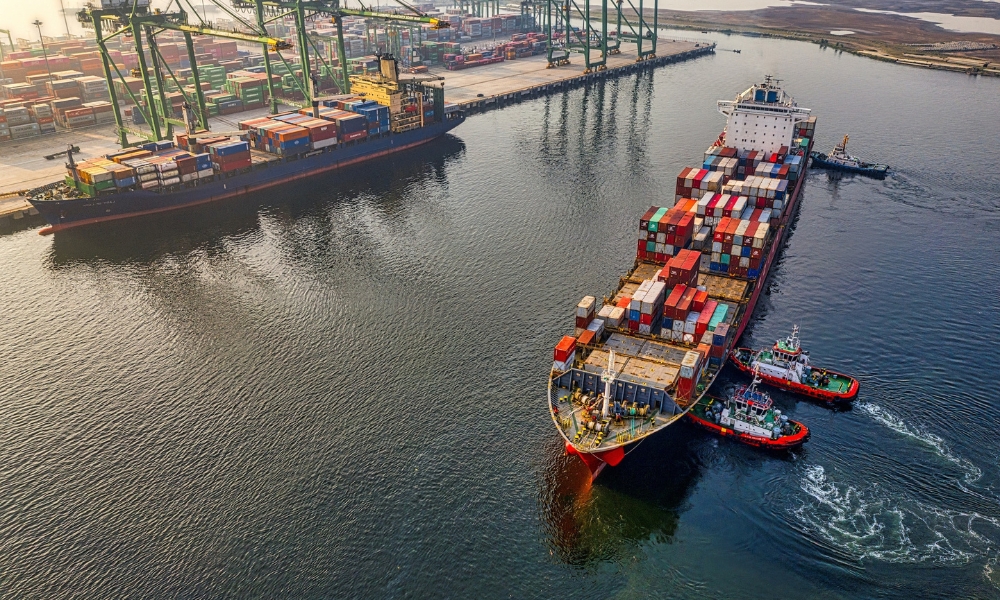

DNV highlights the new EU guideline for the reporting and verification of actual methane slip under the FuelEU and MRV/ETS frameworks.


Guide sets out cost-effective actions, such as energy-efficiency upgrades, phased fuel transitions, and targeted fleet renewal or retrofits, to control expenses and avoid stranded assets.


Busan Port Authority, Northwest Seaport Alliance, Port of Tacoma, Port of Seattle and Ulsan Port Authority also agree to decarbonise maritime shipping and accelerate adoption of...


