
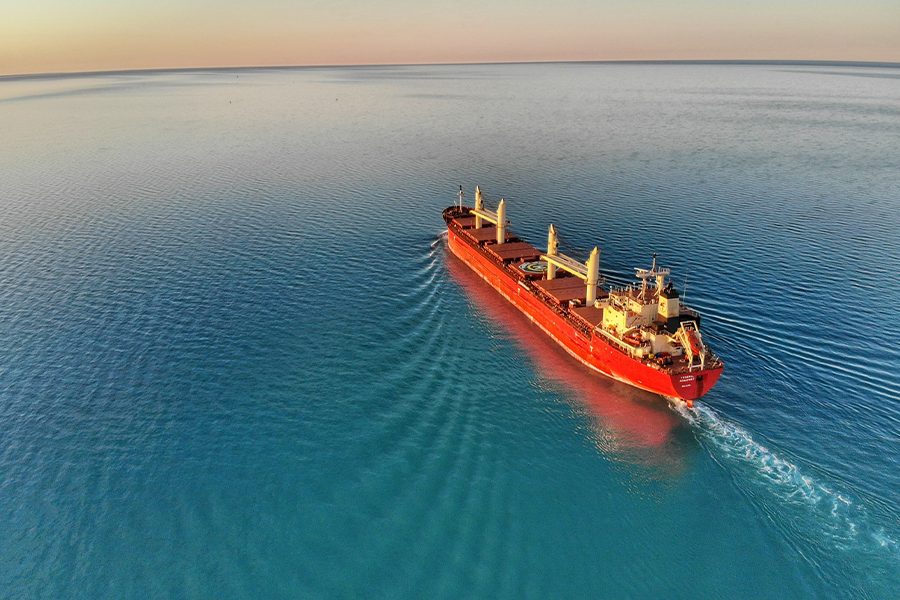

Zero-emission fuels and vessels will need to start being deployed at scale over the next decade to achieve full decarbonization of the shipping sector by 2050.
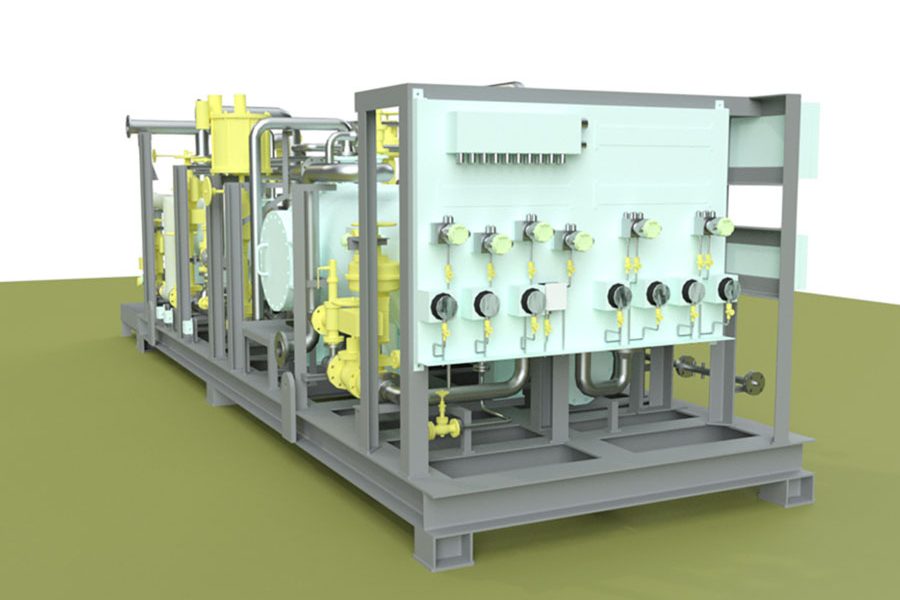

Devices will be installed on six LNG-fuelled car carriers that are under construction by a group company of Imabari Shipbuilding Co., Ltd.



‘BioLNG and synthetic LNG can be used interchangeably with existing LNG bulk infrastructure, supply chains, bunkering vessels, dual fuel engines, further reducing emissions,’ it states.



Country is also encouraging its domestic shipbuilding industry to take the initiative to supply greener vessels as it targets zero GHG emissions by 2050.
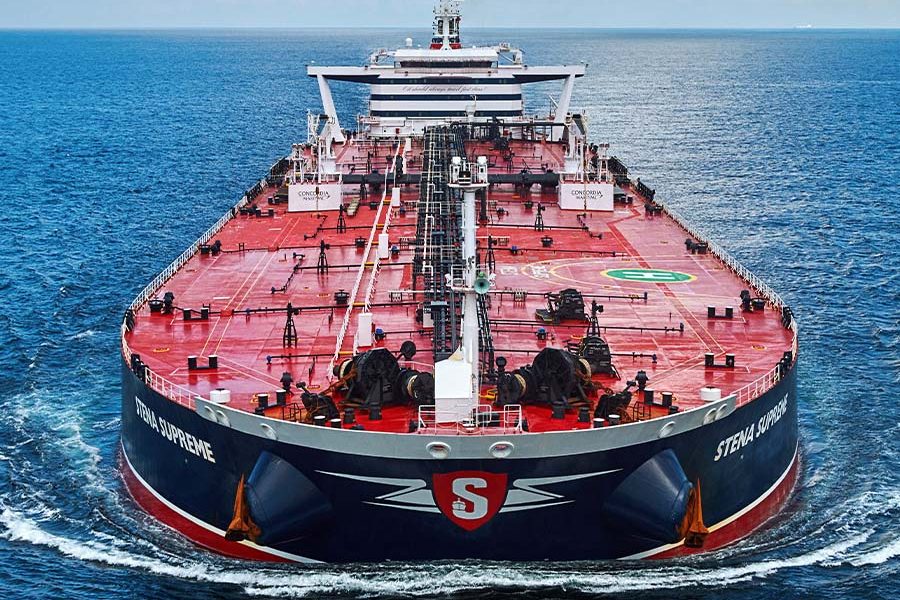

Data from Stena Bulk Suezmax tanker used to explore applicability, cost, and emissions reduction potential of installing onboard CCS technologies



Formation of oxidation products continuously occur from decomposition of unsaturated hydrocarbons, leading to rapid degeneration of fuel properties with bio VLSFO blends, informs Philippe Lecloux.
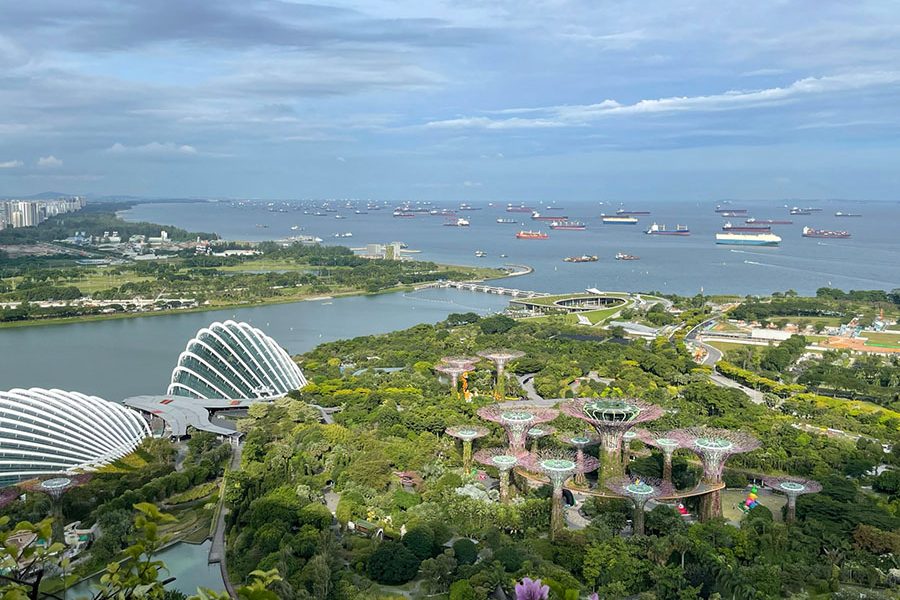

“By working together as an industry, embracing fuel flexibility and consulting with expert partners,such as class, shipping can, and indeed must, reach its destination,” says the...



‘Our collective actions must show our dedication to contribute towards the global issue, climate change,’ says the Secretary General of IMO.



Classification society released a summary outcome of the International Maritime Organization MEPC 77 remote session held last week.



But expressed disappointment in watering down resolution in order to reach consensus and placate a small but vocal group of opposing countries.


