




It has been 23 years since Kyoto Protocol assigned responsibility for climate-changing emissions from ships to IMO, yet progress has been painfully slow.
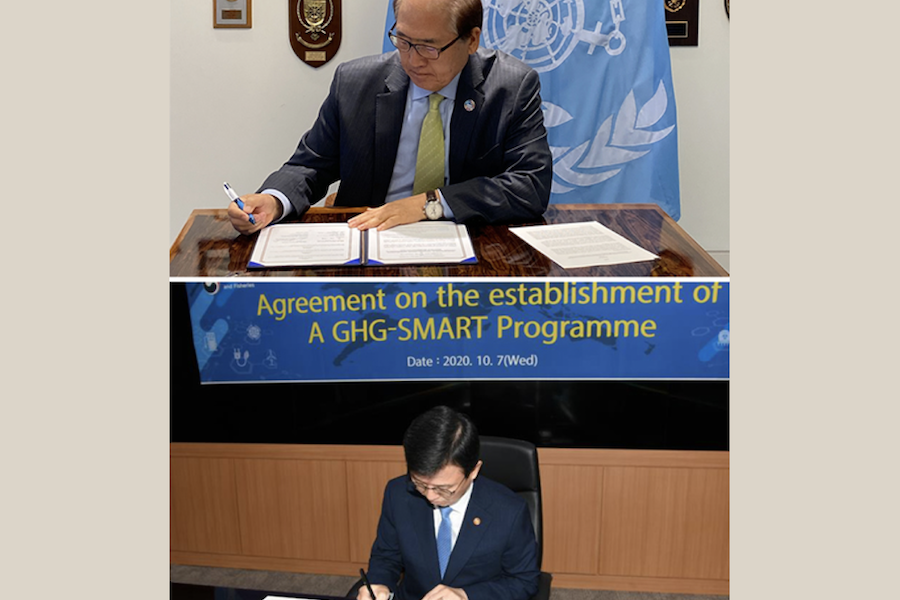

Development will help developing countries achieve the goals set out in the Initial IMO Strategy on Reduction of GHG Emissions from Ships.



‘This bill provides a roadmap for ocean and coastal climate resilience, and responsibly uses them to curb the pollution that is intensifying the climate crisis,’ said...



The A-E rating system included will incentivise shipowners to improve carbon efficiency and charterers are more likely to pay a premium for highly rated ships, it...


Mechanism lacks details of how carbon efficiency should be measured and which reduction factors should be used to calculate limits for CII for each ship.
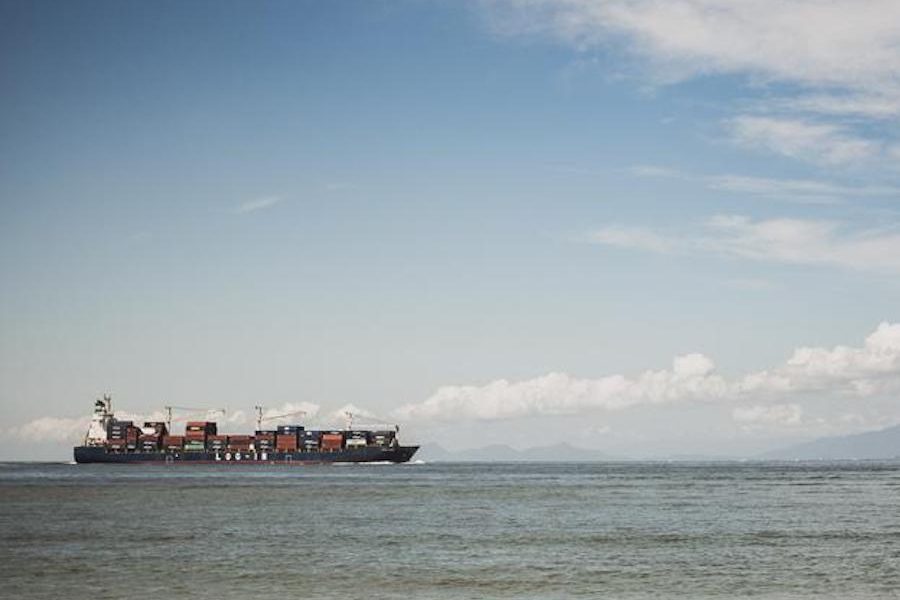
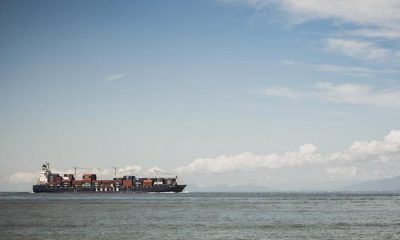

Proposed amendments to the MARPOL convention would require ships to combine a technical and an operational approach to reduce their carbon intensity.
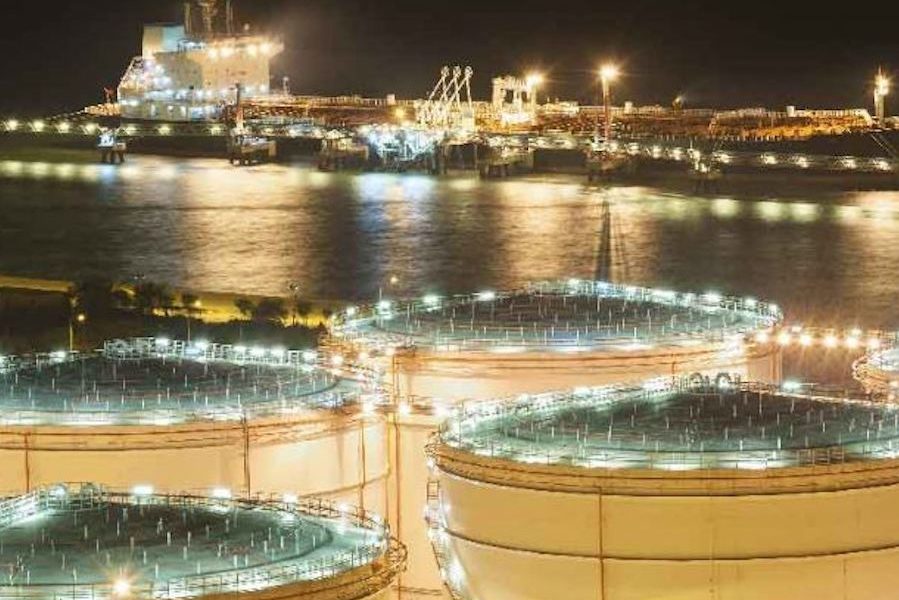

‘We expect to see deep-sea Zero Carbon Emission Vessels technically ready to be in the water by 2024,’ LR Director of Marine & Offshore tells UN...
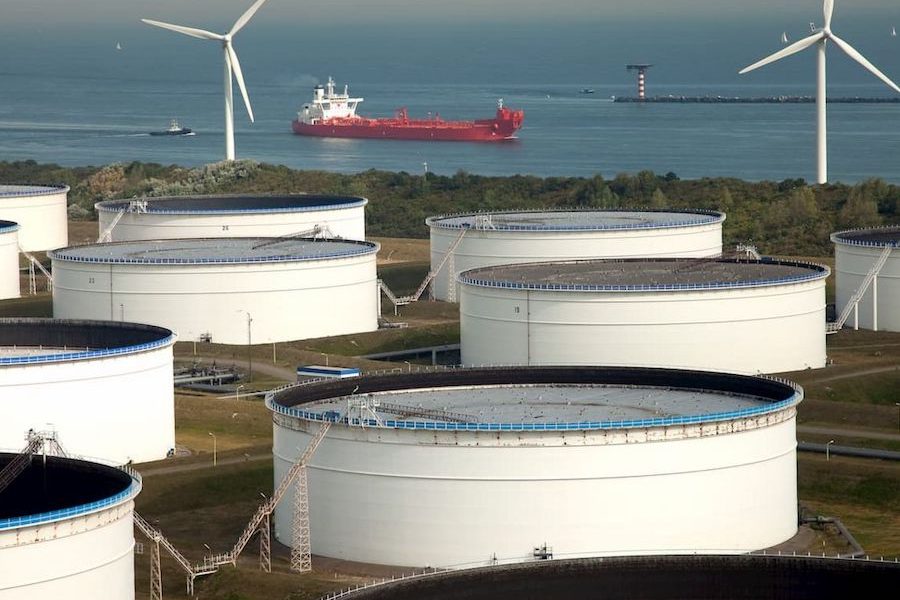
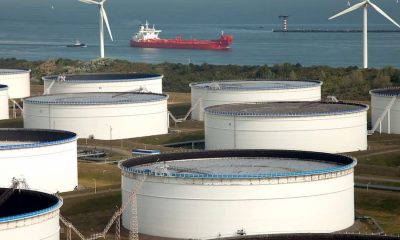

By 2030, a significant share of sea-going vessels are to ‘plug in’ once they have moored along one of Rotterdam’s quays, says Port of Rotterdam Authority.

Development aims to support other initiatives developed to address climate, environment, and social risks in shipping, such as the Poseidon Principles.
The Energy Efficiency Design Index will be the paramount emissions benchmarking indicator which BIMCO will implement to simplify reporting, it said.


