

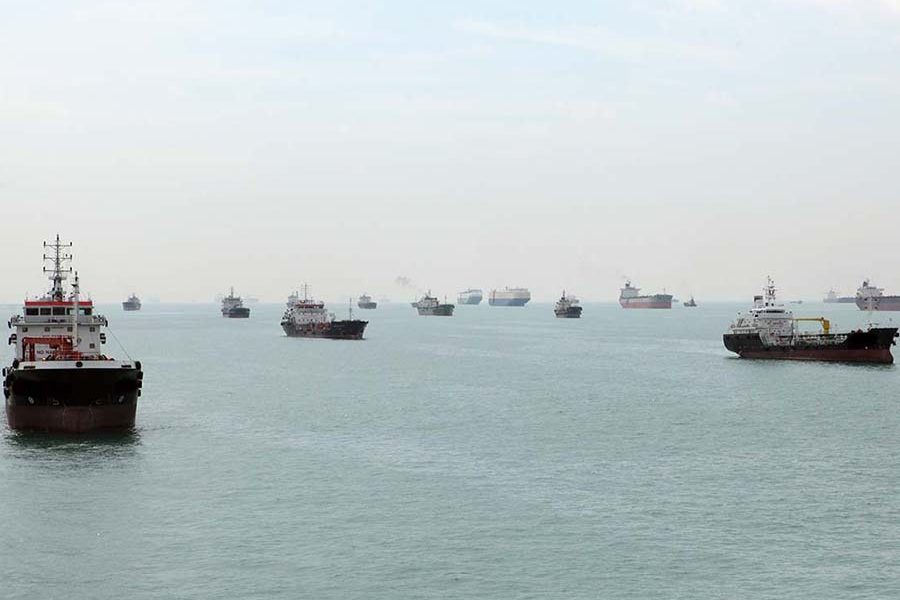

Project targeting to conduct an actual ship-to-ship refuelling operation of green methanol bunker fuel to a vessel in Singapore port during the first half of 2023.
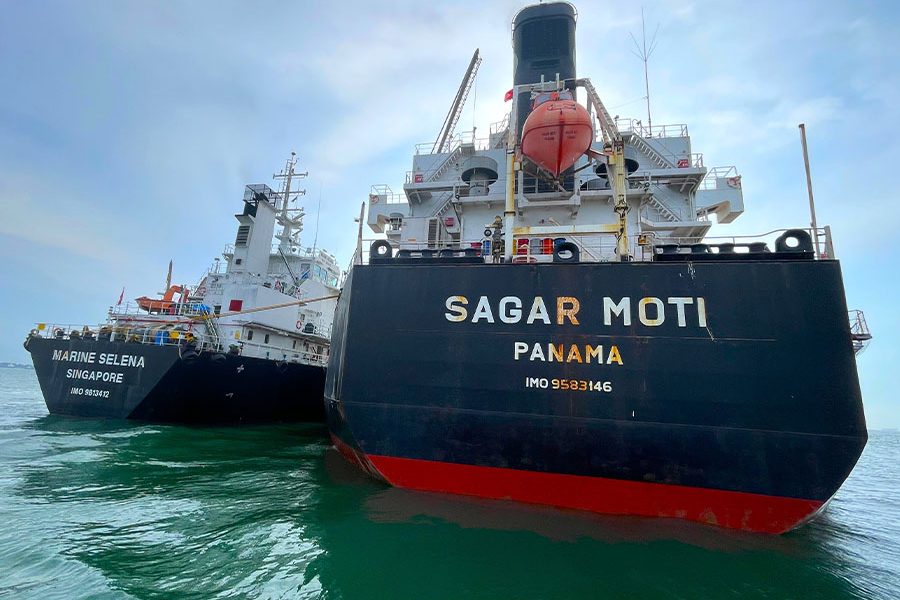

The 0.50% sulphur fuel contains up to 25% fatty acid methyl esters (FAME) and meets the requirements of ISO 8217: 2017 and EN 14214.
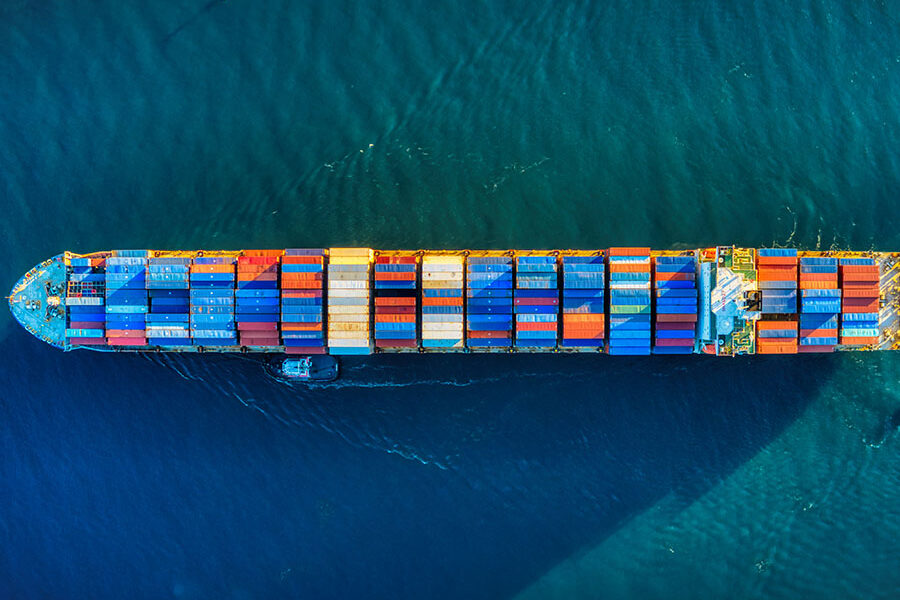

Finds ‘Preparing Container Vessels for Conversion to Green Fuels’ report published by Mærsk Mc-Kinney Møller Center for Zero Carbon Shipping.
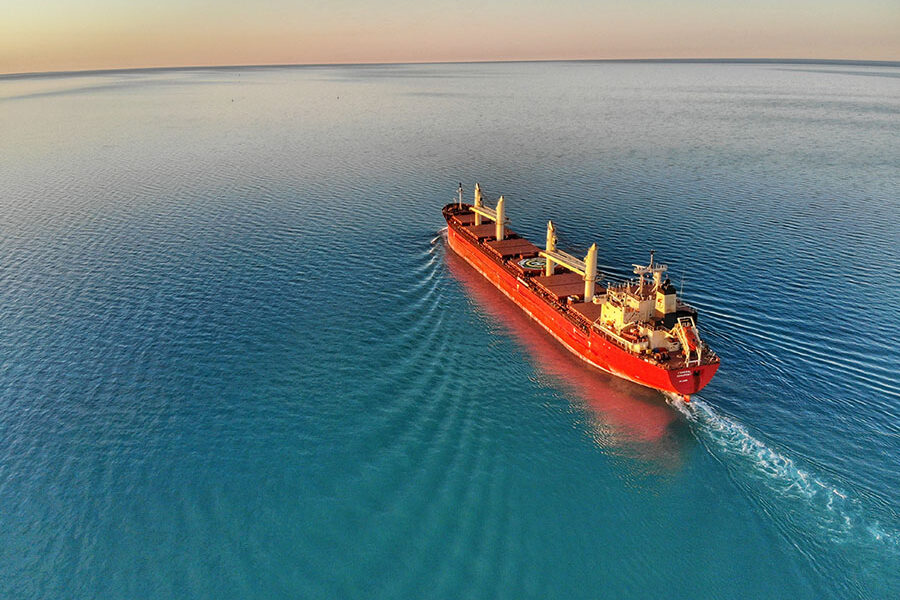

Joint initiative part of services from the Clarksons Carbon Broking team to assist clients in reducing their bunker fuel consumption and carbon footprint.



Clean technologies will complement low and zero carbon fuels and such techs are needed to create zero-carbon ship of the future and to reduce costs in...

Paper titled ‘Alternative Fuels for Containerships’ examines use of LNG and methanol in the container sector including bunkering tech and infrastructure for LNG and methanol.
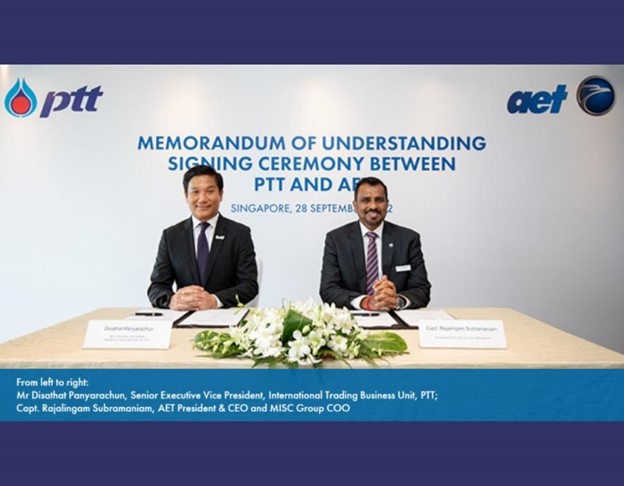

AET will select a suitable shipyard for two zero-emission dual-fuel tankers and they are to be delivered to PTT for long-term charters in Q4 2025 and...
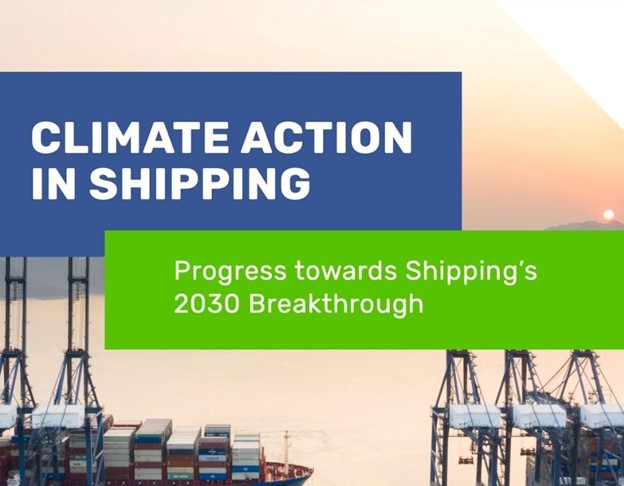

Industry will have to commit to investing around USD 40 billion annually by 2030 for SZEF bunkering and production; current orders for SZEF-ready ships should increase...
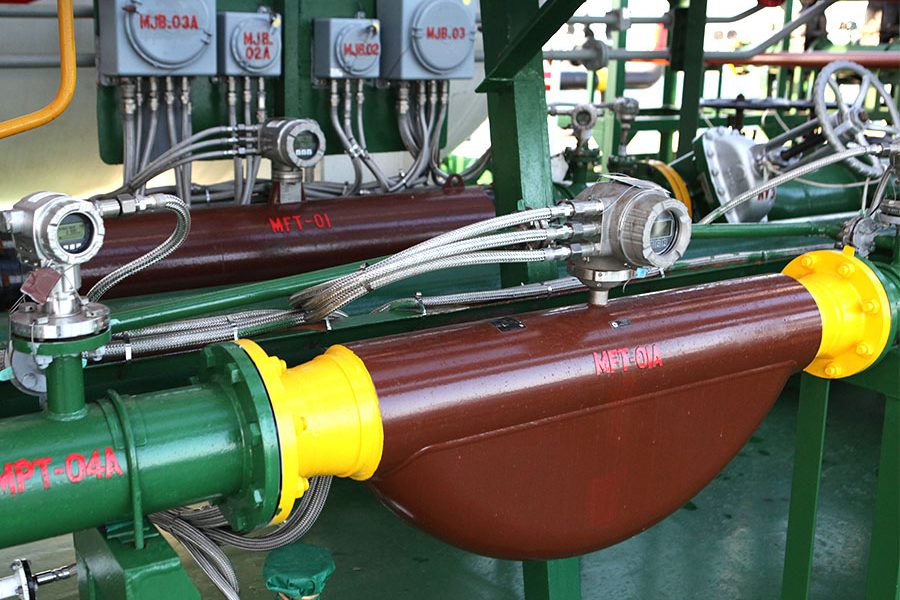

‘MFMs will continue to have a place within the bunkering sector even when the shipping industry continues to adopt new types of marine fuels, such as...
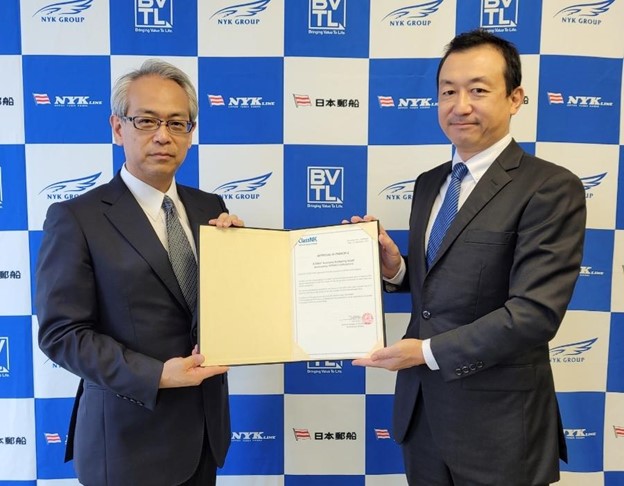

Ammonia bunkering vessel developed by NYK Line will be used as a bunkering vessel for ammonia-fuelled vessels, which are expected to be widely used in the...


