
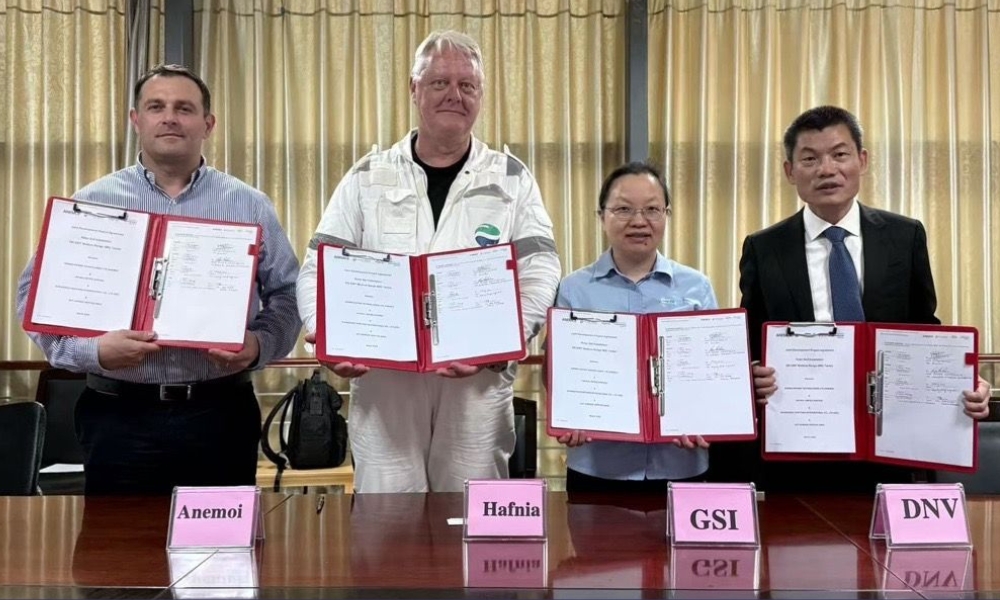

Companies agreed to develop a new generation of efficient and environmentally friendly Rotor Sail vessel designs to increase efficiency of MR tankers within the wider global...

DNV released its recommended practice, developed with industry leaders, providing the guidance shipowners, operators and training institutions need to build ammonia-specific competence on board.
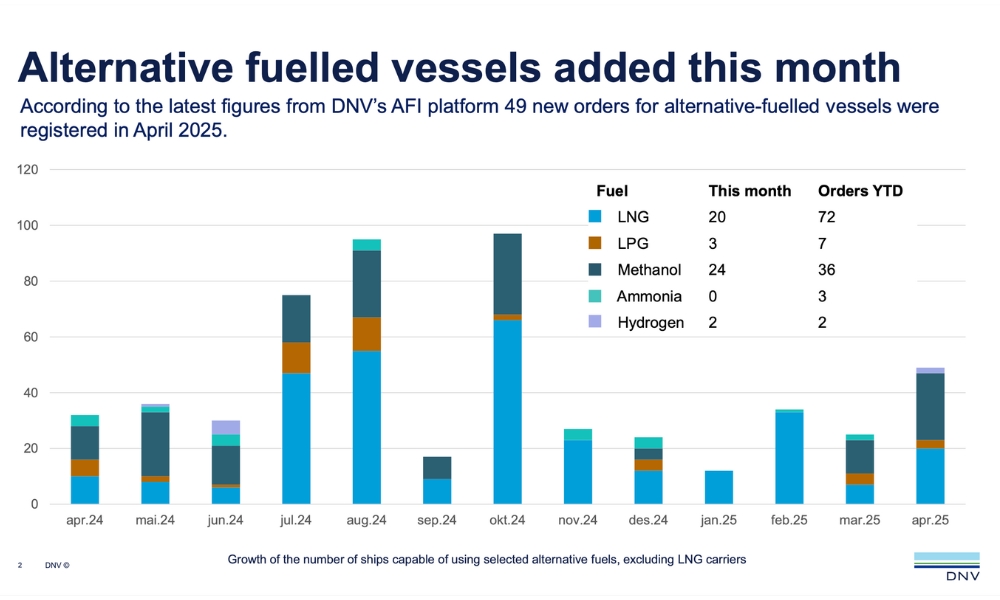

Methanol and LNG saw similar numbers of new vessel orders in April, with 24 and 20 respectively out of 49; two new orders for hydrogen-fuelled vessels...

DNV summarizes how shipowners can apply a practical, structured approach to gaining approval for ammonia- or hydrogen-fuelled ships as both are gradually emerging as suitable bunker...
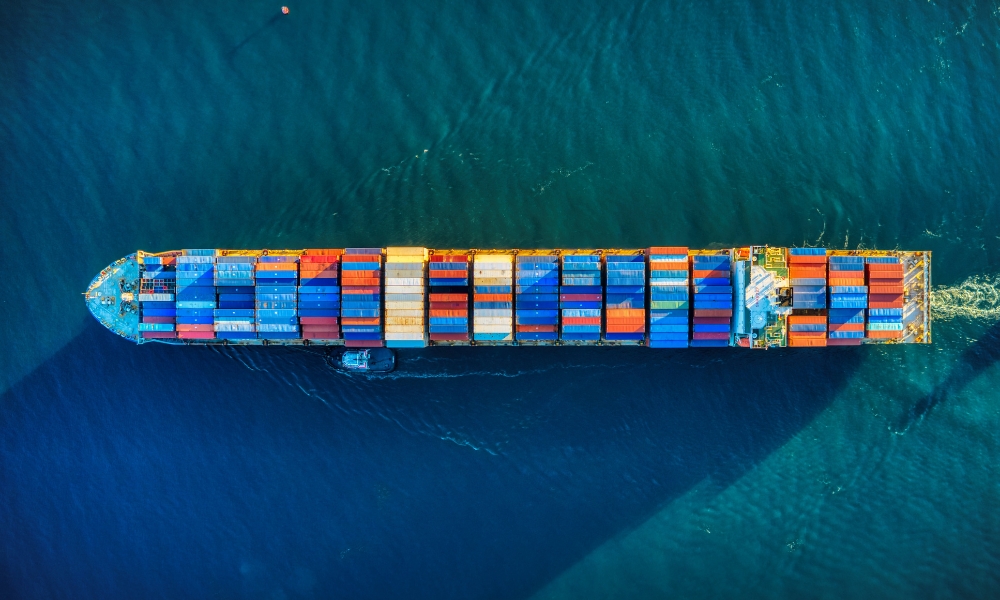

DNV outlines the Canadian Arctic Emission Control Areas (ECA) and Norwegian Sea ECA, which was adopted by MEPC 82, as well as the North-East Atlantic Ocean...
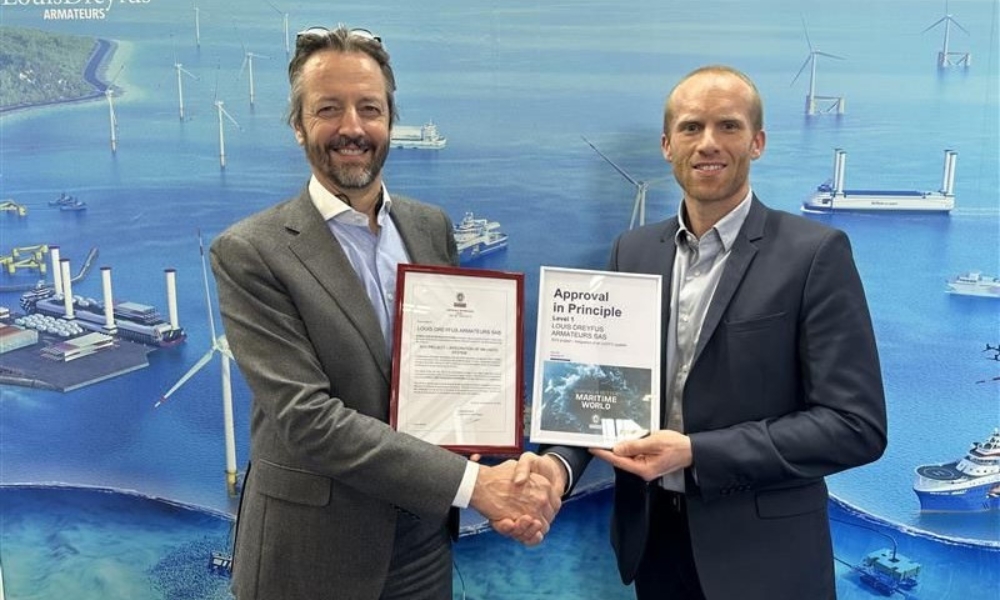

Vessel will be able to operate 95% of the time with zero carbon emissions, preventing the release of 4,000 tonnes of CO2 compared to a conventional...
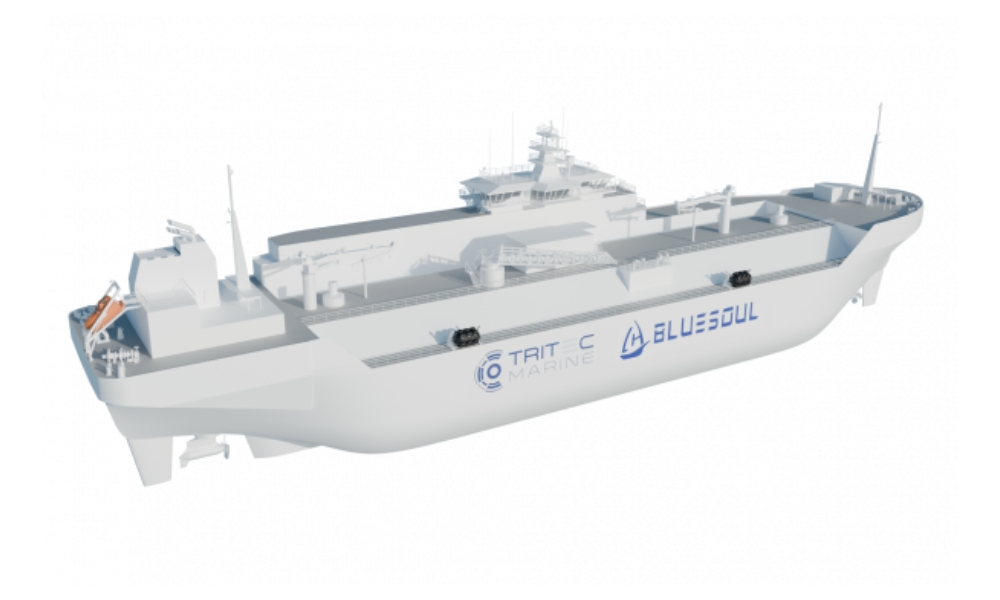

Design is for a ‘Safe Bunker' 20,000 m3 vessel; ‘Safe Bunker’ differs from traditional LNG bunker vessel designs as it can better prevent against vessel contact...
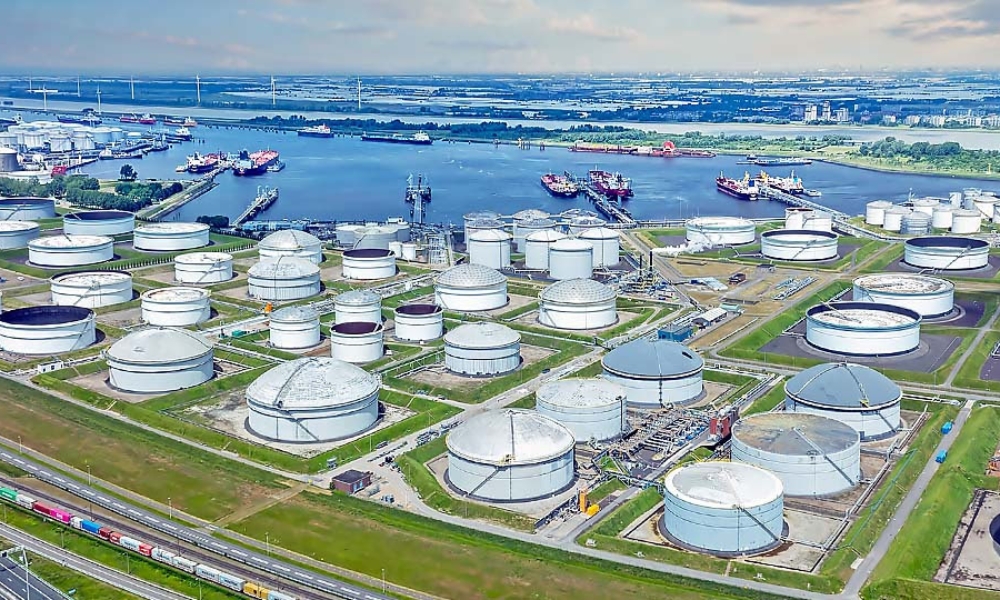

DNV summarizes its white paper examining the growing uptake of biofuels in shipping, bunkering trends and provides practical guidance around their use.
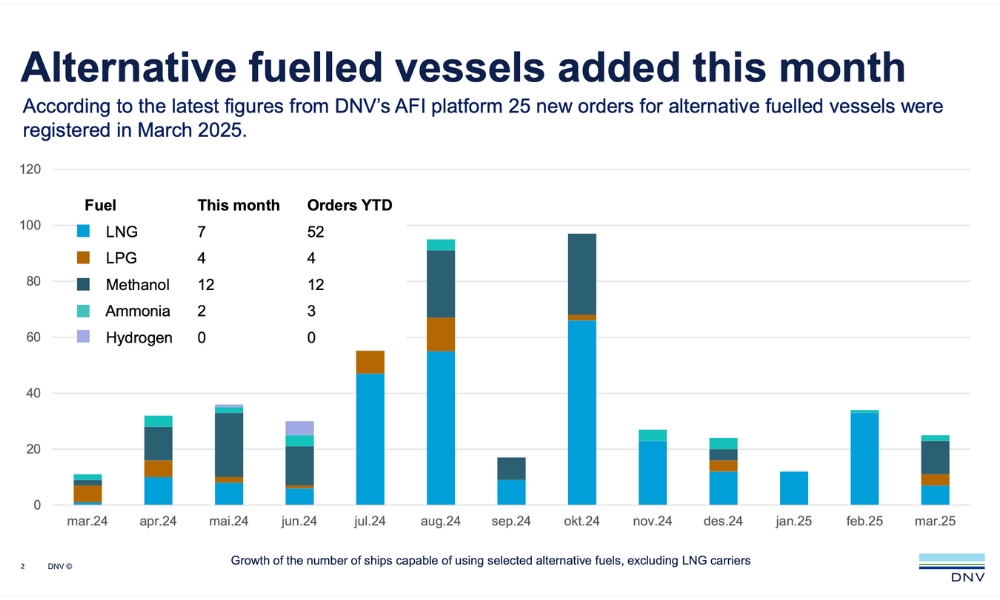

Methanol was the biggest activity driver, accounting for 12 of 25 new orders for alternative-fueled vessels while order for two ammonia-fuelled vessels from the tanker segment...
Latest report highlights that LNG remains the dominant alternative marine fuel readily available to the shipping industry but cautions that LNG’s long-term sustainability depends on tackling...


