
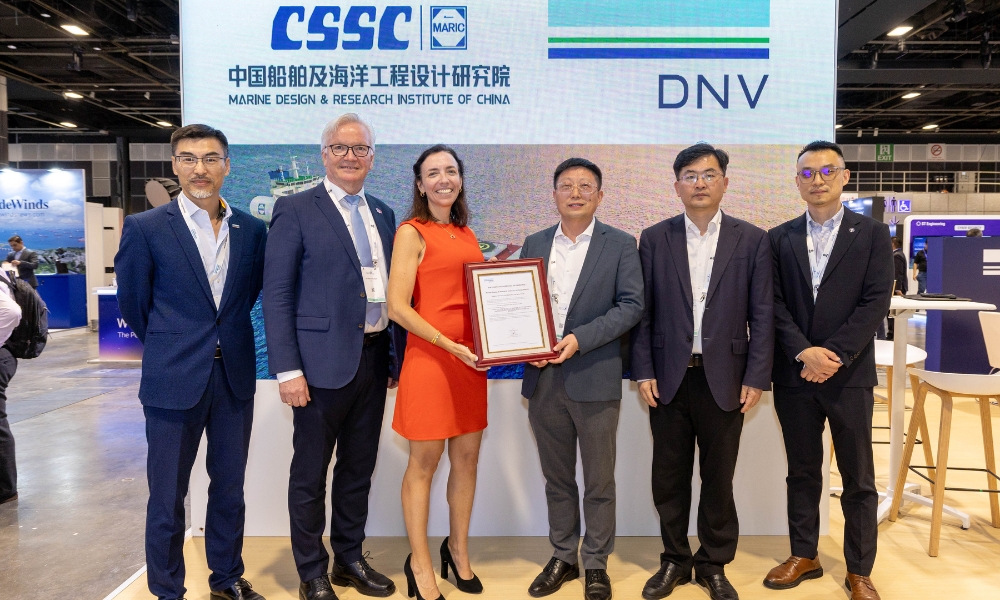

AiP is for Marine Design and Research Institute of China’s new wide beam ammonia-ready Kamsarmax bulk carrier, which has a shallow draft for flexible port calls,...

DNV urges all stakeholders, including shipowners, operators, technology providers, academia and regulators, to review and contribute feedback on the RP, which has been released for public...

As part of a MoU with MPA, ABS will establish the ABS Singapore Maritime Safety Centre Maritime which will offer training in the safe handling of...
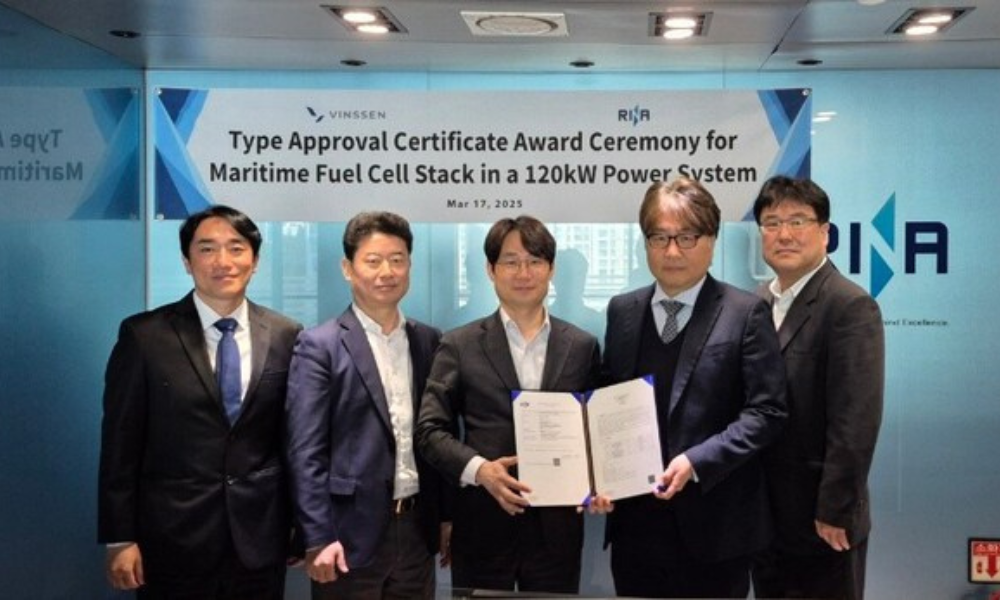

Approval of VINSSEN 60kW maritime fuel cell stack will accelerate the demonstration and commercialisation of its 120kW maritime fuel cell power generation system.
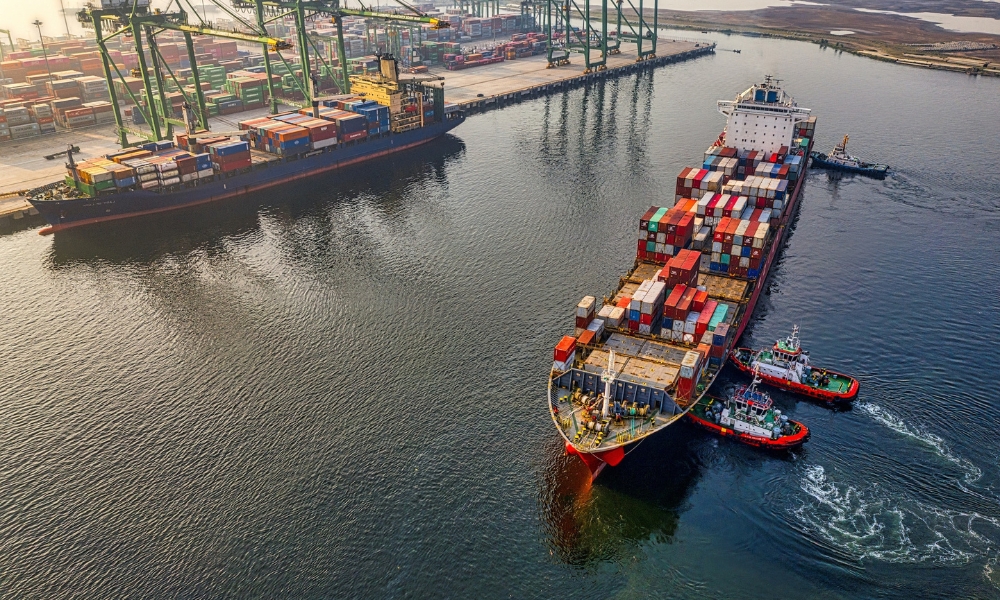

DNV outlines how direct methane emissions monitoring has the potential to positively impact a ship’s reported carbon footprint.
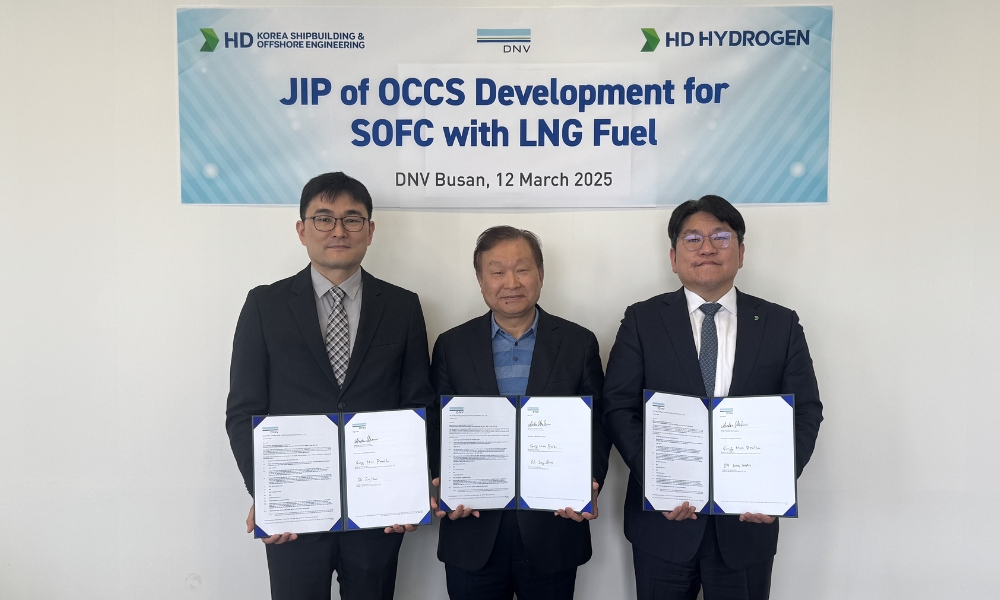

HD KSOE and HD Hydrogen will explore integration of PSA-based carbon capture technology into SOFCs for shipboard power generation, with the aim to replace conventional ship...
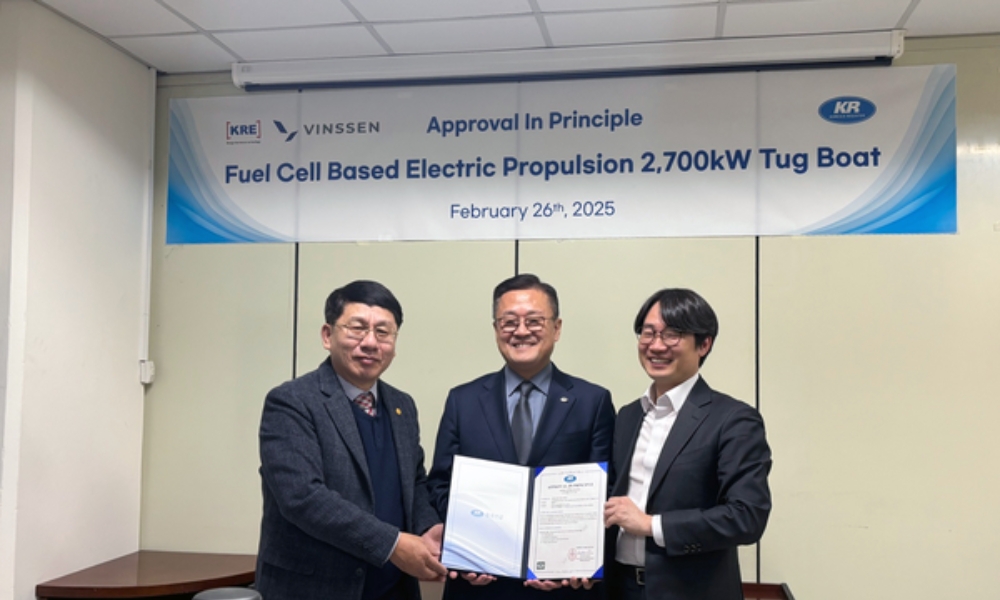

The 2,700 kW hydrogen fuel cell-powered electric tugboat uses hydrogen fuel and stores excess electricity generated by the fuel cells in batteries for low-load operations.



With its latest white paper, DNV aims to support customers in implementing these fuels by providing increased predictability through classification rules and early dialogue with Flag...
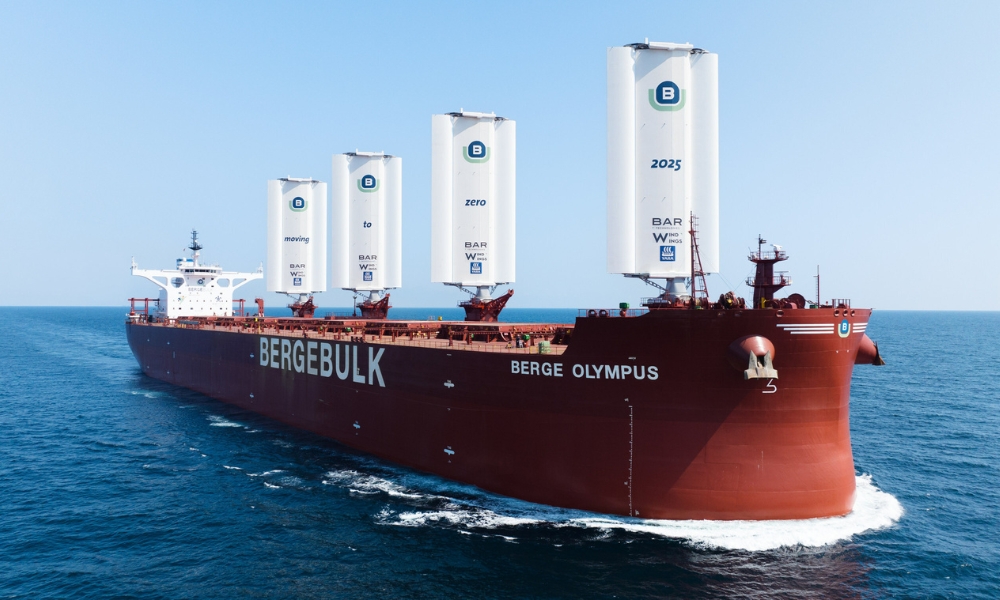

Paper offers crucial guidance and considerations to help shipowners determine the most suitable WAPS business case for specific operational and decarbonization needs.
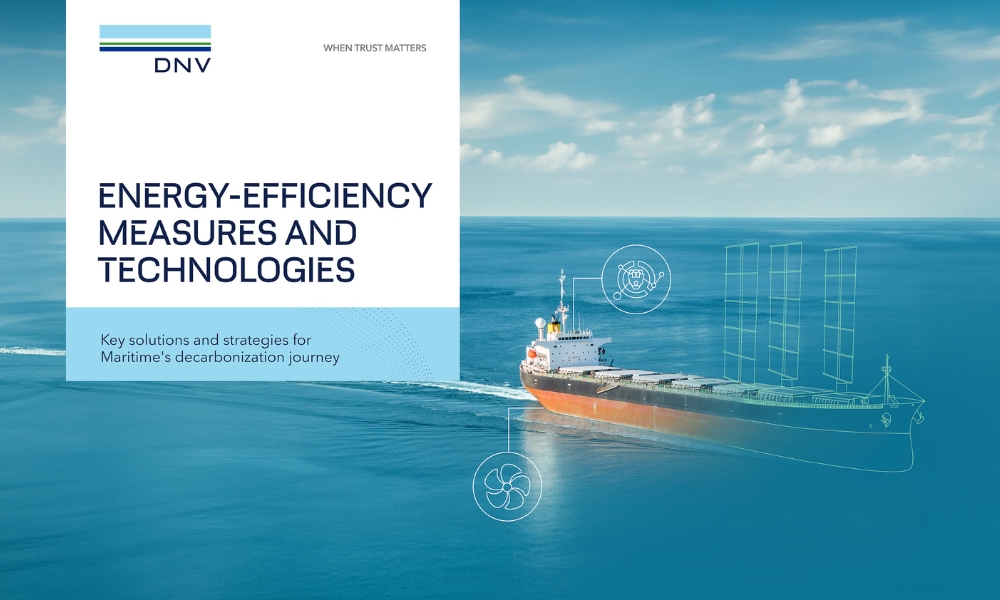

Report provides a comprehensive overview of more than 40 energy-efficiency measures, detailing their fuel-saving effects, cost figures, and suitability for specific ship types.


