

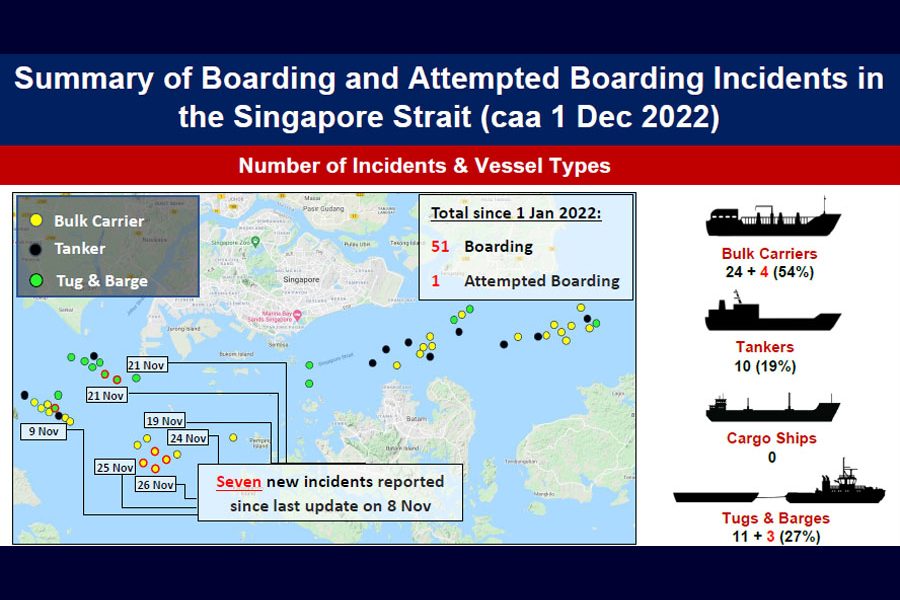

Of seven new incidents, five occurred in Phillip Channel, and two occurred in the Westbound Lane of the Traffic Separation Scheme (TSS), within the Singapore Strait.
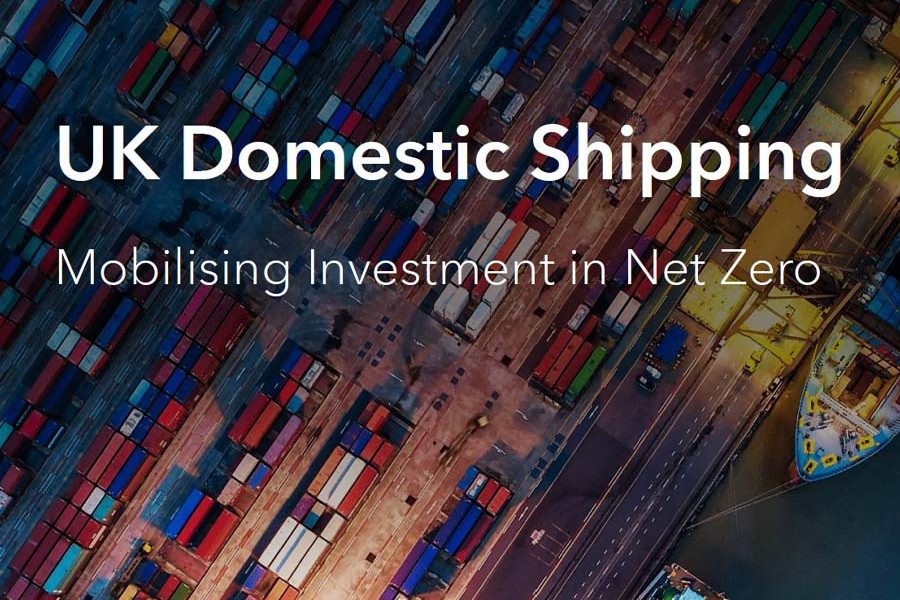

Development presents the most comprehensive study to-date of the UK domestic maritime sector and findings will contribute to the next iteration of UK government’s Clean Maritime...
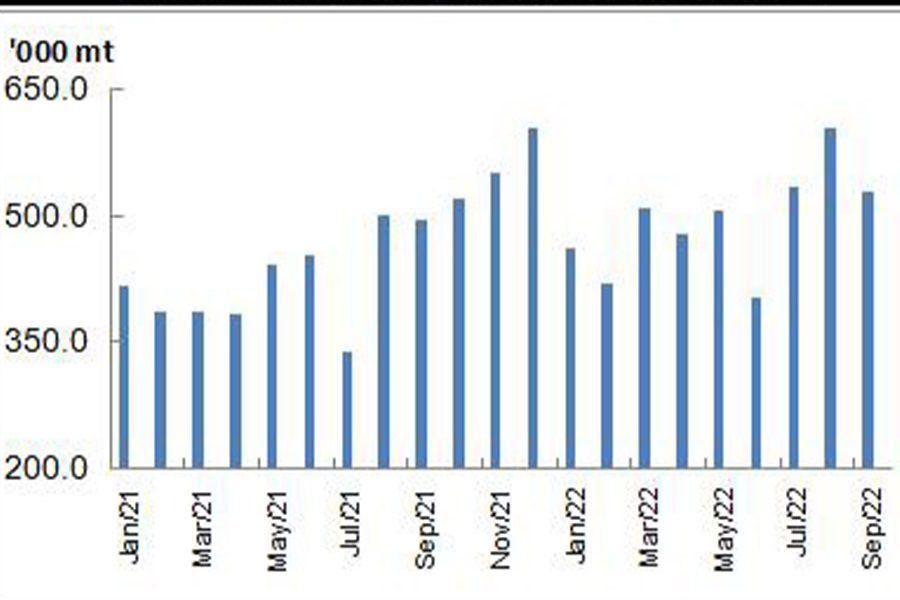

China’s bonded bunker fuel sales rolled back in September, as bonded bunker fuel supply tightened in several regions while bunkering demand was flat.
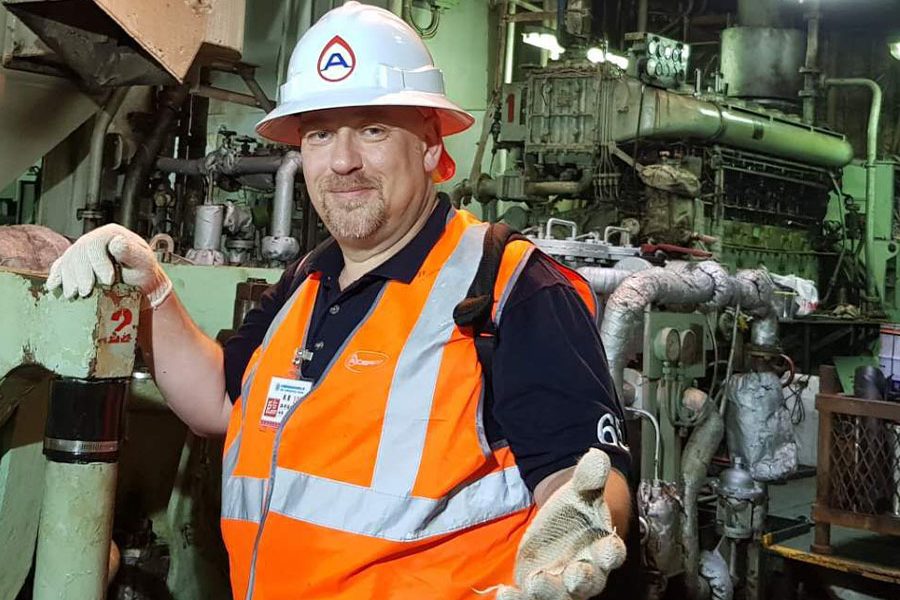


‘There are different types of biofuels, each with its own set of benefits and drawbacks in terms of stability, acidity and microbial growth,’ Philippe Lecloux, Aderco...
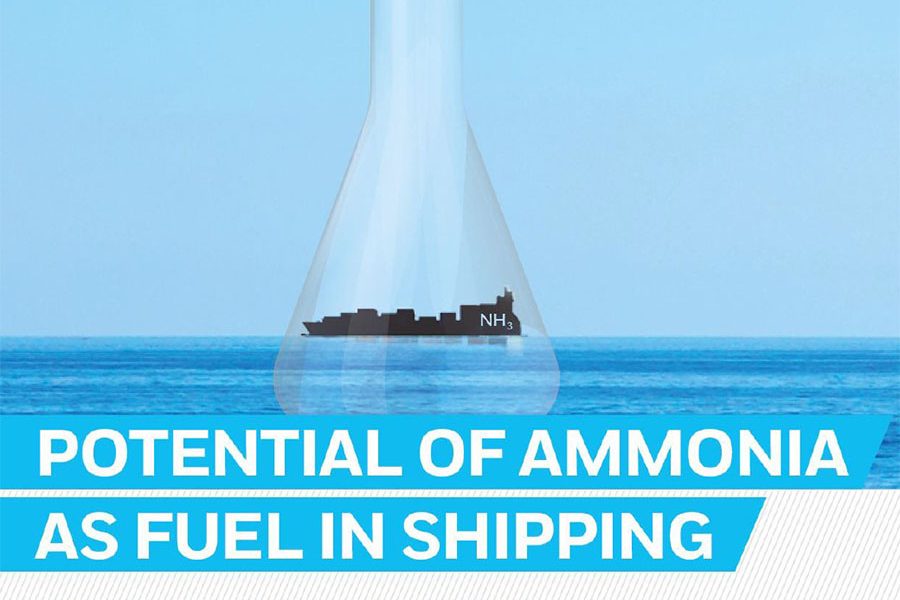
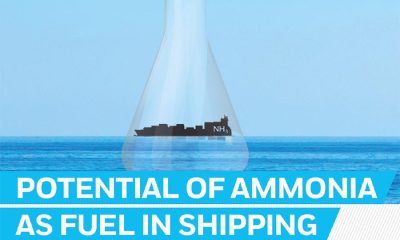

Ammonia ultimately may prove to be a more appropriate solution for deep-sea cargo ships rather than short-sea, passenger or inland waterway craft, finds study.



Haur-Bin Chua, Regional Commercial Fuels Sales Director, Marine, ExxonMobil Asia Pacific, discusses market dynamics, the adoption of MFM technology, and digitalisation of the bunkering value chain...
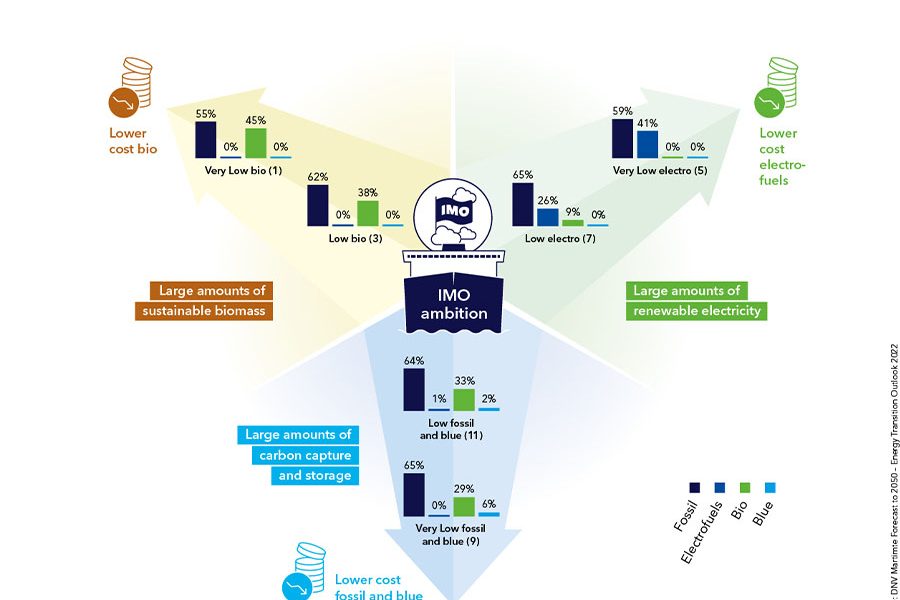

‘We show that the future fuel mix is highly dependent on underlying assumptions, notably regarding fuel prices and policy ambitions,’ states lead author of Maritime Forecast...
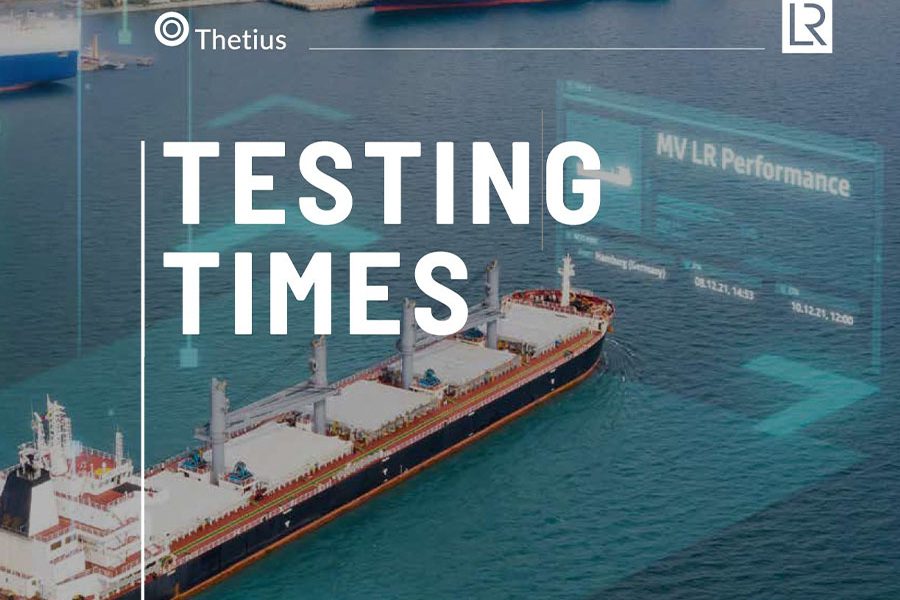

Strong evidence suggests operators need reliable support in bunkering disputes and independent testing and verification is the only way of being truly supported.
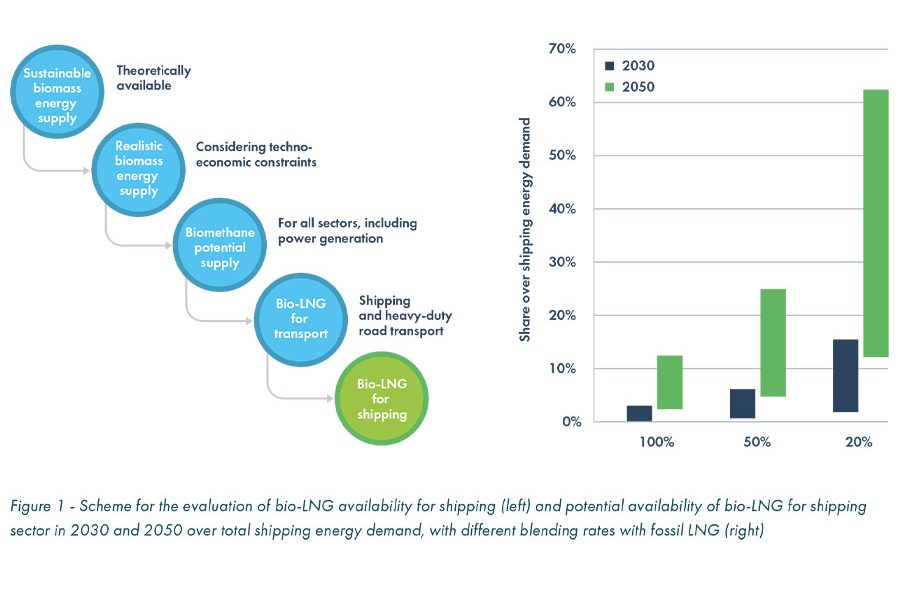

Study explored questions around fuel availability, cost, lifecycle emissions and logistics, providing an overview of the applicability of bio-LNG as marine fuel.


Availability tight across all grades in Zhoushan; bunker fuel demand remains weak across South Korean ports; Singapore prices rebound from multi-month lows.


