

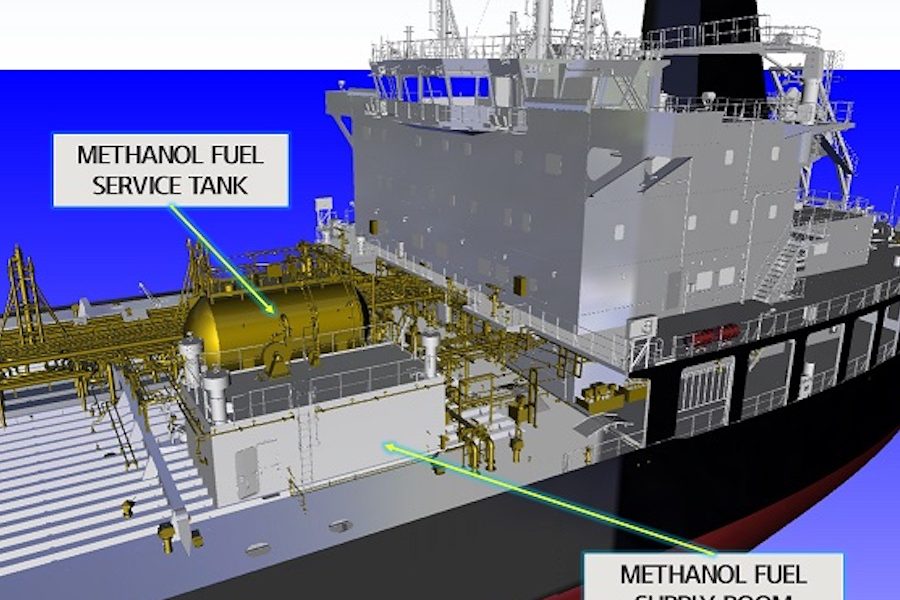

Hyundai Mipo Dockyard, MAN Energy Solutions, and the Methanol Institute have developed a design that meets safety requirements and is economically viable.
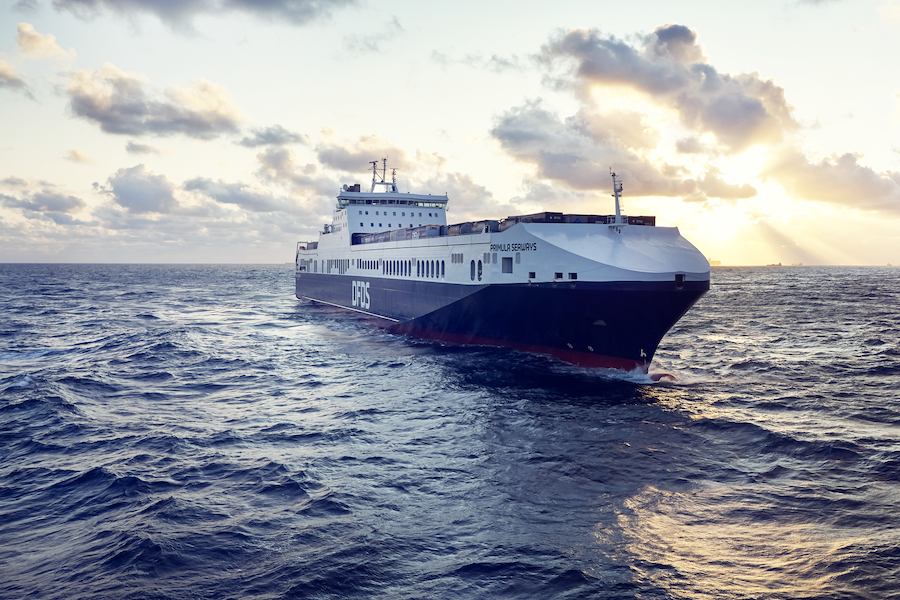

The second generation biofuel to be tested is a B11 blend of 11% biofuel and 89% DMA (Marine Diesel); it’s 100% ISO8217 and RMG180 compliant, it...

Database includes 3,000 datapoints of global bunker supply options to discover which alternative fuels are available and where in the run up towards IMO 2030.
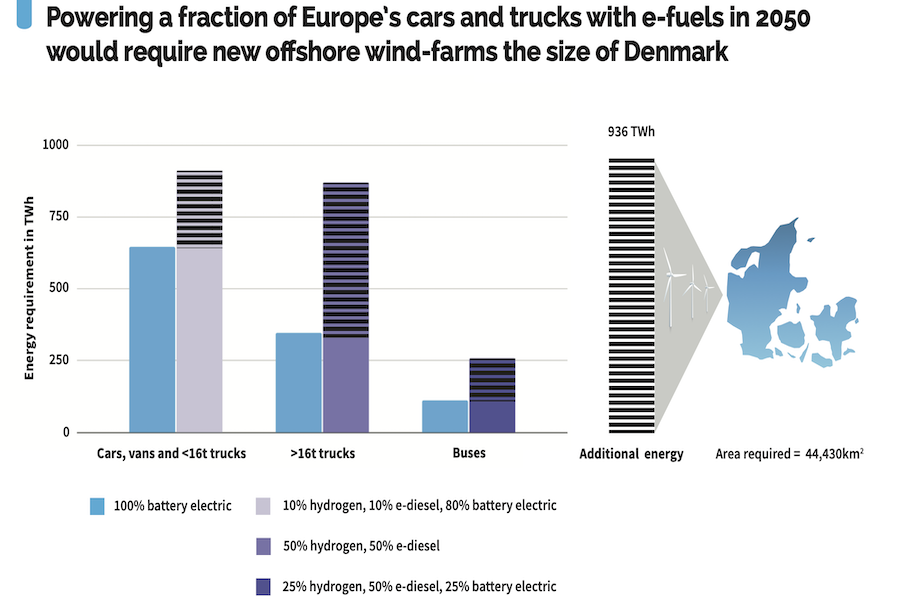
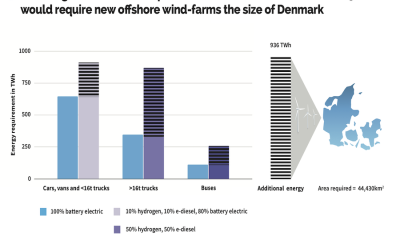

Study by Ricardo Energy & Environment finds electrofuels should be prioritised for ships and planes, most of which cannot use batteries to decarbonise, said T&E.
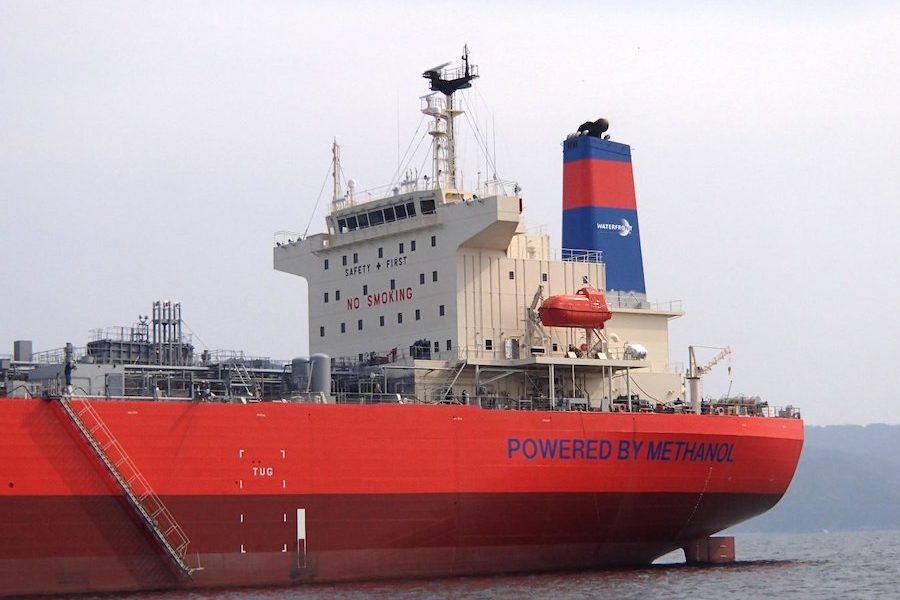

The eight, 49,999 deadweight tonne vessels will be built in South Korea at Hyundai Mipo Dockyard and delivered to WFS between 2021 and 2023.
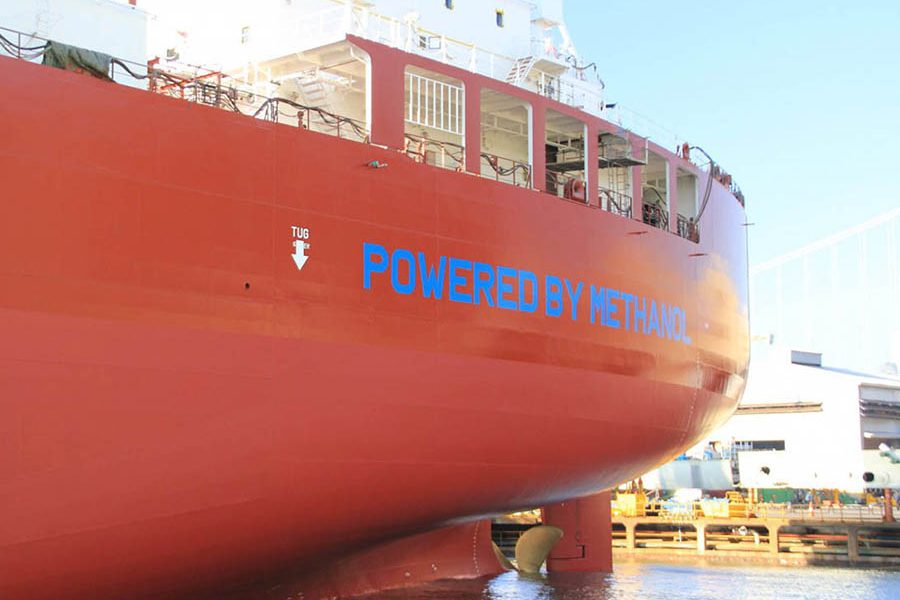

States can take action to avoid another decade of HFO use in the Arctic and mitigate black carbon risks from VLSFO by using methanol as bunker...

The alternative power source faces various hurdles ahead, but existing fuel suppliers should start taking note of the potential challenge, it said.
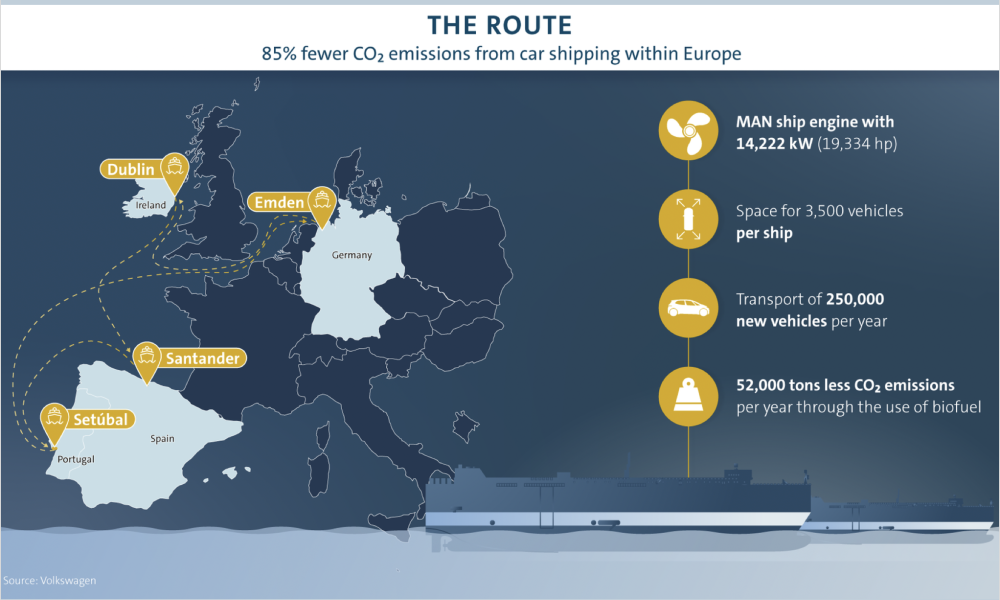

Bunkering for the first car freighter was conducted for the first time with the oil in mid-November 2020; bunkering for second ship is due to follow...
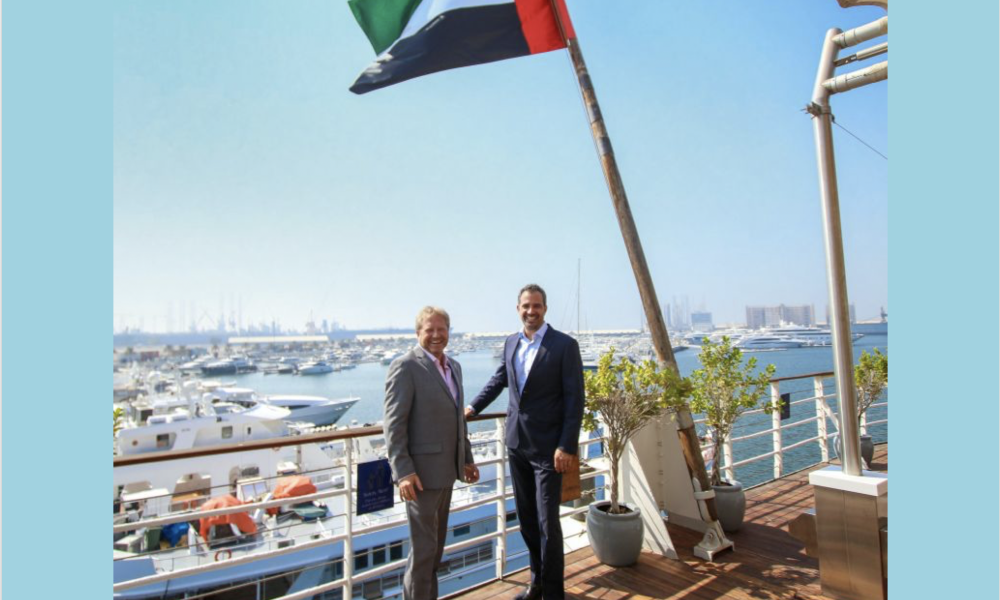

The two companies will blend UED’s VLSFO and Neutral Fuels’ biofuel, creating a bunker fuel that meets the ISO 8217:2010 RMG380 specification.


The free database includes location, capacity and ownership structure, and can be accessed on the Alternative Fuel Insight online platform operated by DNV GL.


