
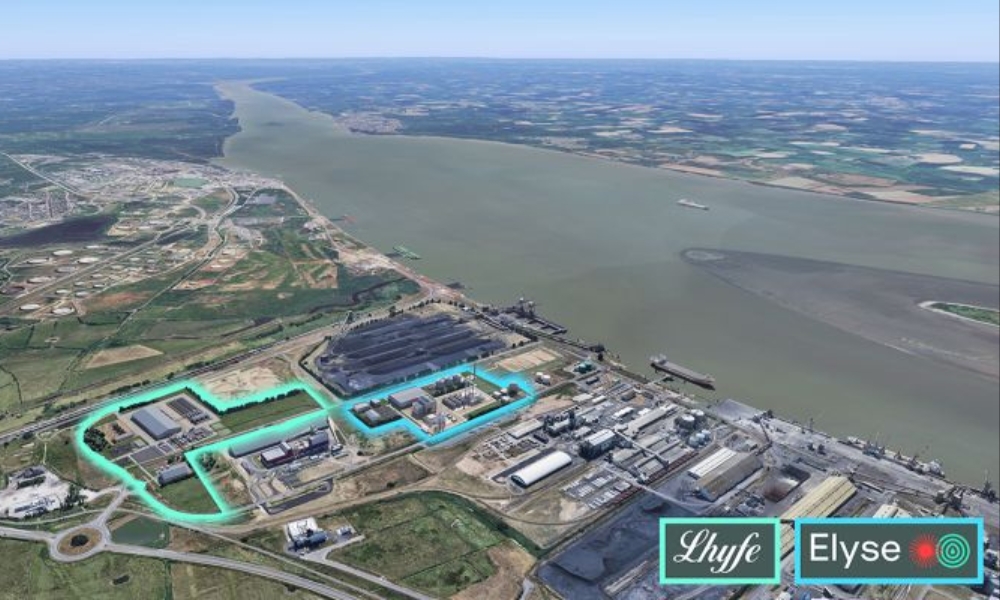

Both are currently studying the feasibility of producing e-methanol from Lhyfe’s green hydrogen to decarbonise maritime transport; conclusions of initial studies will be released in 2025.
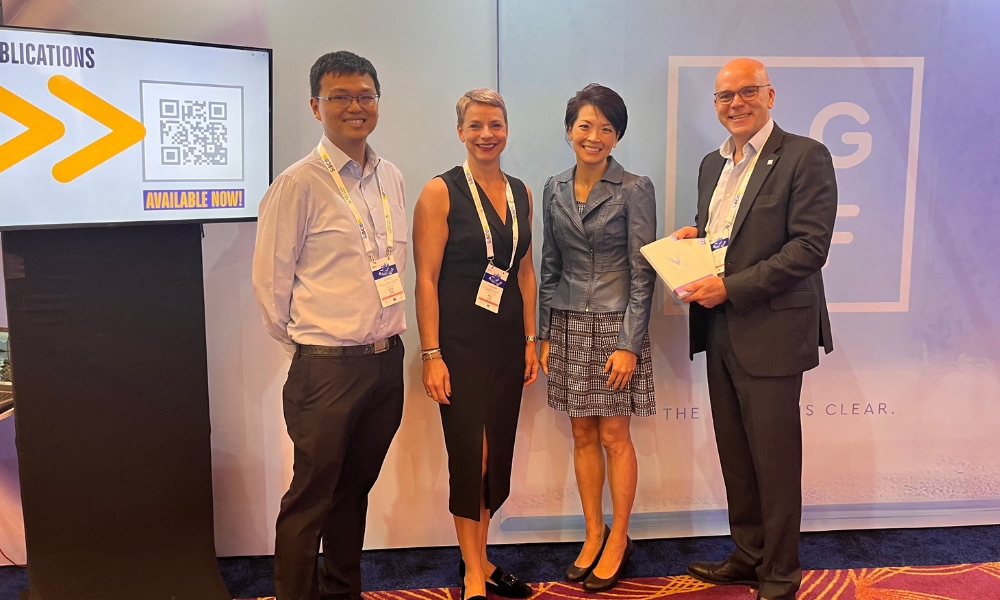

SFMF published Bunkering Guidelines for Ammonia and Bunkering Guidelines for Methanol, as well as Emergency Response Guide for Ammonia; also revealed new brand to reflect four...

CCC 10, which was held from 16 to 20 September, agreed on interim guidelines for use of ammonia as fuel and continued work on interim guidelines...

Firm guides offshore vessel owners on the upcoming EU requirements, including four essential questions every offshore shipowner should ask when preparing for the latest MRV requirements.
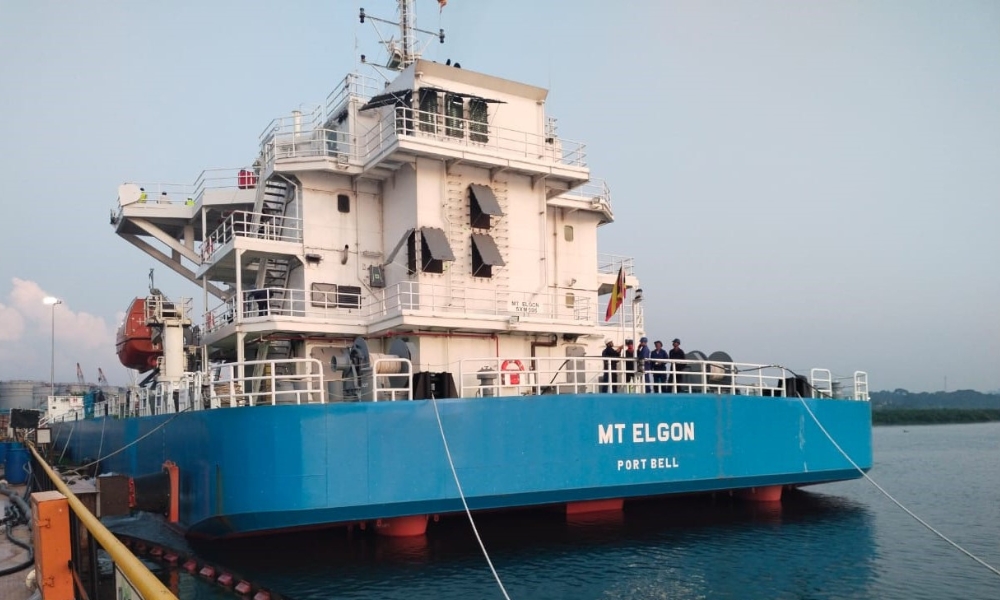

Mr. P.K. Mishra of Indian Register of Shipping, goes into details on new bunker fuels including challenges they pose on classification societies and expertise IRClass offers...
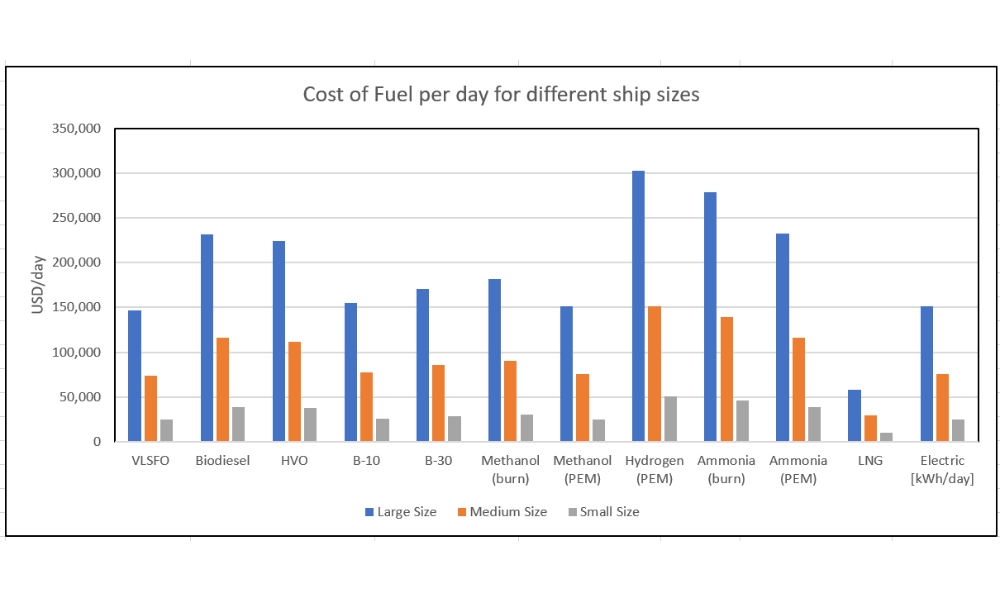
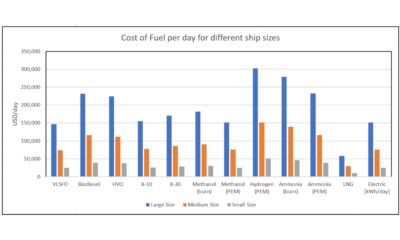

Study, authored by Eliseo Curcio of Blend Tiger, compared the viability of various alternative marine fuels across different ship sizes, ranging from largest ocean-going vessels to...

Flag state members of MTF are jointly submitting the report to the IMO to provide recommendations and offer a framework to consider when developing liquefied hydrogen...

Paul Cooper and Joanna Hughes from Gane Energy talk about advantages of using liquid methanol fuels in internal combustion engines and how fuel additives can help...
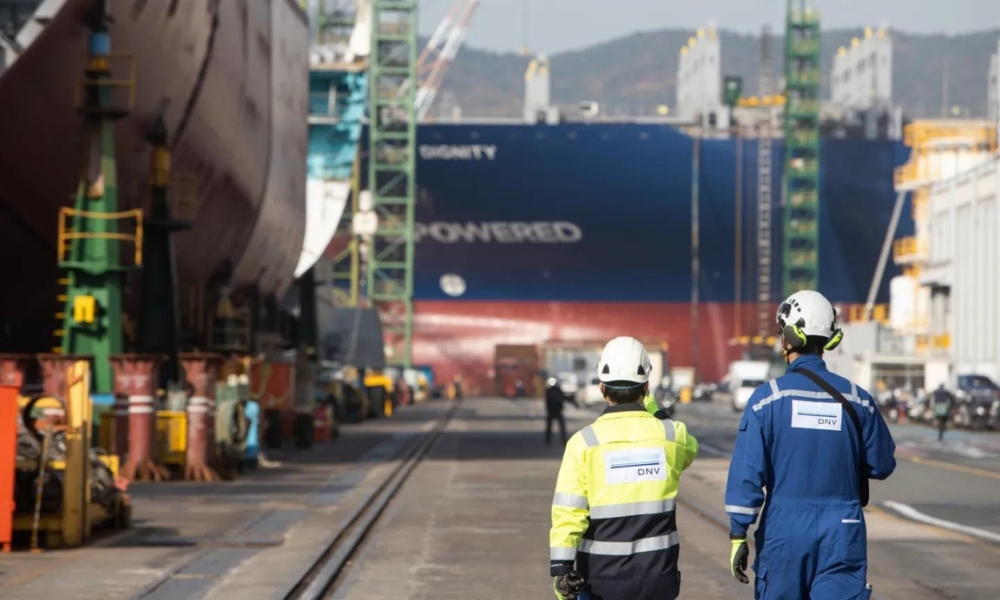

New in-operation class notations seek to bring clarity to the responsibilities of class customers for notations that have a mix of design and operational requirements.
Port will offer a 50% waiver on port dues only for vessels using green marine fuels such as LNG, ammonia, hydrogen or electrical power as their...


