
Alternative Fuels
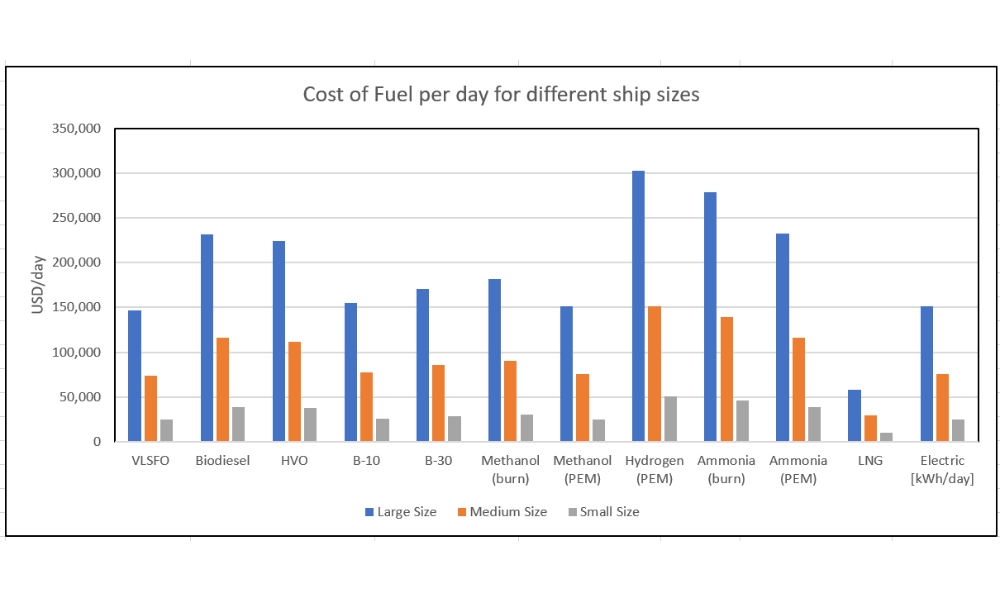
Blend Tiger research examines cost of alternative bunker fuels for different ship sizes
Study, authored by Eliseo Curcio of Blend Tiger, compared the viability of various alternative marine fuels across different ship sizes, ranging from largest ocean-going vessels to smaller, regional ships.

LNG Bunkering
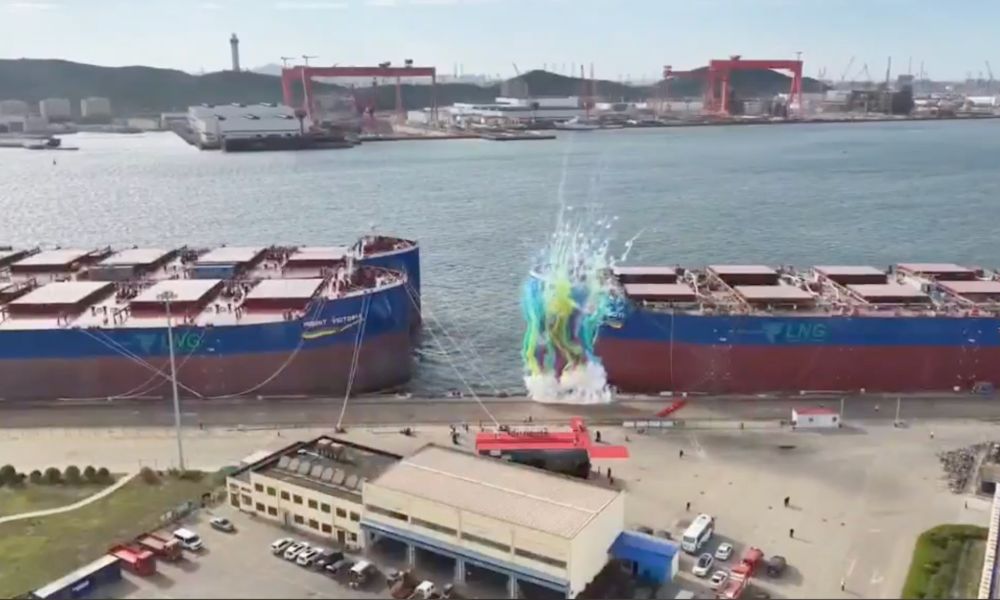
Singapore-based EPS takes delivery of three LNG dual-fuel bulk carriers
Three vessels are the third, fourth and fifth in the company’s series of 14 Newcastlemaxes being built at the yard, and were delivered five months ahead of their contracted delivery dates.
LNG Bunkering
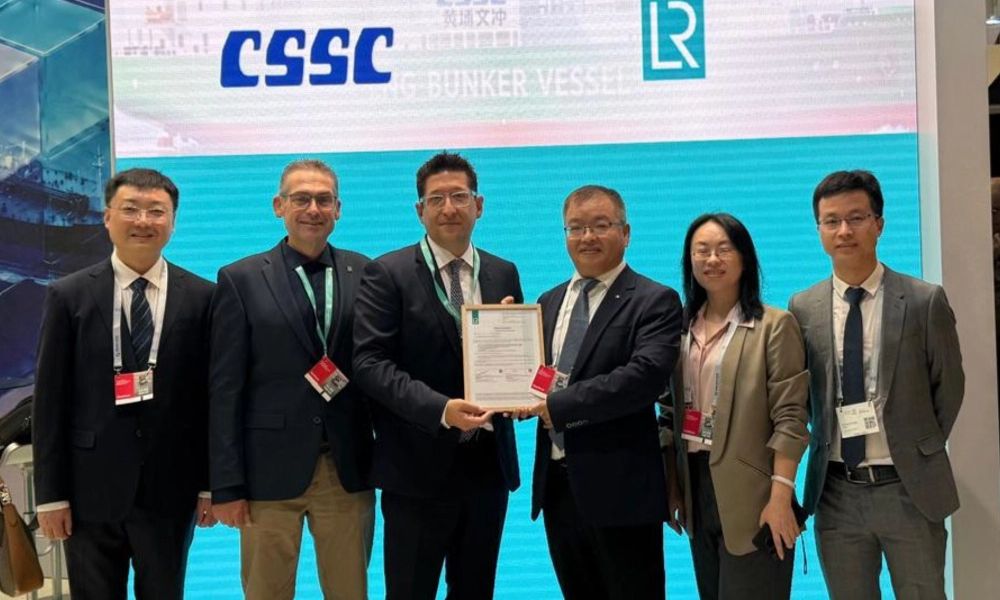
LR awards AiP to CSSC Huangpu Wenchong for 12,500 m³ LNG bunker vessel design
Vessel design incorporates Type C LNG cargo tanks and has been evaluated against a range of class notations covering gas operations, automation, environmental performance and cyber resilience.
Alternative Fuels
DNV at SMM: Chinese shipbuilders, European owners seek closer ties on alternative bunker fuels
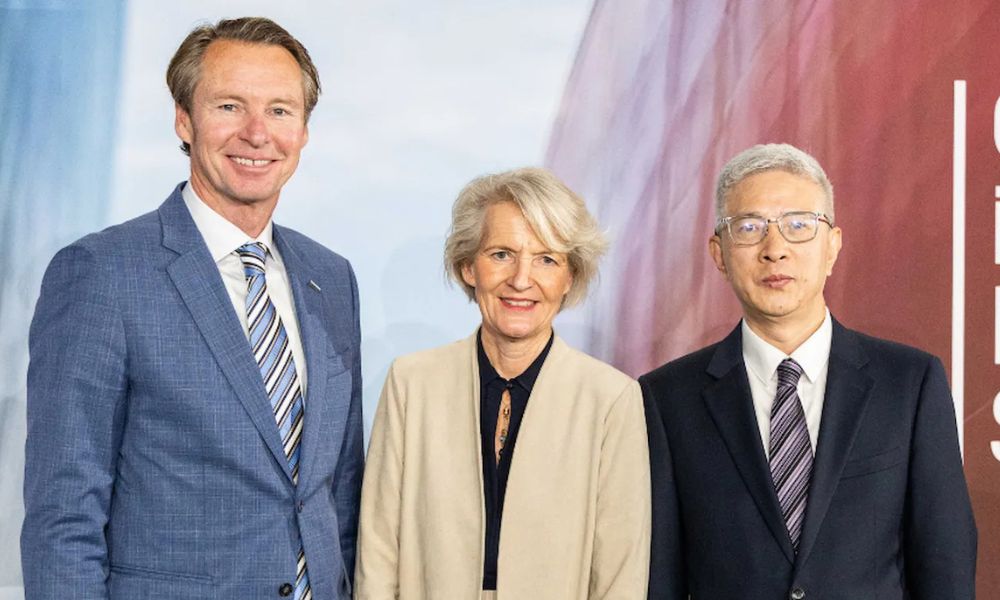
Chinese shipbuilders and European shipowners called for closer collaboration on vessel development, alternative fuels and digitalization during the inaugural China-Europe Maritime Summit at SMM 2026.

OUR INDUSTRY PARTNERS

Singapore: Liquidators of Nan Ho Maritime, Nan Xin Maritime issue notices of dividend

Singapore-based EPS takes delivery of three LNG dual-fuel bulk carriers

ISWG-GHG 22: IMO working group aims to present NZF text at MEPC 85

UCL on ISWG-GHG 22: Majority back GHG pricing, centralised fund in IMO NZF talks

LR awards AiP to CSSC Huangpu Wenchong for 12,500 m³ LNG bunker vessel design

DNV at SMM: Chinese shipbuilders, European owners seek closer ties on alternative bunker fuels

Auramarine: Marine fuel flexibility will be key to shipping’s energy transition

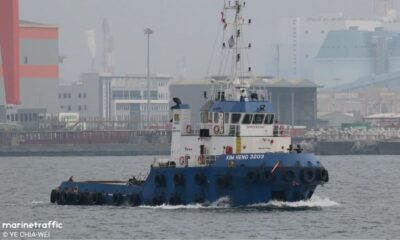
Singapore-flagged tugboat “Kim Heng 3203” placed under Sheriff’s arrest

US targets five bunker companies in latest sanctions campaign against Iran

China’s bunker market reshaped by tax rebates, trade flows and refining changes, says economist

Rajah & Tann: Bunker disputes are won in the first 48 hours

Hengli Petrochemical’s ex-Singapore trading arm faces winding up application

Report: GCMD outlines practical approach to quantity assurance in marine biofuel supply chains

Singapore: Notices of annual meeting issued for Vroon Shipping Asia and related firms
-
 Vessel Arrest2 weeks ago
Singapore-flagged tugboat “Kim Heng 3203” placed under Sheriff’s arrest
-
 Sanctions2 weeks ago
US targets five bunker companies in latest sanctions campaign against Iran
-
 Interview1 week ago
China’s bunker market reshaped by tax rebates, trade flows and refining changes, says economist
-
 Bunker Claim5 days ago
Rajah & Tann: Bunker disputes are won in the first 48 hours
-
 Winding up2 weeks ago
Hengli Petrochemical’s ex-Singapore trading arm faces winding up application
-
 Biofuel2 weeks ago
Report: GCMD outlines practical approach to quantity assurance in marine biofuel supply chains
-
 Winding up1 week ago
Singapore: Notices of annual meeting issued for Vroon Shipping Asia and related firms
-
 Alternative Fuels2 weeks ago
GEA to provide global ethanol fuel data for DNV’s AFI platform