

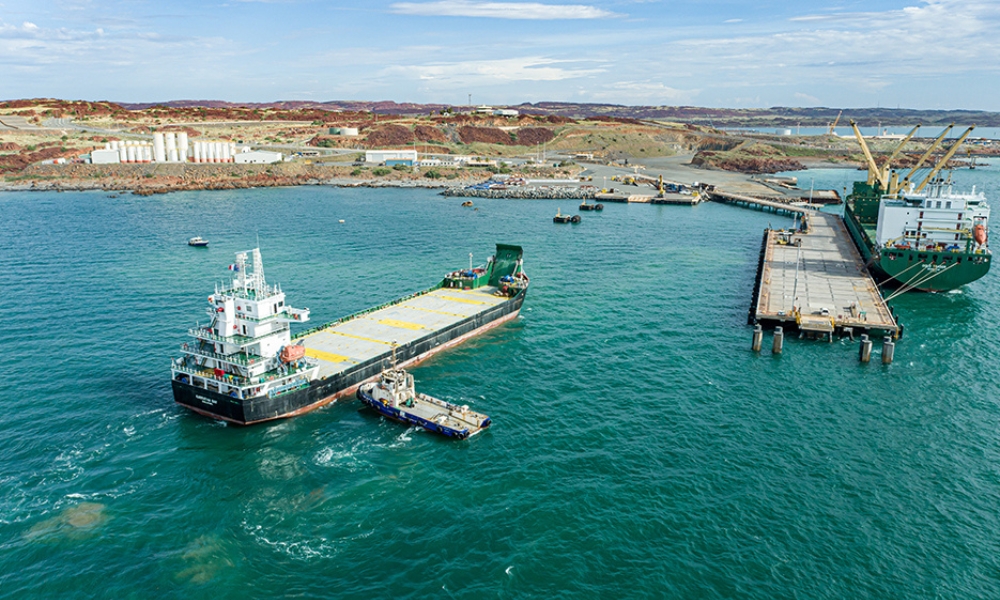

Study, commissioned by Yara and Pilbara Ports, was undertaken by Lloyds Register, and looked at key areas including the estimated demand and likely availability of ammonia...
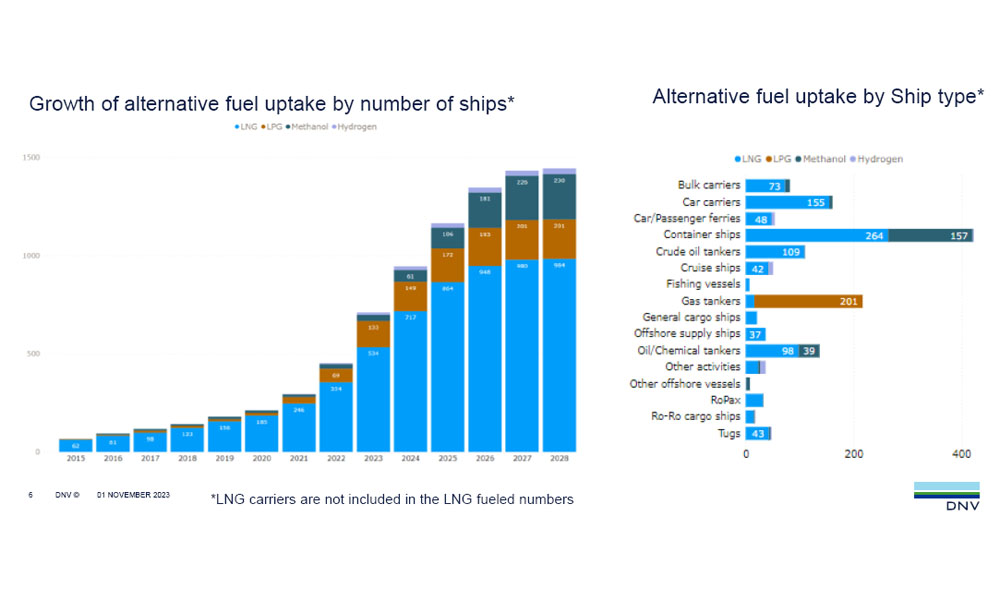

‘Finally, we have order confirmation on the first ocean going vessels with ammonia propulsion,’ exclaimed Martin Wold, Principal Consultant in DNV's Maritime Advisory business.
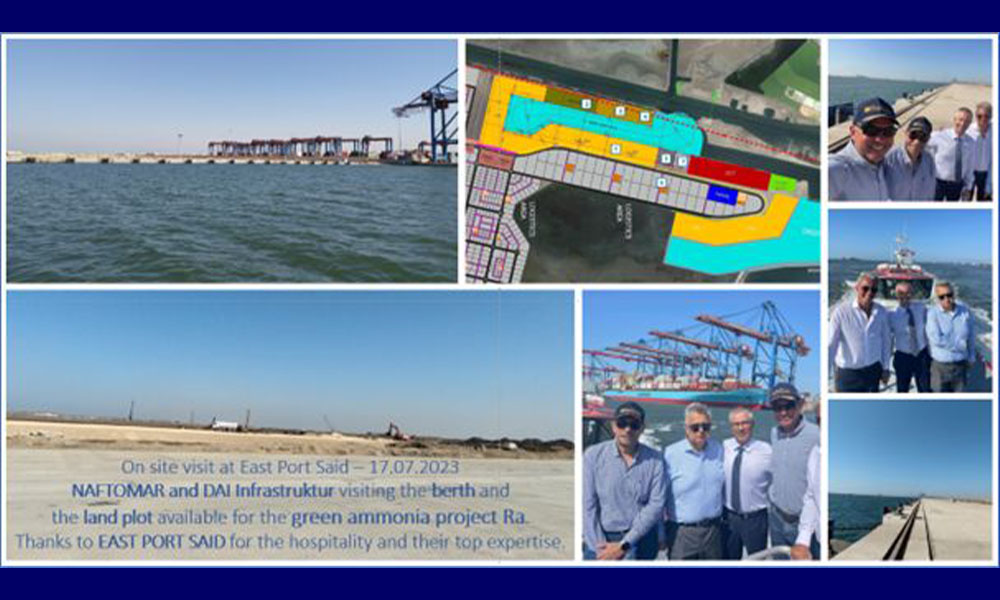

Green ammonia is intended to be sold to German and predominantly European off takers.
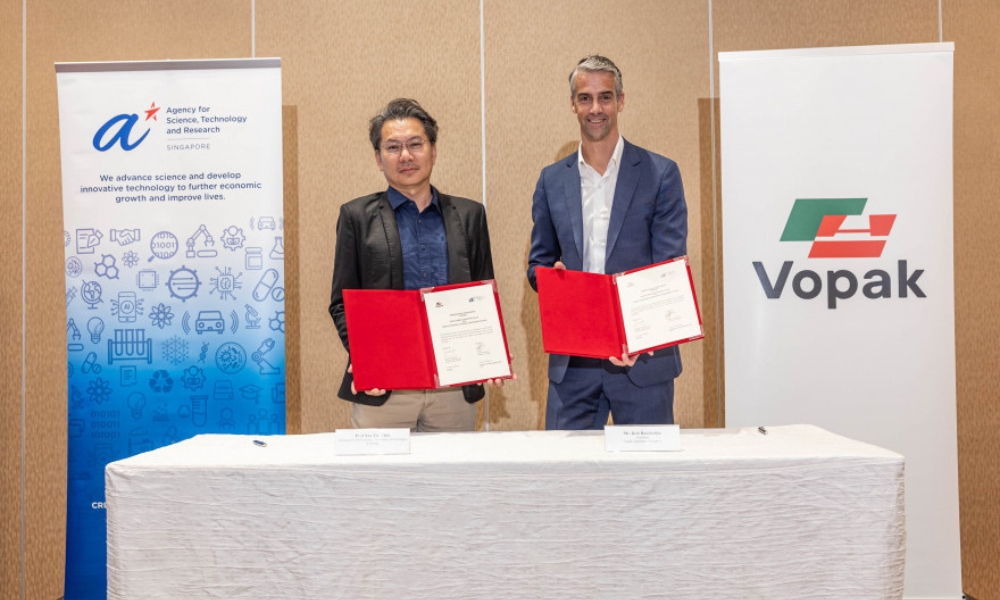

Both will research low carbon energy solutions, including addressing current challenges associated with hydrogen and ammonia, such as scalability, safety, storage and transportation.
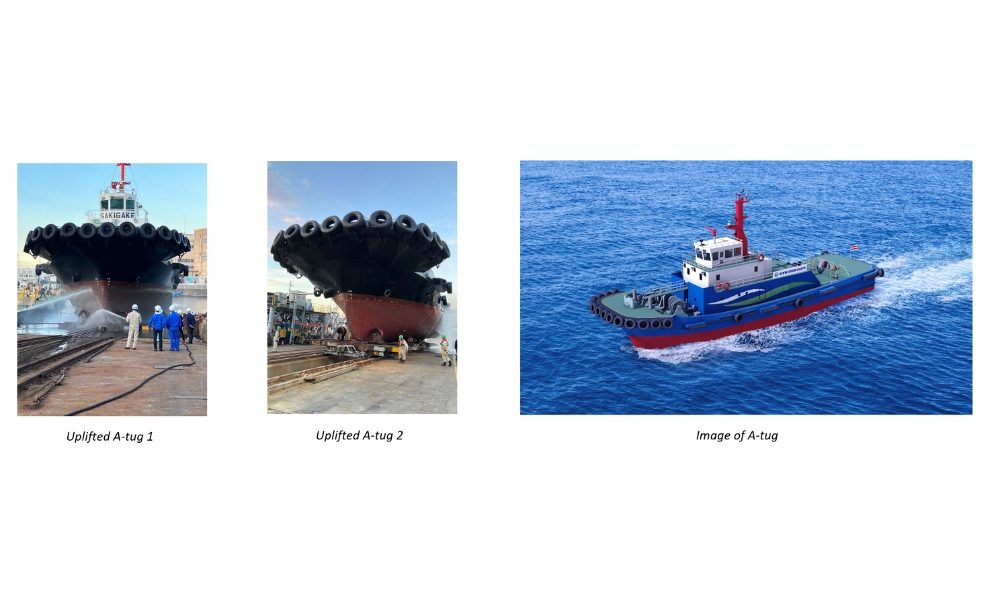
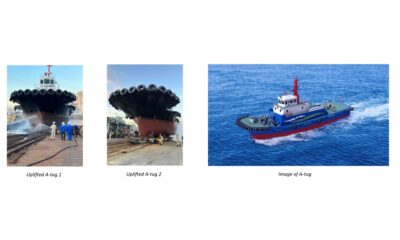

‘To replace the entire engine, including the main engine and fuel tank, the engine room will be cut to remove the existing LNG-fuelled equipment and install...

Silk Alliance members, including MPA, published a letter outlining key milestones and actions to achieve before the end of the decade to implement a green shipping...

Led by DNV, the Nordic Roadmap project brings together key stakeholders from across the Nordic region in comprehensively plotting a course for the transition to zero-emission...
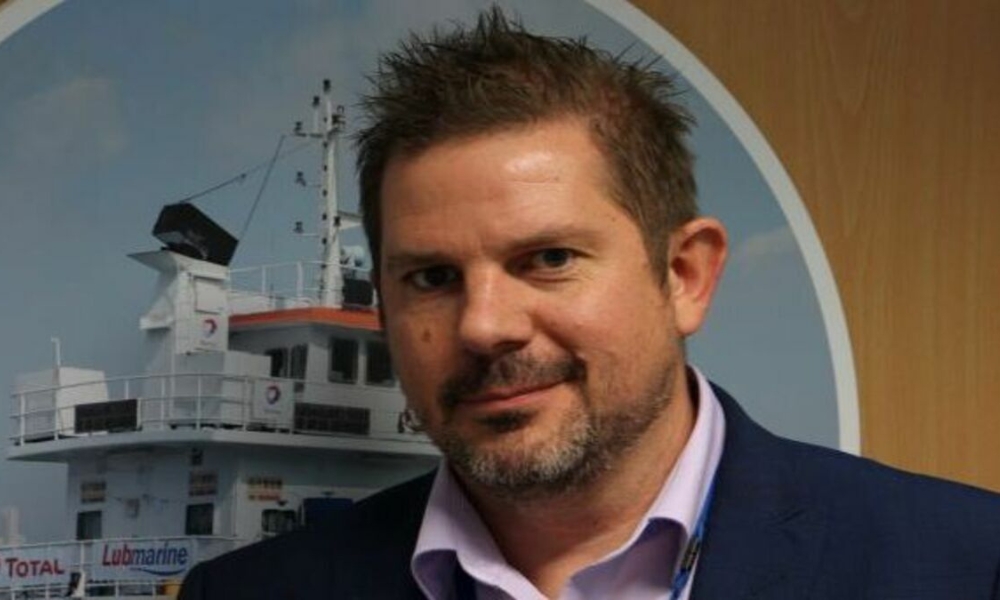

Ship owners and operators are going to have to make strategic fuel choices which will impact key components of the shipping industry including bunker fuel suppliers...

‘Our collaboration with Bunker Holding will ensure we benefit from their vast experience in operations, logistics, storage, and delivery of these maritime fuels to consumers,’ says...

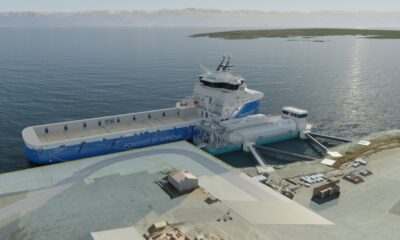

Investment made by Yara and Navigator is expected to enable Azane to begin construction of its first bunkering unit for ammonia supply in Norway aiming to...


