
Events
Singapore: It’s a wrap! Highlights from Sea Asia and SMW 2025
Manifold Times has compiled exclusive interviews and major bunker-related news announced at the events including the republic’s call for applications for methanol bunker supplier licences.

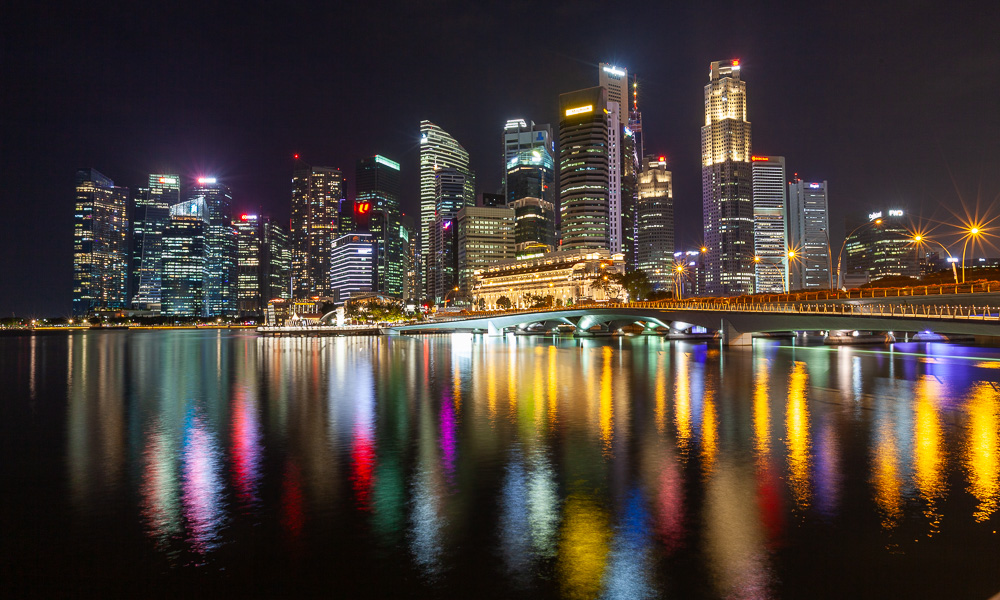
Singapore drew in mega crowds from the global shipping and maritime industries as they met at the Sea Asia and Singapore Maritime Week (SMW) 2025 in March.
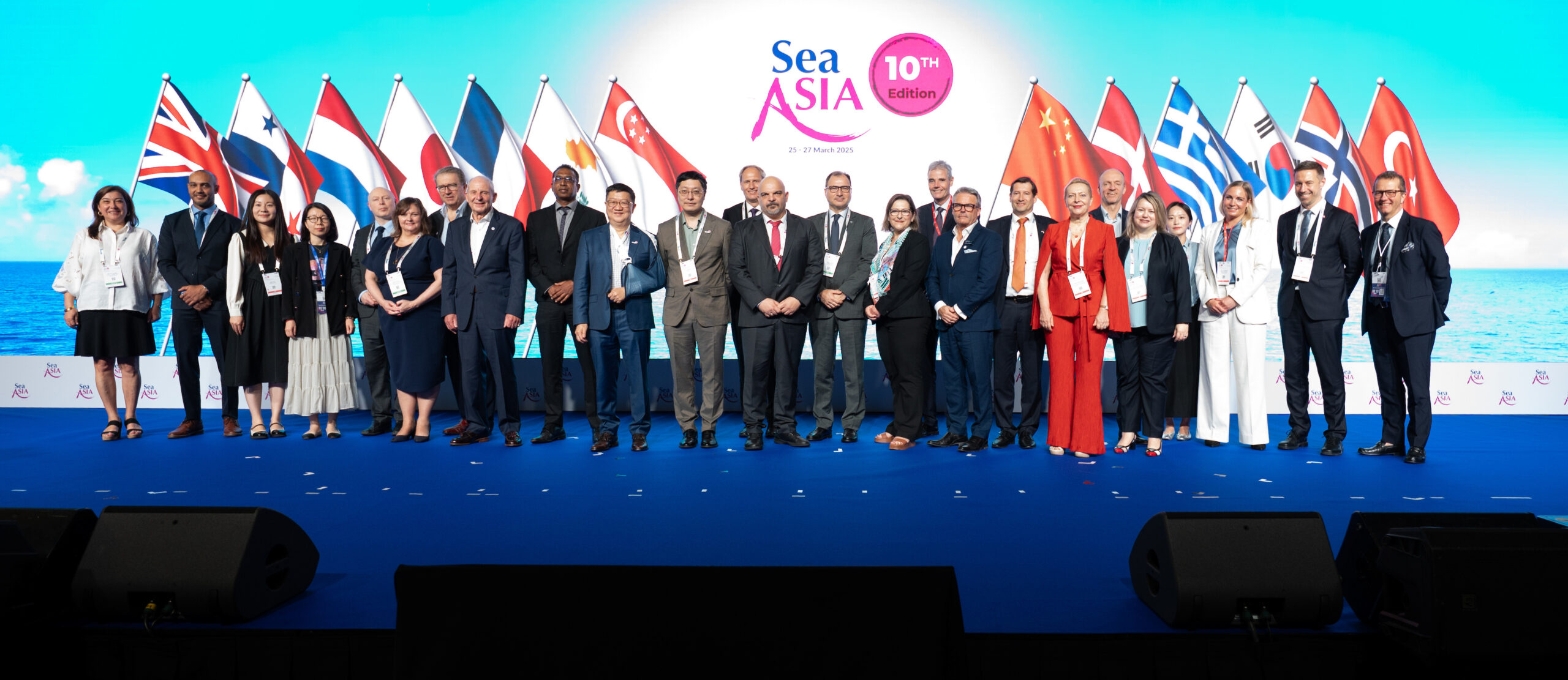
Sea Asia 2025 welcomed close to 21,000 attendees from across 92 countries and convened more than 500 exhibitors, providing attendees ungated access to 100 global speakers and 55 content sessions, according to organiser Informa Markets.
In its 10th edition, Sea Asia saw the international maritime industry hearing from leaders and pioneers, showcasing solutions covering energy efficiency, future fuels and AI applications, and announcing new products, services, collaborations and agreements across the three days.
Amid geopolitical uncertainty, the maritime and shipping industry is facing new trade patterns. Delegates at the Sea Asia Global Forum heard about the resilience of the maritime sector from Christopher J Wiernicki, the Chairman and CEO at American Bureau of Shipping (ABS) and from Mark Cameron, the Chief Operating Officer at Ardmore Shipping, on the importance of Singapore and wider South-East Asia as strong supporters of decarbonisation in shipping.
Illustrating the region’s progress, China has more than 1,000 projects already on ships to drive the green transformation, including the adoption of carbon capture and storage and green methanol projects. Discussions also extended to the financing landscape in shipping, which is largely dominated by Asian banks, as commented by Adam Kent, Managing Director at Maritime Strategies International in a shipbuilding focused panel.
Flexibility for a multi-fuel future
The challenges of the energy transition were a major focus on the second day of the event. Speakers addressed how to scale alternative fuels, create pathways for immediate decarbonisation, and upskill seafarers for a multi-fuel future. Rodrigo Bermelho, Global Head of Shipping and Distribution at Vale, explained how the company is embracing multiple pathways to ensure it keeps its options open for working with owners and charterers.
Captain Ashutosh Kumar, Deputy General Manager, Decarbonisation Projects at MOL (Asia Oceania), explained that the shipping company was conducting many pilot projects and considering its long-term goals, looking at a range of fuels that included methanol, ammonia and LNG. Information sharing and collaboration will be key as the industry progresses to 2030, and onward to 2050.
Highlighting this challenge, Claudene Sharp-Patel, Global Technical Director at Lloyd’s Register, commented that new ways of working would require digital integration with fuels and systems, a challenge that would require collaboration across the supply chain to understand the risks and mitigate them.
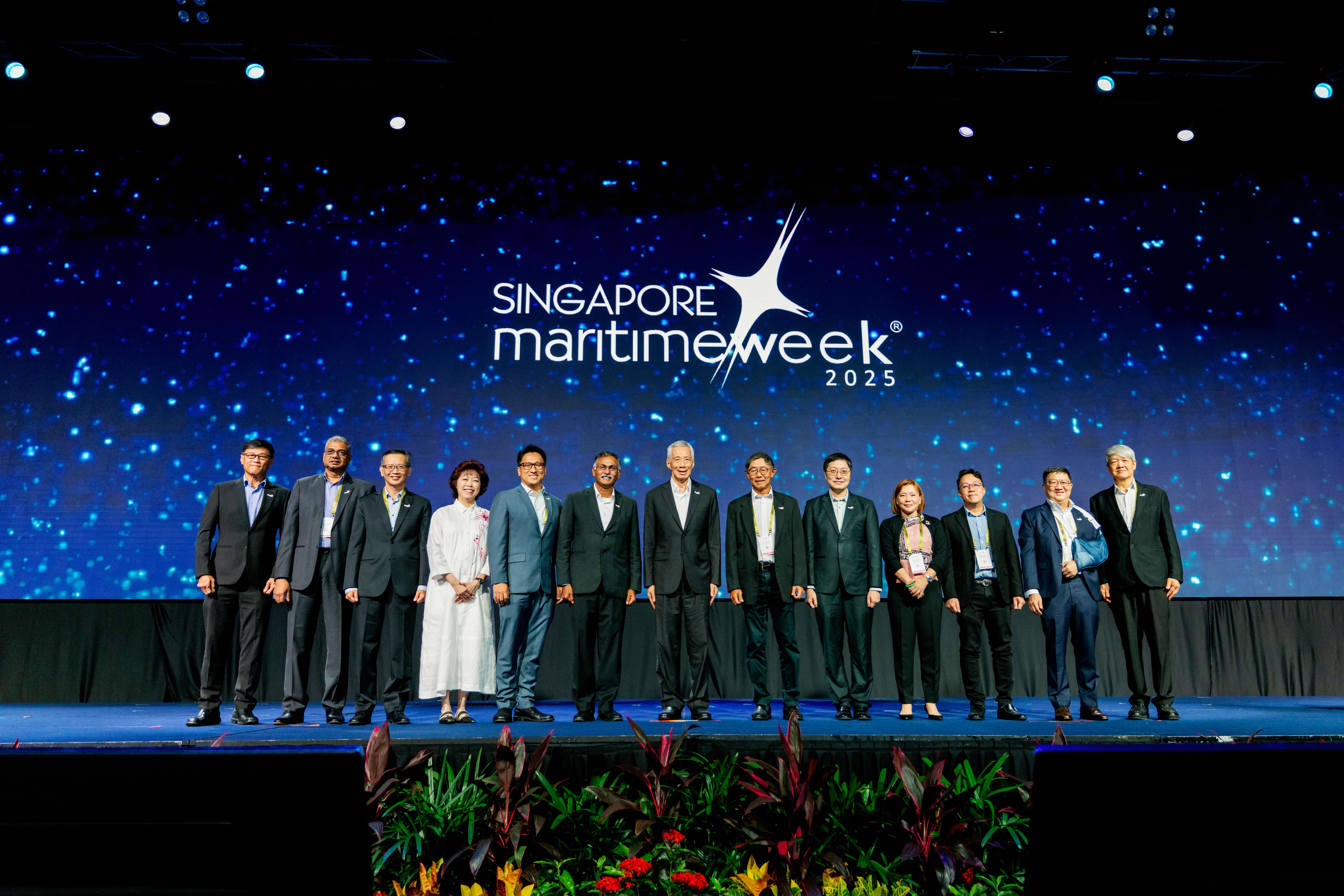
Meanwhile, this year’s Singapore Maritime Week (SMW) saw over 20,000 participants from 80 countries, close to 70 events, including 43 co-located events, an expanded trade exhibition with 200 exhibitors, and two exciting weekends of public outreach tours.
Themed ‘Actions Meet Ambition,’ SMW 2025 focused on decarbonisation, digitalisation, maritime services, and talent development.
Manifold Times was at the forefront of Sea Asia and SMW 2025 to provide extensive coverage on these mega events in the republic.
The following are the articles from Manifold Times on the events including significant bunker-related announcements made throughout the week:
Exclusive Interviews
S-100 data framework to revolutionise maritime navigation for bunkering operators and shipowners
OceanScore launches free-to-use digital platform to trade FuelEU biofuel compliance credits
U-Ming Marine navigates uncharted waters of sustainability within dry bulk sector
DNV expert highlights fragmented reality of shipping sector’s decarbonisation journey
Hecla: World’s first ever tokenised FuelEU compliance deficit/surplus trade by month-end
Singapore progresses on methanol bunkering with latest TR 129 and ISO 6583 meeting
Key announcements and panel discussions
TotalEnergies asserts role of LNG within marine fuel mix for maritime decarbonisation
SMW 2025: ZeroNorth highlights critical links between data quality and maritime energy transition
SMW 2025: BAR Technologies sees surge in enquiries from shipowners on wind propulsion
SMW 2025: MPA and Dalian Maritime University to partner on joint maritime training
SMW 2025: Maritime drone training for ship emission monitoring to be established
SMW 2025: Geospatial tools to be explored for port operations including bunkering
SMW 2025: MPA unveils maritime digital platform for alternative bunker fuels training
SMW 2025: Wärtsilä to introduce methanol, ammonia PAC simulation model in Singapore
SMW 2025: DNV awards AiP to MARIC for ammonia-ready Kamsarmax bulk carrier
SMW 2025: MPA and NUS Enterprise renew partnership on PIER71™ collaboration
SMW 2025: MPA reveals key requirements for methanol bunkering licence
SMW 2025: Coastal Sustainability Alliance inks LOIs for Singapore’s largest electric supply boat
SMW 2025: Australia and Singapore to fund research projects on maritime emissions reduction
SMW 2025: PIL and ABS to partner on maritime operations and decarbonisation technologies
SMW 2025: DNV releases new Recommended Practice for testing performance of WAPS
SMW 2025: MPA seeks methanol bunker supplier licence applications in Singapore
SMW 2025: Singapore publishes new technical reference for charging electric harbour craft
SMW 2025: Rotterdam, Singapore plan to conduct more bunkering trials of alternative fuels
SMW 2025: ABS to establish Singapore centre for alternative bunker fuels training
SMW 2025: Singapore and India to partner on maritime digitalisation and decarbonisation
SMW 2025: Singapore to launch new standard for electric harbour craft this week
Photo credit (first photo): Manifold Times
Photo credit (second photo): Informa Markets
Photo credit (third photo): Maritime and Port Authority of Singapore
Published: 10 April, 2025
Alternative Fuels
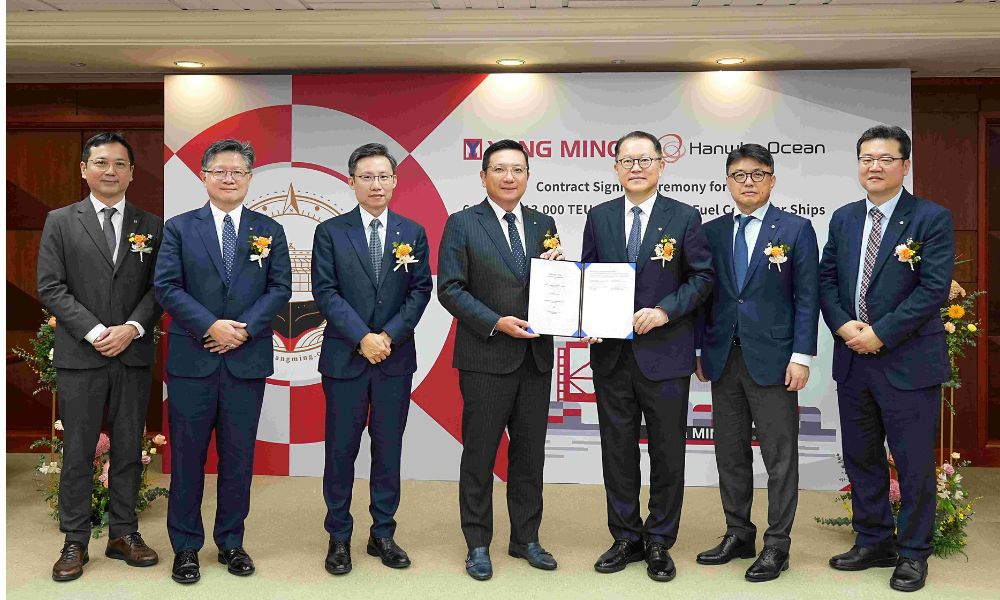
Yang Ming orders six LNG dual-fuel, ammonia-ready containerships from Hanwha Ocean
Each of the six new vessels will have a capacity of up to 13,650 TEU and feature LNG dual-fuel propulsion and Ammonia Fuel Ready specifications.
Alternative Fuels
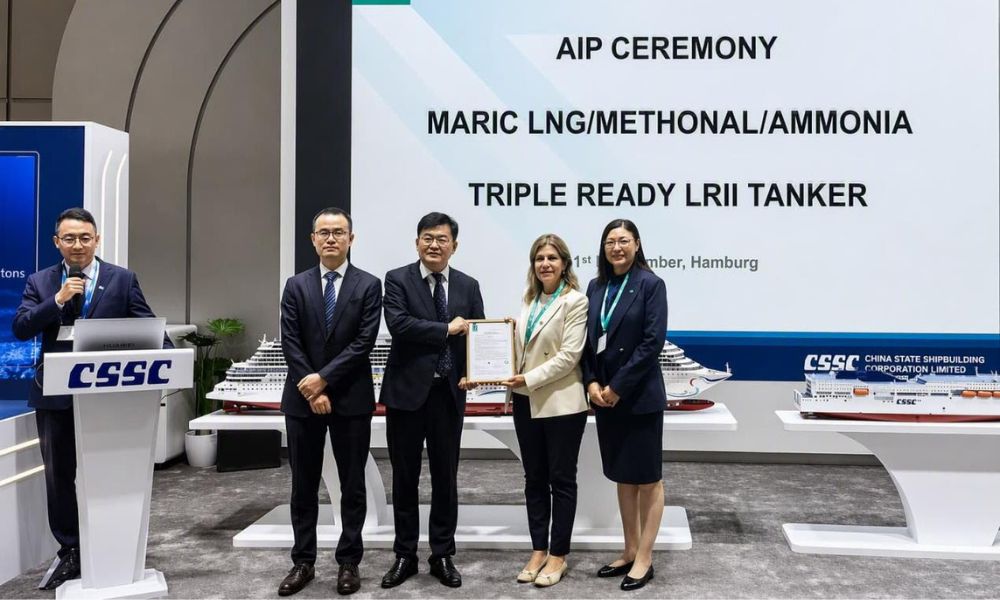
LR, China’s MARIC unveil tanker concept ready for three future bunker fuels
Both secured AiP for a new 114,000 DWT product and crude oil tanker designed to accommodate future conversion to LNG, methanol or ammonia.
Alternative Fuels
DNV: Alternative-fuelled vessel orders hit highest monthly level since October 2024
LNG-fuelled vessels accounted for the vast majority of August activity while the strong summer performance marked a significant acceleration in ordering activity after a relatively slow start to the year.
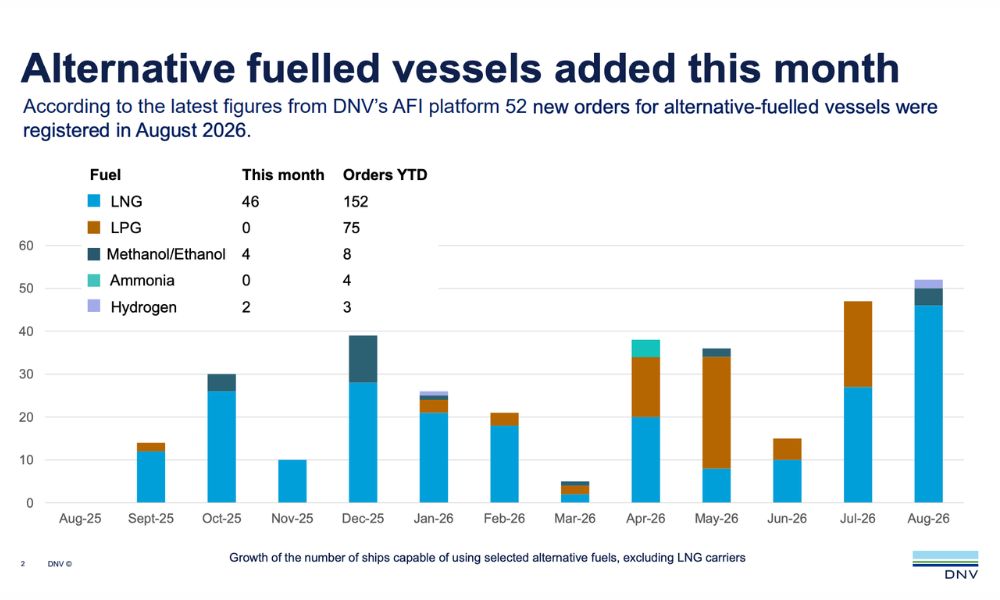
Latest data from classification society DNV’s Alternative Fuels Insight (AFI) platform alternative-fuelled vessel ordering was strong in August, with 52 new vessels added to the platform.
This is the highest monthly total since October 2024 and follows another active month in July, when 47 vessels were added to the database.
LNG-fuelled vessels accounted for the vast majority of August activity, with 46 orders recorded. The container segment led the way with 30 orders, while the car carrier segment contributed a further 12 LNG-fuelled vessels. In addition, four ethanol-fuelled bulk carriers and two hydrogen-powered bulk carriers were added during the month, as well as one LNG bunker vessel.
The strong summer performance marked a significant acceleration in ordering activity after a relatively slow start to the year. In total, 242 alternative-fuelled vessel orders have been placed in the first eight months of 2026, representing a 27% increase compared with the same period in 2025.
LNG remains the dominant fuel choice, accounting for 63% of all alternative-fuelled vessel orders registered so far this year. Container vessels represent the largest share of these LNG orders (59%), followed by car carriers (30%).
Jason Stefanatos, Global Decarbonization Director at DNV Maritime, said: “The past two months have been particularly strong for alternative-fuelled vessel ordering, with August recording the highest monthly total we’ve seen since October 2024. This has helped lift year-to-date orders to a level well above the same period last year.
“LNG remains the leading fuel choice, driven largely by activity in the container and car carrier segments. These sectors have been among the earliest adopters of alternative fuels, supported by predictable liner operations and increasing demand from cargo owners to reduce emissions across supply chains.
“For many owners, LNG offers a combination of emissions reductions, fuel availability and future flexibility while the longer-term fuel landscape continues to evolve.
“At the same time, the latest figures include orders for ethanol- and hydrogen-fuelled vessels, highlighting that owners continue to explore a range of decarbonization pathways. Different segments are making different fuel choices, but the overall level of activity demonstrates continued investment in lower-emission shipping.”
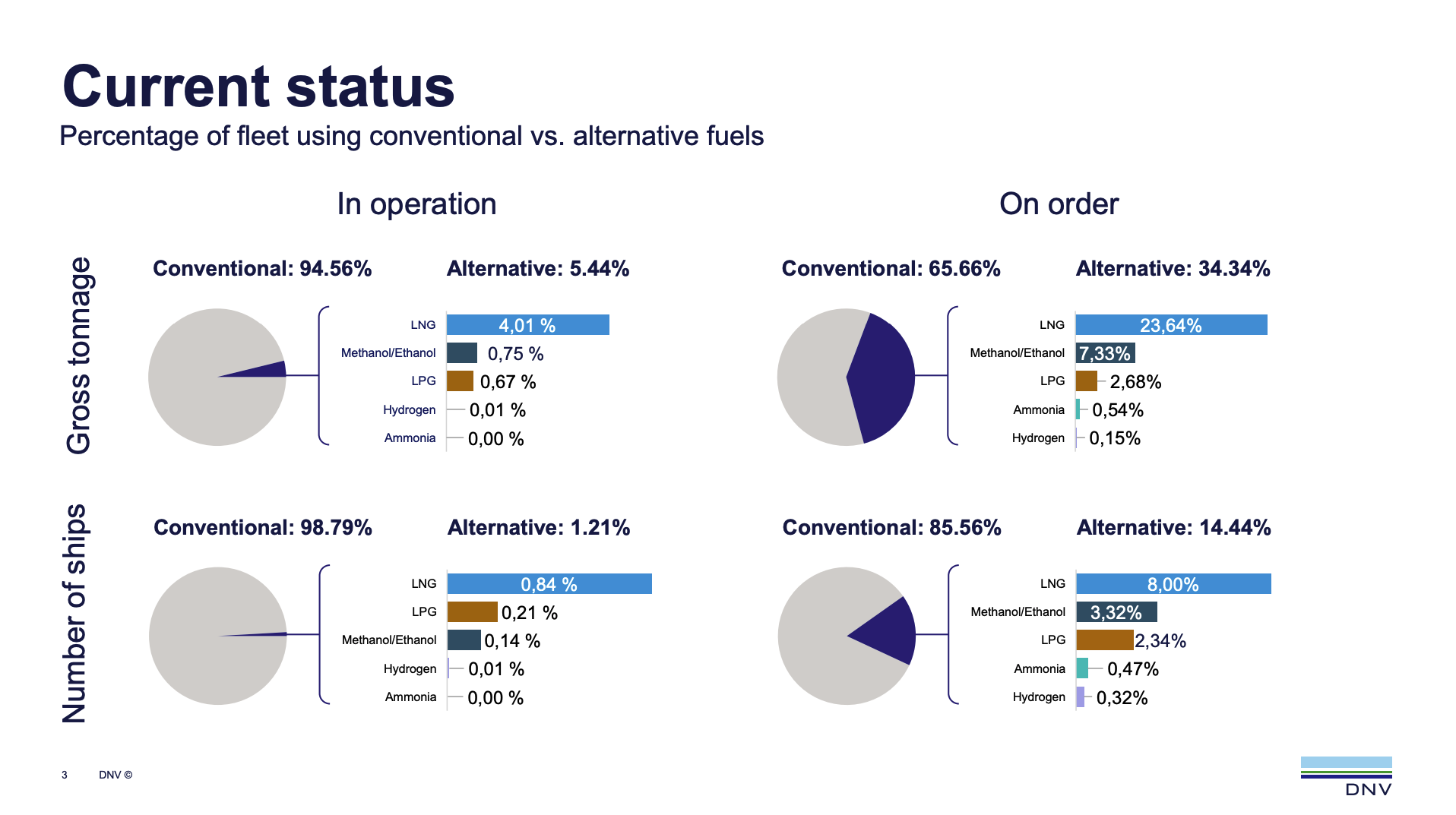
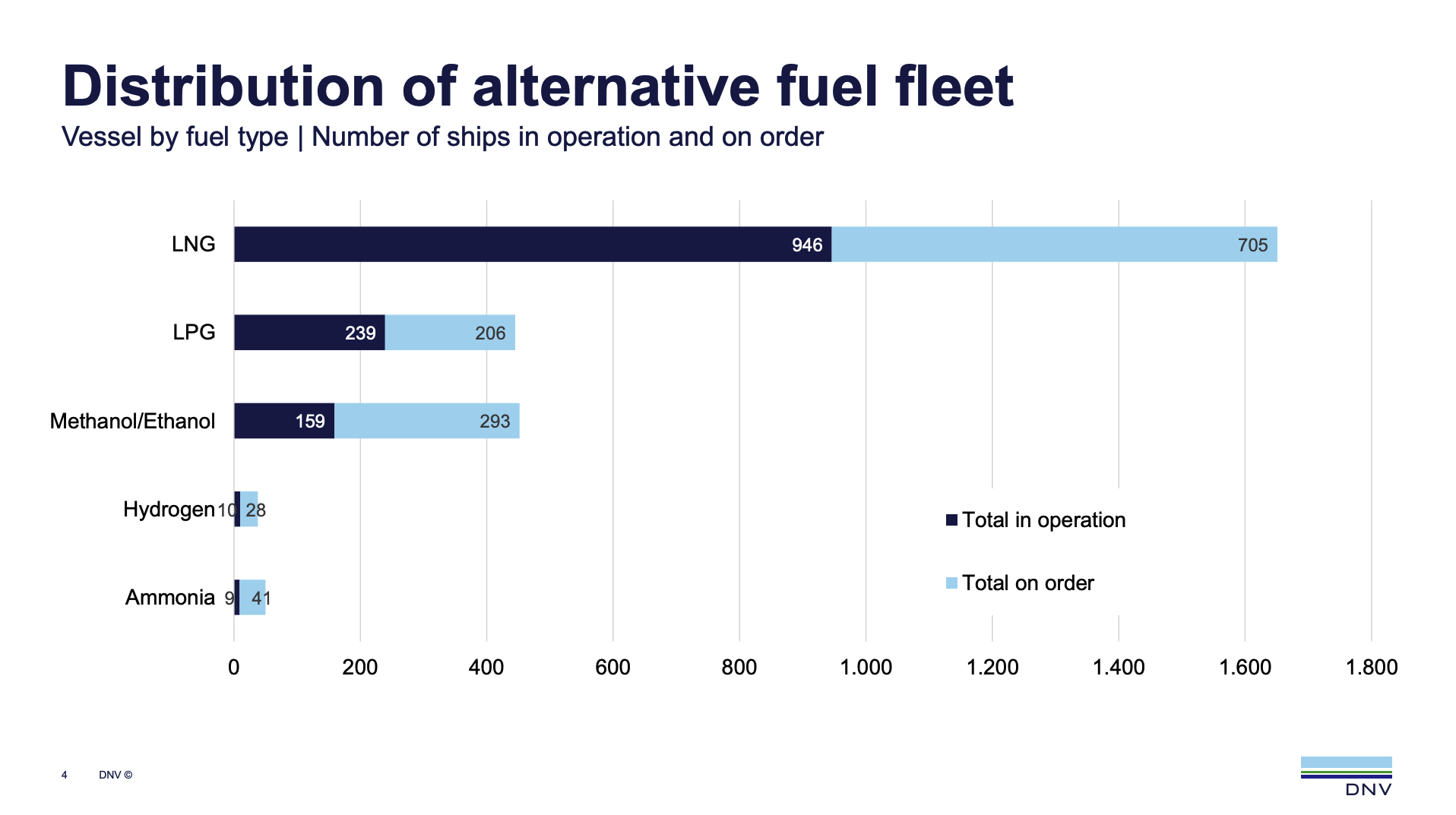
Photo credit: DNV
Published: 4 September, 2026

OUR INDUSTRY PARTNERS

Yang Ming orders six LNG dual-fuel, ammonia-ready containerships from Hanwha Ocean

LR, China’s MARIC unveil tanker concept ready for three future bunker fuels

DNV: Alternative-fuelled vessel orders hit highest monthly level since October 2024

TFG Marine advances global MFM rollout with two US Gulf bunker barges

GENA Solutions: Total renewable and low-carbon methanol project pipeline increases from 61.8 to 62.2 Mt by 2032

Baltic Exchange: Bunker Report (3 September 2026)

ENGINE: Americas Fuel Availability Outlook (3 September 2026)

Singapore-flagged tugboat “Kim Heng 3203” placed under Sheriff’s arrest

US targets five bunker companies in latest sanctions campaign against Iran

Singapore bunkering community supports Living Hope Evangelism’s 7th anniversary outreach for residents in need

China’s bunker market reshaped by tax rebates, trade flows and refining changes, says economist

Hengli Petrochemical’s ex-Singapore trading arm faces winding up application

Rajah & Tann: Bunker disputes are won in the first 48 hours

Report: GCMD outlines practical approach to quantity assurance in marine biofuel supply chains
-
 Vessel Arrest2 weeks ago
Singapore-flagged tugboat “Kim Heng 3203” placed under Sheriff’s arrest
-
 Sanctions2 weeks ago
US targets five bunker companies in latest sanctions campaign against Iran
-
 Events2 weeks ago
Singapore bunkering community supports Living Hope Evangelism’s 7th anniversary outreach for residents in need
-
 Interview1 week ago
China’s bunker market reshaped by tax rebates, trade flows and refining changes, says economist
-
 Winding up2 weeks ago
Hengli Petrochemical’s ex-Singapore trading arm faces winding up application
-
 Bunker Claim5 days ago
Rajah & Tann: Bunker disputes are won in the first 48 hours
-
 Biofuel2 weeks ago
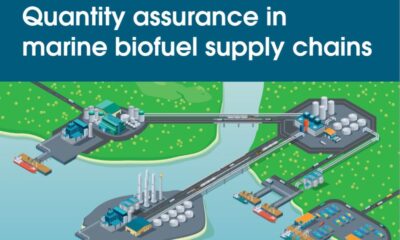
Report: GCMD outlines practical approach to quantity assurance in marine biofuel supply chains
-

 Winding up1 week ago
Singapore: Notices of annual meeting issued for Vroon Shipping Asia and related firms