
Alternative Fuels
DNV: Alternative-fuelled ship orders rebound in April after early-year lull
‘After a slow start to the year, it is encouraging to see an uptick in orders for alternative-fuelled vessels in April, says Jason Stefanatos, Global Decarbonization Director at DNV Maritime.

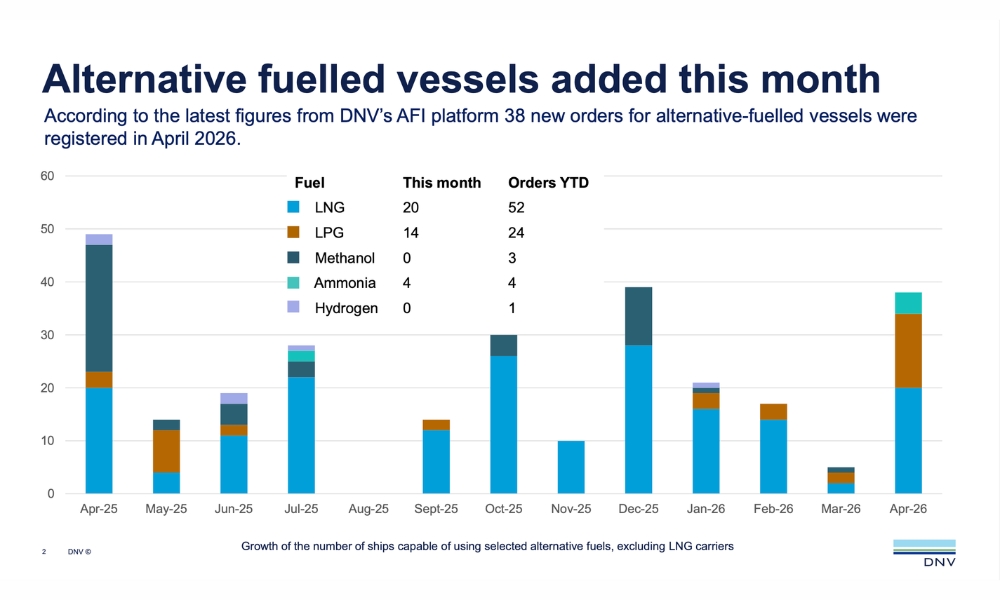
Latest data from classification society DNV’s Alternative Fuels Insight (AFI) platform showed a total of 38 new orders for alternative-fuelled vessels were placed in April 2026.
The majority of these orders (20) were for LNG-fuelled vessels. Eight of these were for vessels in the car carrier segment, six for container vessels, four for crude oil tankers, and two for cruise vessels.
A further 14 orders were placed for LPG/ethane carriers.
The remaining four orders were for ammonia-fuelled vessels in the bulk carrier segment. A total of 83 orders for alternative-fuelled vessels have been ordered in the first four months of 2026.
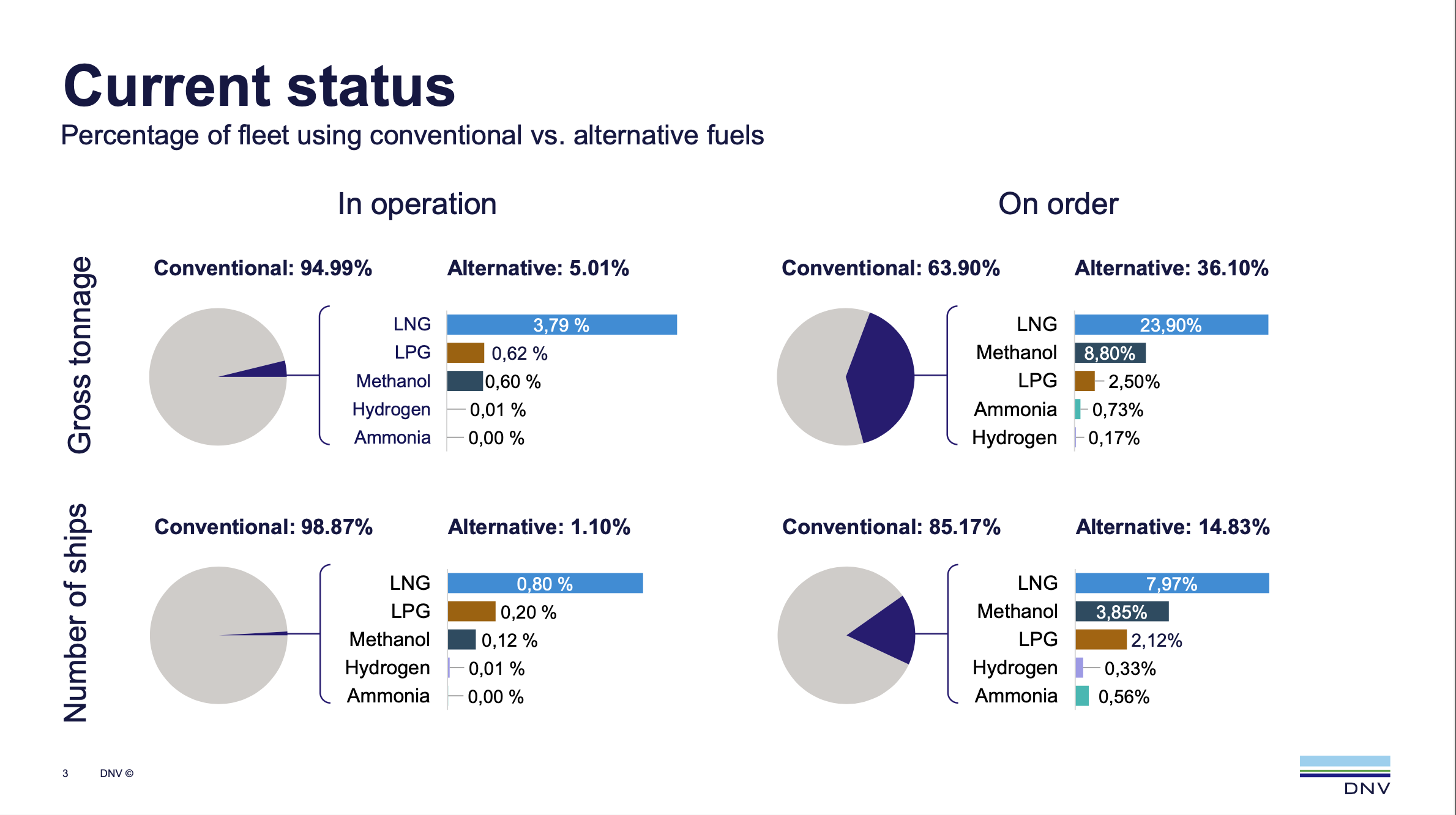
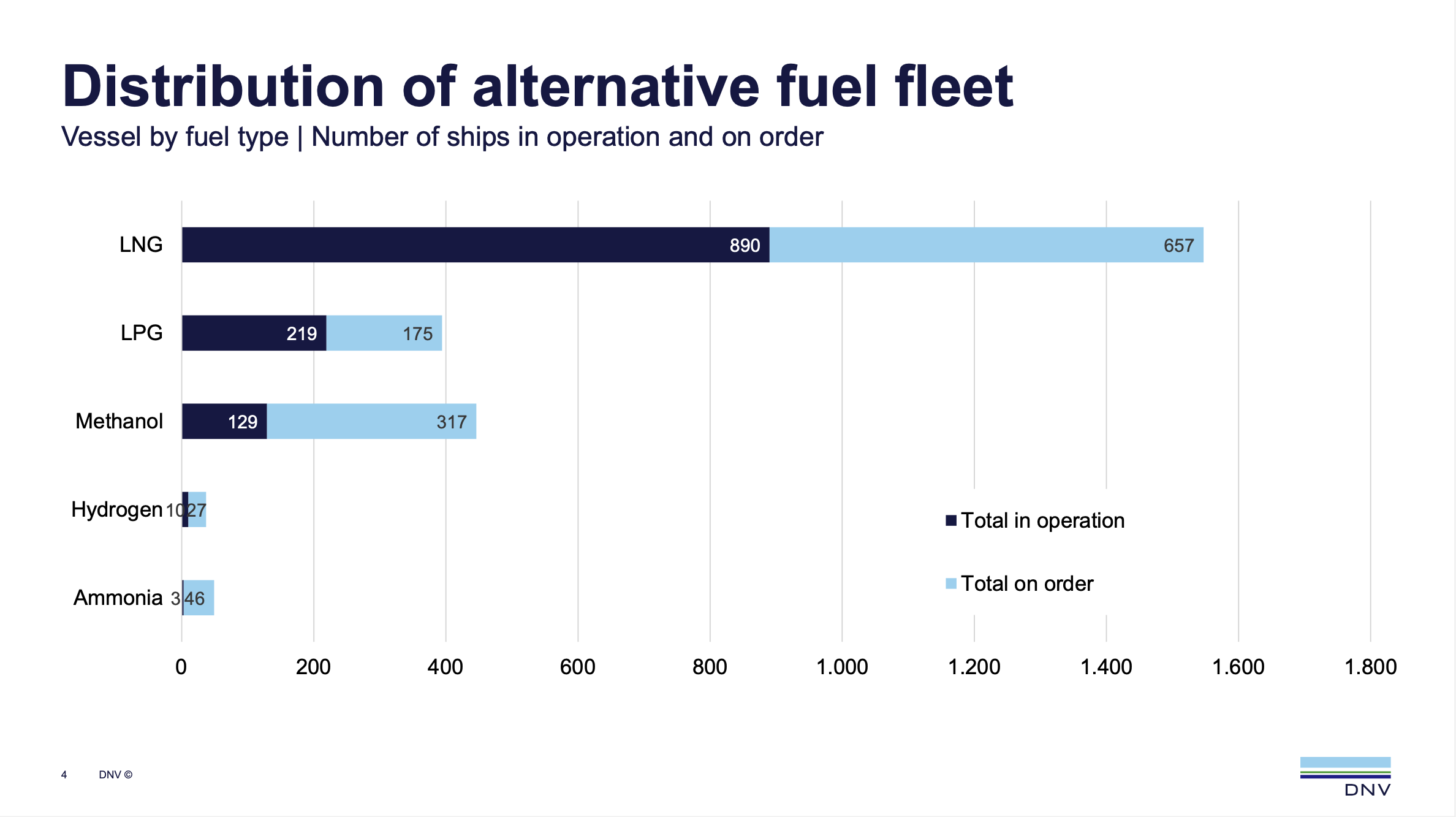
Jason Stefanatos, Global Decarbonization Director at DNV Maritime, said: “After a slow start to the year, it is encouraging to see an uptick in orders for alternative-fuelled vessels in April. While the broader trend towards LNG remains evident in the data, it is also interesting to see a wider spread among the segments this month, with notable uptake in the tanker and cruise segments.
“The ordering of four ammonia-fuelled vessels in the bulker segment also stands out. While ammonia is still at an early stage as a marine fuel, projects like this – and the operational experience gained from them – are essential for moving the industry from concept to capability and taking practical steps towards wider adoption.”
Photo credit: DNV
Published: 6 May, 2026
Alternative Fuels
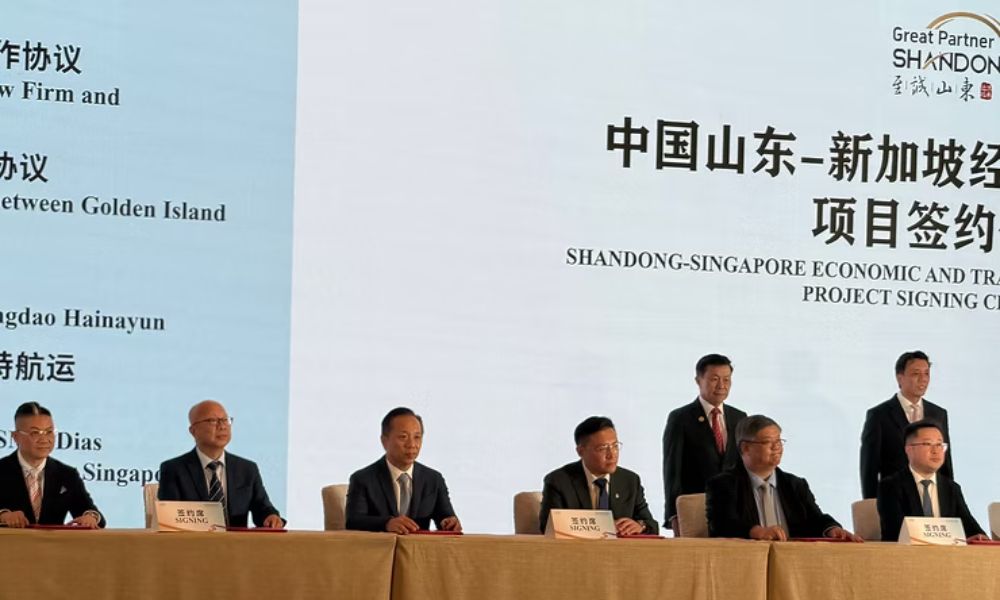
Singapore-based Golden Island, Qingdao Port team up on alternative bunker fuels
Agreement covers green methanol, green ammonia and bio-LNG, with cooperation spanning fuel production and transportation through to storage, sales and bunkering.
Ammonia
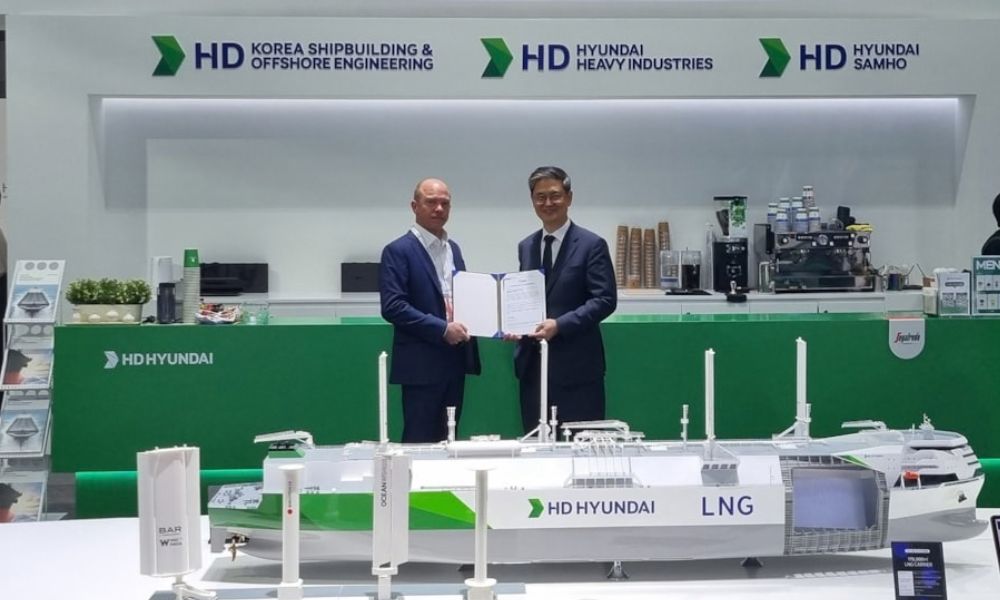
HD HHI and HD KSOE secure ABS AiP for ammonia bunkering vessel design
ABS awarded approval in principle for the basic design of a 22,000 CBM bunkering vessel capable of supplying ammonia as marine fuel.
Alternative Fuels
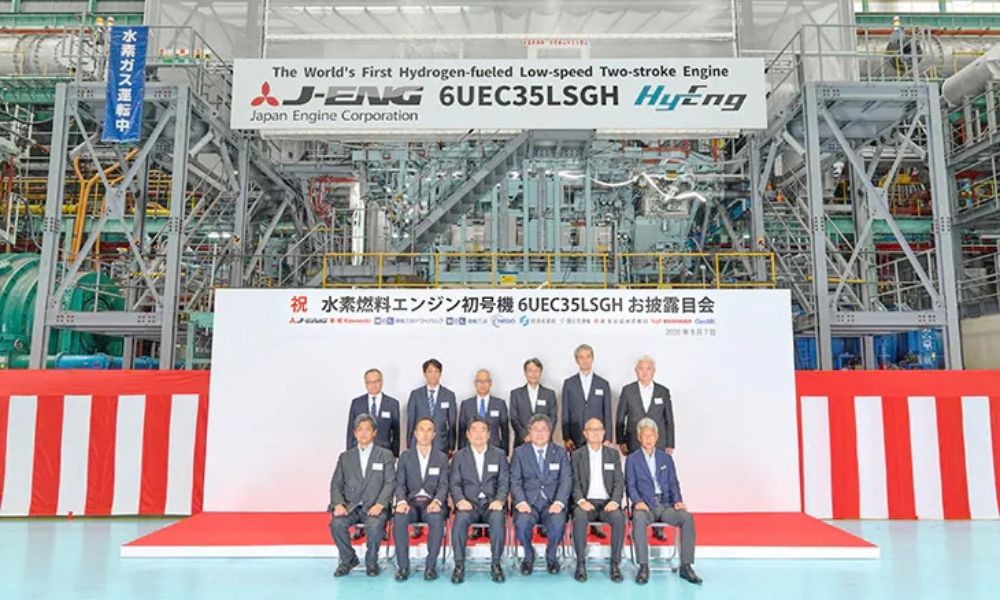
J-ENG completes land-based testing of hydrogen-fuelled marine engine
Engine will be installed on a 17,500 DWT multipurpose vessel to be built by Onomichi Dockyard for MOL and MOL Drybulk, with onboard demonstration testing scheduled to begin in April 2028.

OUR INDUSTRY PARTNERS

Singapore-based Golden Island, Qingdao Port team up on alternative bunker fuels

HD HHI and HD KSOE secure ABS AiP for ammonia bunkering vessel design

J-ENG completes land-based testing of hydrogen-fuelled marine engine

Trafigura launches Volare Shipping with six VLCCs, eight newbuilds on order

Bunkering firm Eleven Energy establishes presence in Greece with two trading hires

GTT Marine partners with BetterSea on FuelEU trading, pooling integration

DNV on IMO CCC 12: Revised guidelines for methanol as marine fuel

Singapore: Marine fuel testing firm CCIC Singapore faces winding up application

Peninsula confirms one fatality, crew member missing from bunker tanker “Hercules Star”

Singapore: MPA working with industry on next phase of digital bunkering, says Deputy CE

Amogy and LOTTE Fine Chemical to explore ammonia bunkering in South Korea

High Court of Singapore issues winding up order against Hengli Petrochemical International

China: Guangzhou completes first bio-methanol STS bunkering operation

Polaris Shipping orders WinGD engines capable of running on methanol, ethanol
-
 Winding up1 week ago
Singapore: Marine fuel testing firm CCIC Singapore faces winding up application
-
 Incident2 weeks ago
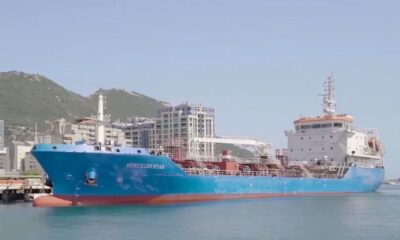
Peninsula confirms one fatality, crew member missing from bunker tanker “Hercules Star”
-
 Technology2 weeks ago
Singapore: MPA working with industry on next phase of digital bunkering, says Deputy CE
-
 Ammonia2 weeks ago
Amogy and LOTTE Fine Chemical to explore ammonia bunkering in South Korea
-
 Winding up1 week ago
High Court of Singapore issues winding up order against Hengli Petrochemical International
-
 Alternative Fuels2 weeks ago
China: Guangzhou completes first bio-methanol STS bunkering operation
-
 Engine2 weeks ago
Polaris Shipping orders WinGD engines capable of running on methanol, ethanol
-
 Technology1 week ago
APPEC 2026: Digitalisation in bunkering not merely a ‘paper-to-screen’ swap, states panellists