

Terminal is strategically located to facilitate emerging ammonia demand for bunkering to vessels and to act as a hub for hydrogen imported from regions such as...

Hydrogen derivatives such as ammonia are key to decarbonizing heavy transport including shipping; however, these fuels would not scale until the 2030s, according to a DNV...

Pioneering concept could become a first mover in maritime shipping segment and contribute to developments of achieving ambitious climate targets committed by EU.
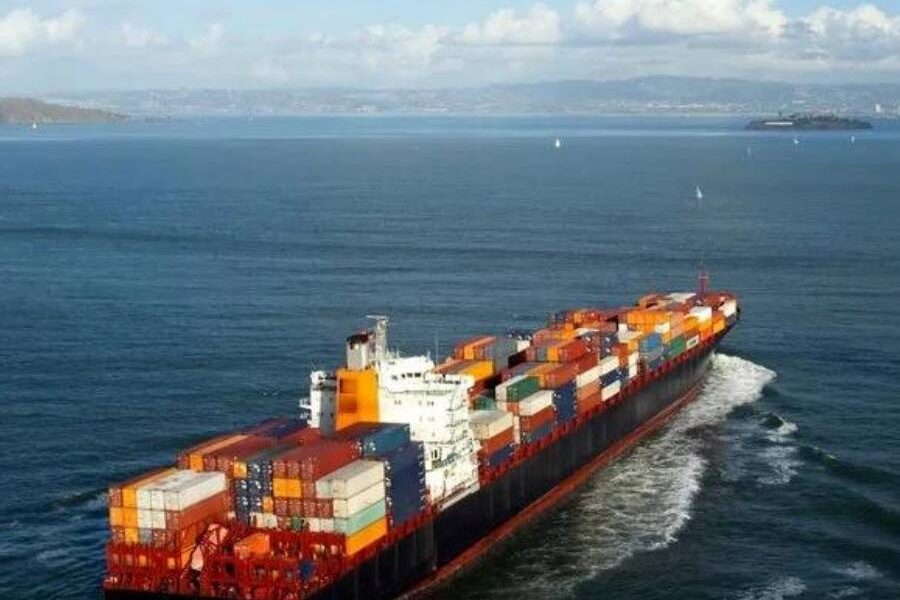

Members need to consider overall fuel management strategy and policies, potential investment in vessel modifications, and personnel training, amongst others.
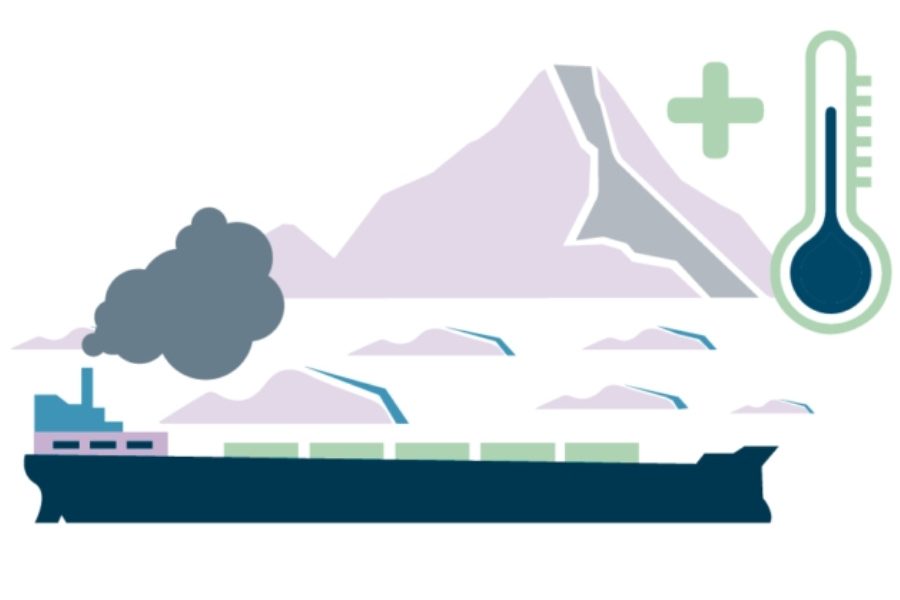
IMO squandered an opportunity to reduce shipping’s impact on the climate and on the Arctic by failing to make progress on effective short-term measures, says Clean...
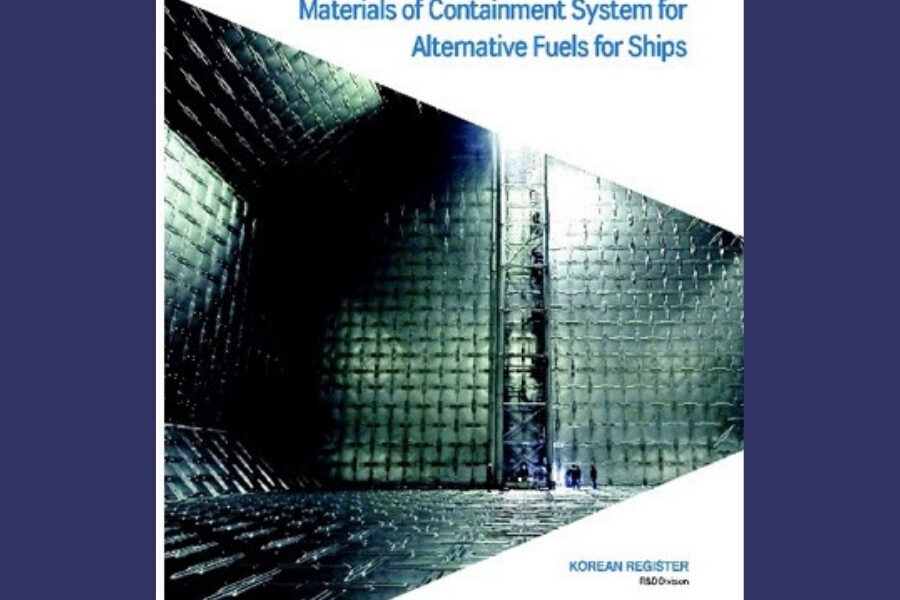

Document includes proposed suitable metal materials to be used for containment systems and supporting structures according to characteristics of eco-friendly fuels.
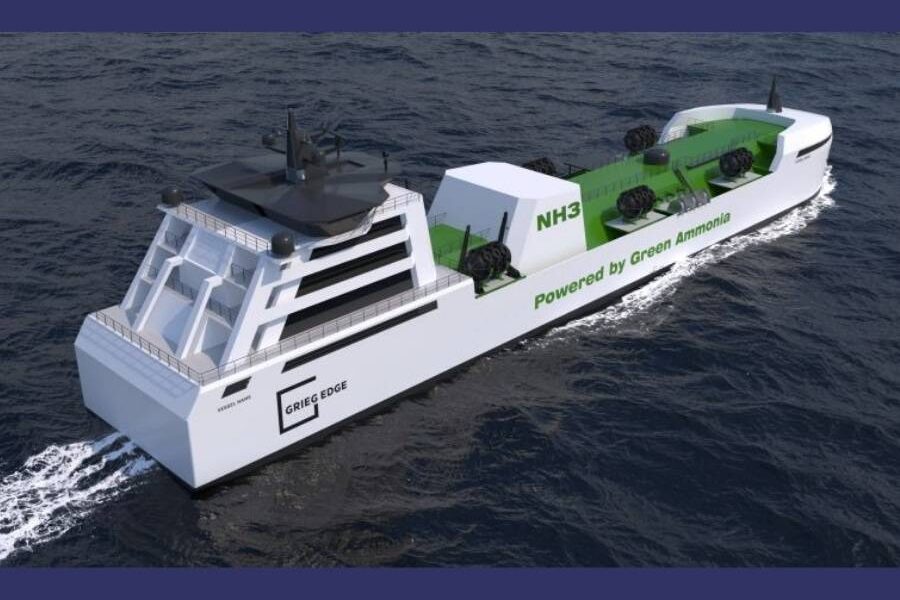

AiP awarded to LMG Marin AS, Wärtsilä Voyage and Grieg Edge for a tanker that will transport green ammonia fuel between mainland Norway and North Pole.
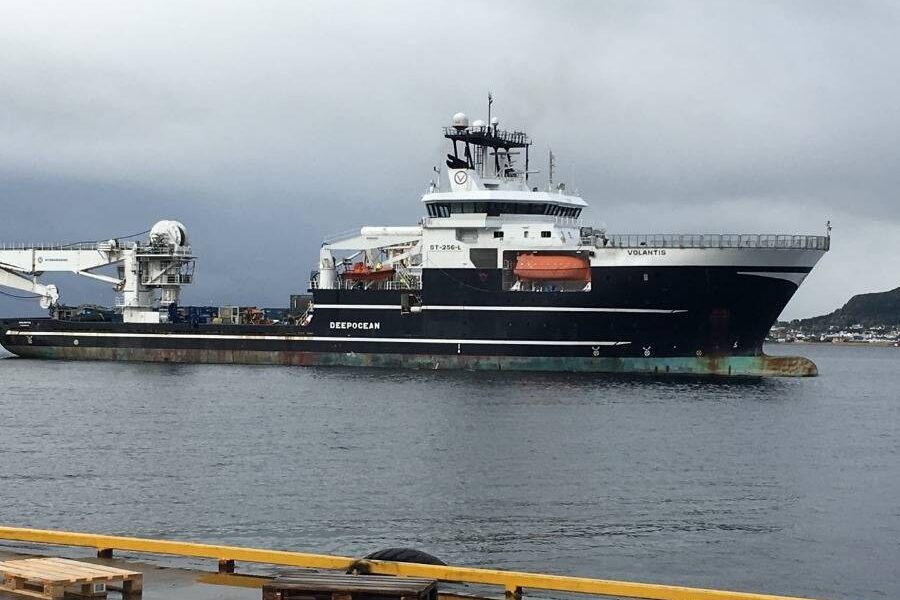

Vessel will be upgraded with battery power notation before commencing charter agreement with Volstad Maritime in first quarter of 2023, says company.
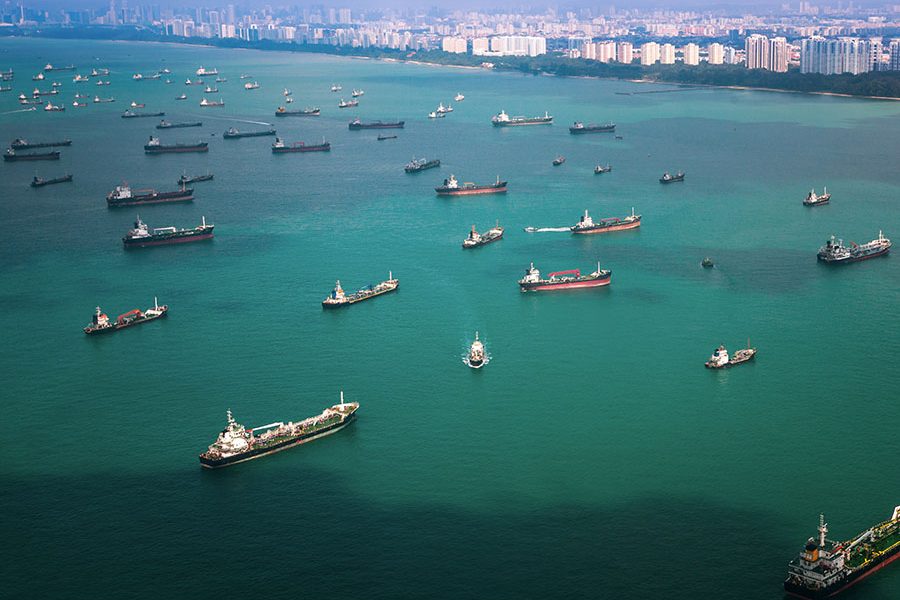

An extended exchange of views took place on the scheduled revision of the IMO GHG Strategy but with no new decisions being made, says DNV.



Increased willingness at latest IMO ISWG-GHG sessions to develop fuel lifecycle assessment guidelines that account for well to wake GHG emissions, says IBIA director.


