
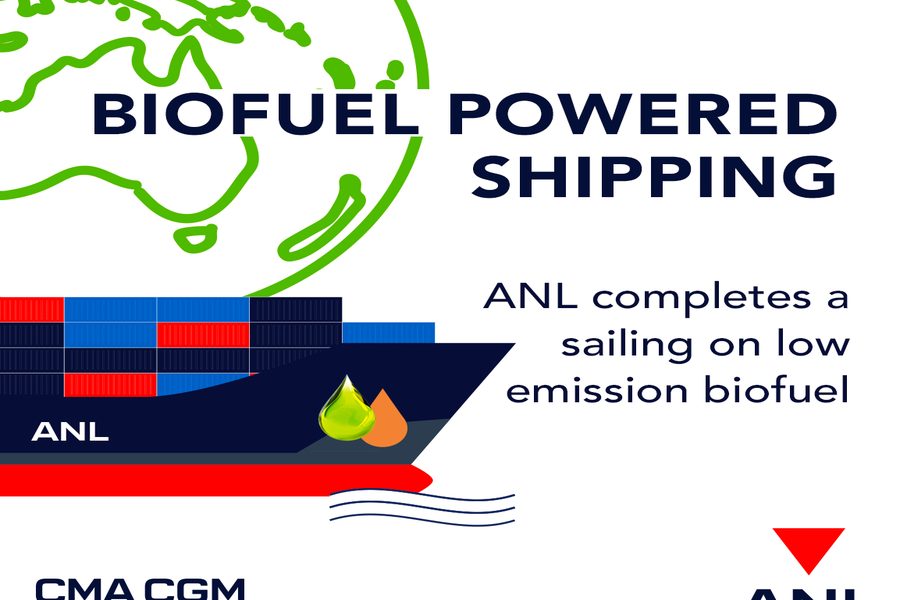

Biofuel, together with alternative bunker fuels such as LNG and biomethane, will make up 10% of the CMA CGM Group’s energy mix by 2023.
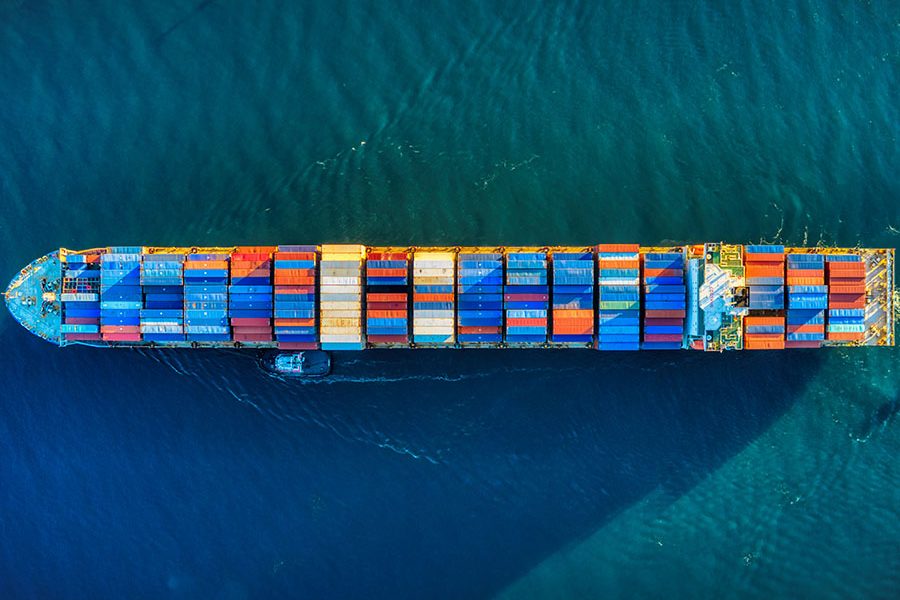

Demand for eco-friendly vessels powered by alternative bunker fuels such as methanol, ammonia and hydrogen will further expand in time, says HJSC spokesman.
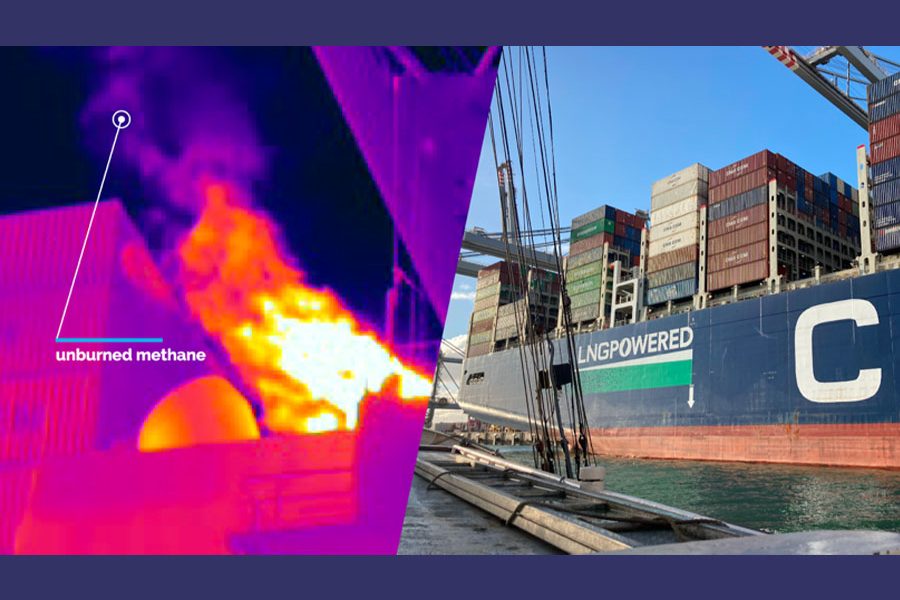

About 80% of LNG burned today in shipping is in engines (low-pressure 4-Stroke) that have worse total GHG emissions than traditional engines running on dirty fuel...
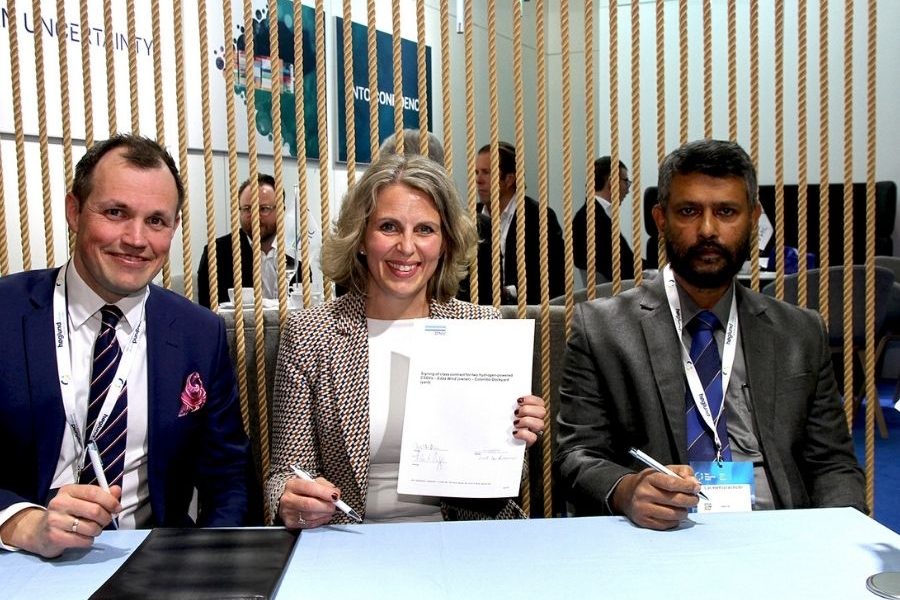

Planned hydrogen bunker fuel system based on Liquid Organic Hydrogen Carrier design by Hydrogenious LOHC Maritime AS; vessels to be delivered in January and July 2024.
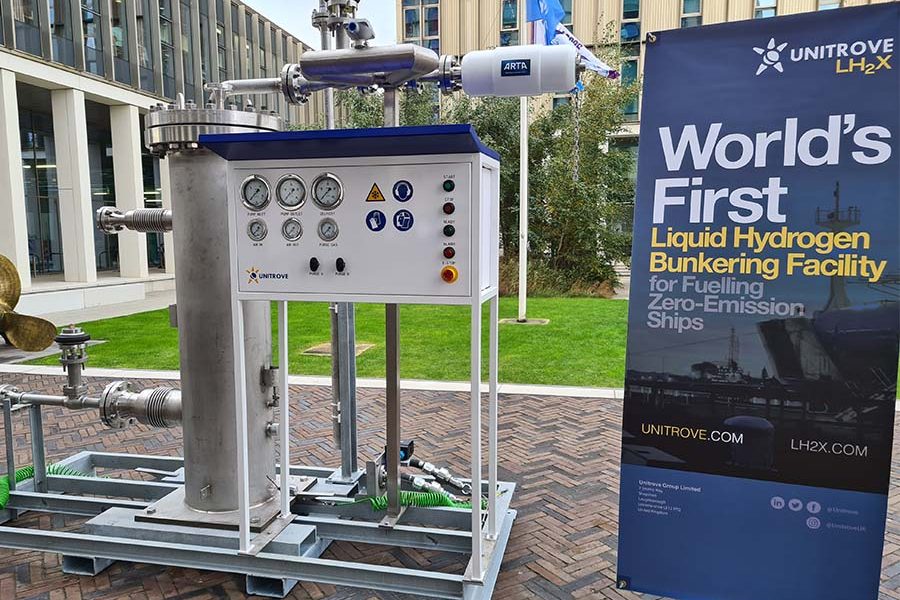

£30,000 awarded by the UK Department for Transport will help firm prepare its liquid hydrogen bunkering facility towards commercialisation, says CEO.
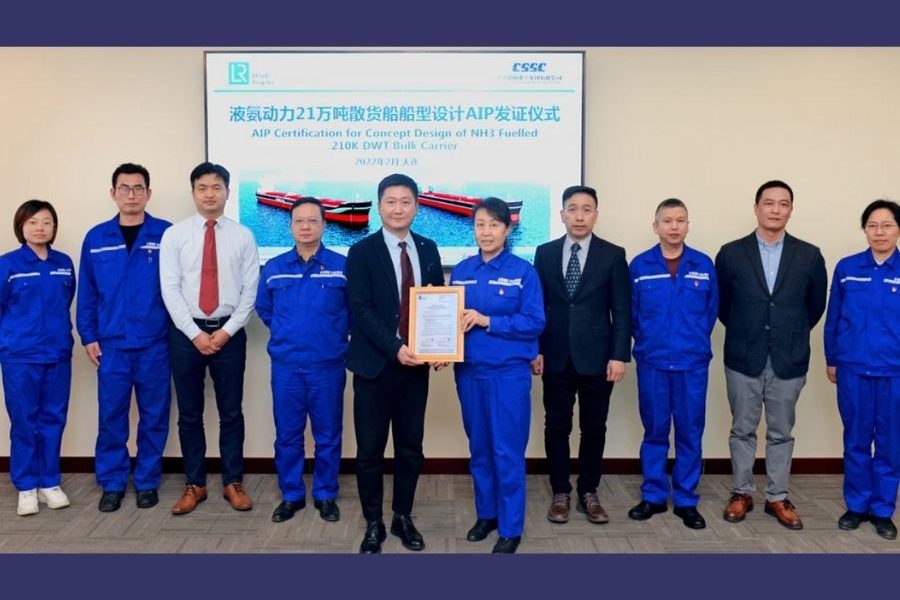

Ammonia is considered one of the most promising alternative bunker fuels, supporting the marine energy transition away from carbon-based power sources.
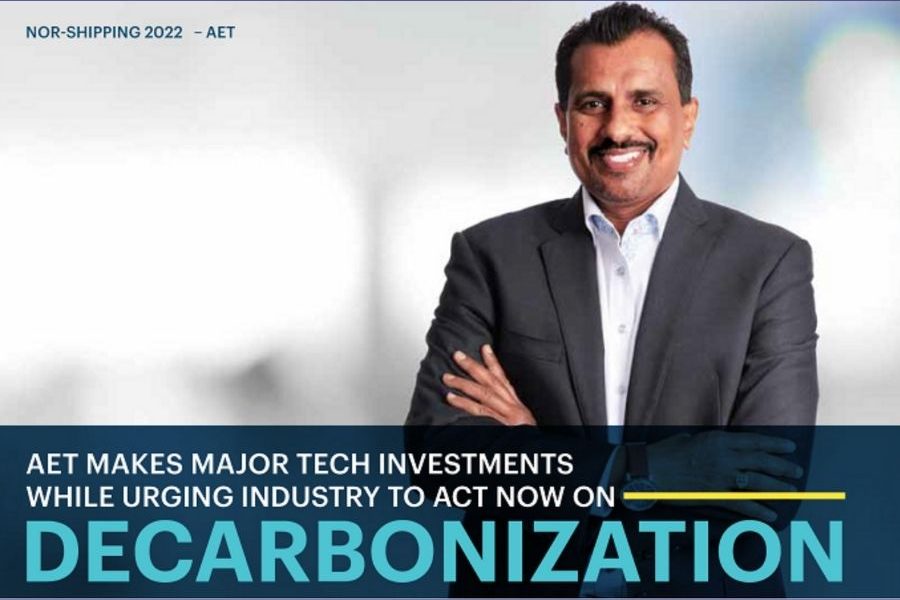


Company has also been searching for suitable methane abatement technologies as part of LNG strategy, shares President & CEO Capt. Rajalingam Subramaniam.
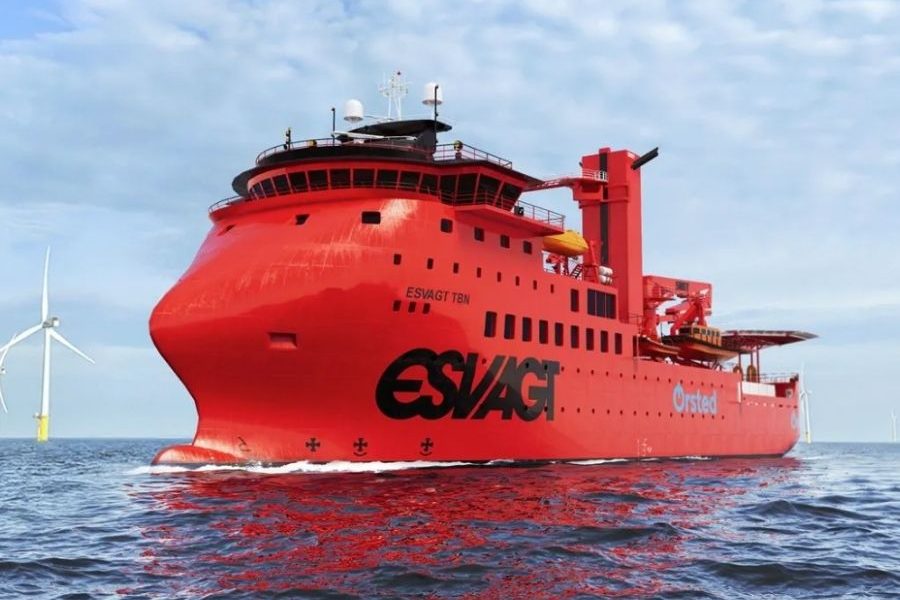

SOV powered by batteries and dual fuel engines is capable of sailing on renewable e-methanol which is produced from wind energy and biogenic carbon.
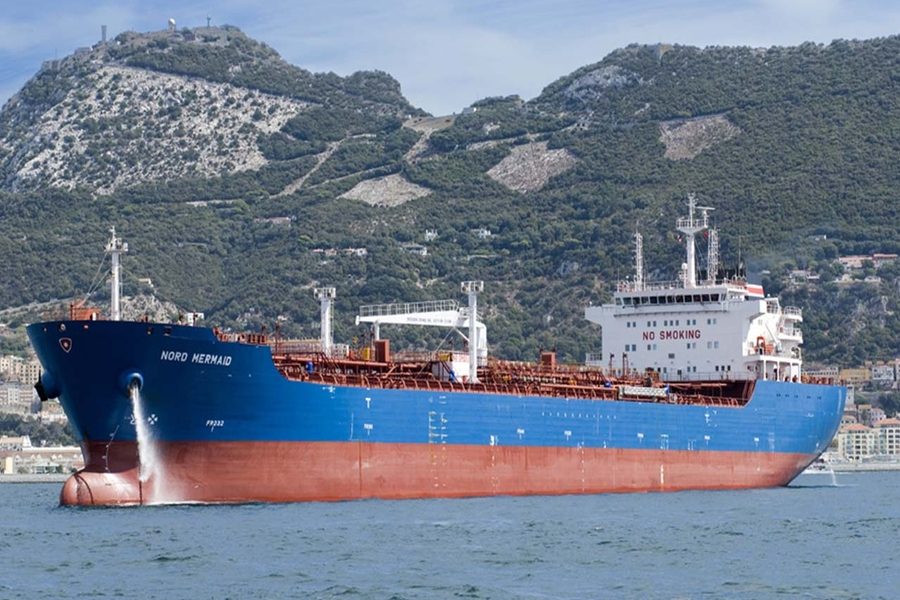
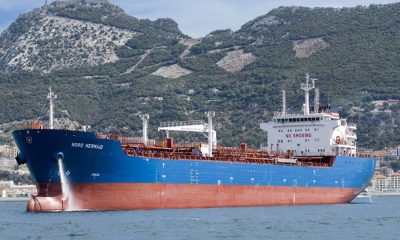

Firm has secured supply of biofuel made from waste cooking oil and is in discussion with several customers over the first carbon-neutral freight contract.

Hapag-Lloyd will commit to long-term strategic collaboration and contribution to develop zero carbon technologies and solutions for the maritime industry.


