


Avails from PetroChina Guangdong Petrochemical Refining and Chemical Integration Project to meet expected supply void within China’s domestic market.
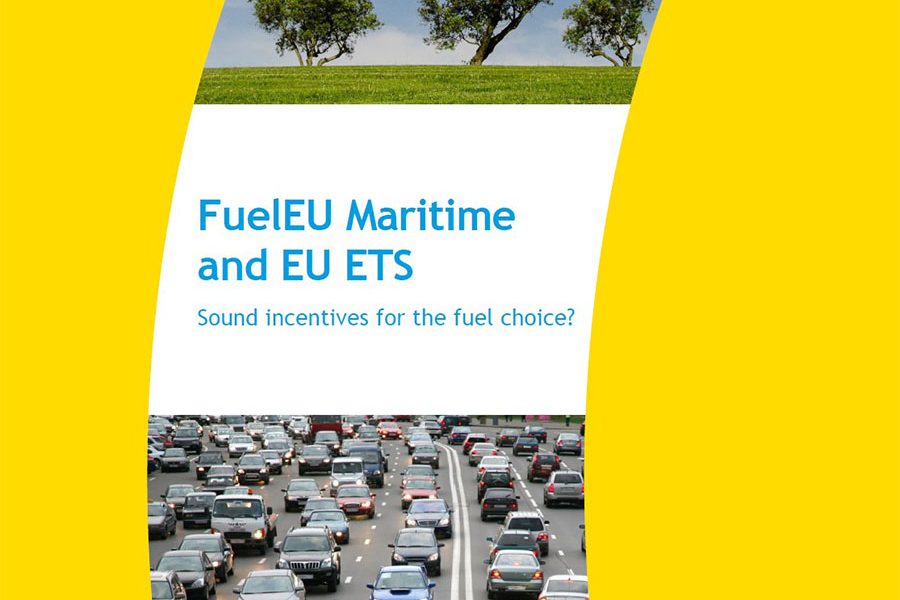

Problem is while FuelEU Maritime looks at GHG and the entire fuel value chain, ETS only looks at CO2 and only at emissions during actual combustion.
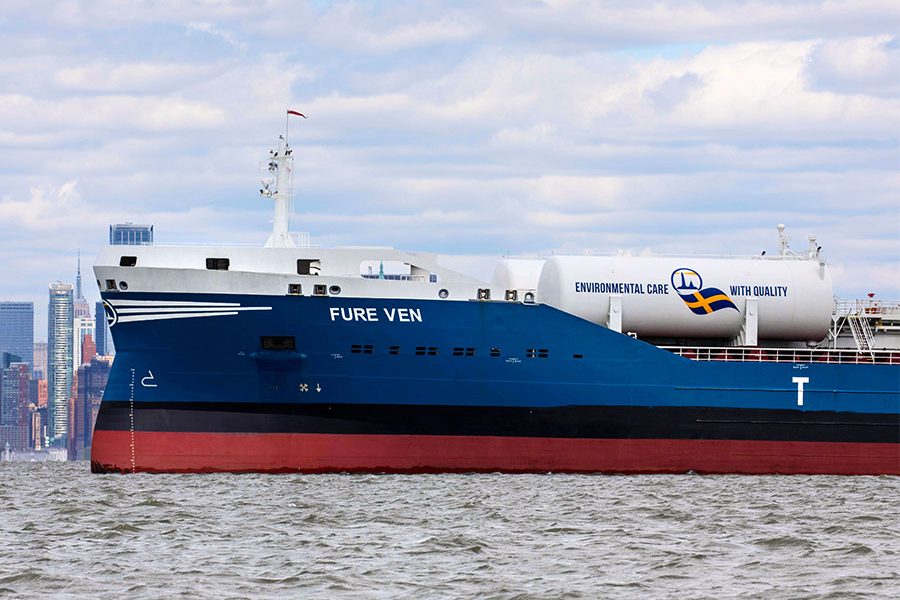

Purchases at least 75% of produced fuel from Eskilstuna Biogas which will develop a new biogas plant producing around 5,000 tonnes of LBG annually.
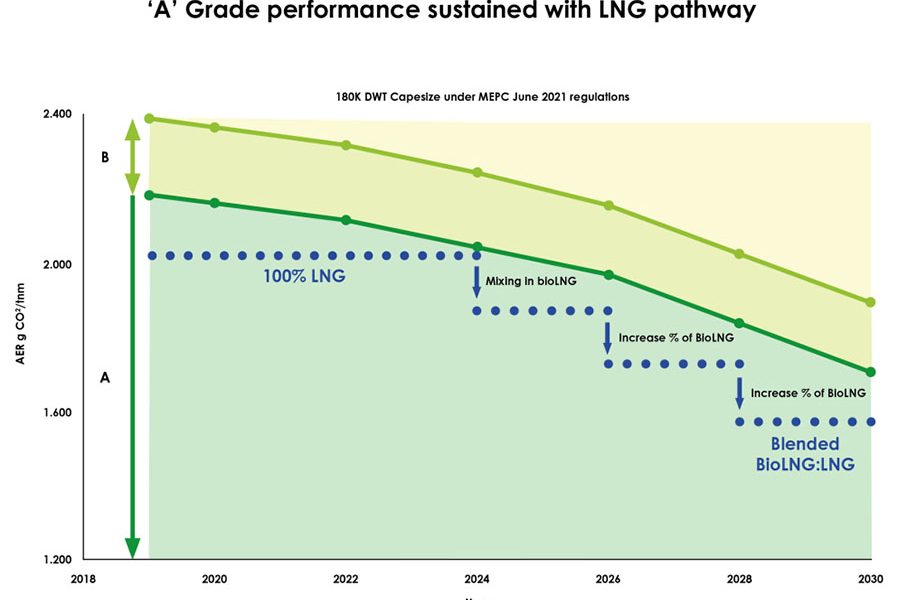

Analysis compared emissions for two identical 180k dwt Capesize vessels, one using conventional, oil-based marine fuels the other using LNG as a marine fuel.

“Decarbonising the maritime industry is a grand challenge that requires all hands on deck and strong collaboration across the entire value chain,” states GCMD CEO Prof...
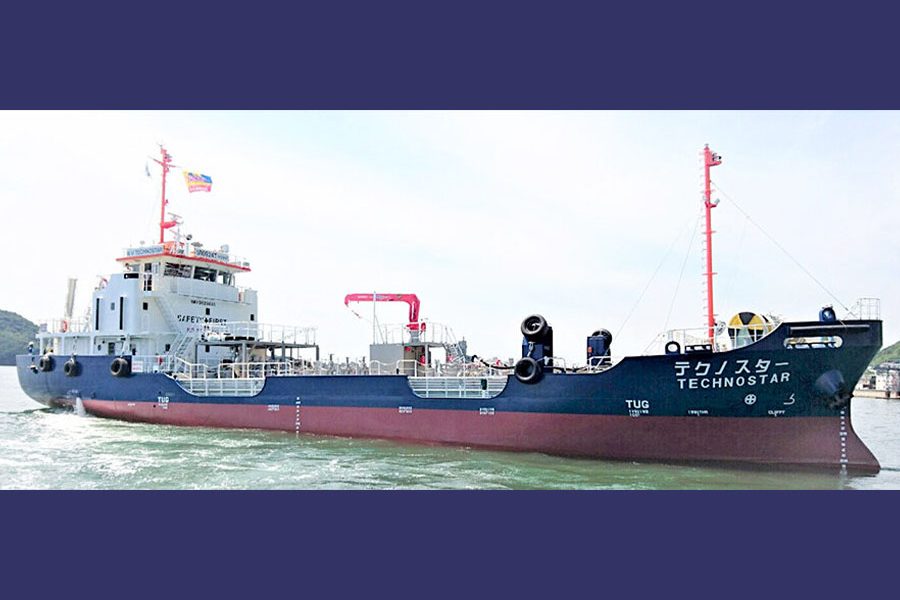
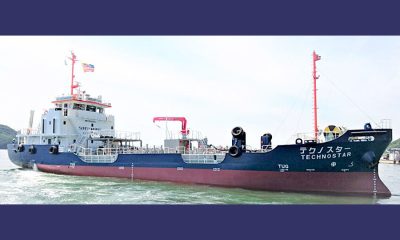

Biodiesel fuel supplied by Aburatou Shoji K.K., while ClassNK certified NOx emissions from the vessel during combustion are within IMO emissions limits.

Clean Ocean Advanced Biofuels project will provide the opportunity to address these challenges by bringing low-carbon biofuel to the marine ecosystem.
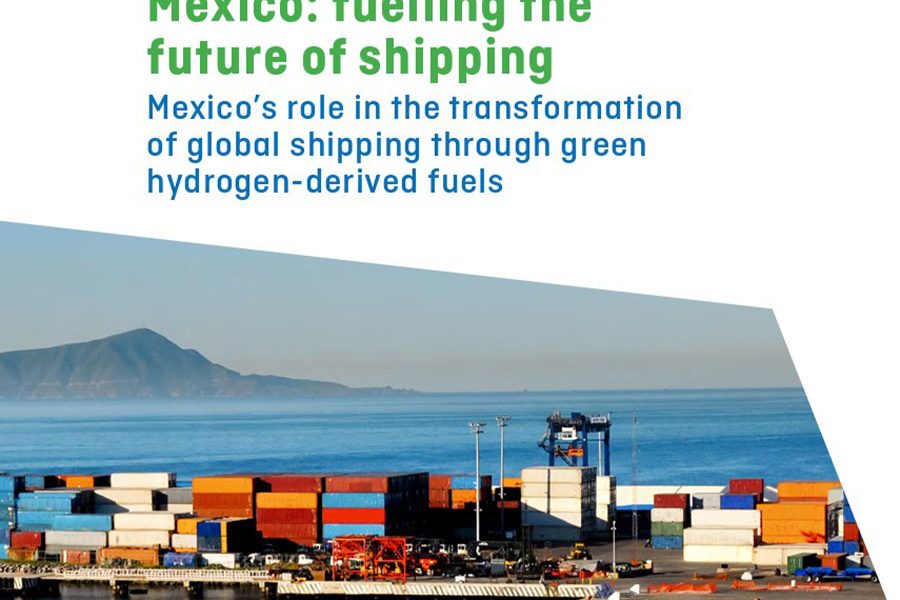

Abundant supply of renewables means Mexico has the capacity to produce zero- carbon for local supply and export, says recently published report.
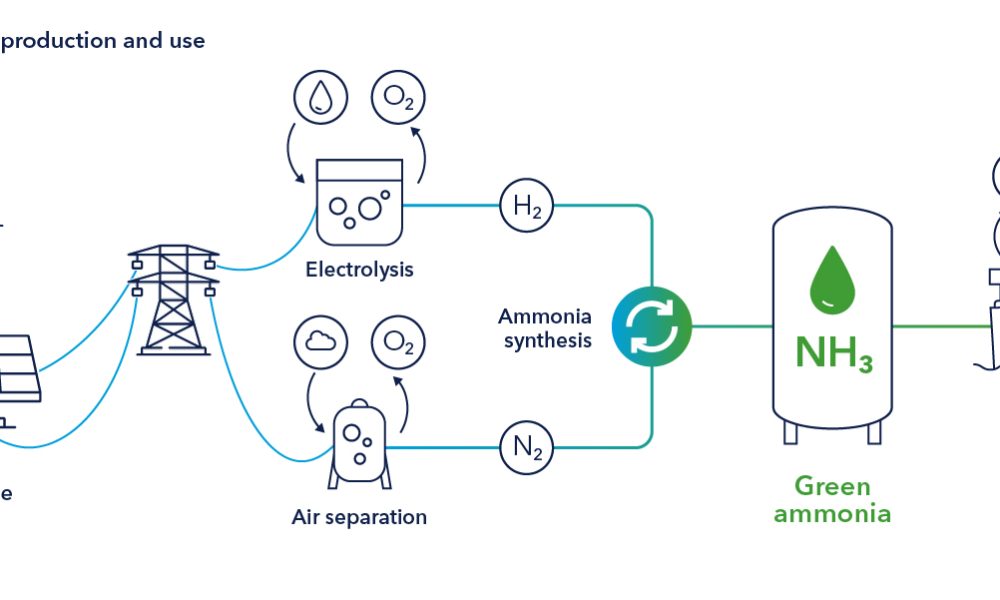

Ammonia is one of the most promising future fuels in the maritime world, but introducing it to the fuel mix is far from straightforward, states DNV.
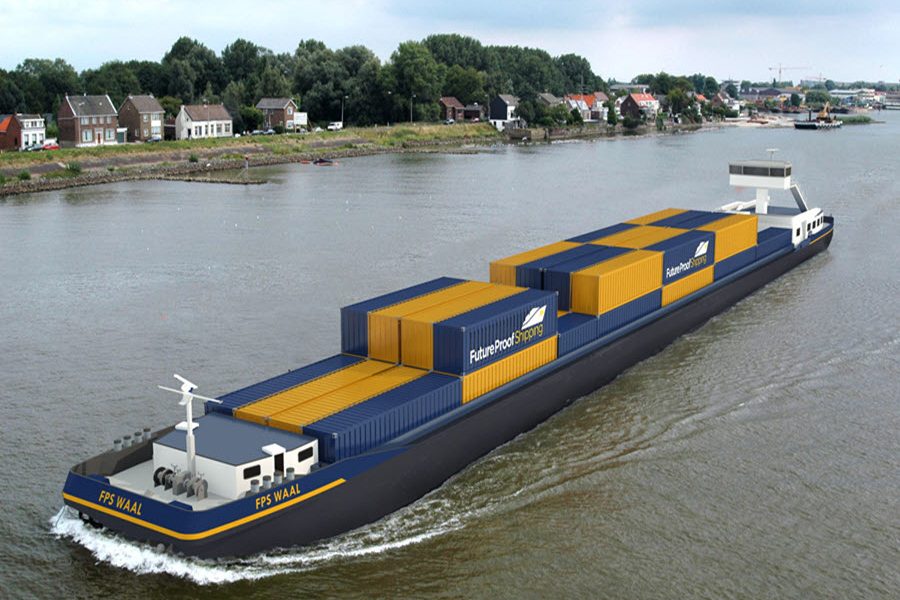

FPS will strengthen the FLAGSHIPS consortium and expand its green hydrogen-fuelled fleet with the “FPS Waal” that will be converted to a zero-emission container vessel.


