

Development expedites the decarbonisation of the maritime sector through impactful advocacy on the use of LNG and its bio and synthetic LNG cousins.

Alfa Laval is supporting the marine industry with essential technologies in the move to green methanol as a major advance towards decarbonisation.
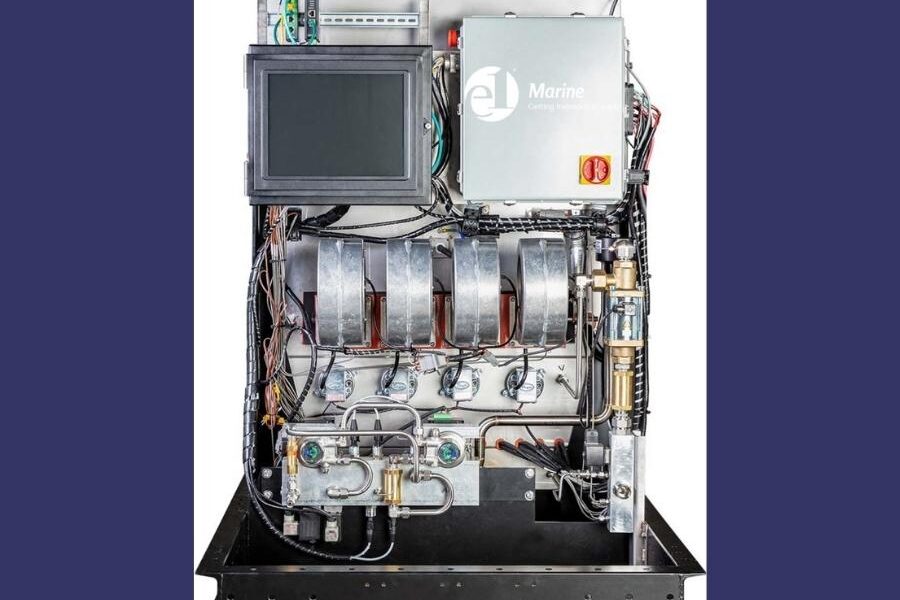

Methanol provides a safe and effective carrying medium for hydrogen, enabling adoption of clean zero emission fuel cell power solutions, says firm.

MGO fuels are more susceptible than HFO/VLSFO fuels to microbial contamination as well as bunker fuel containing FAME and other bio-products.

GCMD in January awarded its ammonia bunkering safety study to a DNV-led consortium, with Surbana Jurong and the Singapore Maritime Academy as partners.

Exclusive to UZMAR, these new designs represent a new generation of lower emission tugs that the company’s clients are demanding to meet CO2 reduction targets.
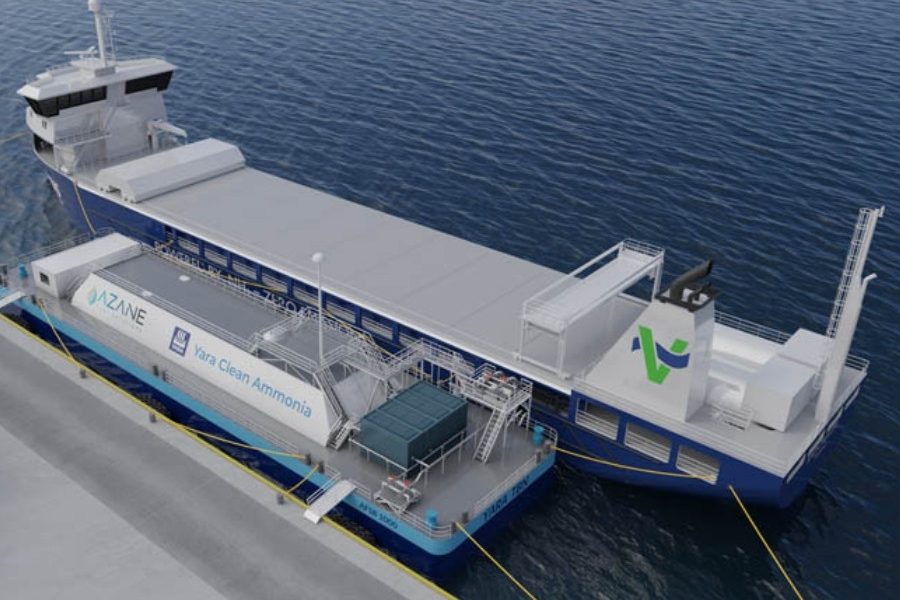

Grey ammonia is already being traded as a cargo and using it as a bunker fuel is only a question of certification, says Director at Yara...
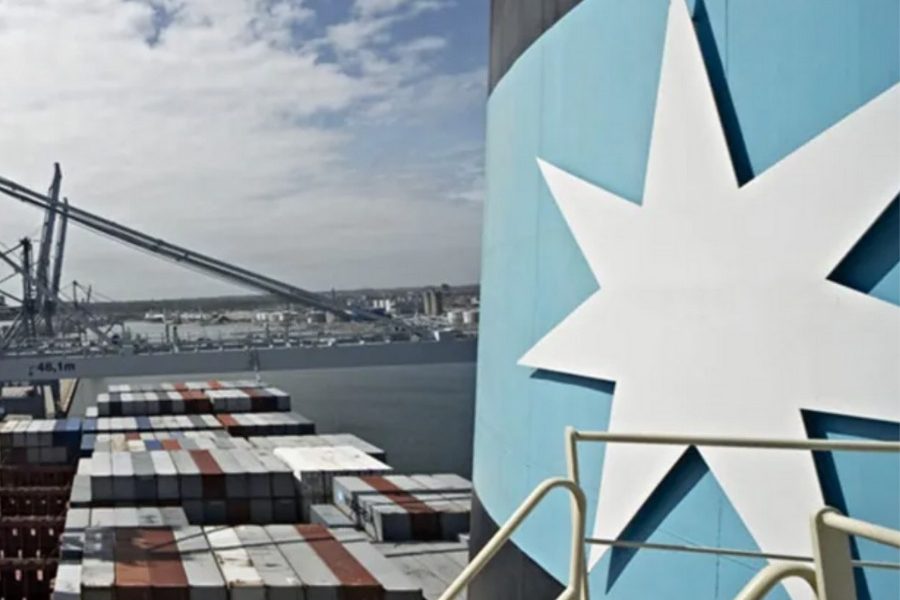

Company consumed 2,699,000 metric tonnes (mt) of marine fuel in Q1 2022, 1.5% lower than 2,744,000 mt of bunker fuel during Q1 2021.
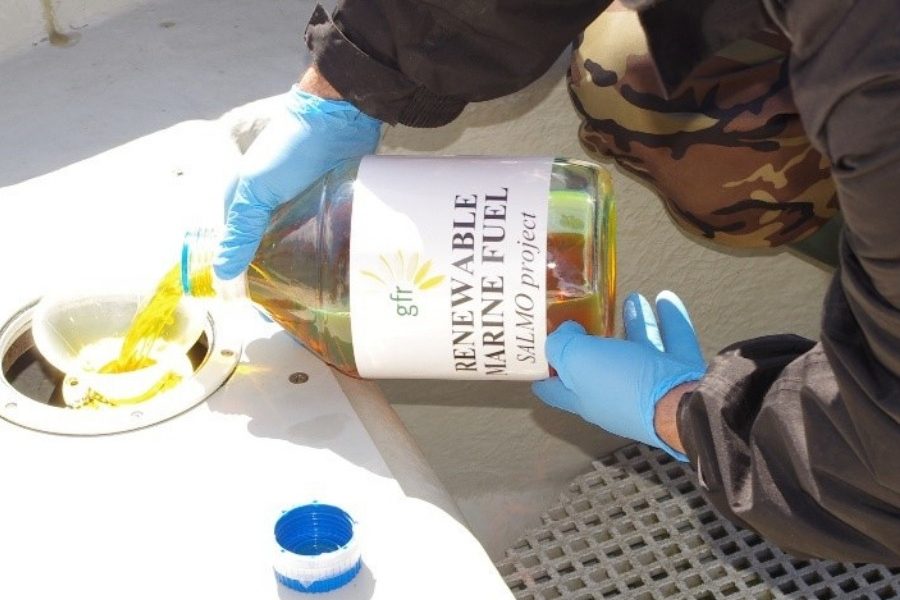

World first development is a collaboration between GFR, the University of Cardiff, and Lancaster University to address decarbonisation of UK shipping.
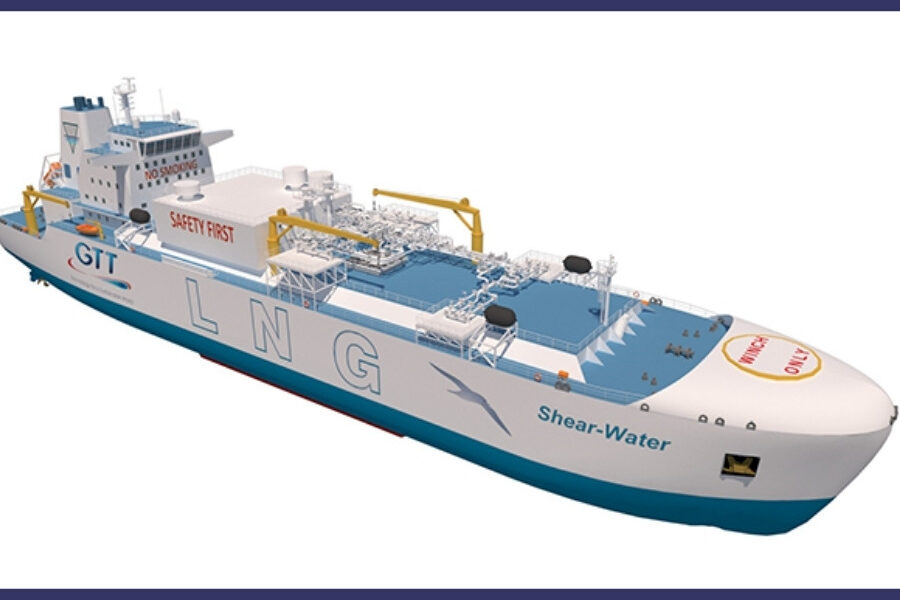

New technological solution allows a reduction in investment and operating costs, simpler operations as well as a reduction in corrosion, says GTT Chairman and CEO.


