


Vessels from EPS’ existing tanker fleet that use MAN engines will be retrofitted to be powered by methanol and ammonia which will be supplied by OCI.

Publishes open letter calling on European Commission to use the FuelEU Maritime initiative to stimulate the deployment of green hydrogen and ammonia for shipping.
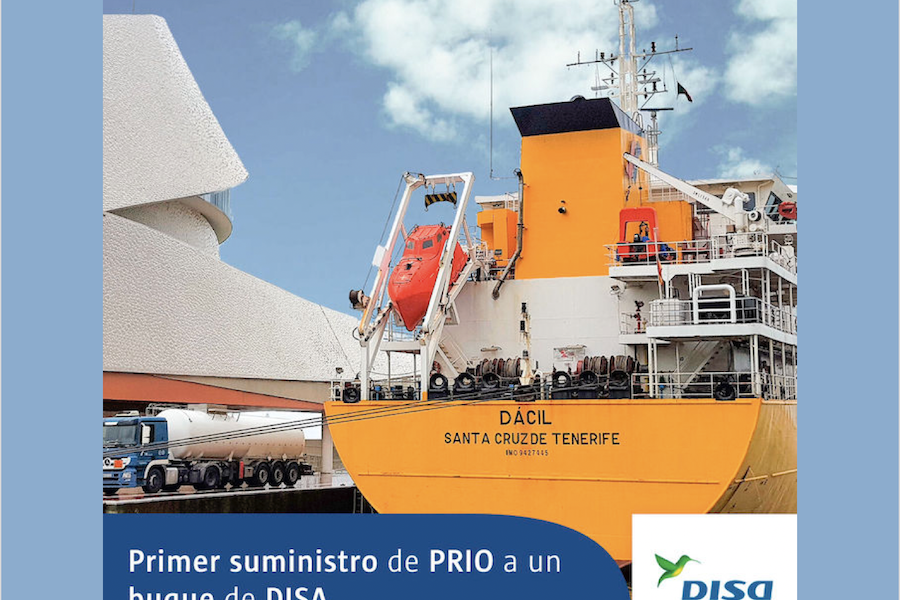

PRIO supplied its newly launched green biofuel to shipping distribution company Petrogas’s vessel Dácil via a truck-to-ship bunkering operation.
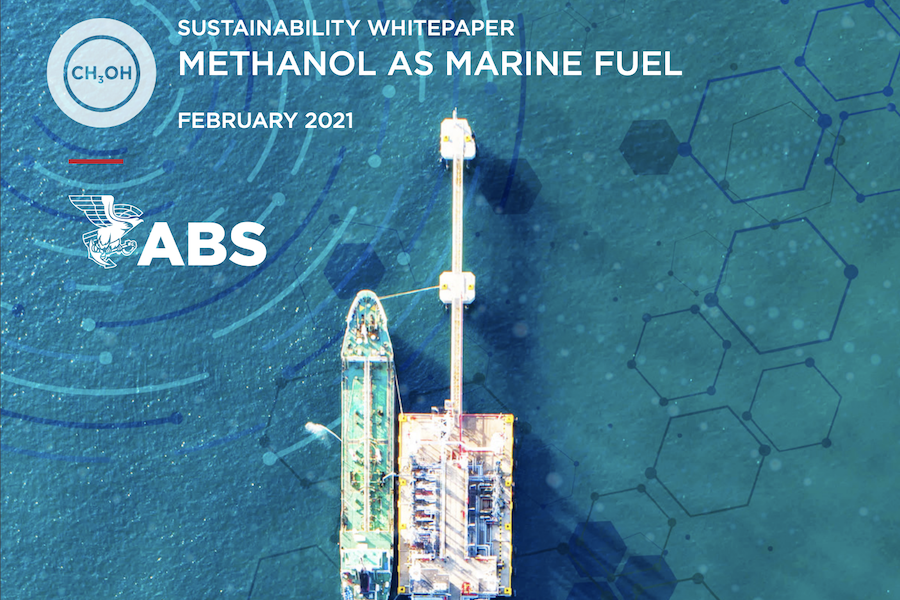

‘Methanol is a fuel that offers immediate decarbonization benefits to vessel operators of substantial net GHG reductions and full compliance with IMO2020,’ it says.
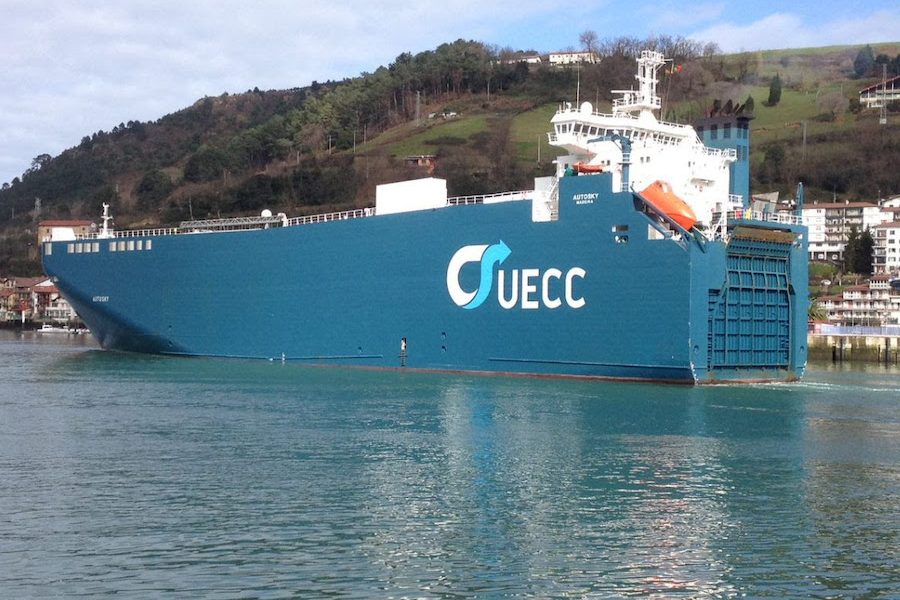

Switch to biofuels required little to no technical modifications on the vessel and the bio bunker fuel has been handled onboard by its expert engineers without...



The naming of the project is significant as Castor is the second-brightest star in the Gemini constellation, but actually consists of six stars which appear as...


Maersk said it deems lignin fuels as potentially the most price-competitive net zero fuel with the lowest price estimate, almost on a par with conventional fuels.



Organisation welcomes Airbus, Bureau Veritas, and PSA International as latest members joining CMA CGM Group, Total, Wärtsilä, ENGIE, amongst others in coalition.
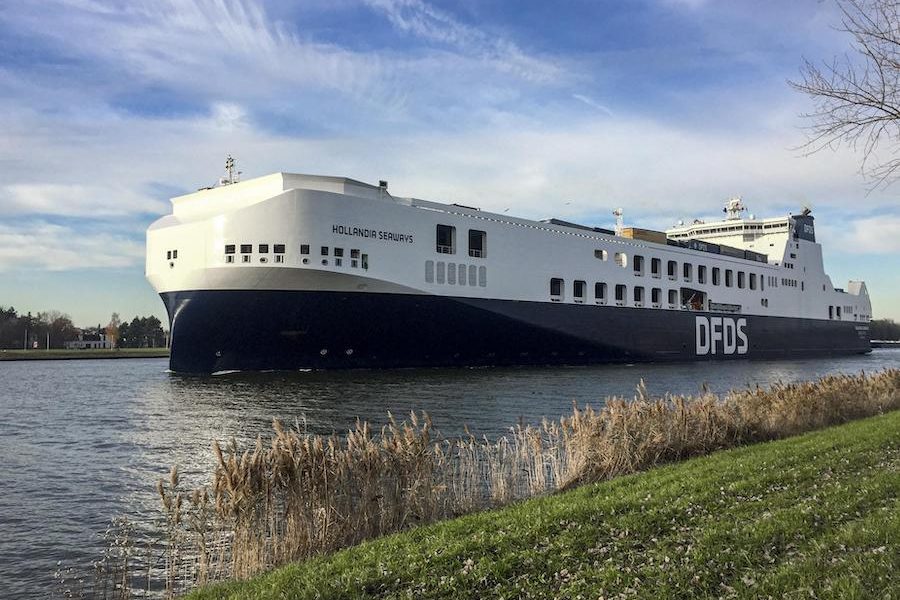

Green ammonia is ‘an ideal replacement for fuel oil used on ferries’ as the sustainably produced renewable material emits only water and nitrogen as a by-product,...
Addition of MPA and Yara means the alliance, first unveiled in January 2020, now has a complete representation from all areas of the maritime ecosystem.


