

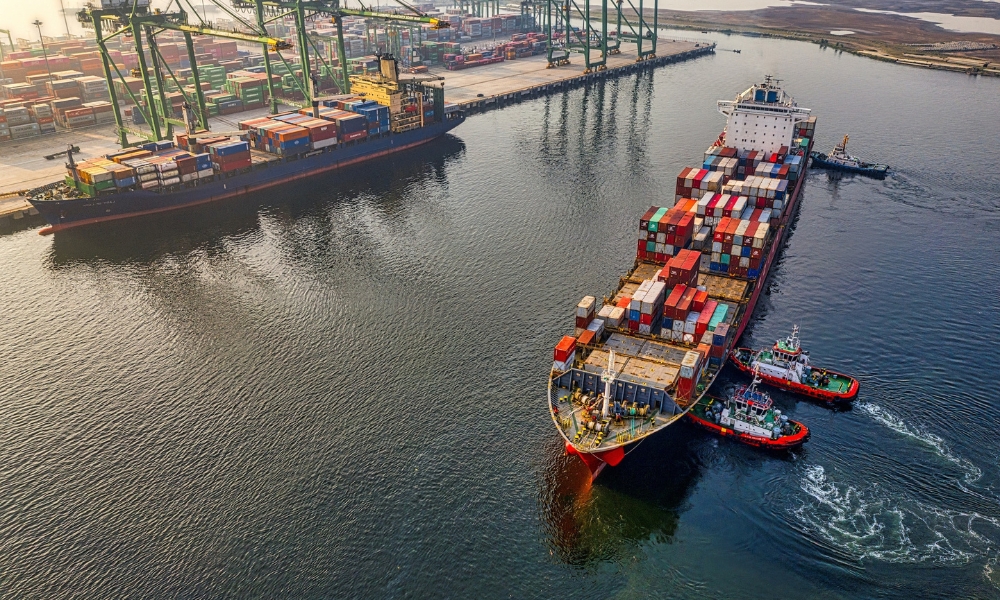

Policy requires vessel owners and operators to work with the fuel supplier who will submit a bunkering proposal and a risk assessment plan for review by...
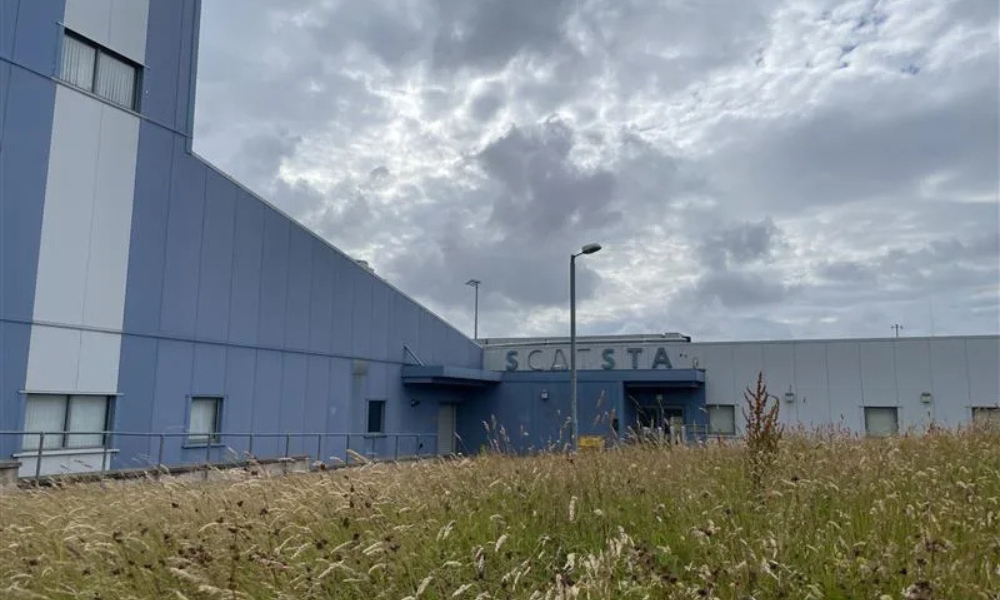

Green ammonia produced will be used by a wide range of industries, including as a sustainable bunker fuel and to decarbonise fertiliser production.

Philippe Lecloux, CIMAC Council member and COO of Aderco, says the future is already here with most new vessels being 'future-ready' and on order books.

Collectively representing 70 companies, both have committed to combining their efforts to advocate for policy supporting zero emission solutions combining hydrogen, battery-electric and wind propulsion technologies.

New guidelines aim to address rapid development and implementation of alternative marine fuels given the gaps in existing US regulations, which are primarily focused on traditional...
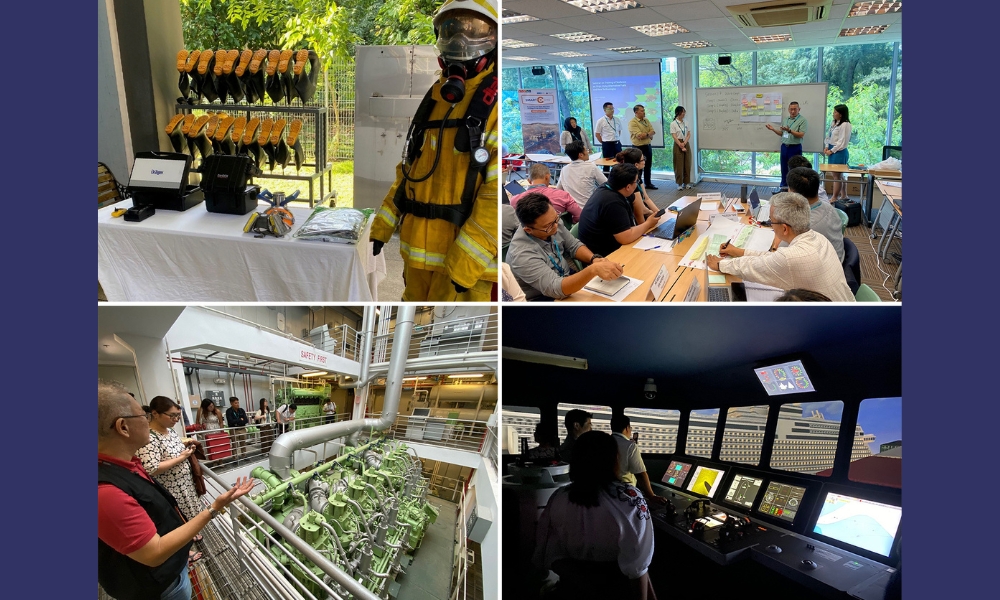

Exercise was held during a training seminar to advance preparation of training for seafarers working on ships powered by alternative marine fuels and new technologies such...
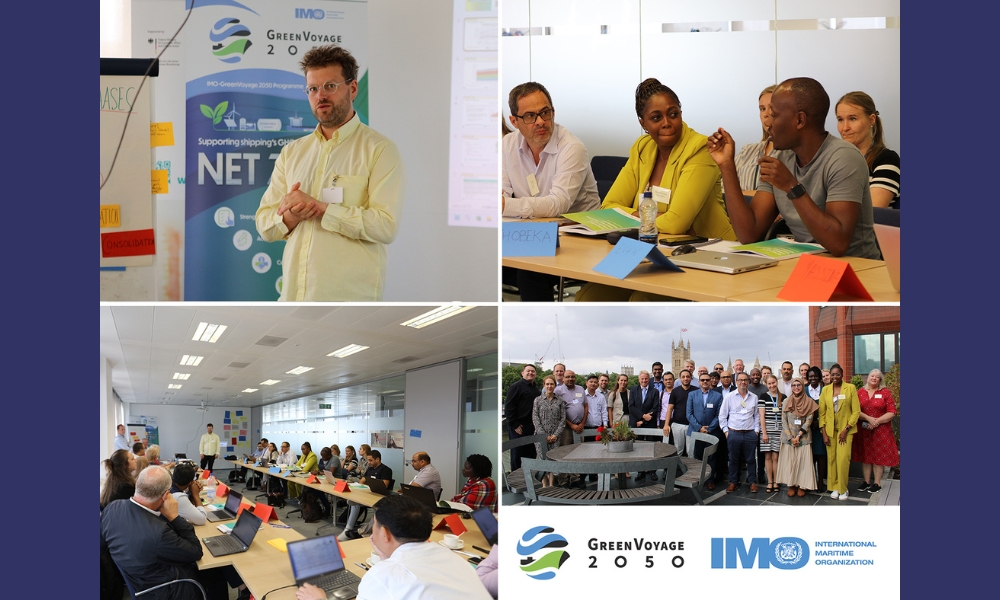

Course is equipping a new generation of trainers with the knowledge and tools needed to support the global transition to low and zero-carbon marine fuels.
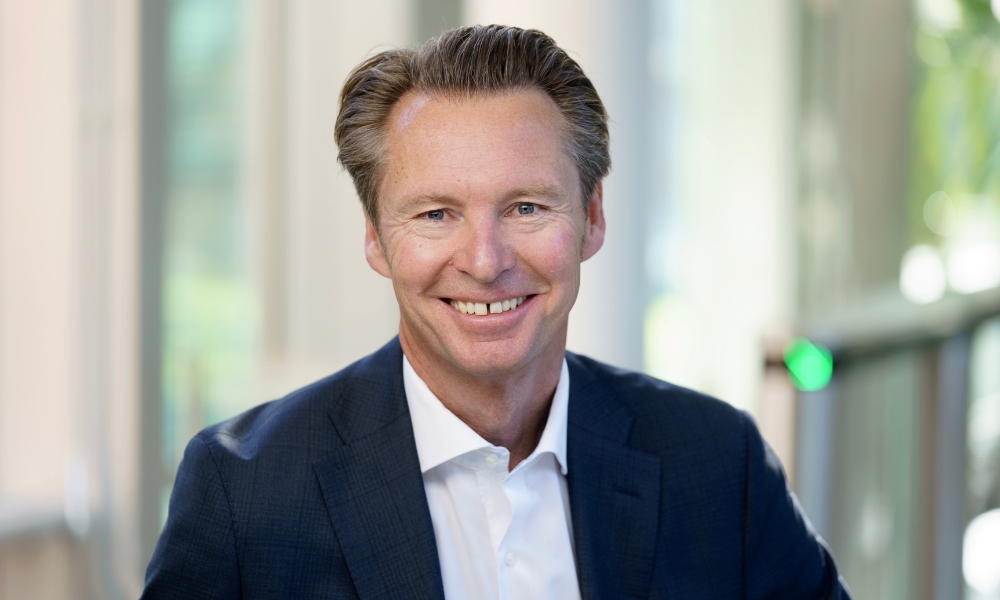


LNG was the clear fuel of choice, accounting for 87 new vessels ordered, totaling 14.2 million GT so far in 2025 and the bunker fuel remains...
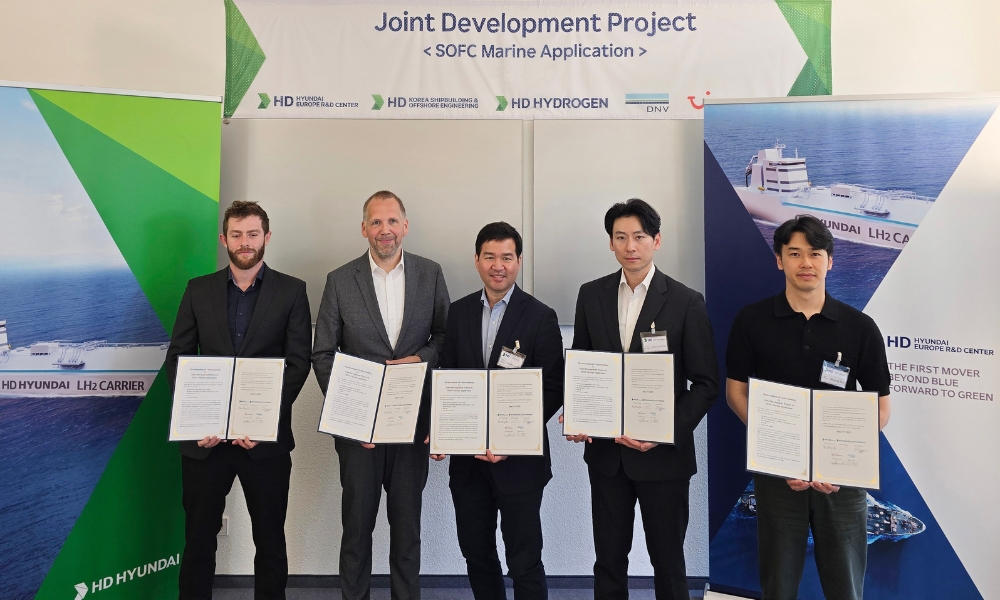
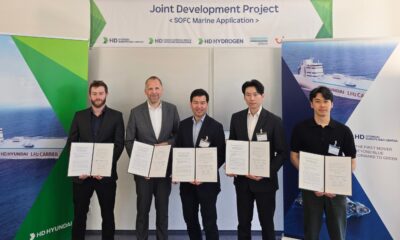

Trio signed a JDP to explore the application of Solid Oxide Fuel Cell systems on cruise vessels; HD Hyundai plans to secure global competitiveness for SOFC...
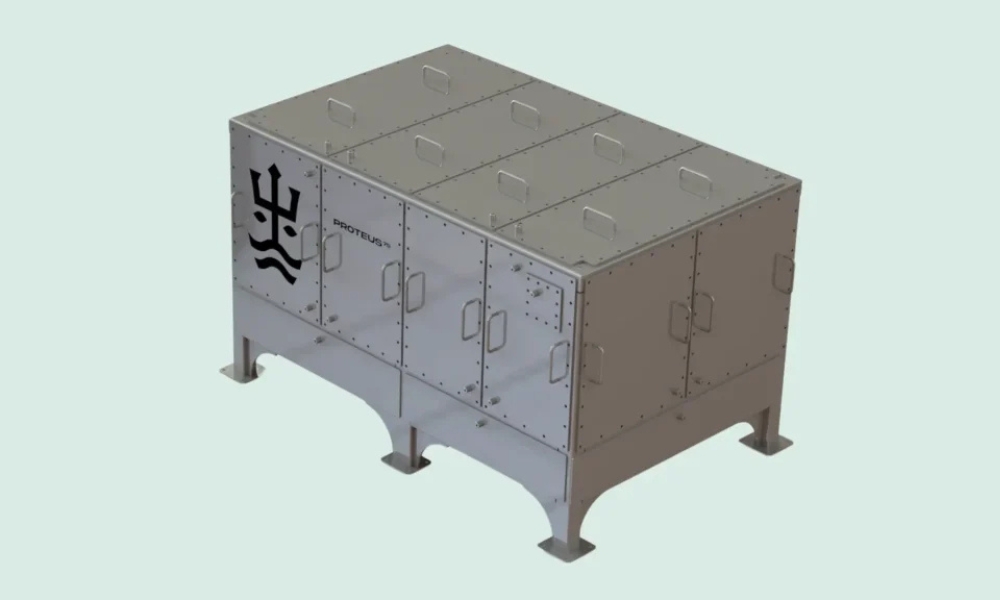

Company has partnered with hydrogen fuel cell company Symbio France to develop the Proteus Maritime Fuel Cell Solution, a modular hydrogen fuel-based system for ports and...


