
Alternative Fuels
DNV: How low‑GHG methane can future‑proof LNG-capable vessels
DNV summarises key findings of its Methane in shipping paper, helping shipowners of LNG-capable vessels to meet stricter GHG reduction requirements, and optimise LNG‑based fuel strategies for future compliance.

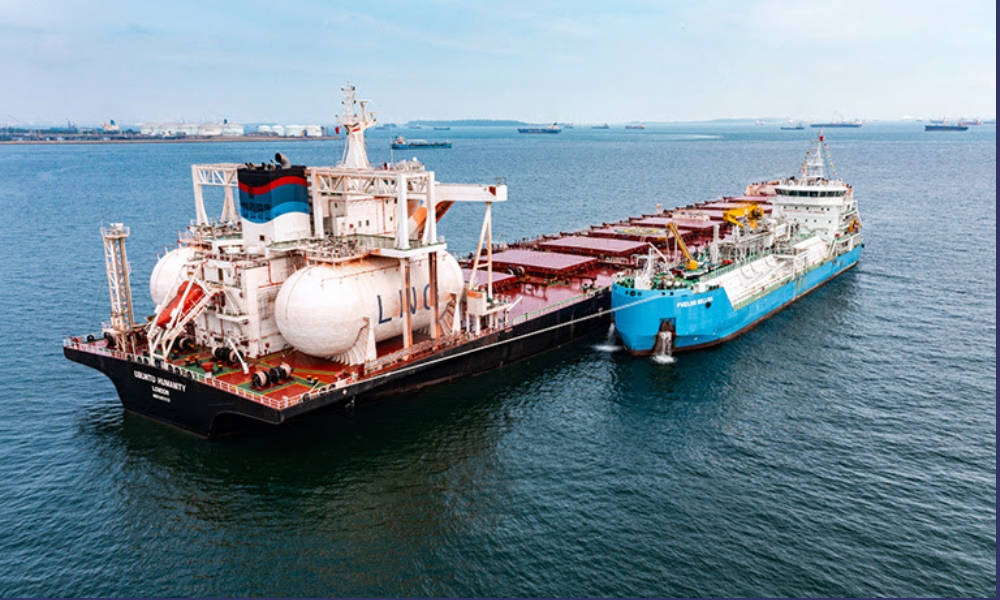
Classification society DNV on Monday (22 June) published a Maritime Impact article, summarising the key findings of its Methane in shipping paper, helping shipowners of LNG-capable vessels to meet stricter GHG reduction requirements, and optimise LNG‑based fuel strategies for future compliance:
Excluding LNG carriers, more than 800 ships can run on LNG using mature, proven technology and established infrastructure, with over 600 more on order.
Under the FuelEU Maritime regulation, LNG‑capable ships can remain compliant on fossil LNG until around 2035, depending on engine configuration. Ships fitted with two‑stroke high‑pressure dual‑fuel engines can remain compliant longer than those using four‑stroke low‑pressure dual‑fuel engines, which are more common in cruise ships and RoPax vessels.
Extending LNG compliance with low-GHG options
DNV’s Methane in Shipping white paper indicates that a potential compliance pathway is the use of LNG-compatible low-GHG fuels. LNG ships are compatible with alternatives such as liquefied bio-methane and e-methane. With tightening GHG intensity requirements, these ships are thus well positioned to transition towards lower GHG emission fuels without major retrofits for these alternatives.
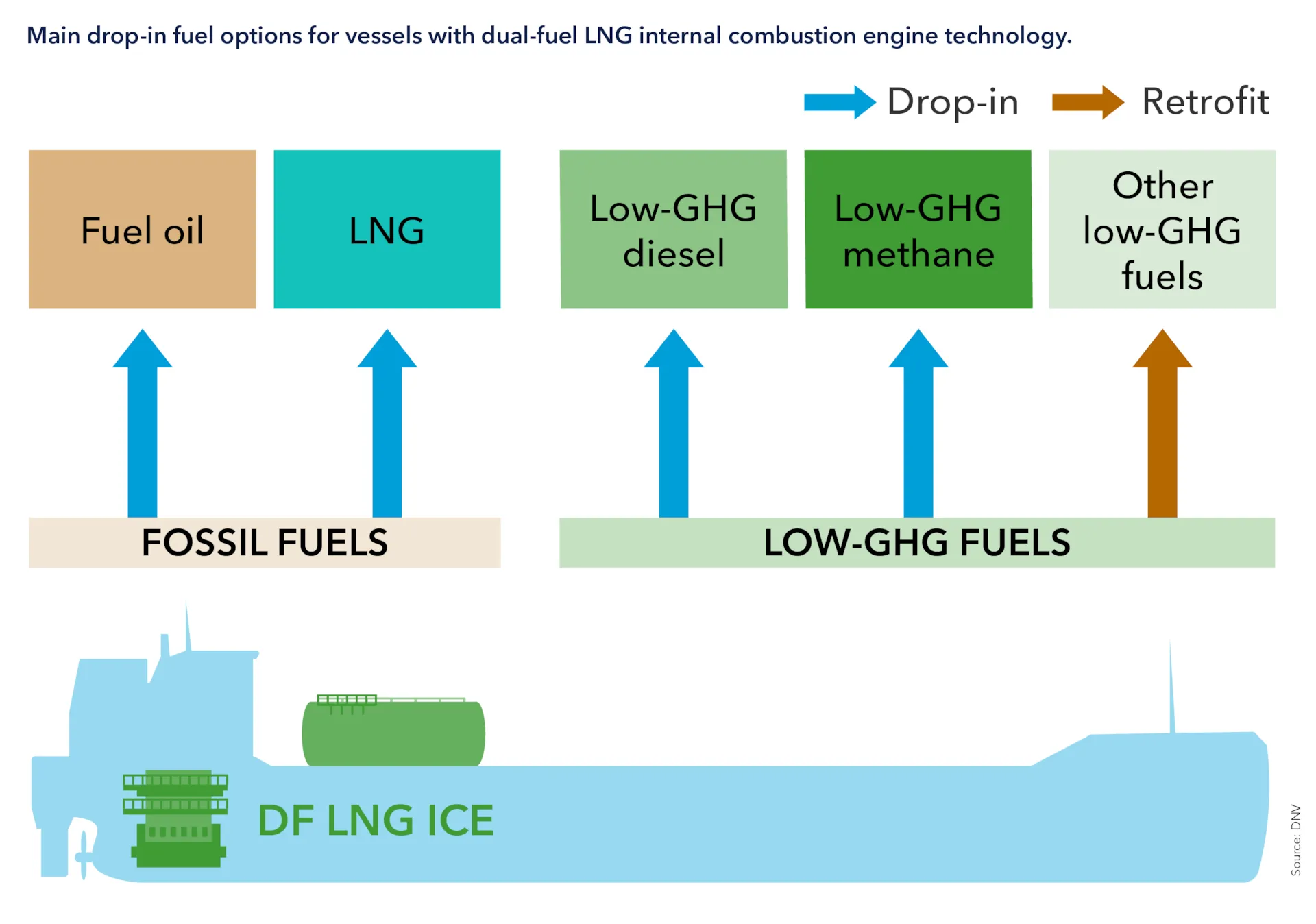
“Bio-methane and e-methane can achieve very low, or even negative, life cycle emissions depending on how they are produced. LNG-fuelled vessels can progressively decarbonize by blending in or switching to these fuels,” explains Øyvind Sekkesæter, Senior Consultant at DNV and lead author of the paper.
Demand for low-GHG methane will grow with tightening regulations
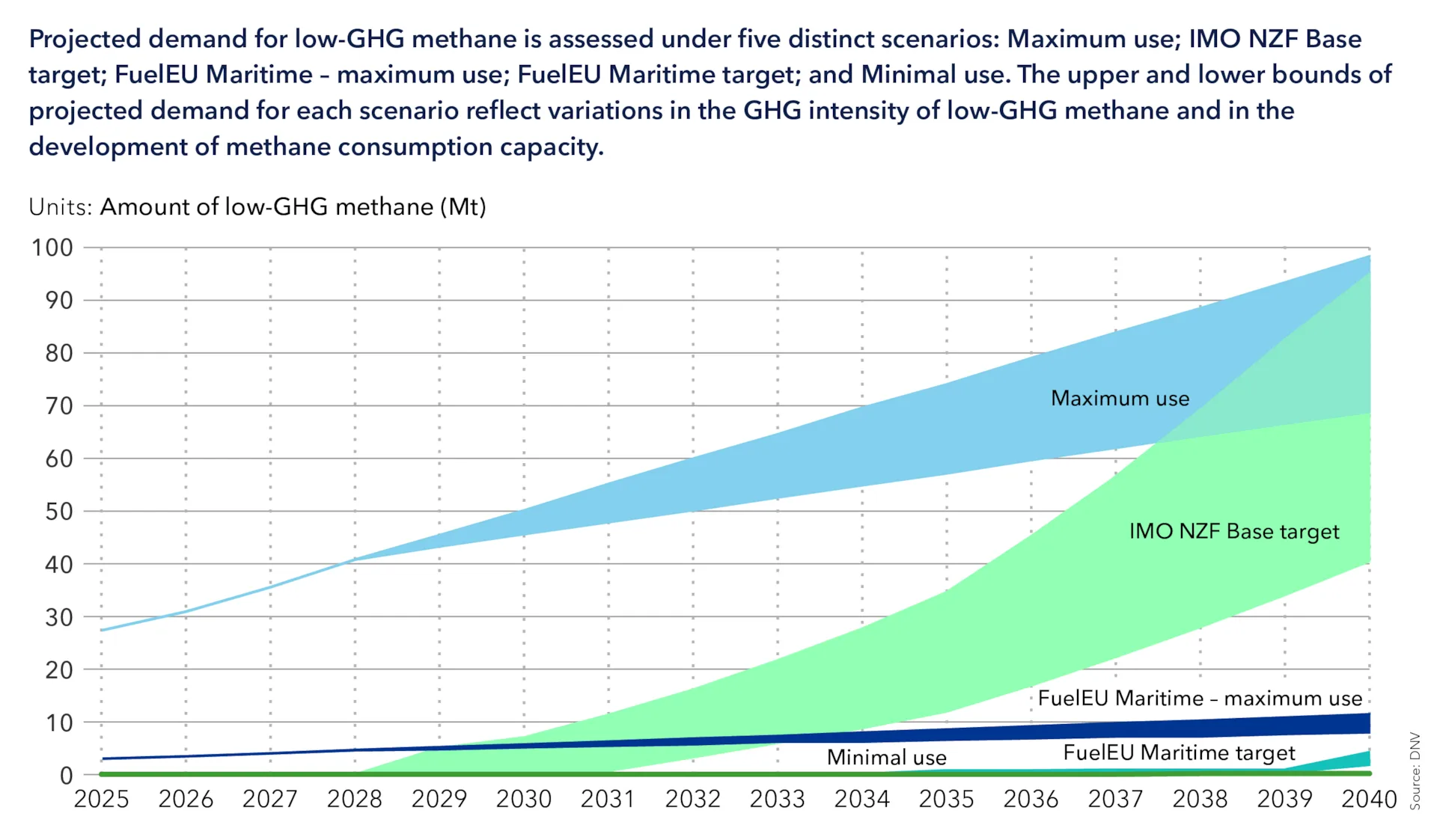
According to demand projections outlined in the paper, compliance-driven low-GHG methane demand under FuelEU Maritime alone could reach 2–4 million tonnes by 2040, rising to as much as 40–95 million tonnes under the proposed IMO Net Zero Framework’s base target.
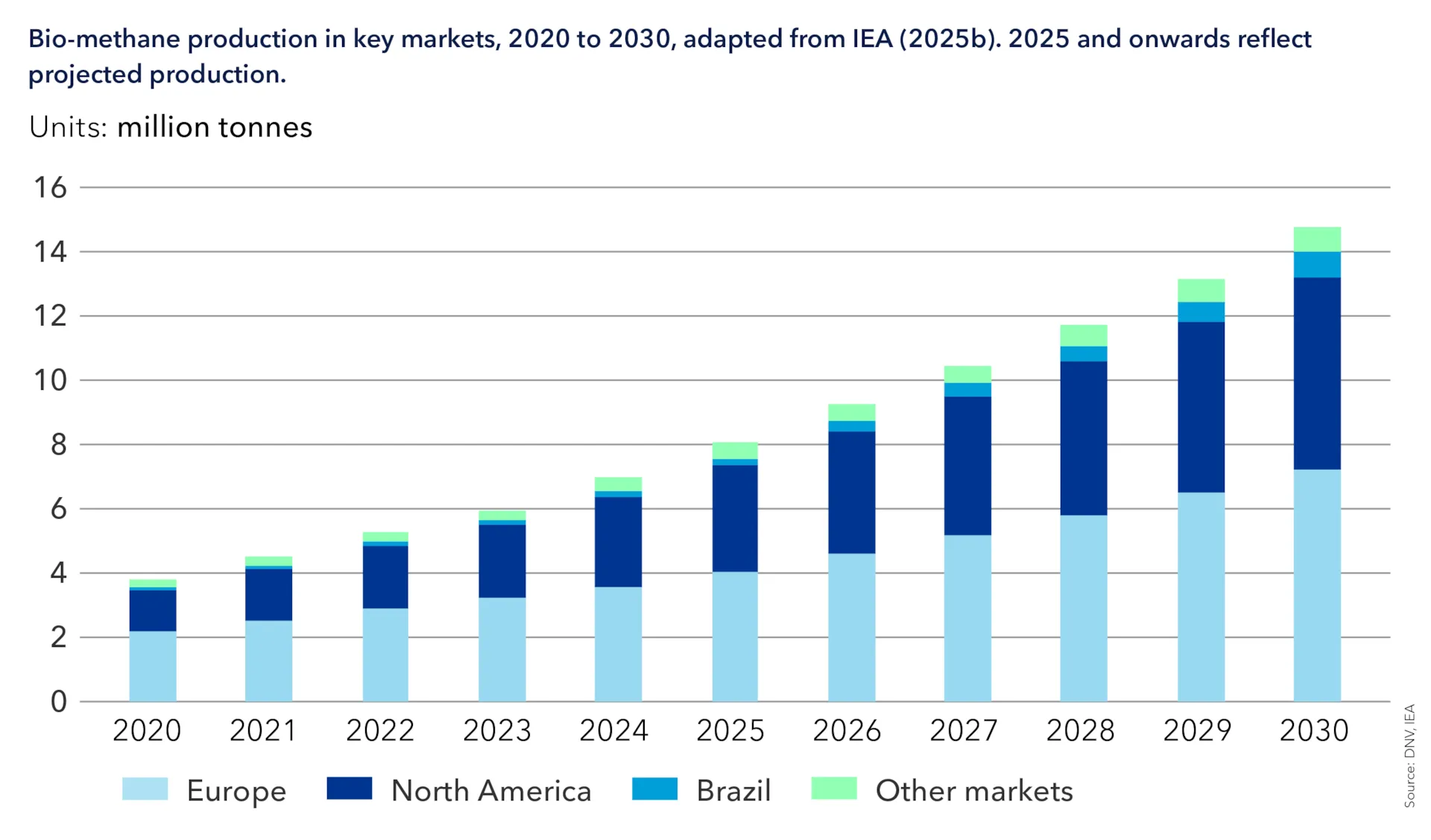
On the supply side, current production of low-GHG methane is limited, but still higher than many other low-GHG fuel alternatives. Global bio-methane production reached around 7 million tonnes in 2024 and is projected to increase to about 15 million tonnes by 2030. E-methane remains nascent, with only 0.01 million tonnes of operational capacity today, but announced projects could lift this to 0.9 million tonnes by 2030.
While there is significant potential to expand the global supply of low-GHG methane beyond today’s production levels, shipping will compete with other sectors for this supply. Most available supply is already absorbed by power generation and road transport, meaning access for shipping will largely depend on its willingness to pay relative to other users.
Note: The full DNV article can be read here.
Related: DNV paper: Existing LNG bunkering infrastructure will ease transition to low‑GHG methane
Photo credit: FueLNG and DNV
Published: 23 June, 2026
Alternative Fuels
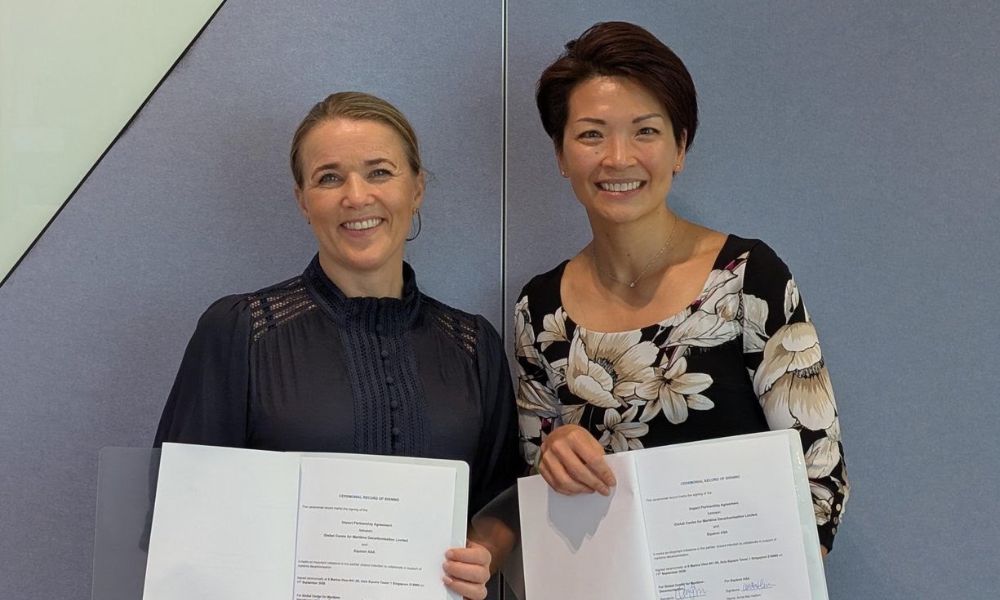
GCMD, Equinor to combine expertise on alternative bunker fuels, decarbonisation solutions
Equinor brings extensive experience to partnership as a vessel charterer and marine fuel supplier, including chartering dual-fuel LNG and methanol tankers, testing biofuels and supplying methanol.
Decarbonisation
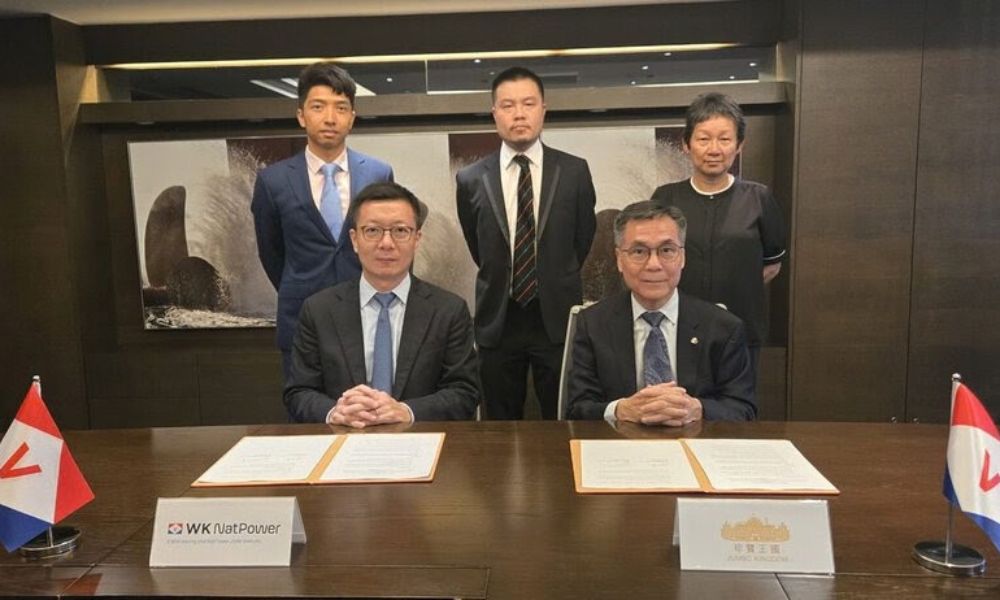
Wah Kwong NatPower, AREL partner on maritime electrification in Hong Kong
Collaboration will examine opportunities to deploy shore power facilities, vessel charging infrastructure and battery energy storage solutions, alongside the development of electric vessels.
Ammonia
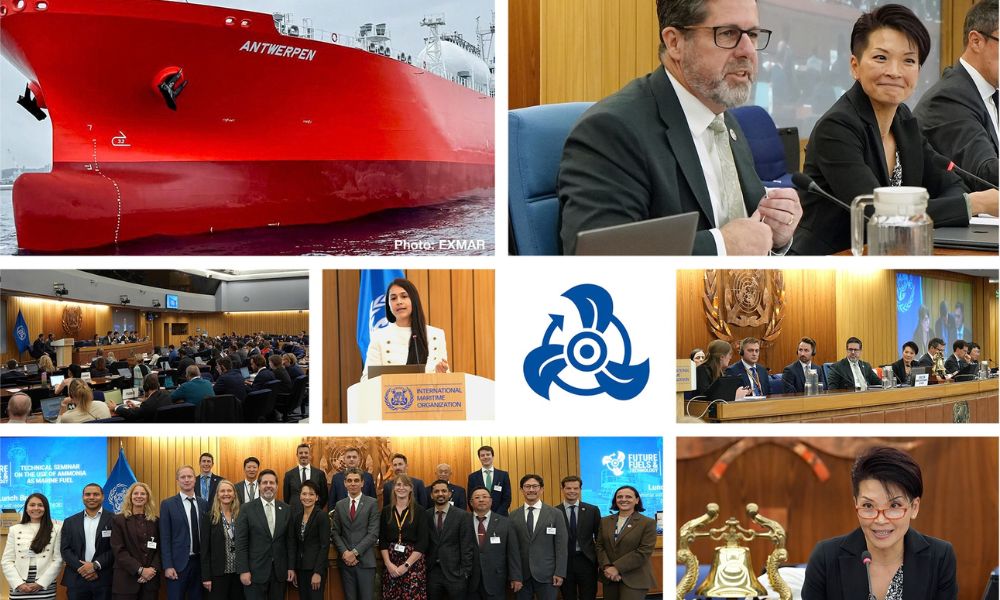
IMO technical seminar examines ammonia bunkering and infrastructure
Around 800 participants exchanged technical information and experiences on the potential use of ammonia as a marine fuel, including developments in production and bunkering and infrastructure.

OUR INDUSTRY PARTNERS

MPA: 25 crew rescued after abandoning “MSC HERMES III” east of Vietnam

GCMD, Equinor to combine expertise on alternative bunker fuels, decarbonisation solutions

Wah Kwong NatPower, AREL partner on maritime electrification in Hong Kong

IMO technical seminar examines ammonia bunkering and infrastructure

Spring Marine to expand use of Sulnox Eco with four-year supply agreement

PortXchange: Rotterdam bunker volume shift offers warning as Spain adopts fuel law

ENGINE: East of Suez Fuel Availability Outlook (22 Sep 2026)

Singapore: Marine fuel testing firm CCIC Singapore faces winding up application

Peninsula confirms one fatality, crew member missing from bunker tanker “Hercules Star”

Singapore: MPA working with industry on next phase of digital bunkering, says Deputy CE

Amogy and LOTTE Fine Chemical to explore ammonia bunkering in South Korea

High Court of Singapore issues winding up order against Hengli Petrochemical International

APPEC 2026: Digitalisation in bunkering not merely a ‘paper-to-screen’ swap, states panellists

Polaris Shipping orders WinGD engines capable of running on methanol, ethanol
-
 Winding up1 week ago
Singapore: Marine fuel testing firm CCIC Singapore faces winding up application
-
 Incident2 weeks ago
Peninsula confirms one fatality, crew member missing from bunker tanker “Hercules Star”
-
 Technology2 weeks ago
Singapore: MPA working with industry on next phase of digital bunkering, says Deputy CE
-
 Ammonia2 weeks ago
Amogy and LOTTE Fine Chemical to explore ammonia bunkering in South Korea
-
 Winding up1 week ago
High Court of Singapore issues winding up order against Hengli Petrochemical International
-
 Technology1 week ago
APPEC 2026: Digitalisation in bunkering not merely a ‘paper-to-screen’ swap, states panellists
-
 Engine2 weeks ago
Polaris Shipping orders WinGD engines capable of running on methanol, ethanol
-
 Financial Result2 weeks ago
Singapore-based Uni-Fuels H1 2026 net income jumps 1,415% to USD 1.4 million