
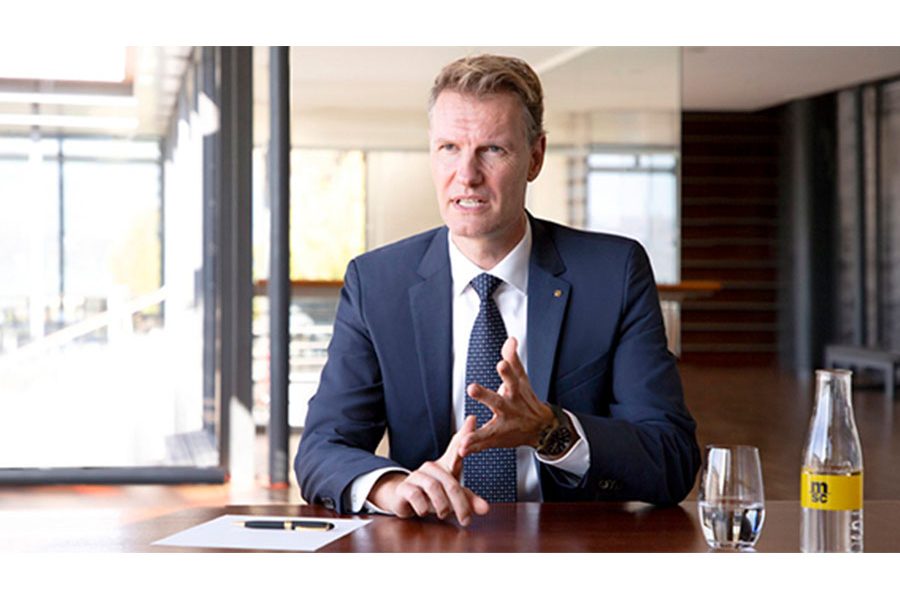

CEOs of 17 members of the World Shipping Council on 3 June jointly delivered an open letter to UN IMO member states to support the proposal...
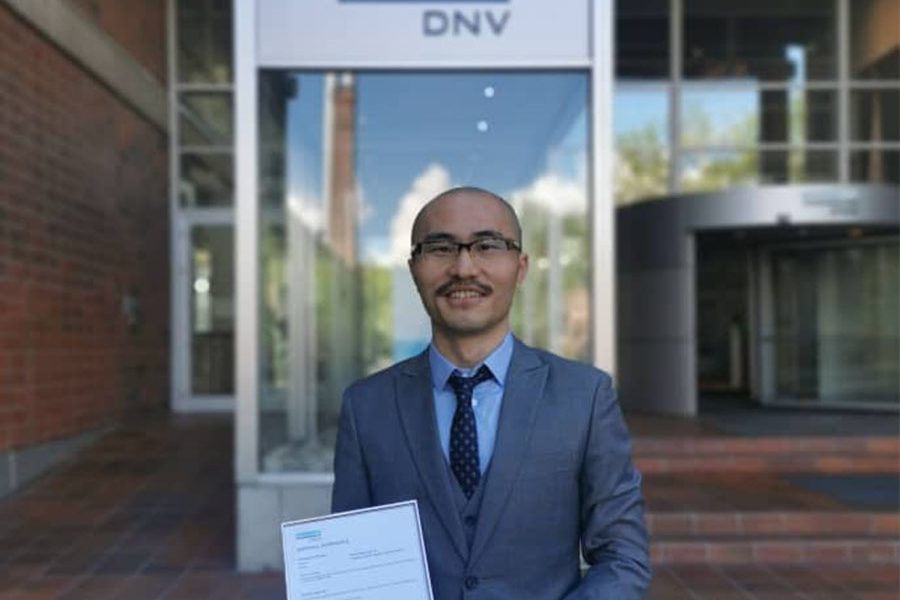

A long-term payment plan of over 5 to 7 years on 60% of the total cost is offered to Newport Shipping clients for its LNG retrofit...

Infineum has been evaluating various test methods to support the industry with a view to finding a new test method to better indicate the suitability of...
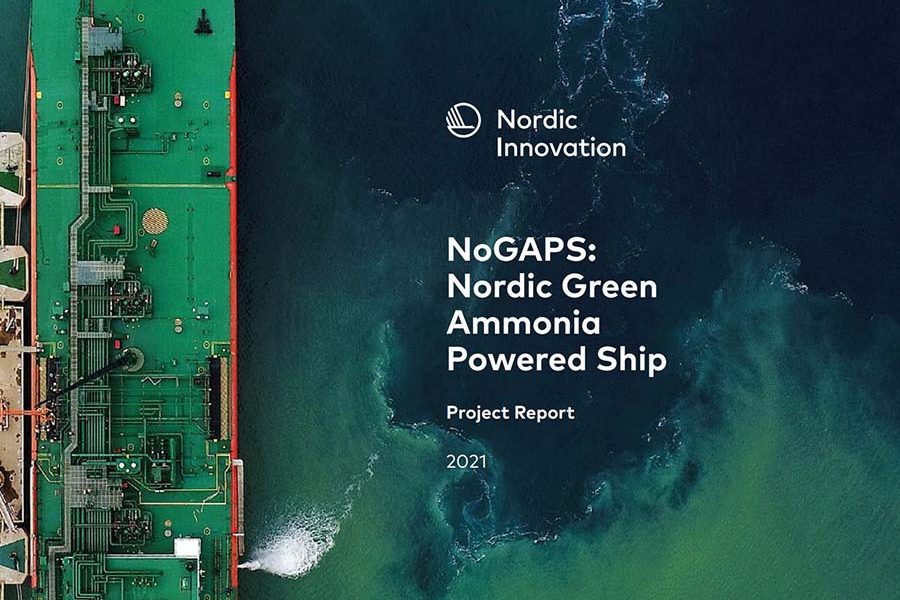

Nordic Green Ammonia-Powered Ship concept study brings together key players in the entire value chain for a green ammonia-powered gas carrier.
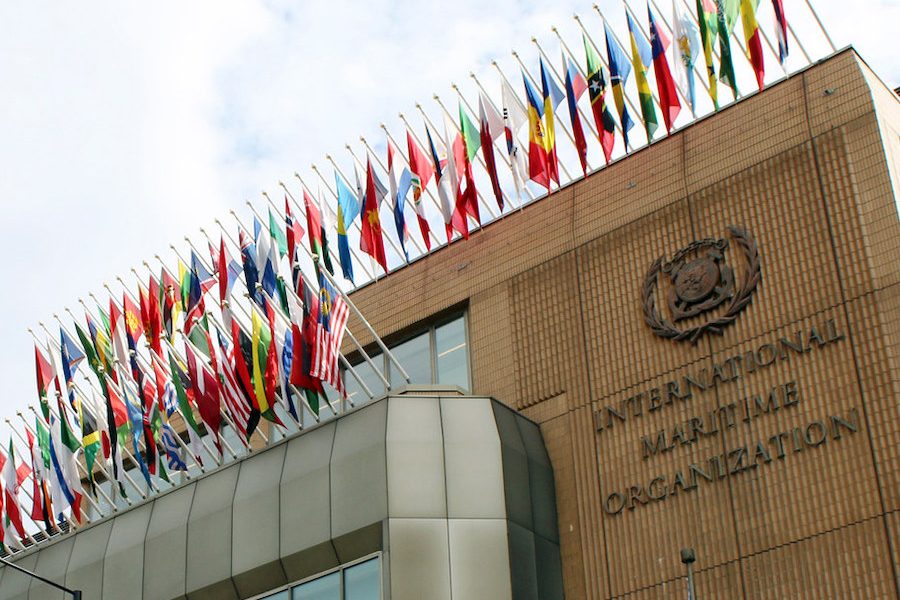

Key topics include action to tackle climate change, the adoption of short-term measures to cut carbon intensity of ships, discussion on the way forward.
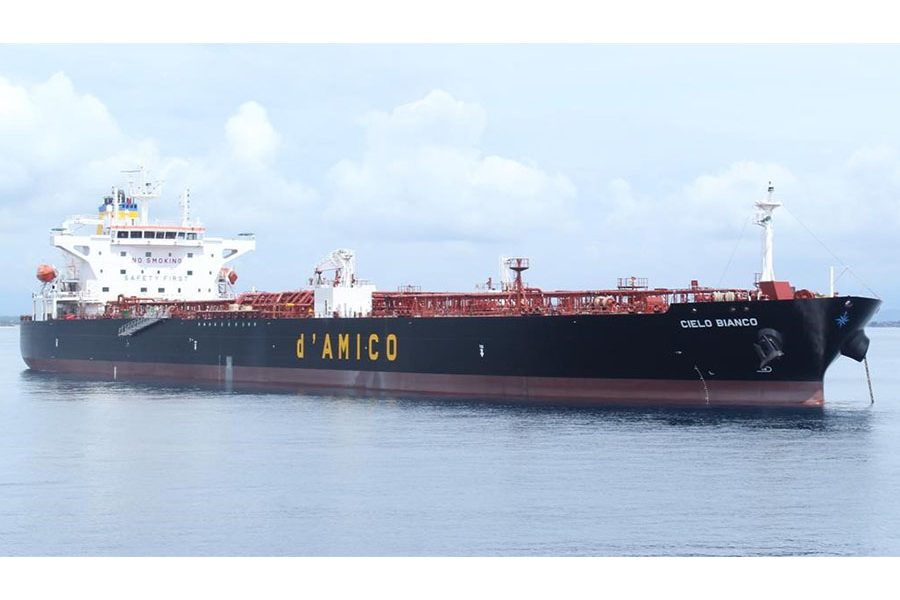

JIP involves d’Amico Group, TRAFIGURA, ABS, RINA, FOBAS, the Liberian Registry and MAN Energy Solutions for testing onboard LR1 tankers.
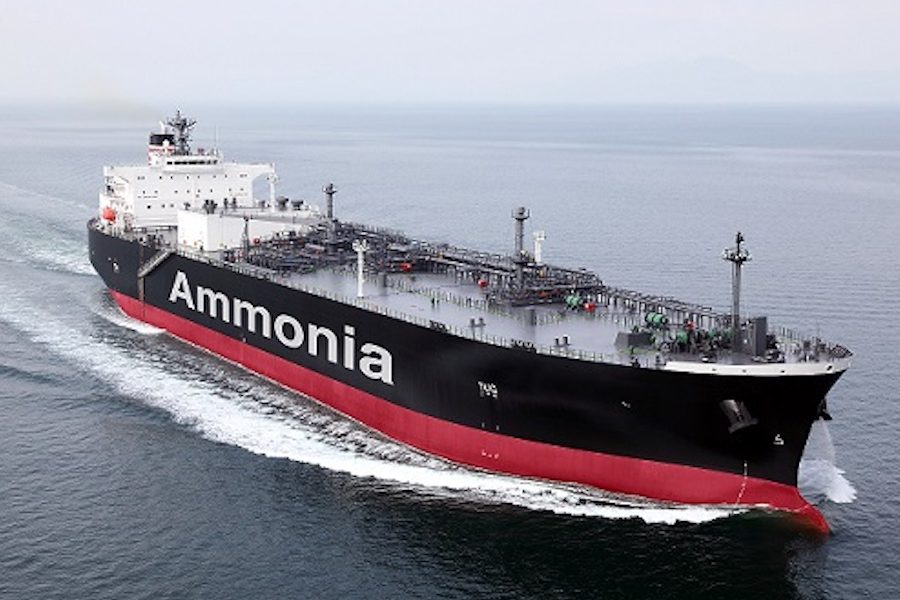

Group will now proceed with studies based on more specific operational requirements, including ship design and development, and more.

Governments of the three countries, together with Global Maritime Forum and Mærsk Mc-Kinney Møller Center for Zero Carbon Shipping, will spearhead initiative.

Upstream development of necessary global delivery infrastructure for sustainable low or zero carbon bunker fuels will be expedited if MBMs are introduced.


Japan's Yokohama port is advancing its plan to start up LNG bunkering operations as part of a strategy to become a carbon-neutral port.


