

Study by Ricardo Energy & Environment mapped existing standards, regulations and calculation methods and tools, with Well-to-Tank and Tank-to-Wake emissions.

Vessels will be equipped with ammonia intermediate ready bunker fuel tanks for retrofitting to run on ammonia, when technology is commercially available.



Navantia and Repsol have signed a collaboration agreement to jointly develop innovative solutions with the aim of decarbonising maritime transport.
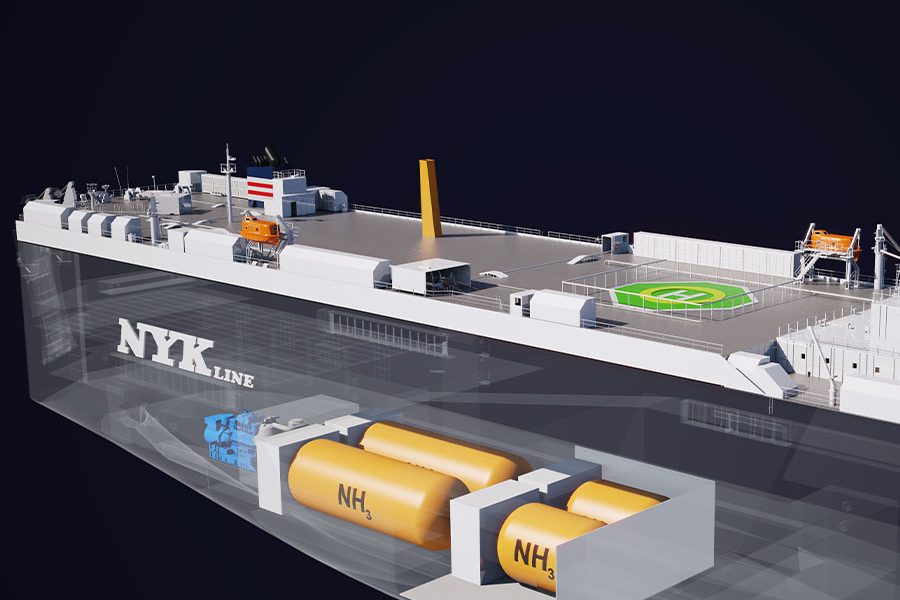

‘We plan to offer customers ARLFV contracts in 2023 and aim to complete building the first ARLFVs in 2025,’ notes Nippon Yusen Kabushiki Kaisha.
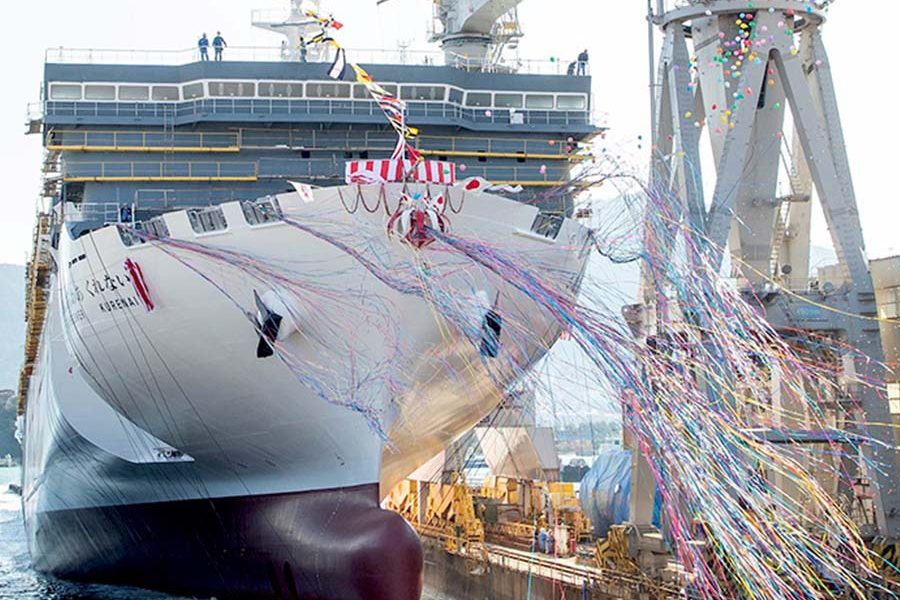

Vessel slated to enter service on Osaka-Beppu route operated by Ferry Sunflower Co., Ltd. from January 2023, according to Mitsui O.S.K. Lines.
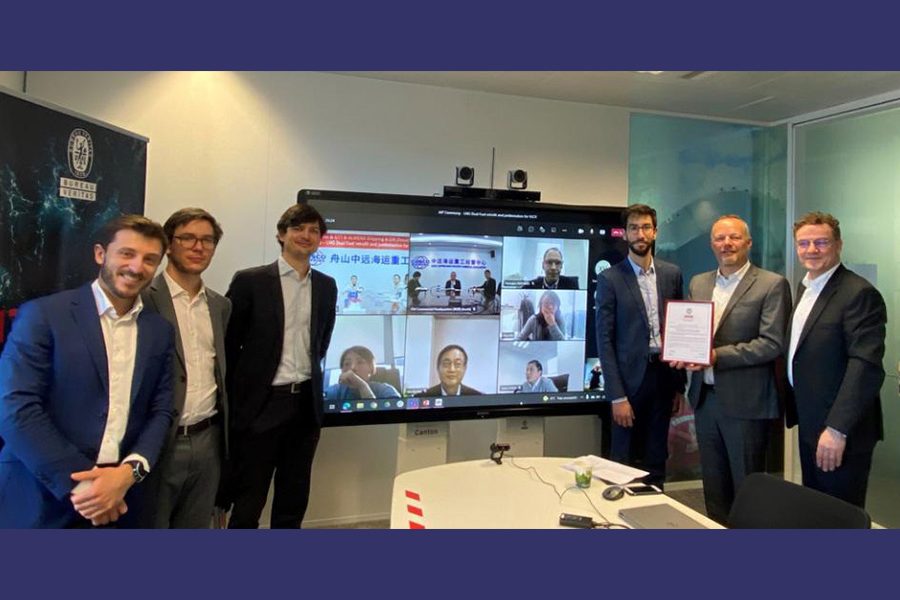

Joint work by GTT, Alwena Shipping and CHI Zhoushan offers a way to decarbonise part of a container ship fleet which is currently in operation.
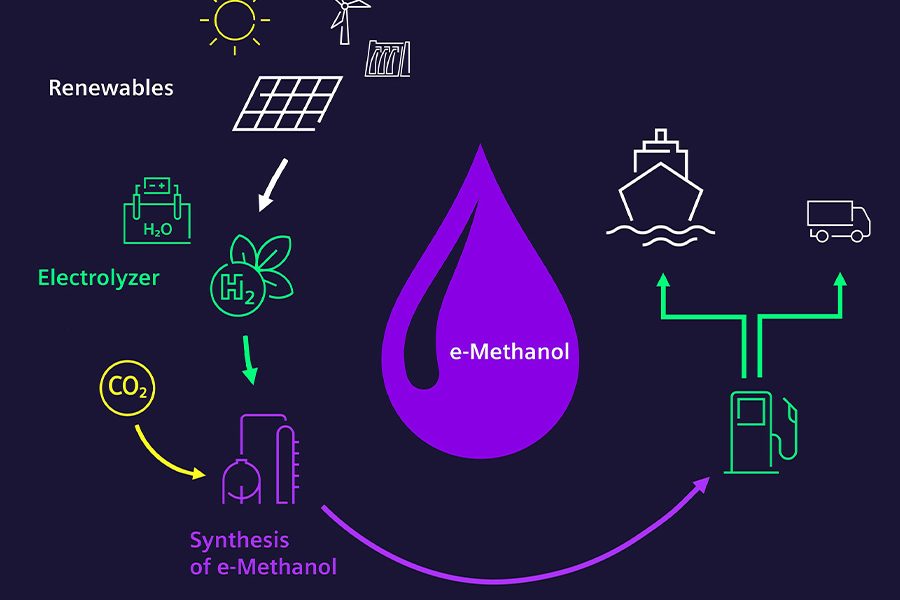

European Energy developing large-scale commercial e-Methanol production facility with hydrogen being provided by a Siemens Energy electrolyzer plant.
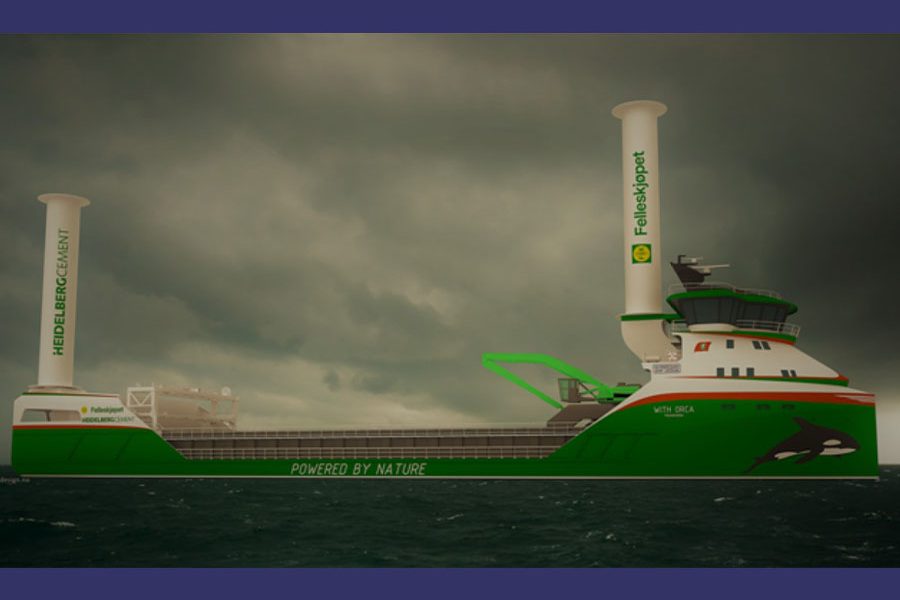

Significant part of energy required to operate the 88 m/5,500 tonne vessel will be harvested directly from the wind through two large rotor sails.
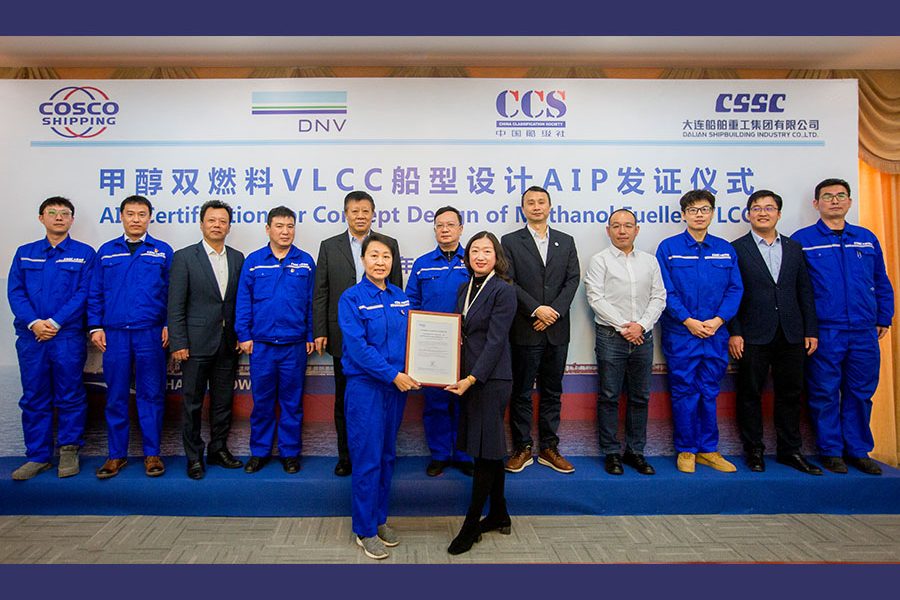

Developed by Dalian Shipbuilding Industry Company for COSCO SHIPPING Energy Transportation, it is the first methanol-fuelled VLCC design from China.


The shipping industry is rediscovering propulsive potential of wind as IMO 2050 and rising fuel prices underline need to cut fuel consumption and carbon output.


