


‘We applaud Singapore’s commitment to move towards 100% zero-emission port and ships through its 2050 net zero emissions targets,’ says spokesman.
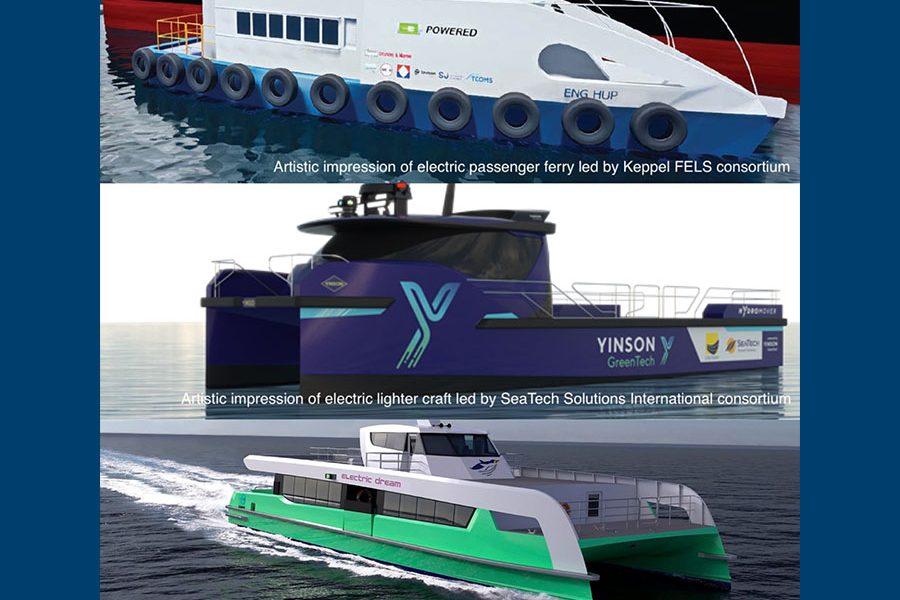

From 2030, new harbourcraft operating in port must be fully-electric, or be capable of using B100 biofuels or be compatible with net-zero fuels, says MPA CE.
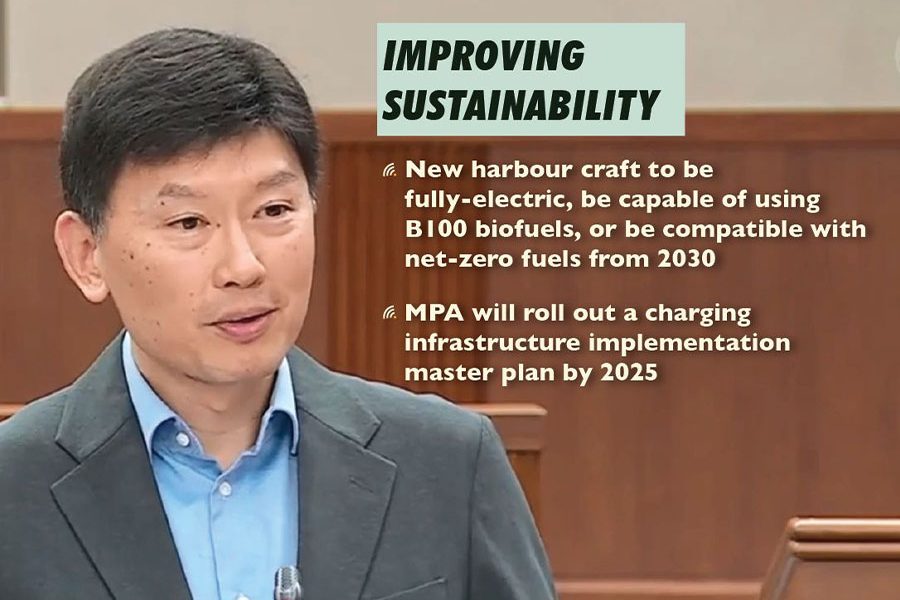
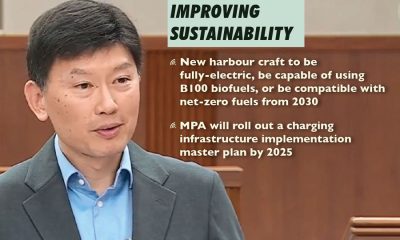

Factsheet outlines Pathways for Alternative Fuels, Green and Digital Shipping Corridors, and Development of Electrification Technology, amongst others.

Well-to-tank emissions from ammonia fuels still need to be better understood to assess the overall viability of ammonia-based alternative fuel pathways, states MMMCZCS.


Value Maritime’s CCS technology allows vessels to capture up to 40% of CO2 emissions, with potential of exceeding 90% in future; Filtree System has been installed...
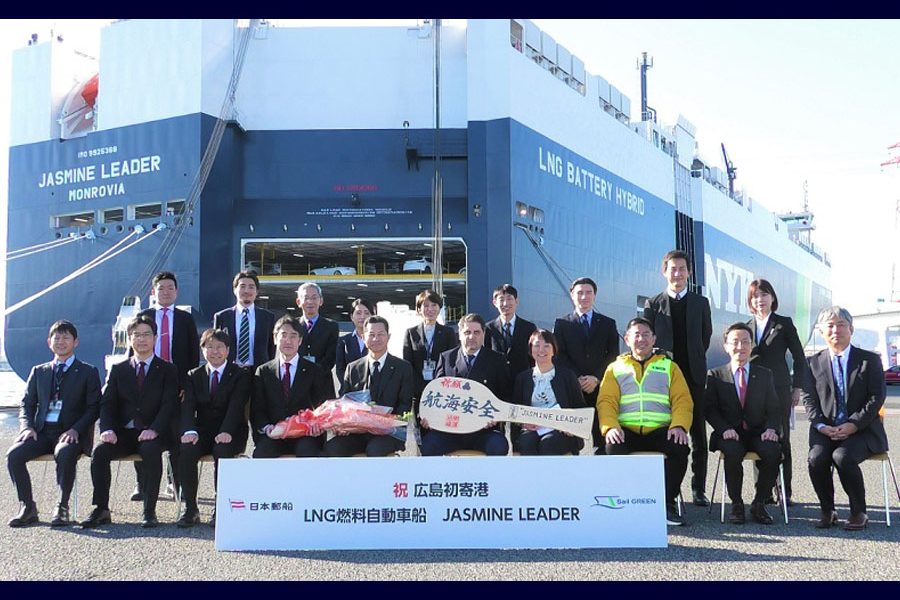

Vessel received LNG fuel from Kaguya, an LNG-bunkering ship operated by Central LNG Marine Fuel Japan Corporation, according to NYK Line.
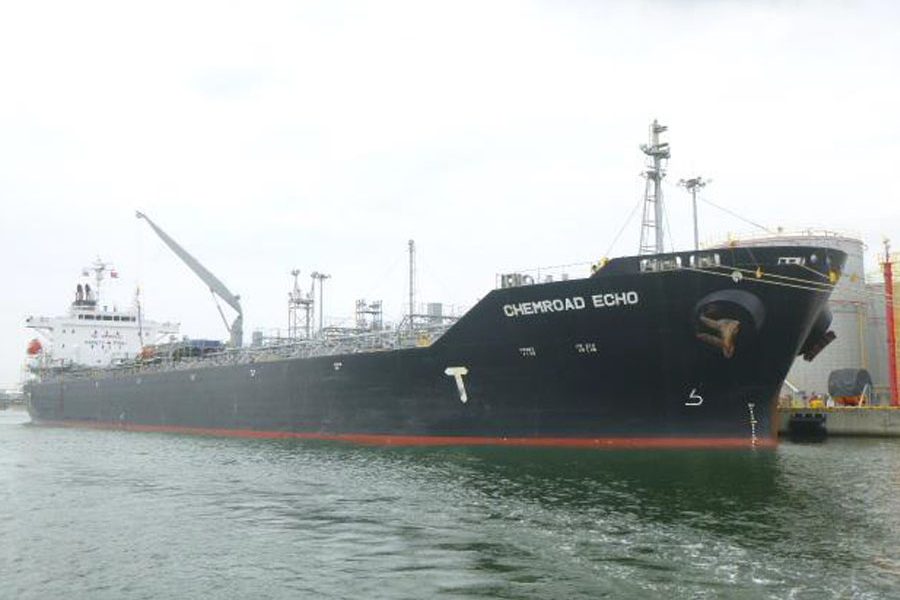

ISCC certified biofuel bunker blend was delivered in Singapore by bp on 18 December, 2022; product consisted of 24% FAME blended with VLSFO.
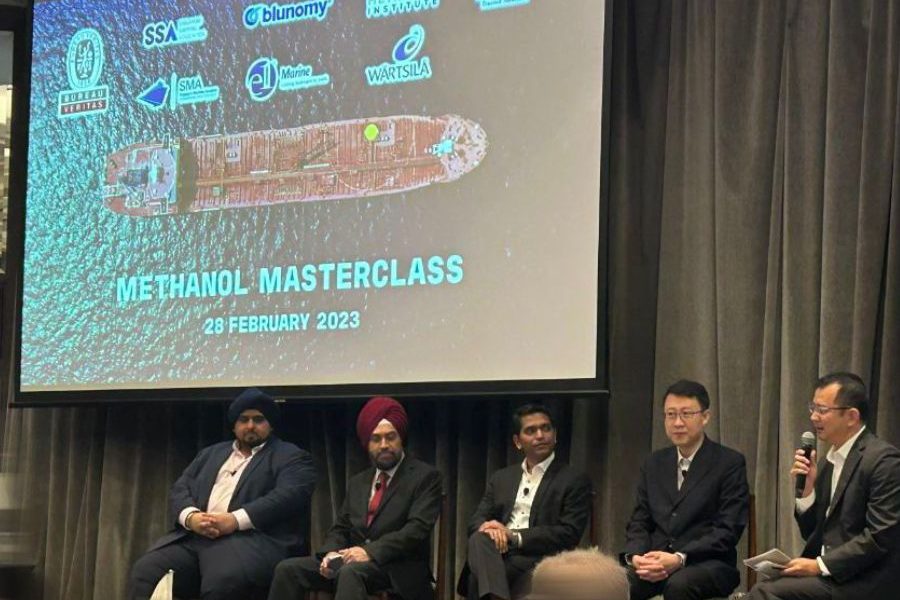

Dr Liu Ming, shared MESD's work on methanol as a future alternative bunker fuel for Singapore harbour craft community and provided an overview of green methanol...
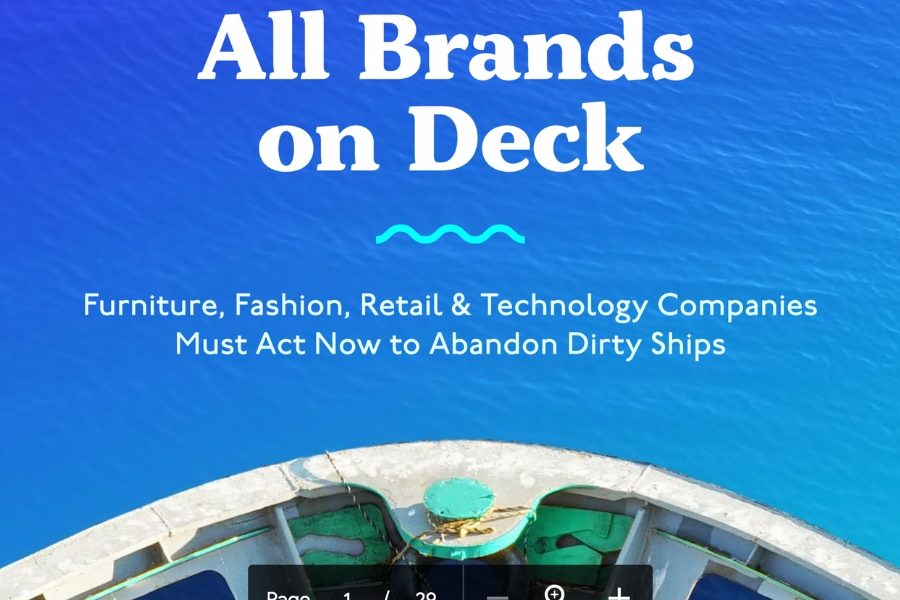

Walmart, Target and Home Depot produced the majority of climate and air pollution of all companies analysed through their ocean import practices in 2021.


Japanese shipping firm Nippon Yusen Kaisha (NYK) has launched its third LNG-fuelled car carrier, advancing in its goal of operating 20 such carriers by March 2029.


