

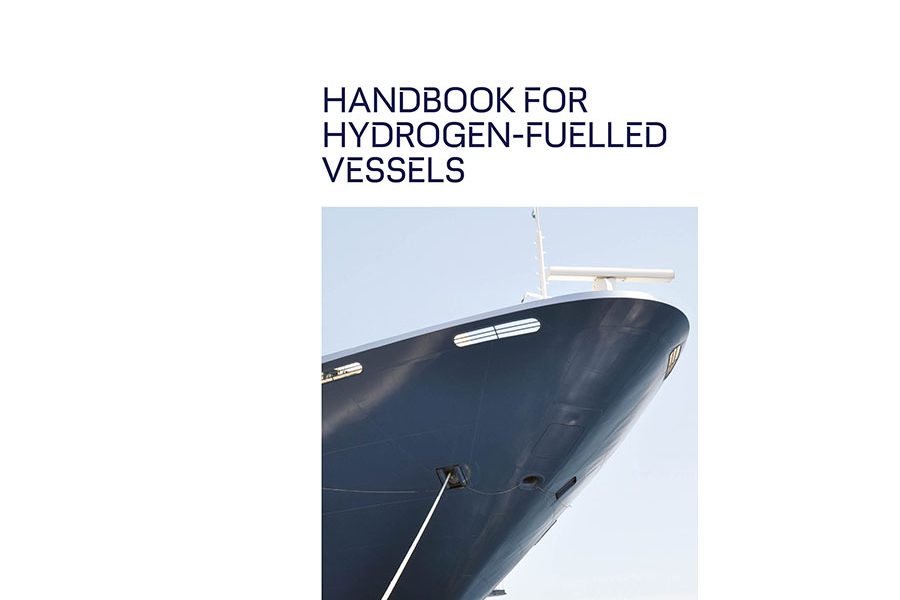

The Handbook for Hydrogen-fuelled Vessels offers a roadmap towards safe hydrogen operations using proton exchange membrane fuel cells (PEMFC).
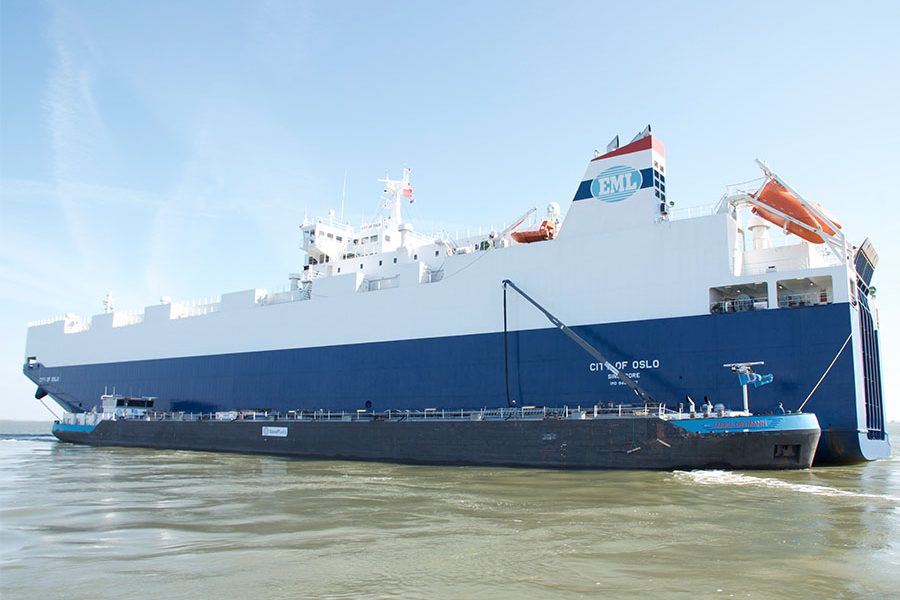

GoodFuels bunker biofuels will reduce City of Oslo’s carbon emissions by between 80% to 90% compared to fossil fuel equivalents from well-to-exhaust, says the firm.



Composite tech offers a competitive alternative to marine LNG fuel tanks, principally for small, short sea shipping applications where weight is an issue.
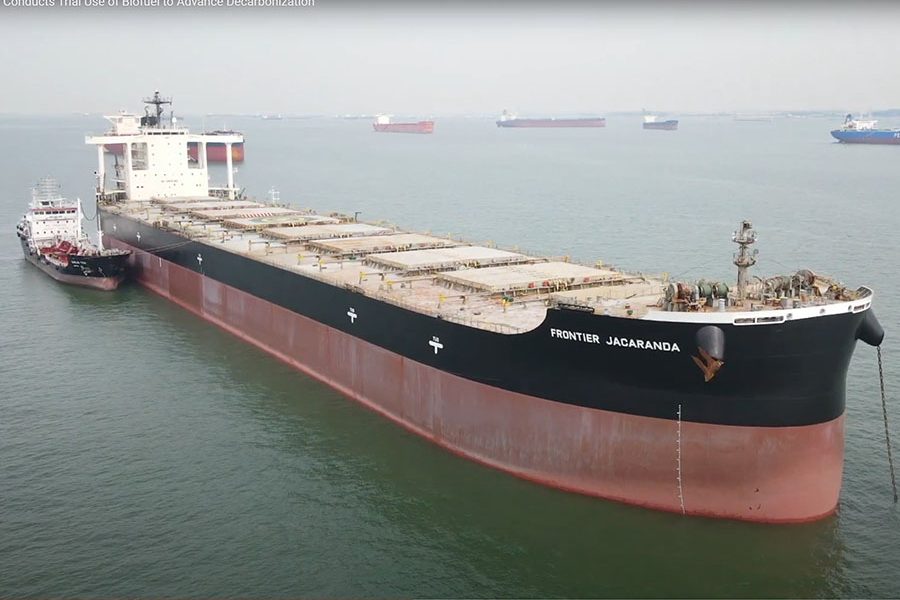

Toyota Tsusho Petroleum supplied the biodiesel blend (consisting of 7% biofuel and 93% regular fuel) produced by Alpha Biofuels via local shore tanks.
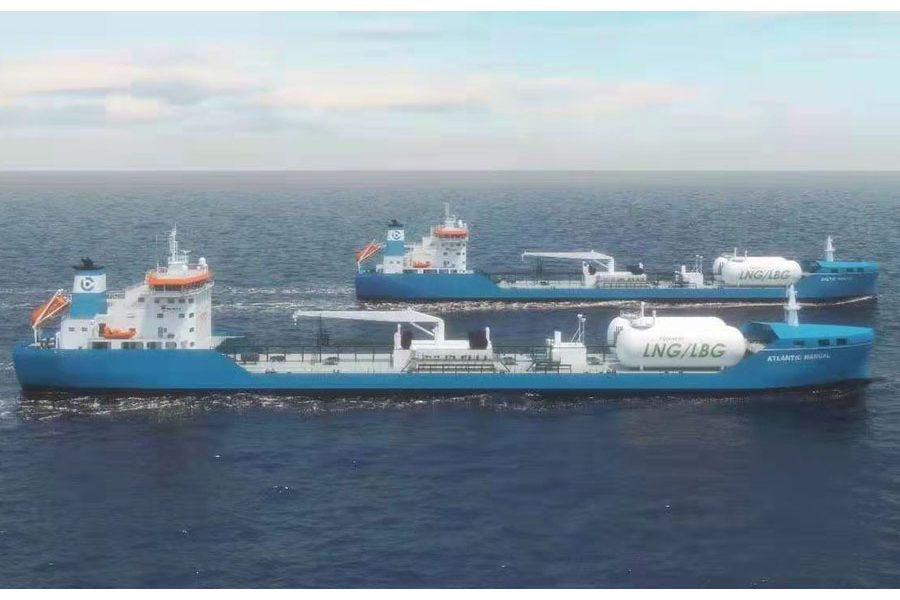

Gloryholder LPG will be responsible for providing the complete LNG fuel gas supply system and its accompanying support services including crew training.
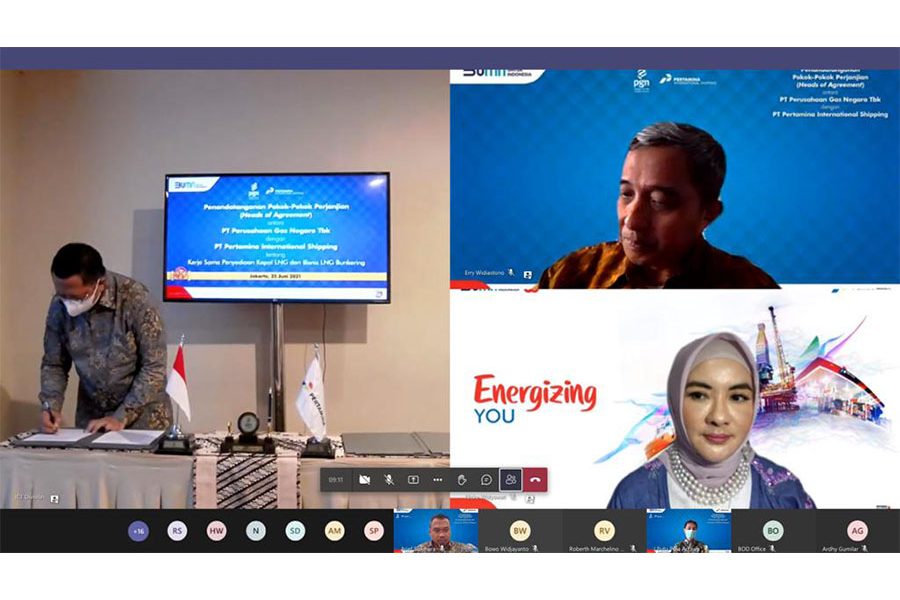

PT Perusahaan Gas Negara and PT Pertamina International Shipping enter into an internal collaboration agreement for increased synergy within group.
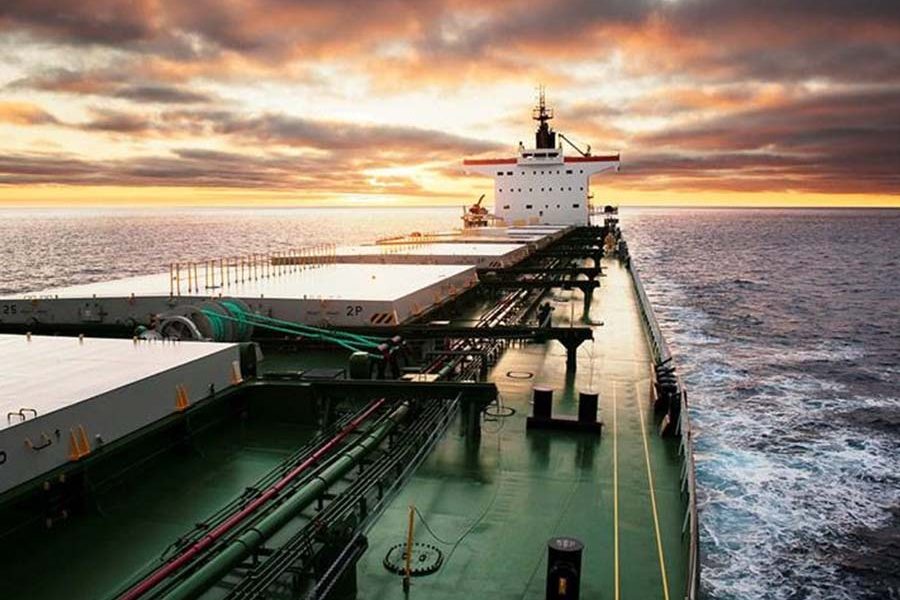

Danish Energy Technology Development and Demonstration Program (EUDP) awarded project funds to Skovgaard Invest, Vestas, and Haldor Topsoe.
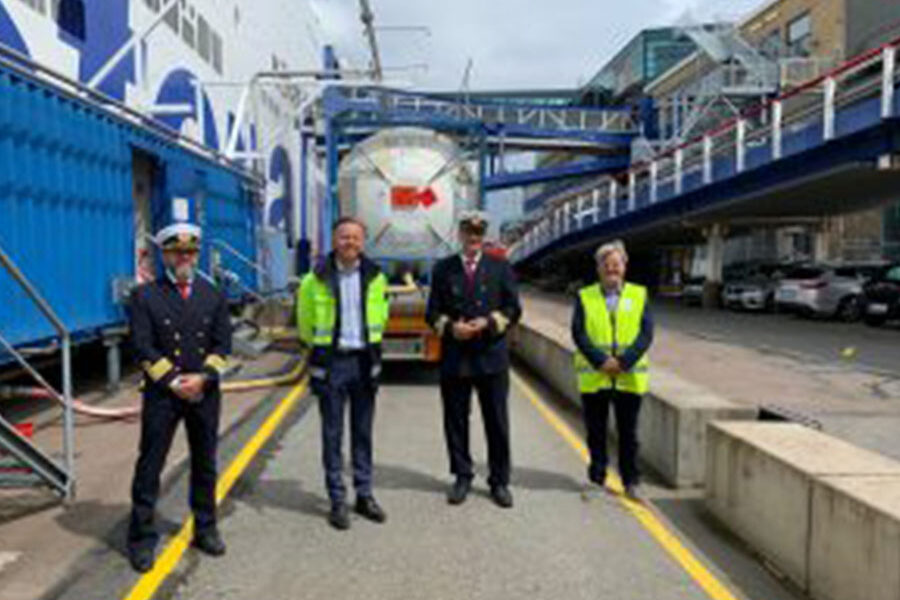

Development part of results from the EU-funded FReSMe project to convert CO2 to methanol via steel production to power marine transport.
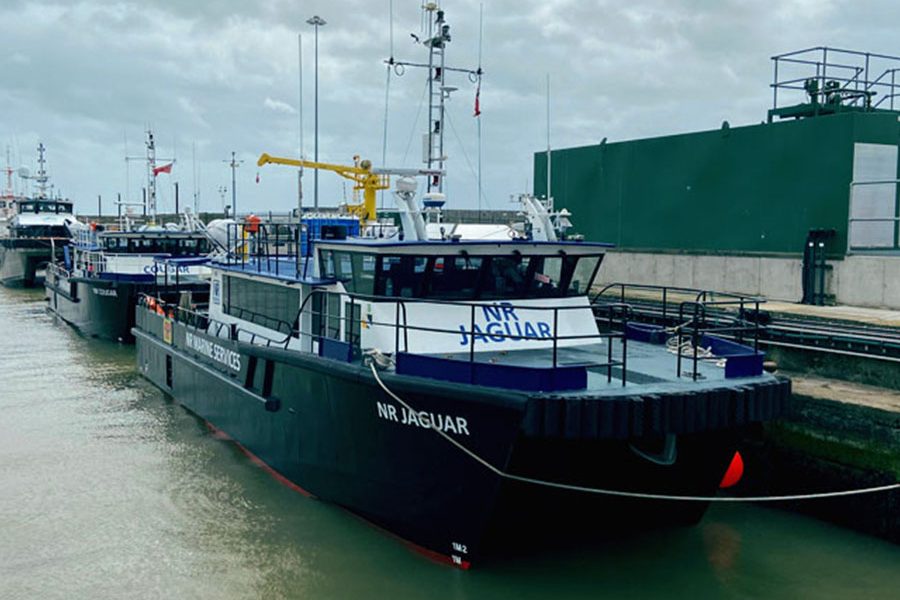

The renewable vessel fuel HVO30 is made from 30% hydrogenated vegetable oil and a marine gas oil fuel blend, according to ScottishPower Renewables.
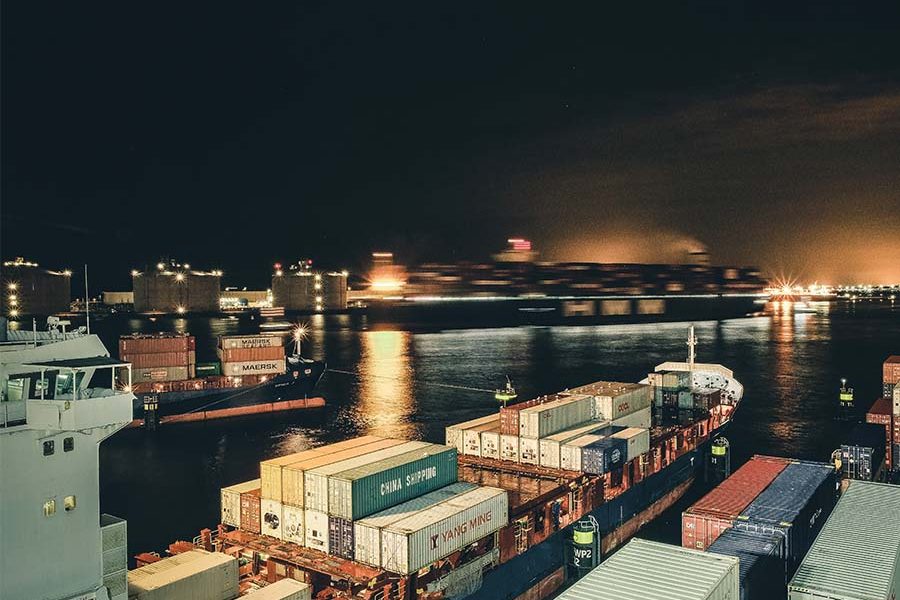

International Sustainability and Carbon Certification certified B20, B30 and B50 biofuel blends will help clients reduce GHG emissions.


