

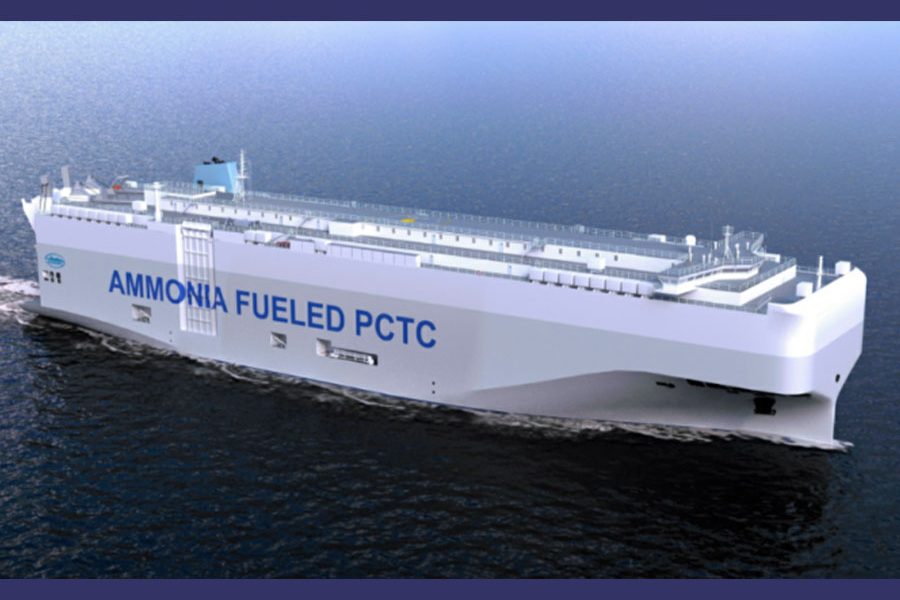

‘Urgent need’ for low- and zero-carbon alternative bunker fuels in shipping and shipbuilding sectors, observes China State Shipbuilding Corporation.
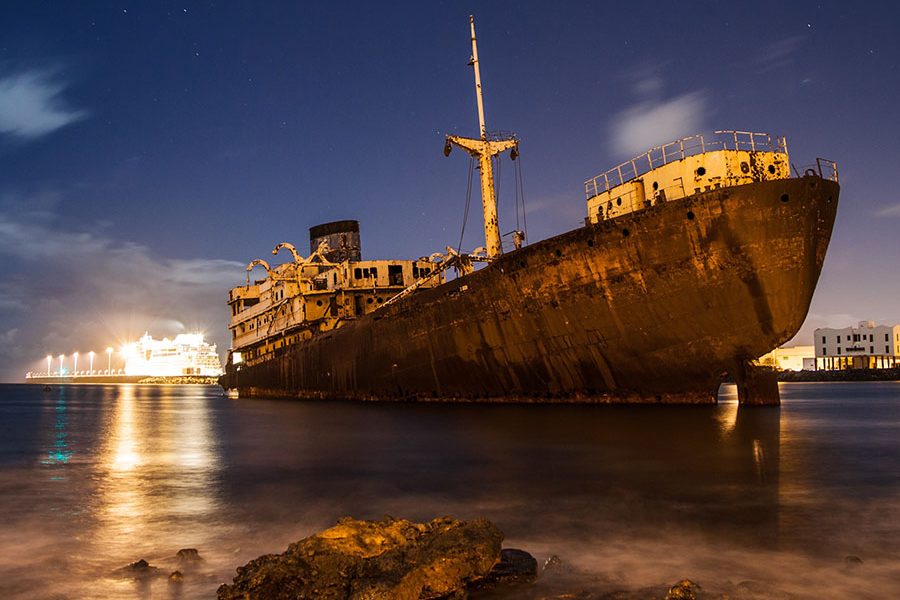

100% biodiesel can hold 15 to 25 times more water compared with 100% diesel fuel, according to Pierre Poitras, Technical Consultant at Conidia Bioscience.
-300x200-1-900x600.jpg "MOL purchases carbon credits to offset CO2 emissions from repositioning of EV bunker tanker 32")
-300x200-1-400x240.jpg "MOL purchases carbon credits to offset CO2 emissions from repositioning of EV bunker tanker 33")
-300x200-1-80x80.jpg "MOL purchases carbon credits to offset CO2 emissions from repositioning of EV bunker tanker 34")
EV bunker tanker “Asahi” scheduled for delivery by end March will be repositioned to Kawasaki City in Kanagawa Prefecture where power supply facility is located.
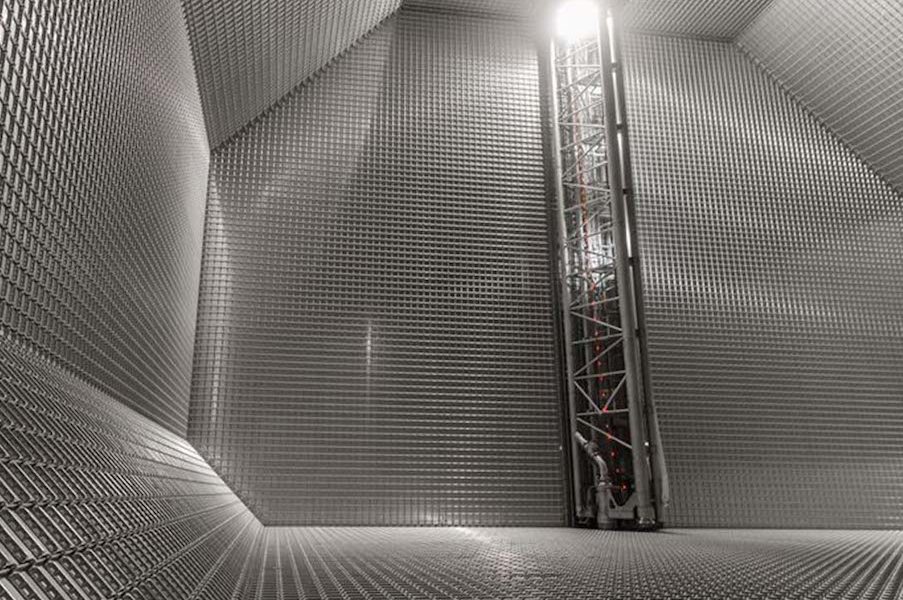

LNG bunker fuel tanks will include unique features to facilitate a potential conversion of these vessels to use ammonia as a marine fuel.
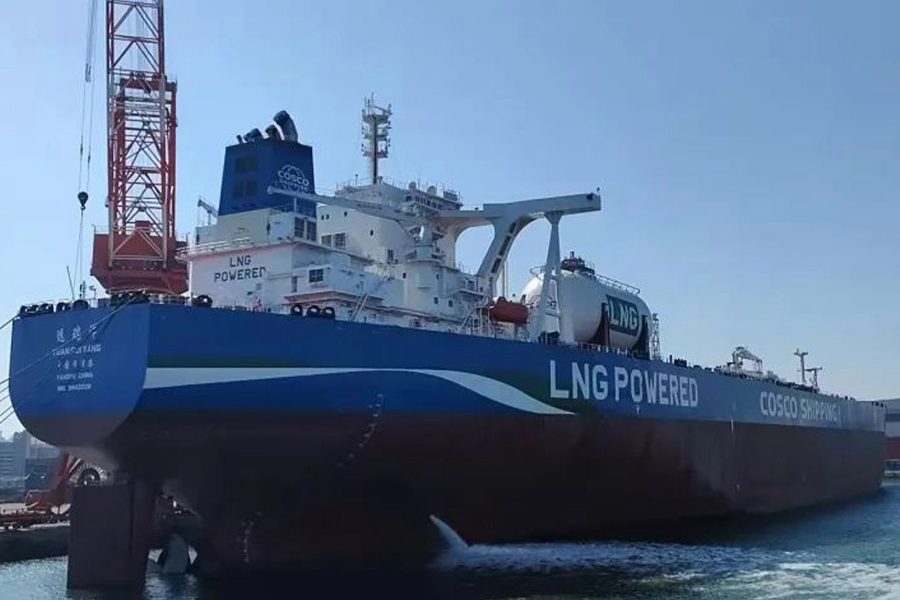

Delivery of LNG DF VLCC marks COSCO SHIPPING being at the forefront in the application of green, environmental protection and energy-saving technologies, says firm.



Maersk, Keppel O&M, Sumitomo, Yara, Maersk Mc-Kinney Moller Center for Zero Carbon Shipping, starts feasibility study for green ammonia bunkering.
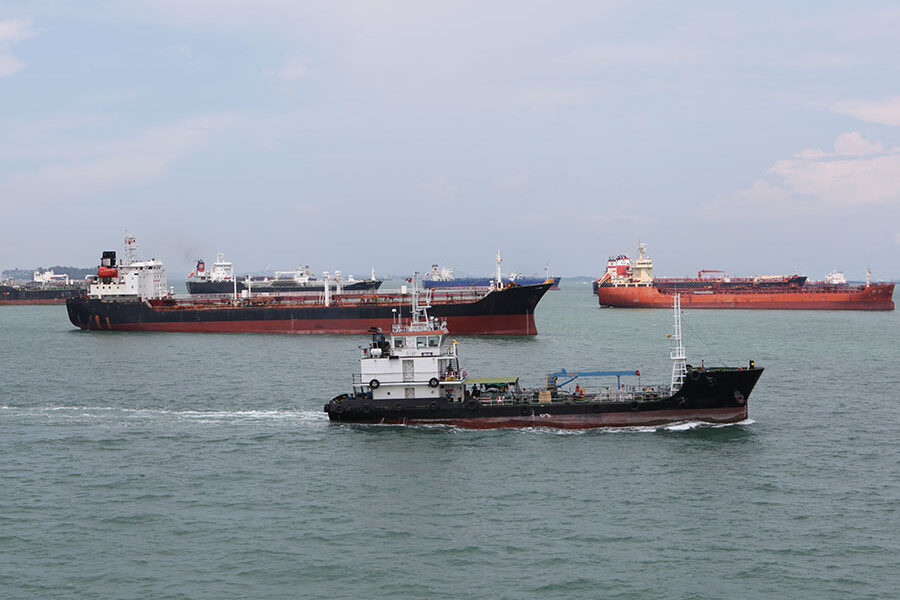

‘We appreciate the support of the Maritime and Port Authority of Singapore in facilitating these initial, trial deliveries,’ says Mike Muller, Head of Vitol Asia.
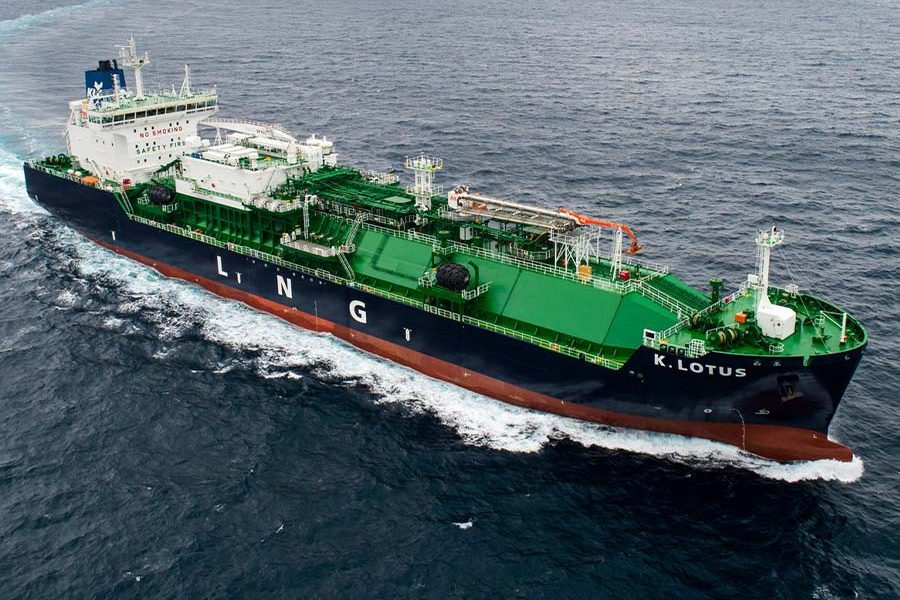

18,000 cubic meter K. LOTUS is scheduled to operate at Rotterdam, the Netherlands from April onwards, according to the Korean shipbuilder
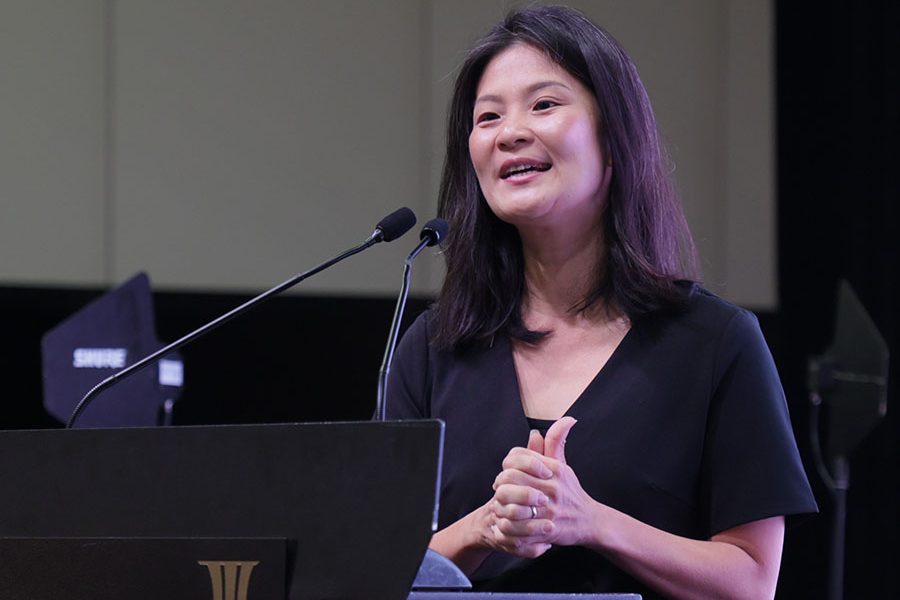

Digitalisation, Decarbonisation, and Disruption fronts have even bore fruit for the republic despite Covid-19, says MPA Chief Executive Quah Ley Hoon.
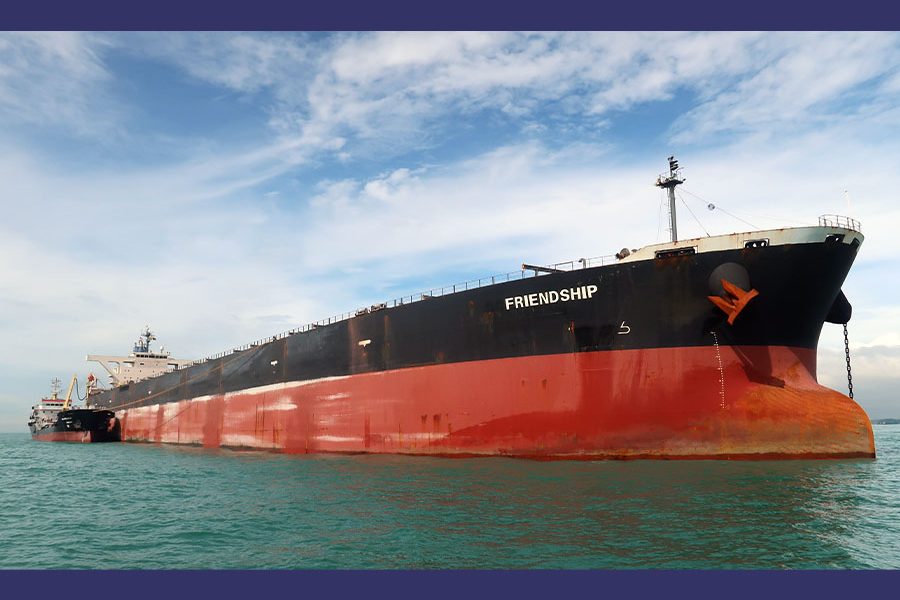

Local operation possible with support from MPA and the involvement of local partners, including V-Bunkers and Vopak Terminals Singapore at Penjuru.


