
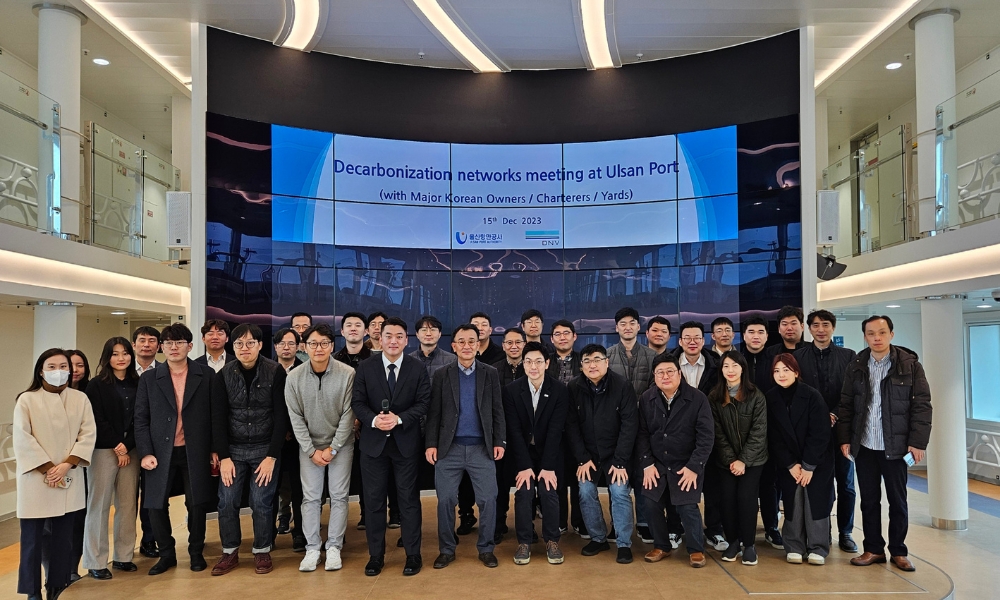

Ulsan Port reaffirmed its pledge to environmentally friendly shipping practices by becoming a member of DNV Korea’s Decarbonization Network.
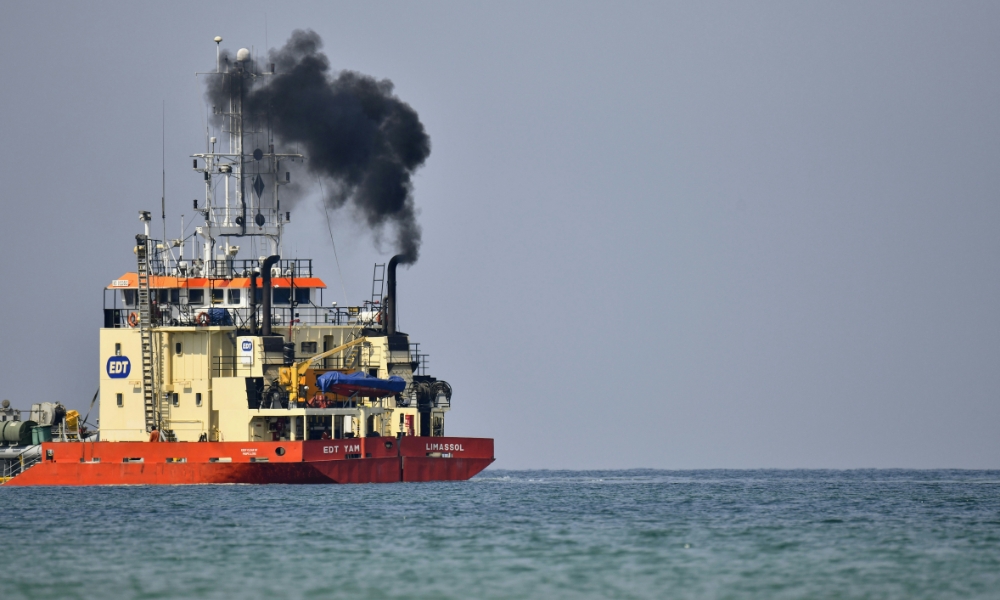

MEPC 81 continued its negotiation of GHG fuel intensity requirements, potentially in combination with a GHG pricing mechanism; approved proposals to designate Canadian Arctic and Norwegian...

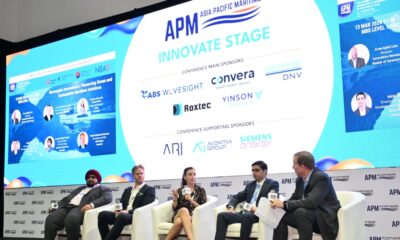

DNV believes it is possible to meet IMO GHG 2030 goal which requires shipping to secure 30–40% of estimated annual global supply of carbon-neutral bunker fuels,...

Updated Framework and extended heatmap report from MTF deliver a comprehensive view on current bunker fuel options and updates criteria to compare them.

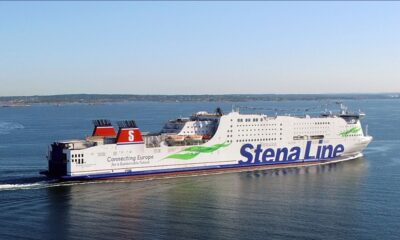

Report shows TCO for passenger ships retrofitted with methanol dual-fuel engines to be more than double the cost of blended fuel (Blend B30), HFO and HFO...
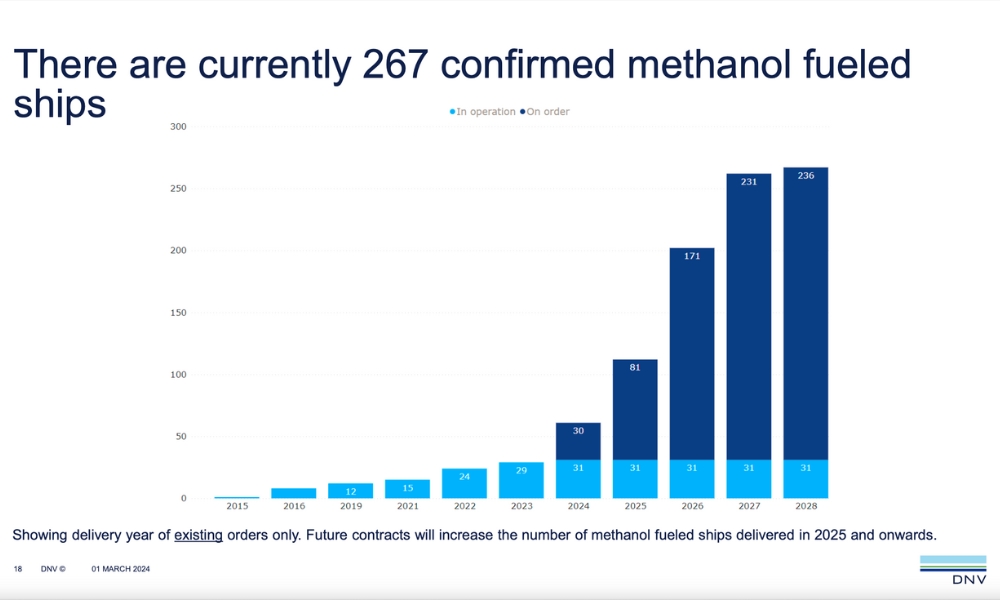

This brings the total number of methanol-fuelled vessels, in operation or on order, to 267 in February from 257 in January, according to DNV’s AFI.
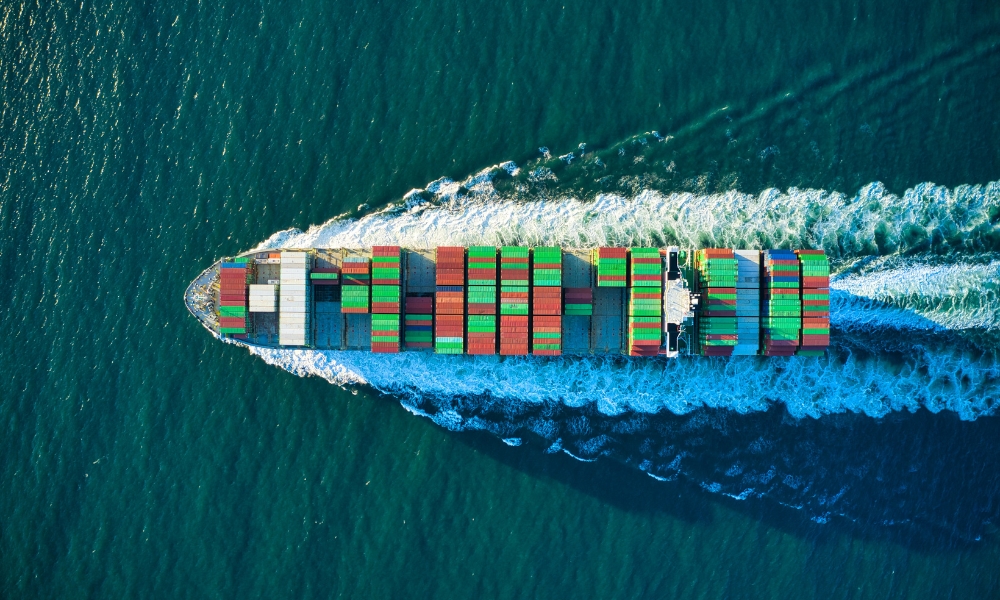

DNV’s Alternative Fuels guidance paper has been updated to include various engineering aspects as well as a detailed commercial case study for a methanol-fuelled 5,500 TEU...

LR assessment involved lab testing and a field trial, which resulted in an Additive Performance Certificate and Statement of Fact.

BMT Bunker und Mineralöltransport GmbH completed a digital delivery of 1,254 metric tonnes of Neste Marine™ 0.5% using FuelBoss.

Development to introduce e-BDN equivalent systems for Singapore’s bunkering sector will likely result in about USD 50 million in savings when considering the annual bunker volume...


