

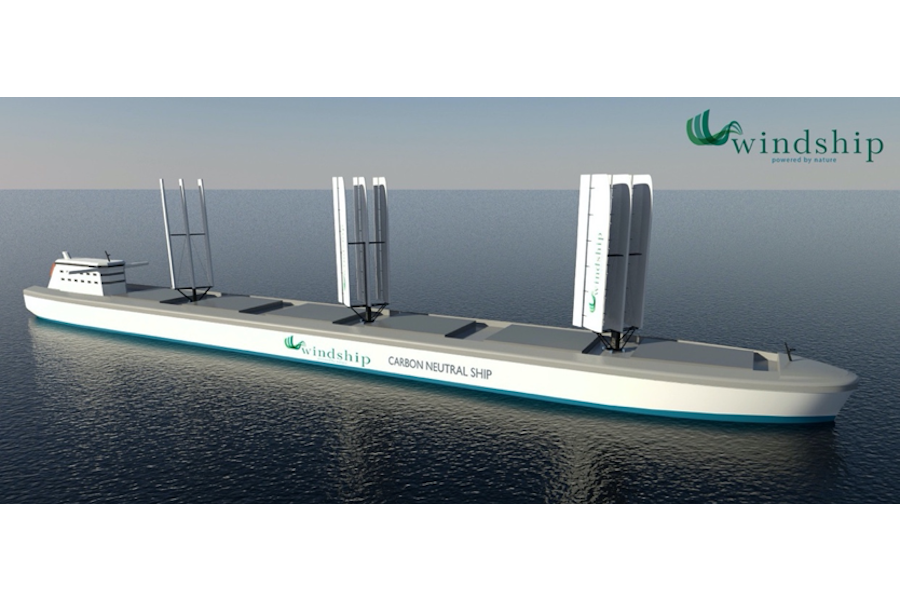

Reductions in engine revolutions and ship functions optimisation can save up to 80% of fuel, bringing the possibility of a carbon neutral ship before 2050.
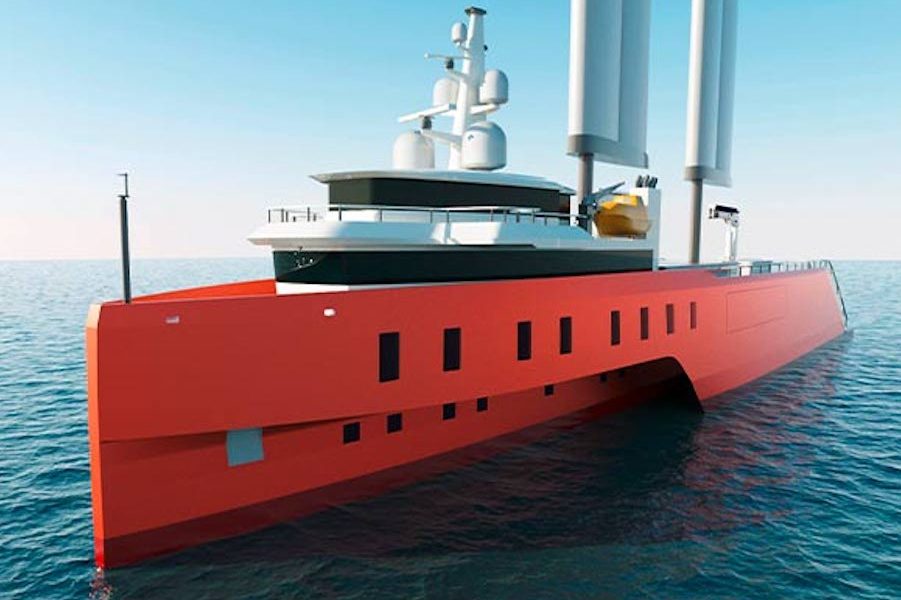

Analyses innovations in the wind propulsion sector and how it can enter the mainstream to realise its carbon abatement and fuel-saving potential.
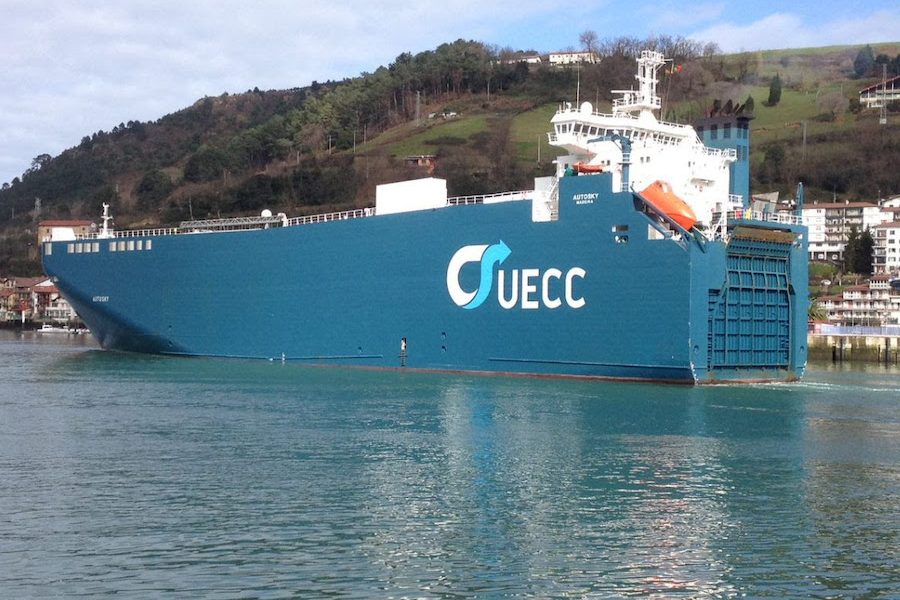

M/V Autosky will test Bio-Fuel Oil on its normal route, reducing more than 6,500 metric tonnes of CO2 emissions on a well-to-wake basis.
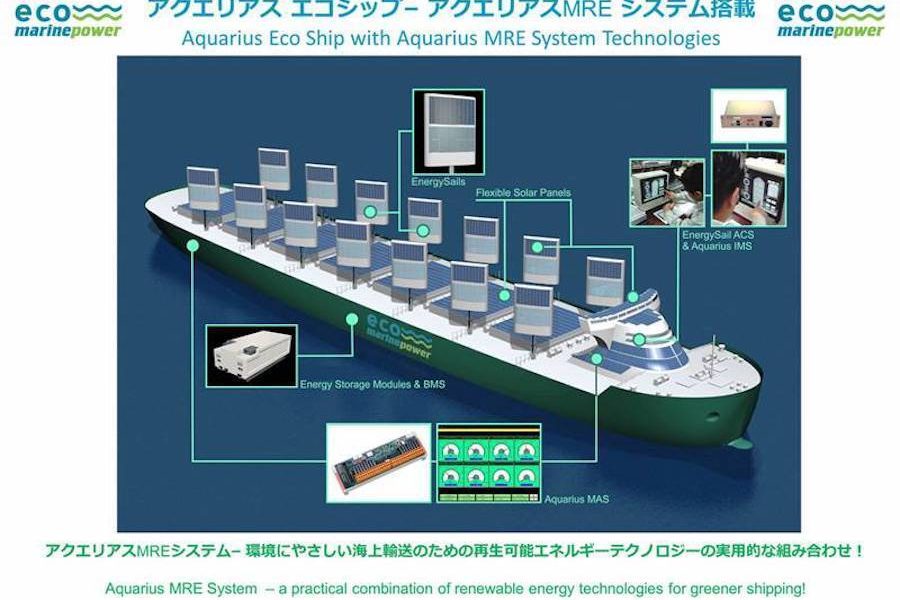

Full scale version is an upgrade of the pre-production unit; solar panels can be installed to provide supplementary propulsive and electrical power.
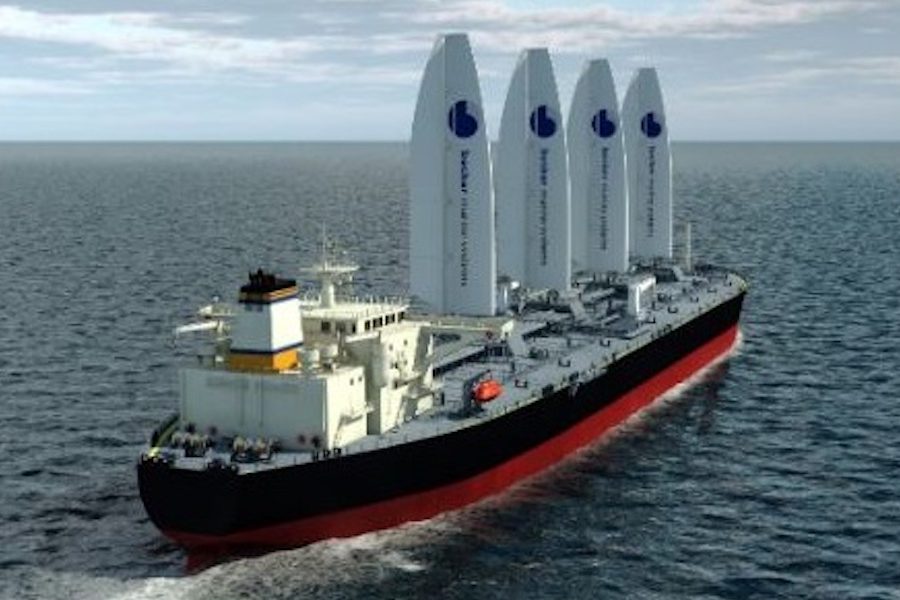

As part of the WingSail project, the system is designed to be aerodynamic, user friendly, and low maintenance.
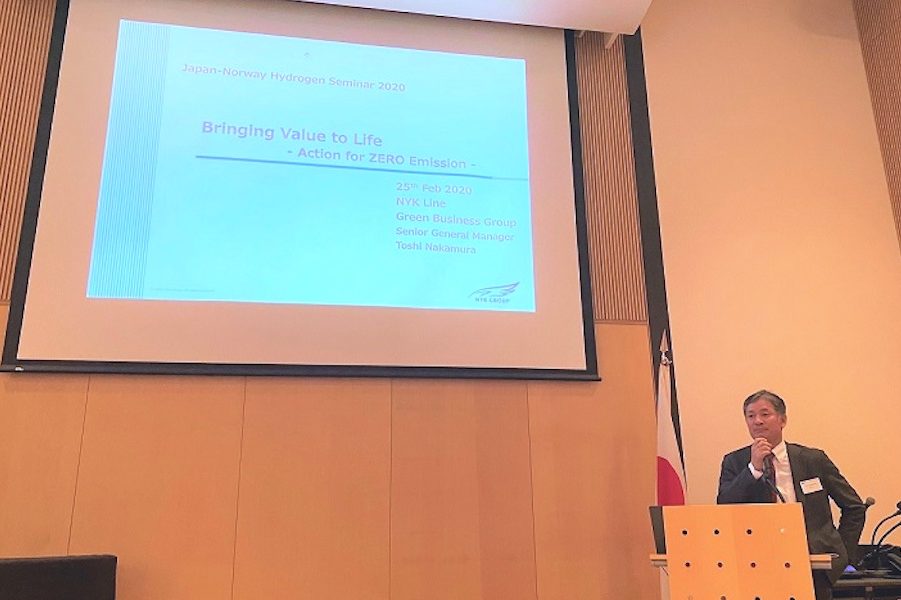

Company presented its plan for using ammonia as marine fuel from both technical and operational perspectives at two events.
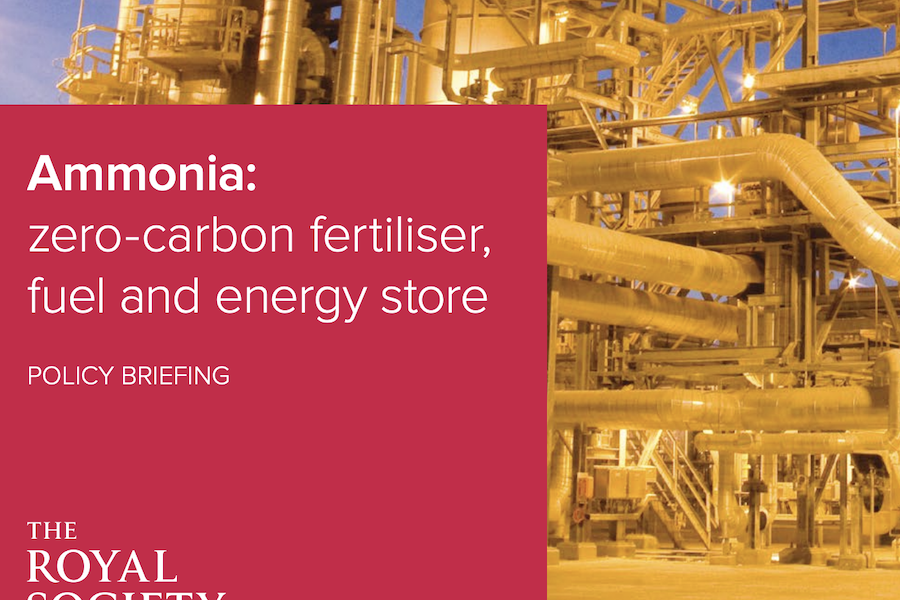

Policy briefing Ammonia: zero-carbon fertiliser, fuel and energy store focuses on future use of zero-carbon ammonia and its opportunities.
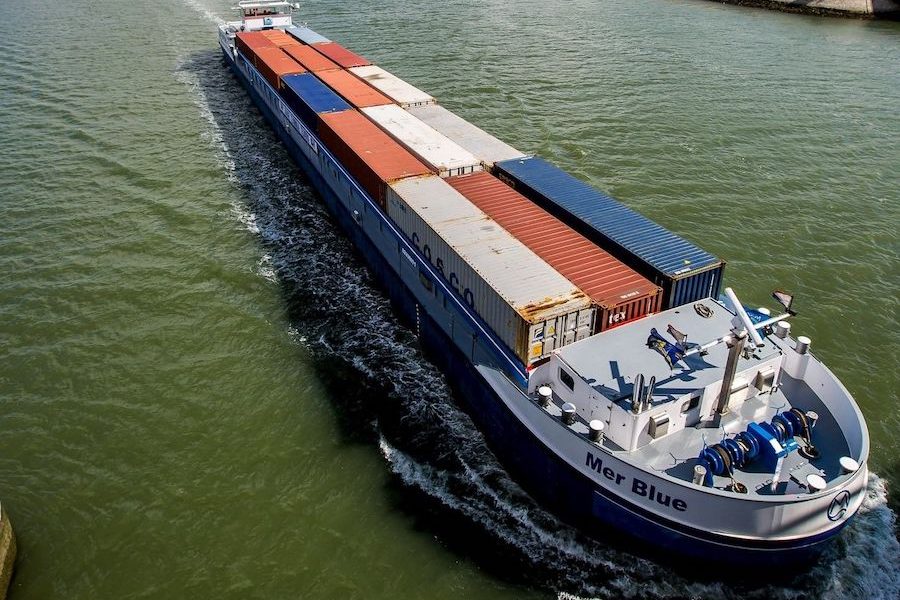

Forms agreement with E.ON and DeltaPort to implement battery container or hydrogen refuelling services in pilot project at Wesel.
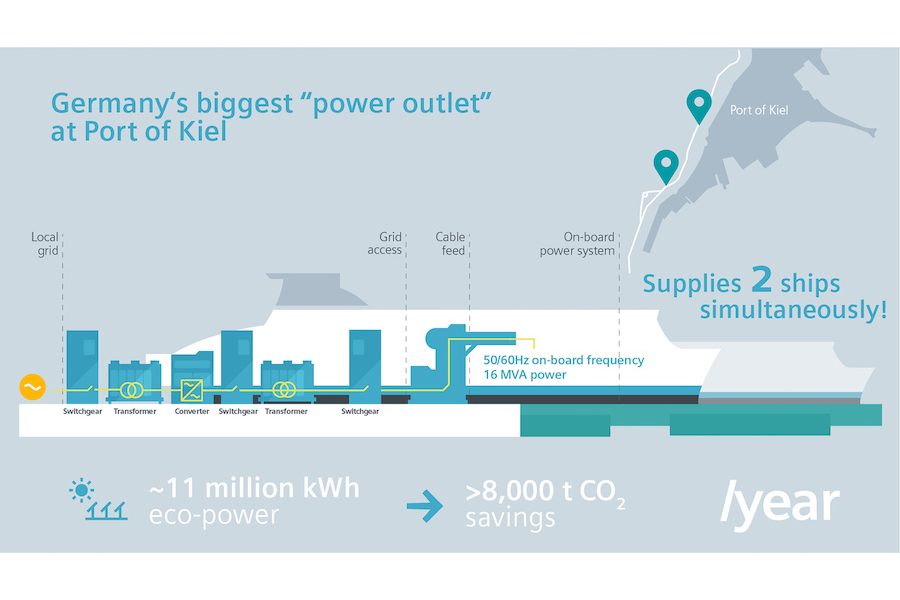

For the first time, the Sirharbor solution will be able to supply two ships simultaneously and is expected to go into test operation in 2020.
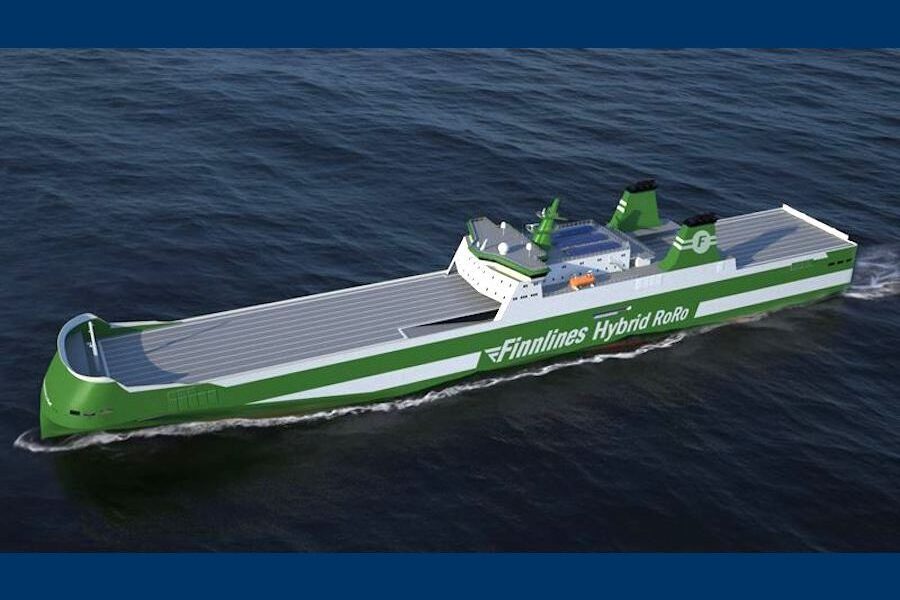

5,000 kWh energy storage system will enable ships to operate with zero emissions while in port- meeting RINA Green Plus class notation.


