

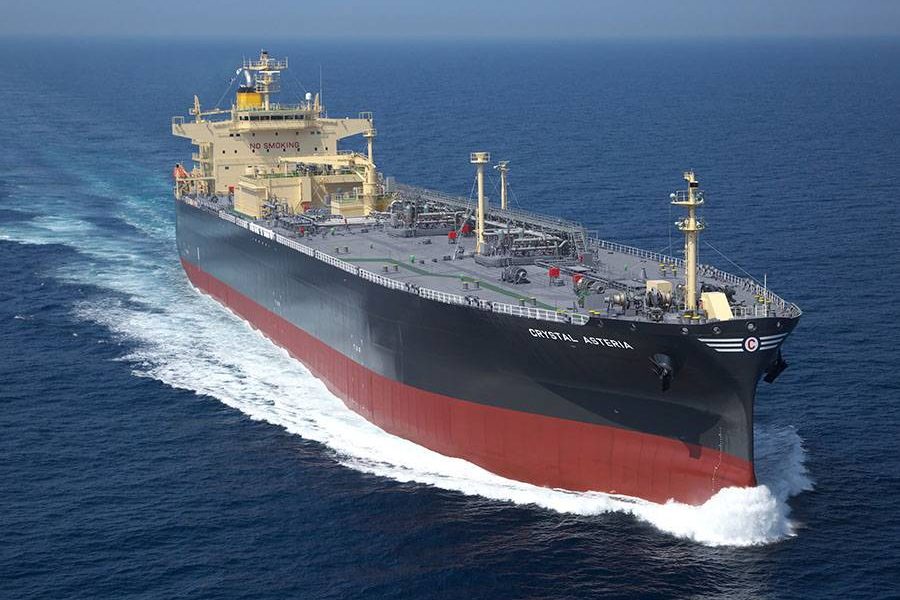

Firm has nine vessels powered by alternative fuels under its management and 20 more in the shipyards that it is supervising to build, shares Director.
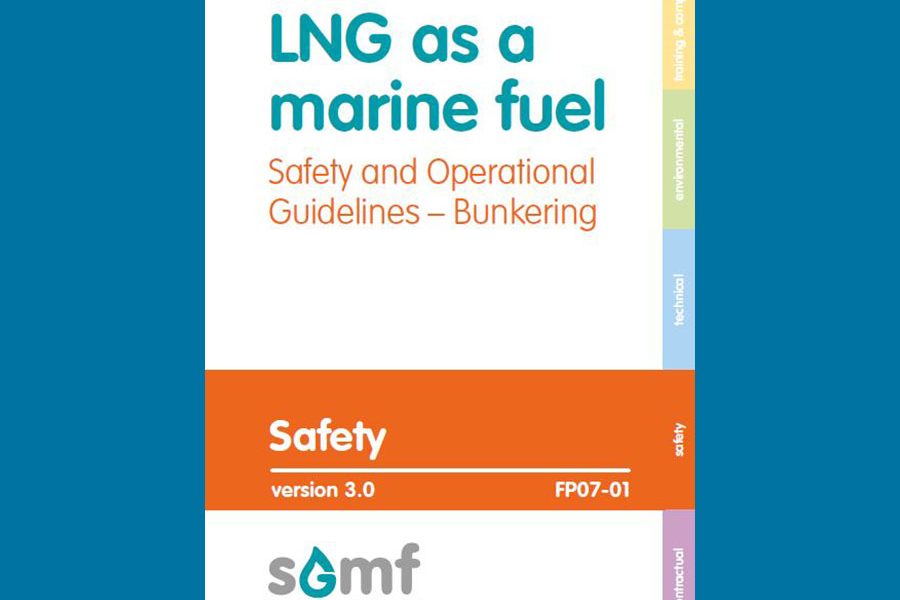

First published in 2014, SGMF’s ‘LNG as a marine fuel - Safety and Operational Guidelines - Bunkering’ book has been significantly updated and revised for 2022.

Whitepaper presents business cases for various future bunker fuel candidates and communicates its view of shipping’s energy transition over the short and long term.
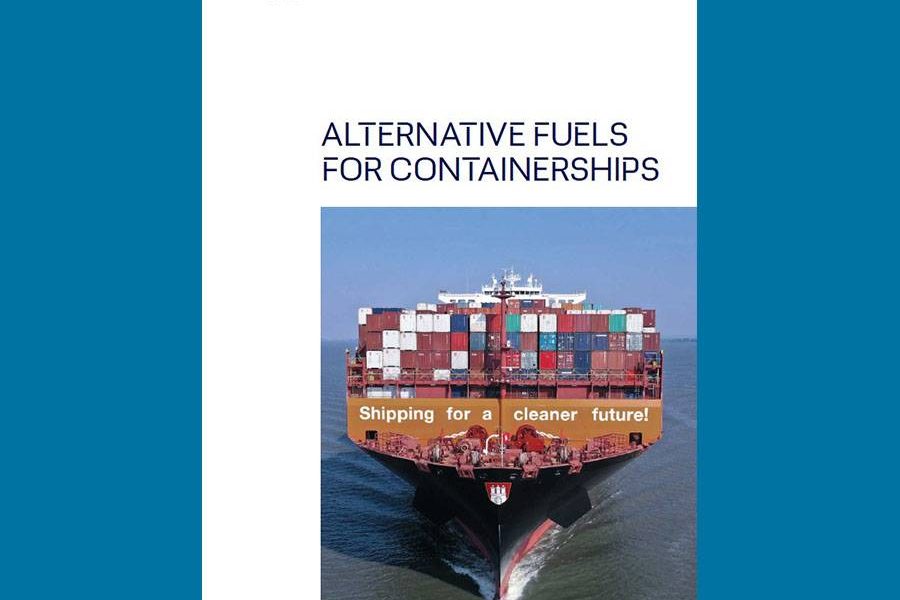

Container ships ordered today should be able to operate until the late 2040s provided that a viable propulsion system is chosen, highlights new DNV guidance.
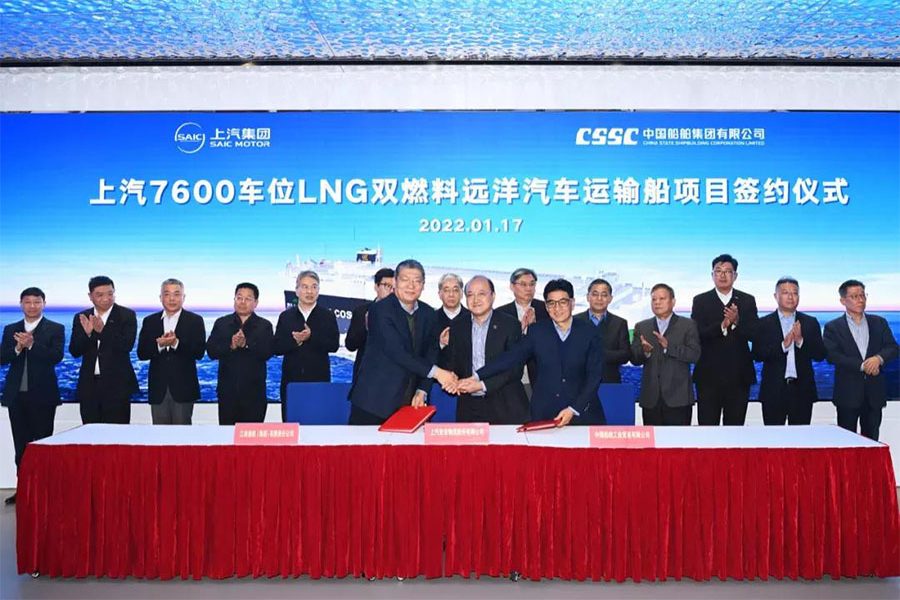

Jiangnan Shipbuilding to construct two 7,600 capacity LNG dual-fuel PCTCs for CSSC Trading and SAIC Group subsidiary Anji Logistics in milestone project.
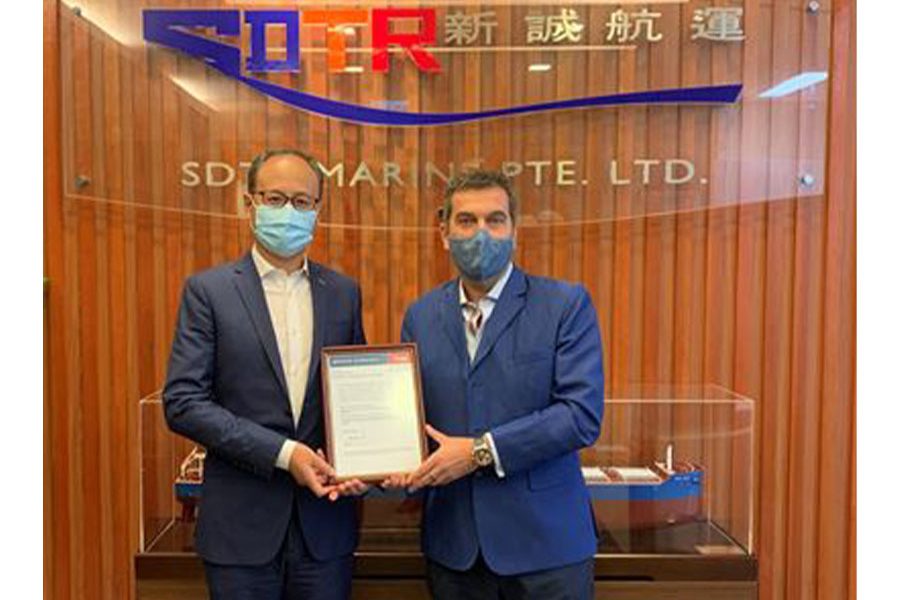

‘Continuous innovation to be a greener company is one of SDTR Marine Pte Ltd’s key objectives and goal,’ states Gao Dehui, CEO of SDTR Marine Pte...
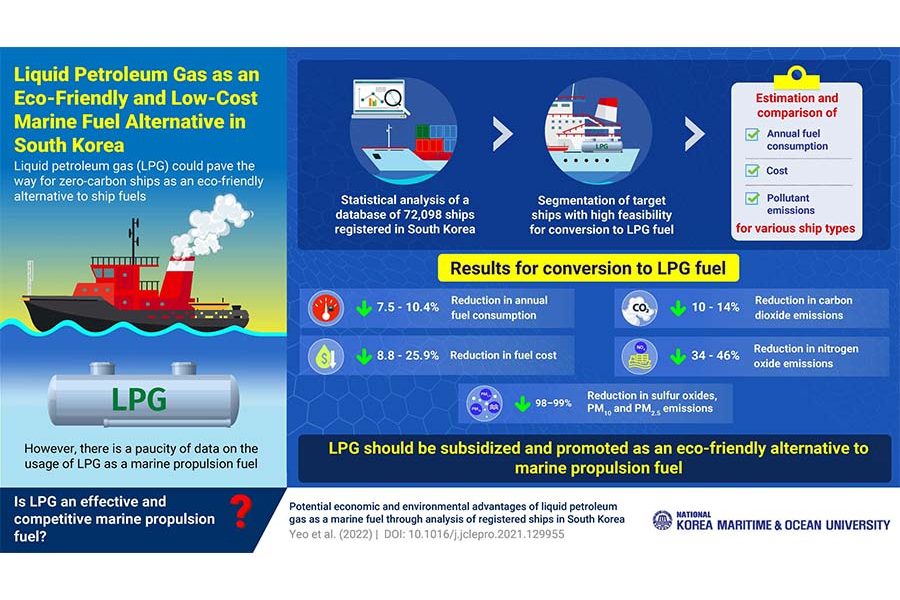

Unlike current shipping fuels such as heavy fuel oil, LPG does not generate marine pollutants during leaks and is applicable without restrictions on the ship size.
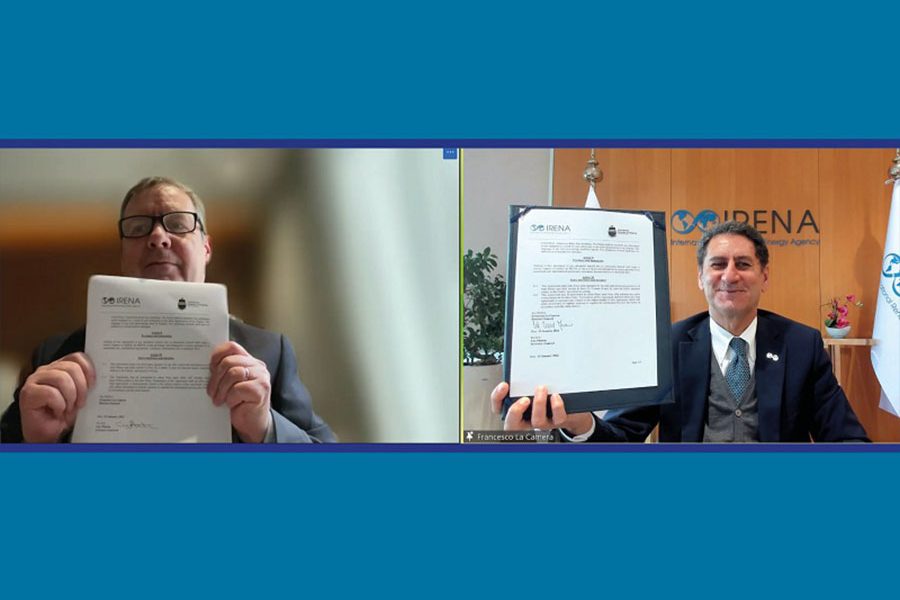


Partnership will provide a framework over the next two years for ICS and IRENA to assist with decarbonisation of shipping sector and use of renewable technologies.
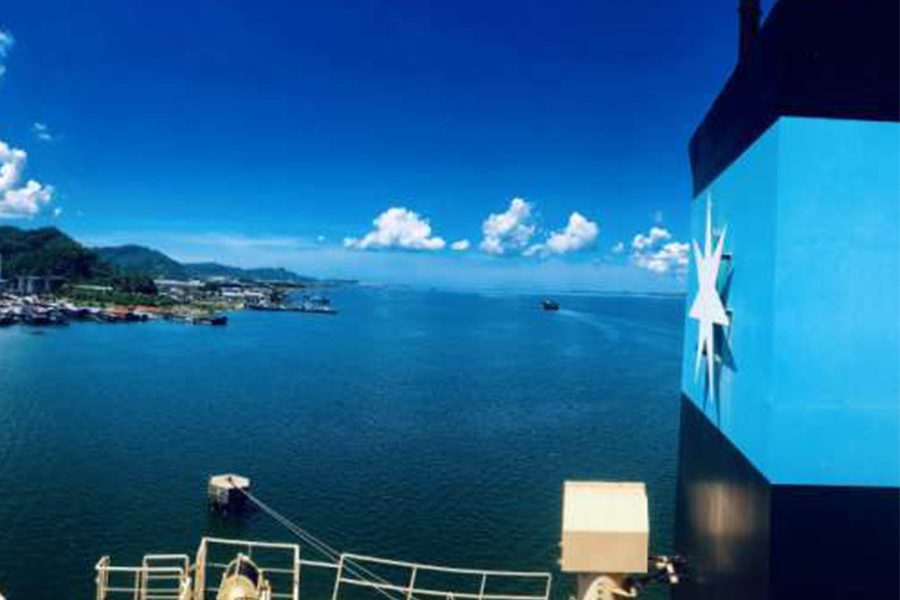
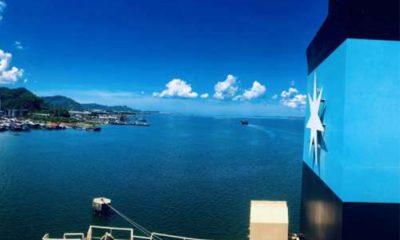

Development will bring experts, shipowners, cargo customers and stakeholders to develop a suite of solutions to reduce emissions from supply chains and operations.
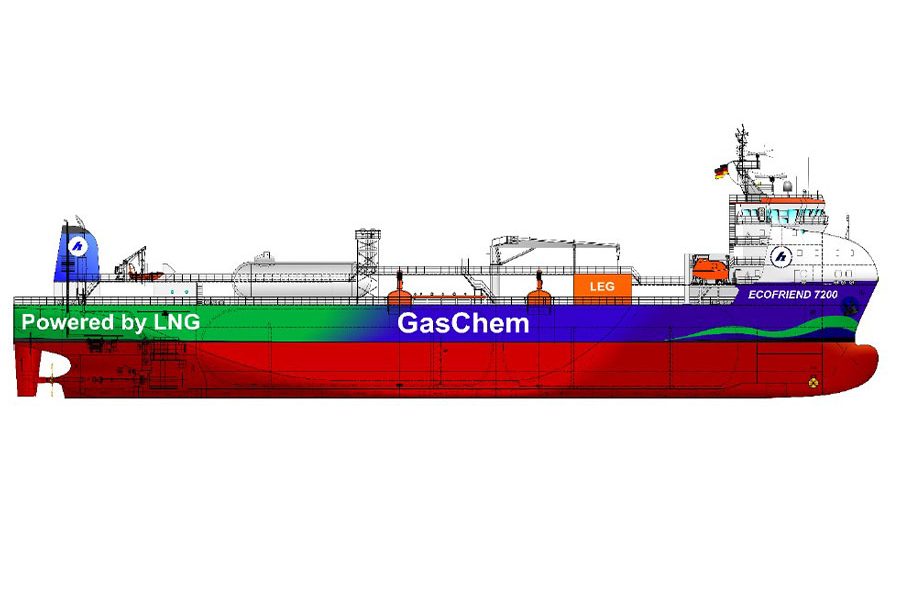

Duo intends to further develop carbon neutralisation in the ethylene supply chain in order to meet customer needs for low carbon and decarbonisation.


