

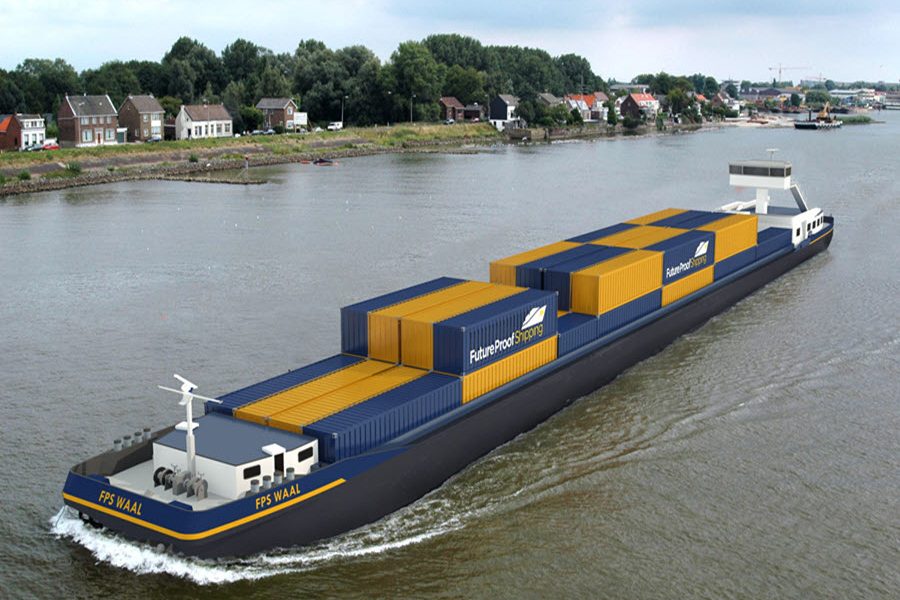

FPS will strengthen the FLAGSHIPS consortium and expand its green hydrogen-fuelled fleet with the “FPS Waal” that will be converted to a zero-emission container vessel.
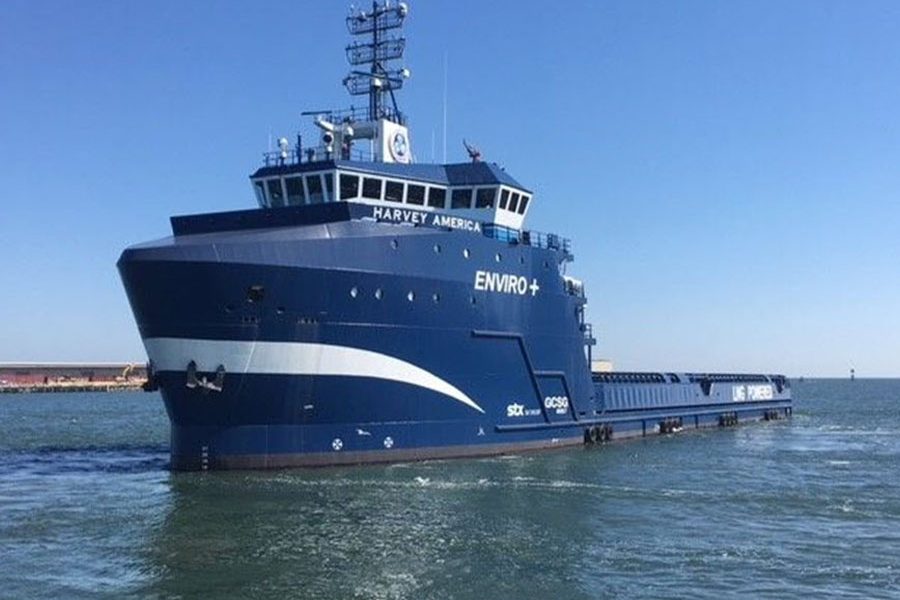

‘We always knew the day would come when investors and customers would demand low, or in this case, carbon neutral, zero emission Platform Supply Vessels,’ sates...
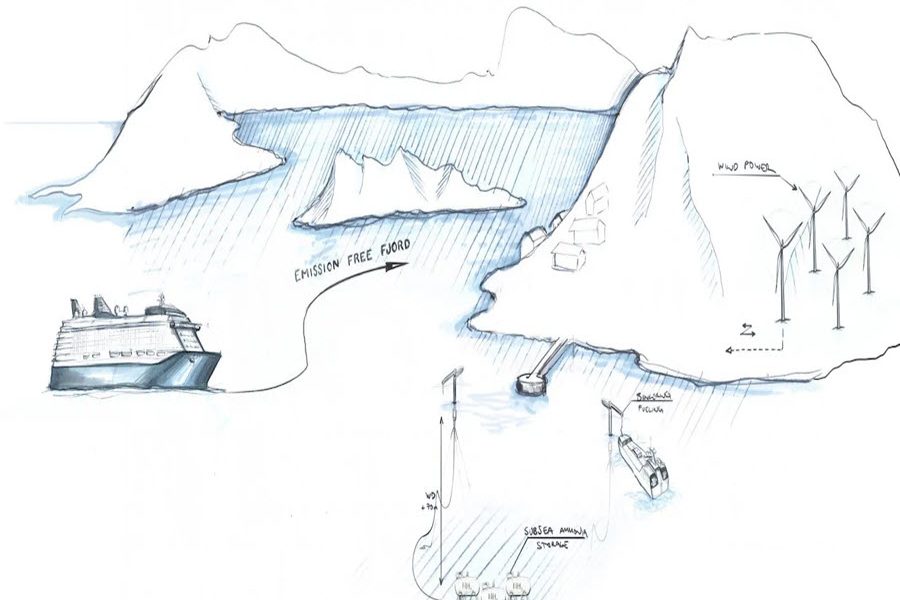

Matt Duke, CEO, Grieg Maritime Group, and Kenneth Simonsen, senior vice president at Aker Solutions tell Atte Palomäki what the project has achieved and its future...
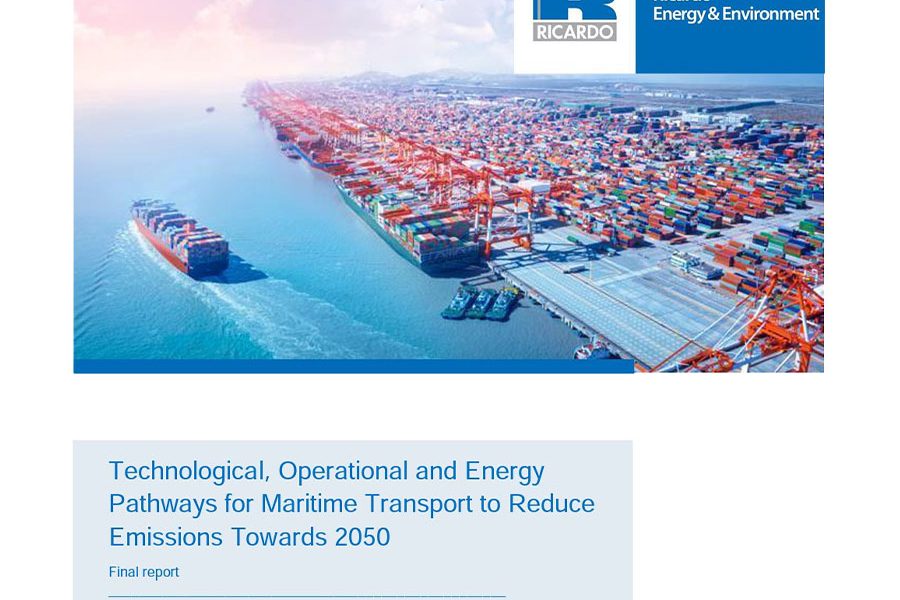

Study produced for OGCI and Concawe by Ricardo, a global energy and environmental consultancy, outlines three possible pathways towards goals.

Firms signed a LOI to build a consortium including ship owners and maritime classification societies for developing and testing marine fuel cells.
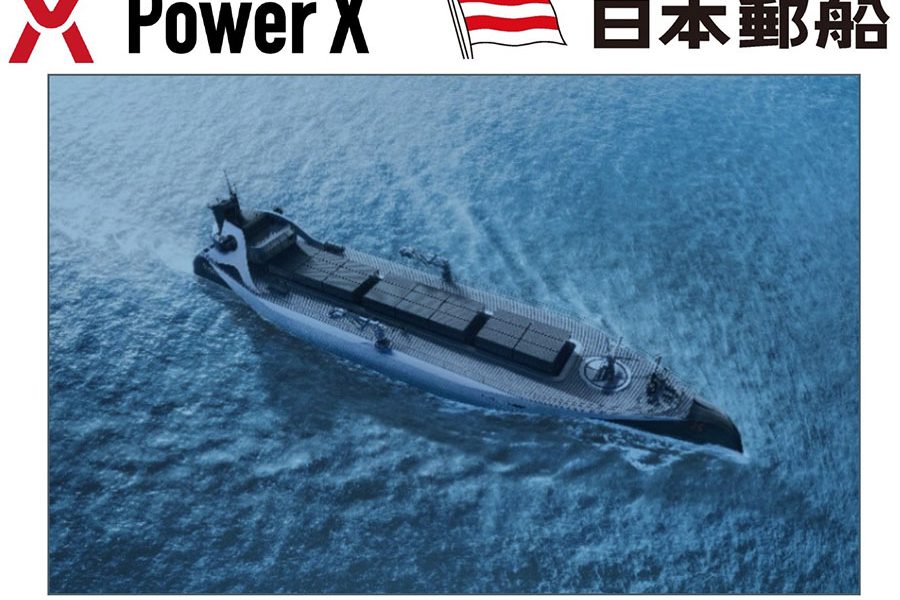

Both companies aiming to create a renewable energy breakthrough in the offshore/onshore power industry and the shipping industry.
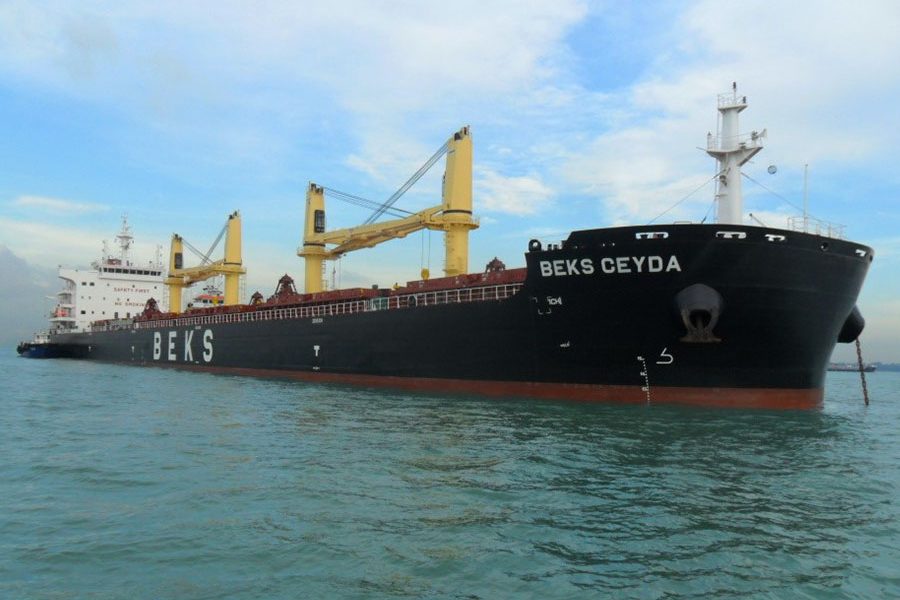

Bulk carrier “Beks Ceyda” received 750 mt of B30 VLSFO bunker fuel at Port of Rotterdam with full lifecycle emissions compensated with carbon credits.
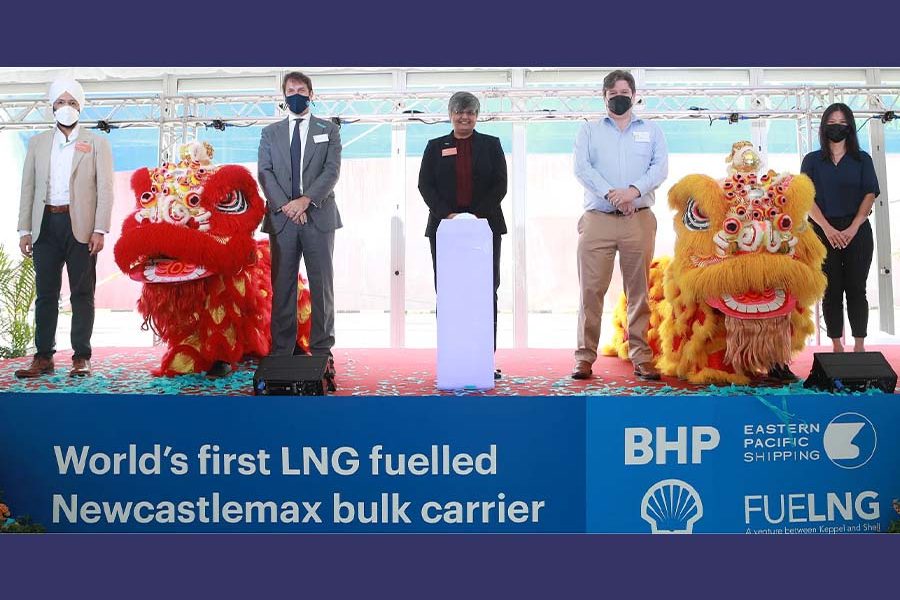

BHP and EPS welcome the 209,000 dwt “MV Mt. Tourmaline” that is scheduled to receive LNG bunker fuel from “FueLNG Bellina” at Jurong Port.
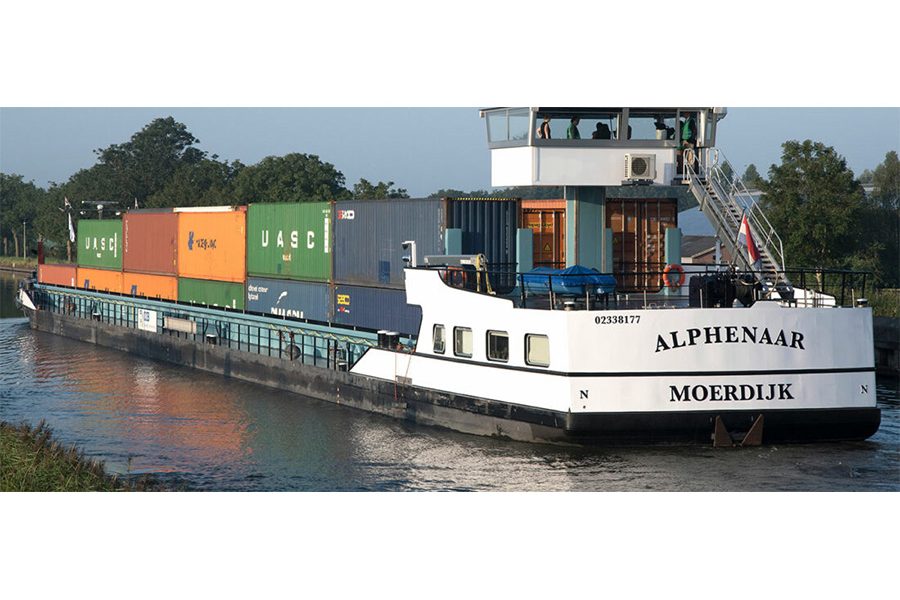

Caroline Nagtegaal, Member of the European Transport & Tourism Committee, provides details on next steps for the decarbonisation of EU’s inland shipping sector.
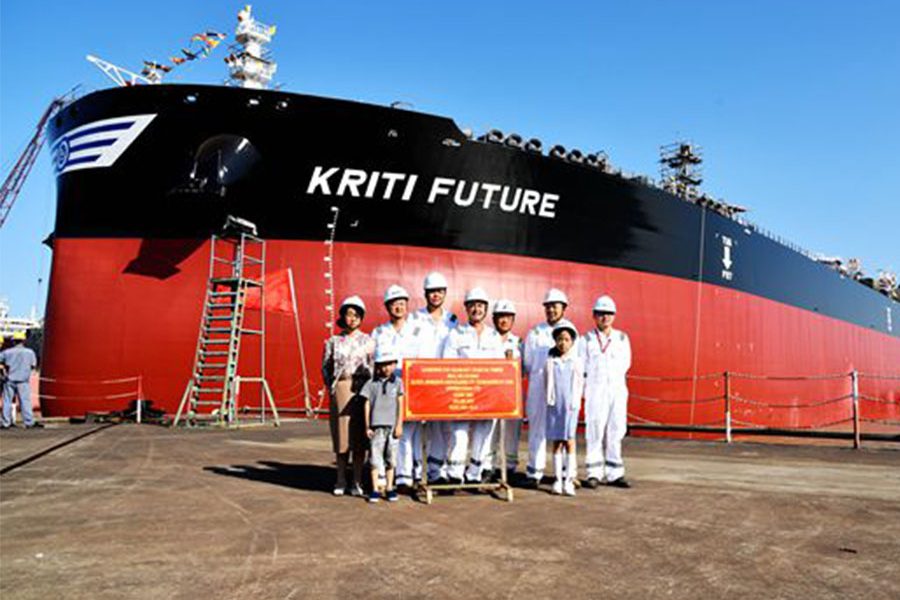

‘Vessel represents a milestone in the development of the maritime industry and a step forward in the readiness to utilise alternative marine fuels,’ says ABS.


