

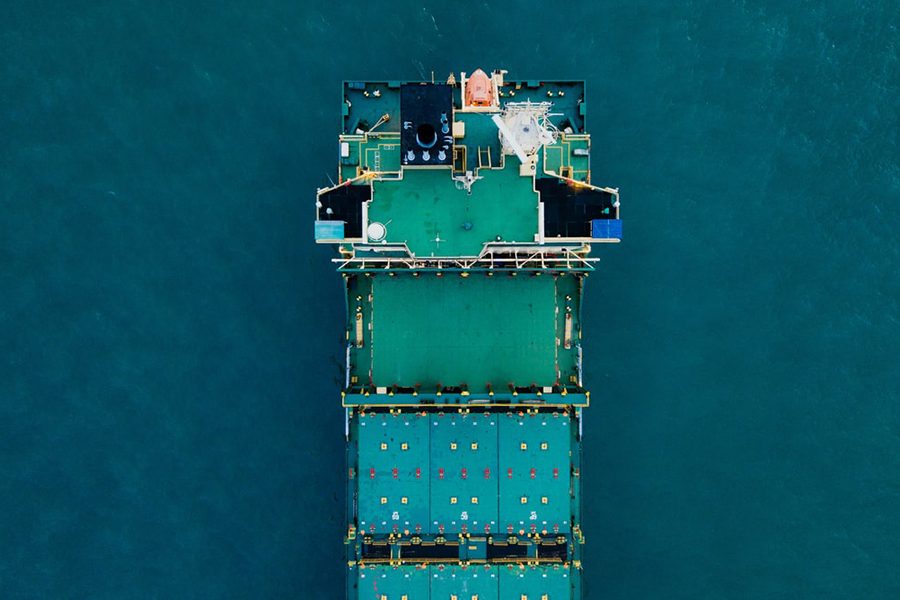

ECSA, EWABA, eFuel Alliance, the Advanced Biofuels Coalition and GoodFuels also support more ambitious targets in FuelEU Maritime proposal.
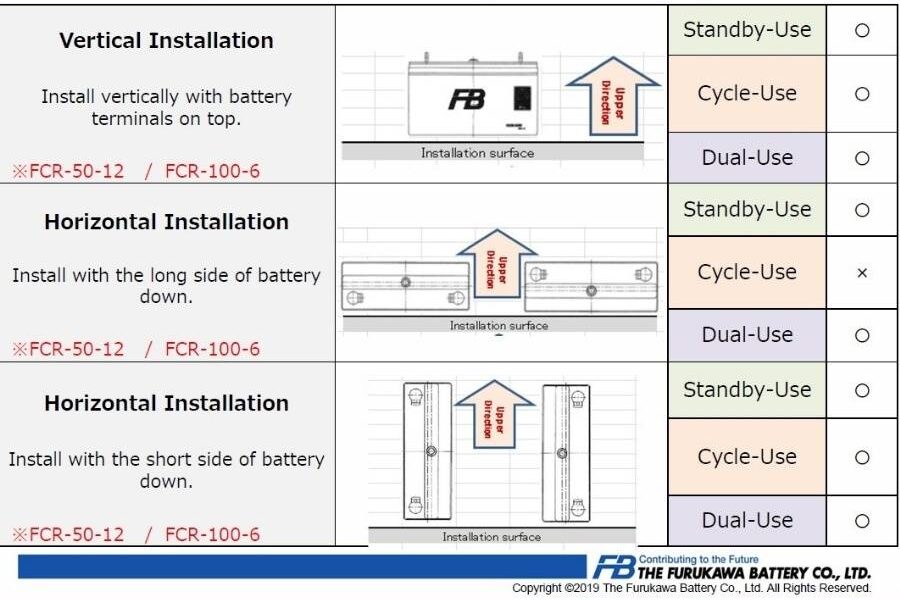

FCR batteries will be used for dual applications of ship solar power system and back-up use onboard a ship for the first time, says Eco Marine...
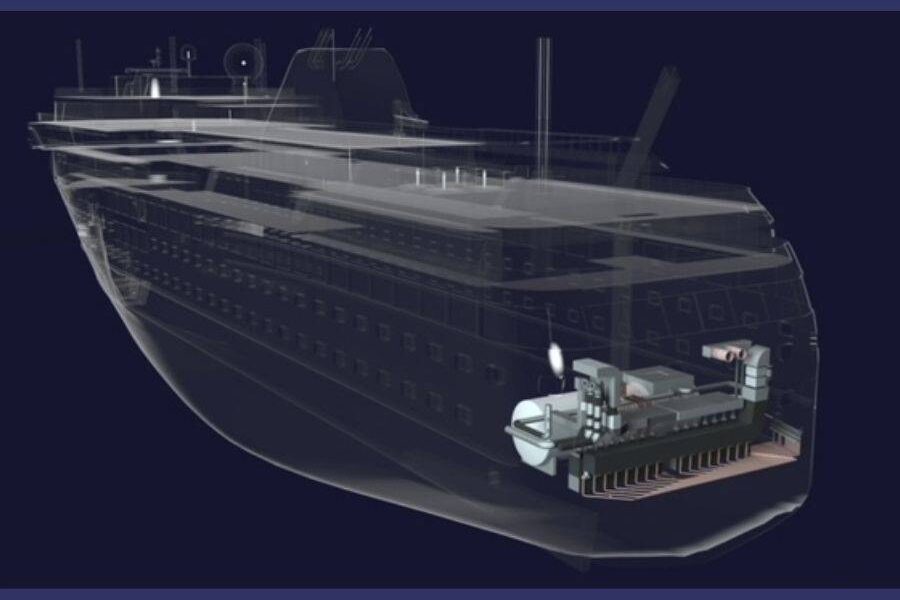

System uses liquefied hydrogen storage and fuel cells and will be retrofitted onboard two coastal cruise vessels owned by the Norwegian operator Havila Kystruten.
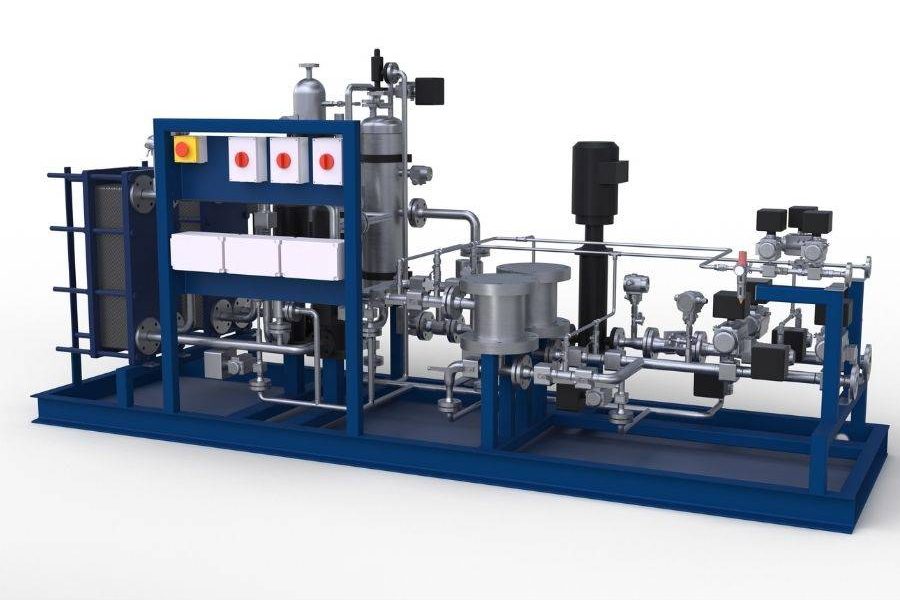

Receives significant interest in the new units and is in advanced conversations with shipowners, operators, OEMs, and shipyards on supply and installation.
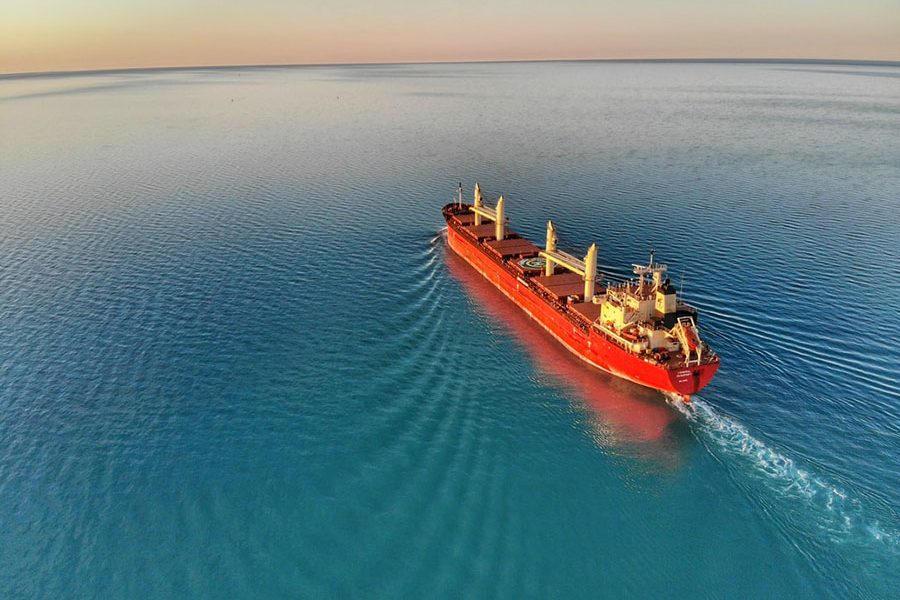

‘The current FuelEU proposal does not address the responsibilities of the fuel suppliers and how cleaner and safe fuels will become available in Europe,’ said ECSA...
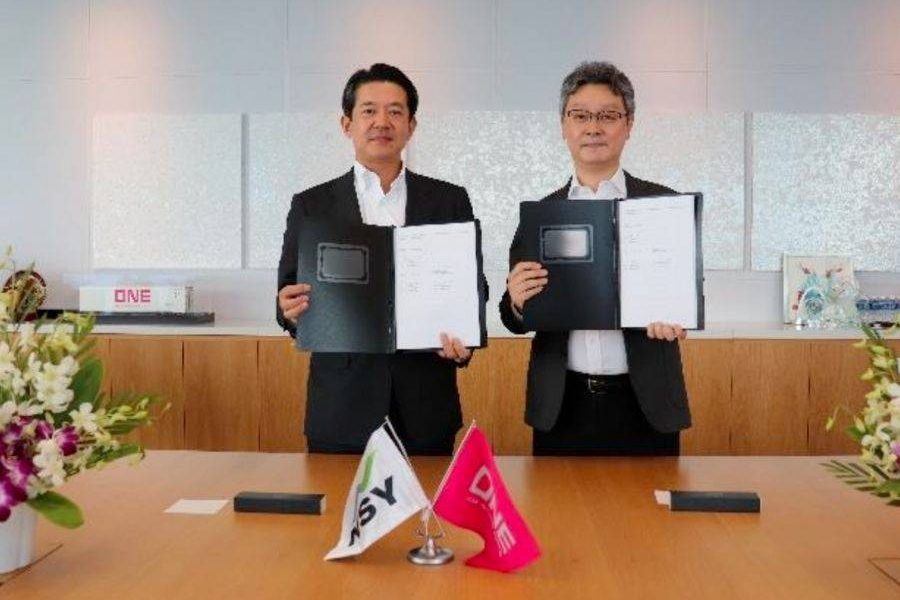

Enters newbuilding contracts for ten 13,700 TEU Very Large Container Ships from Hyundai Heavy Industries and Nihon Shipyard with delivery scheduled in 2025.

Better and safer starting point could be a blend of VLSFO with different percentages of HVO that meet ISO 8217:2017 specs rather than using pure HVO,...
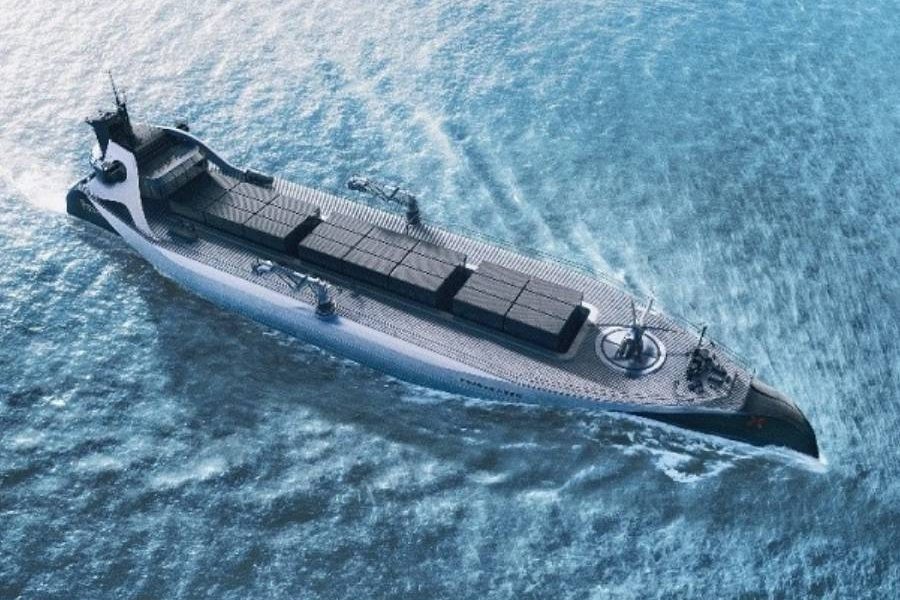

Both will be involved in a full-scale collaboration as strategic partners for zero emission ships and ports, and promotion of renewable energy.
Biodiesel blends, in particular the second-generation renewable diesels such as HVO, could be a serious alternative to VLSFO, suggests Blend Tiger LLC whitepaper.
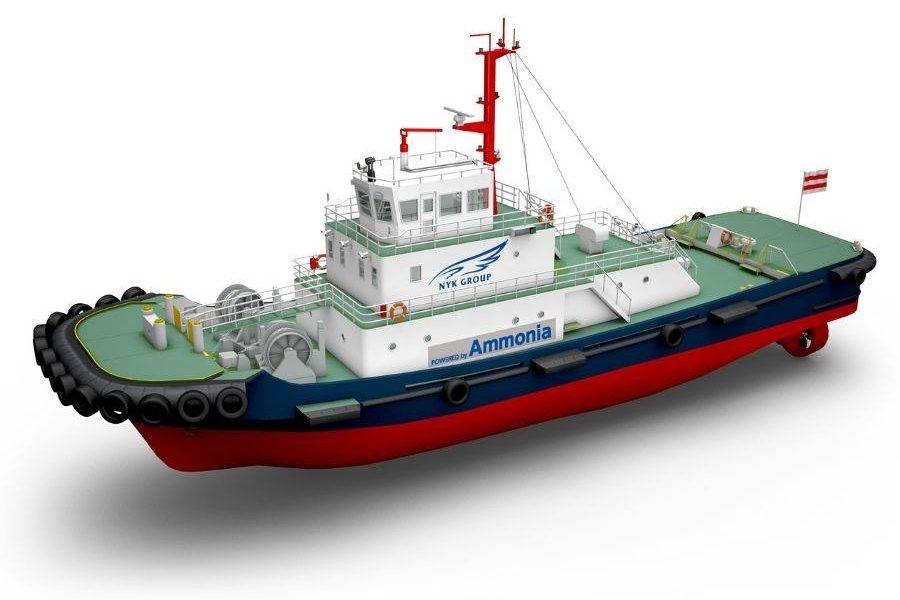

NYK Line, IHI Power Systems Co., Ltd., and Nippon Kaiji Kyokai have signed a MoU with Yokohama city for the acceptance of “A-Tug” at the port...


