Connect with us

Ammonia

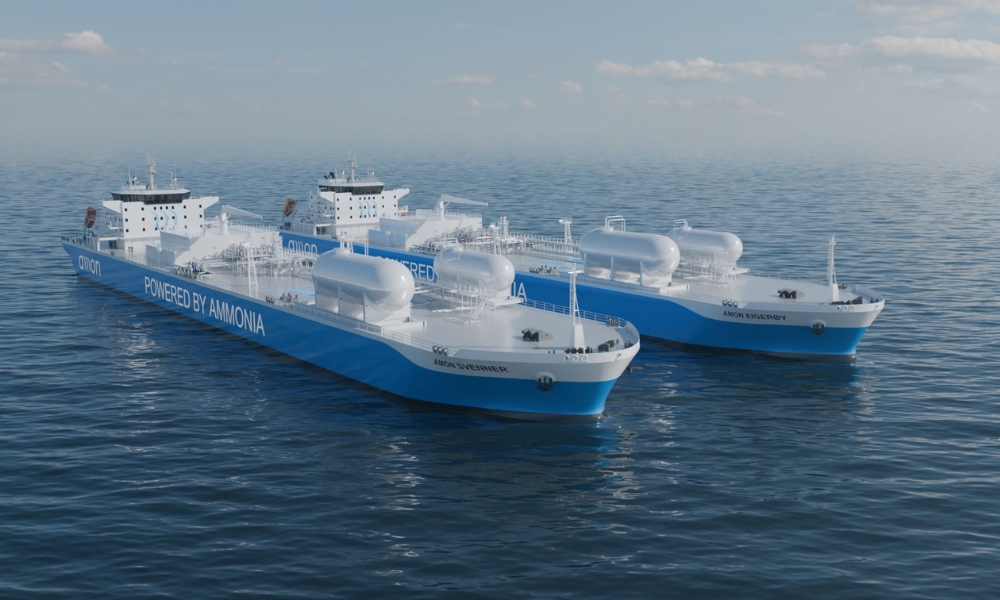
Pilbara Ports confirms plans for first ammonia bunkering trial in late 2026

This comes following Fortescue and CMB.TECH announcing their landmark agreement to introduce dual-fuelled ammonia bulk-carriers to the Pilbara.

Admin

Published

on

Pilbara Ports confirms plans for first ammonia bunkering trial in late 2026

Australia’s Pilbara Ports Authority on Friday (26 June) confirmed progress of its plans for the first ammonia bunkering trial at the Port of Port Hedland later this year.

On its website, the port authority said ammonia-fuelled vessels are expected to begin visiting Pilbara as early as this year. 

This comes following Fortescue and CMB.TECH announcing their landmark agreement to introduce dual-fuelled ammonia bulk-carriers to the Pilbara, a significant milestone in accelerating the transition to low-carbon shipping.

The port authority said the announcement reflects the growing global momentum behind ammonia as a marine fuel and the collective effort across industry to decarbonise supply chains. 

On 22 June, Fortescue said it signed an agreement with CMB.TECH for the charter of up to 12 ammonia-capable vessels.

Under the agreement, Fortescue will charter a fleet of 12 Newcastlemax dry bulk vessels (210,000 dwt) from Bocimar, CMB.TECH’s dry bulk shipping operator.

Up to three of the vessels will be delivered with dual-fuel ammonia engines and are expected to enter service by the end of 2026. The remaining nine vessels will be ammonia-ready and can be converted to operate on ammonia in the future.

“At Pilbara Ports, we’re proud to be supporting this transition, with plans progressing for our first ammonia refuelling trial at the Port of Port Hedland later this year,” the port authority said.

“This work will help ensure the Pilbara is ready – with the infrastructure, safety frameworks and operational capability needed to support the next generation of cleaner vessels.”


Photo credit: Pilbara Ports AuthorityPublished: 29 June, 2026

Continue Reading

Engine

Eight classification societies oversee successful TAT of Everllence ammonia engine

Everllence announced the successful Type Approval Test of its ME-LGIA ammonia-burning engine at its Research Centre Copenhagen.

Admin

Published

on

By

Eight classification societies oversee successful TAT of Everllence ammonia engine

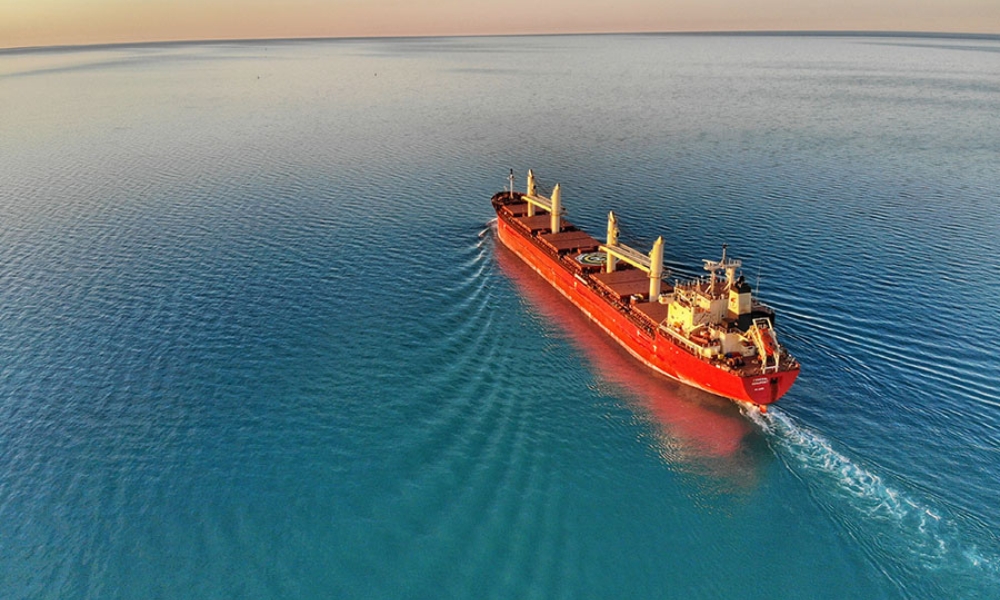
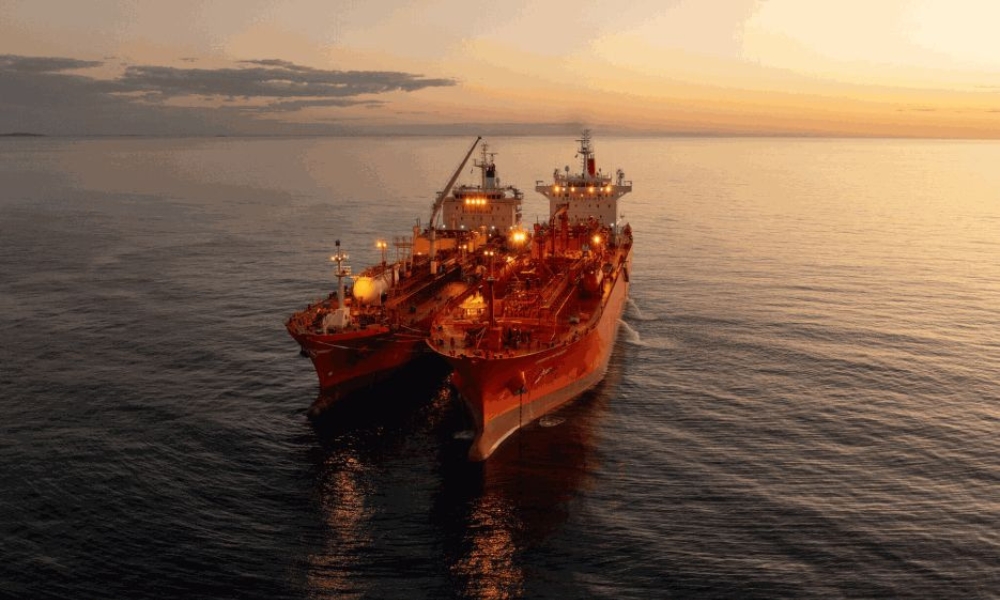
Everllence recently announced the successful Type Approval Test (TAT) of its ME-LGIA ammonia-burning engine at its Research Centre Copenhagen (RCC). 

Eight classification societies oversaw the testing that took place from 10 to 12 June, marking the latest phase in the engine’s journey towards its market debut.  

Bjarne Foldager, Head of Two-Stroke Business, Everllence, said: “The TAT is yet another important step as we definitively move from concept development to seagoing engine operation. It confirms the Everllence B&W ME-LGIA as ready for on-board installation and is the last test before actual sea and gas trials. 

“This engine sets new benchmarks in zero-carbon propulsion and digitally connected performance, and has attracted great interest since its development was announced in 2019. It stands testament to Everllence’s unique ability to meet demands and bring innovative fuels to market.”

Everllence officially marketed the ME-LGIA engines at a two-day event in Copenhagen in November 2025. Using the Diesel principle and the well-known, dual-fuel Liquid Gas Injection concept, the engine has a proven track record of several hundred thousand operational hours.

Ole Pyndt Hansen, Senior Vice President, Head of Two-Stroke R&D, Everllence, said: “The TAT is also important in relation to maturing IMO ammonia regulations as it is vital that rules and guidelines are in line with reality to optimise safety onboard vessels. 

“This experience comes from industry and the first ammonia-driven ships, which are expected to operate at sea during 2026, will act as compelling input for the development of these guidelines.”

Everllence also noted that the ammonia TAT marked the end of an era with it being the final TAT at the RCC in Copenhagen before the company moves location to outside the city in late-2027.


Photo credit: Everllence
Published: 22 June, 2026

Continue Reading

Alternative Fuels

Verra releases new methodology for alternative low-carbon bunker fuels

New methodology provides the first structured, independent accounting framework for quantifying emission reductions in maritime transport, bridging a critical regulatory gap in global trade.

Admin

Published

on

By

CHUTTERSNAP MT

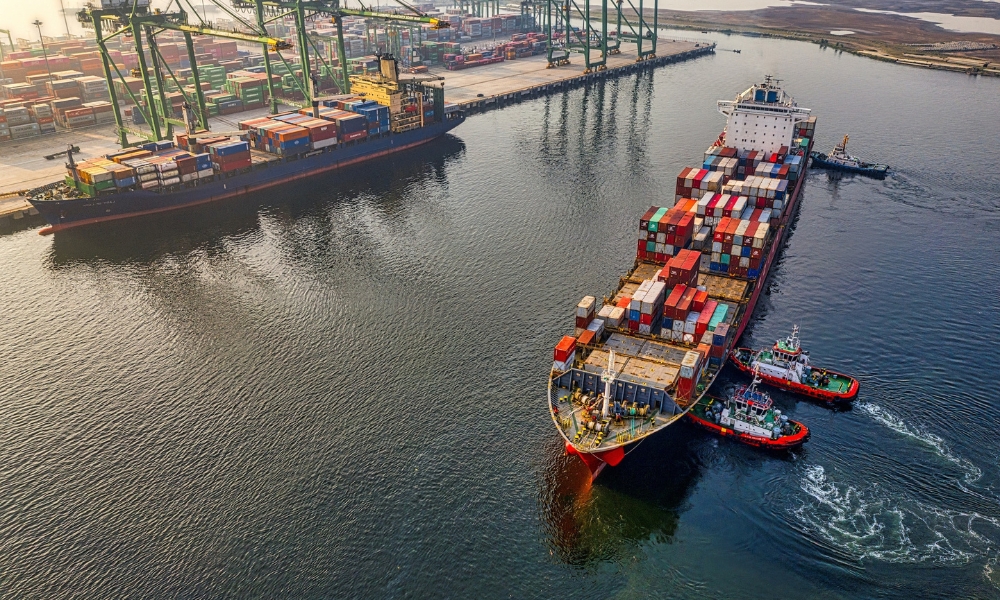
Verra, a nonprofit organisation that develops and manages the standards for climate and sustainable development, recently released a new methodology in the Verified Carbon Standard (VCS) Programme, VM0053 Alternative Low-Carbon Fuels for Shipping, v1.0. 

Verra said the methodology provides the first structured, independent accounting framework for quantifying emission reductions in maritime transport, bridging a critical regulatory gap in global trade and enabling the related climate benefits to scale.

VM0053 applies to project activities that involve using low-carbon alternative fuels (e.g., hydrogen produced through water electrolysis, green ammonia, and electro fuels [e-fuels] such as e-LNG, e-LPG, e-diesel, and e-methanol) to replace fossil fuels in shipping. 

The methodology applies to new or existing ships, regardless of gross tonnage, operating in territorial or high seas.

Verra added that maritime shipping carries over 80% of global freight and remains a hard-to-abate sector where reducing greenhouse gas emissions has proven to be challenging. 

“This methodology helps unlock finance for low-carbon alternative fuels by creating a new revenue stream that can offset the high premium associated with e-fuels,” it said.

“It supports the use of drop-in alternative fuels that can be used to displace fossil fuels in the engines of existing fleets, leveraging these fleets to realise emission reductions. Additionally, this methodology provides a credible mechanism for sourcing, verifying, and scaling reductions in value chain emissions.”

VMD0053 was developed by Iino Kaiun Kaisha, Ltd., Grütter Consulting, and Verra. The methodology underwent public consultation in 2024 as part of Verra’s methodology development process.

Note: The  new methodology ‘VM0053 Alternative Low-Carbon Fuels for Shipping, v1.0’ can be viewed here


Photo credit: CHUTTERSNAP on Unsplash
Published: 22 June, 2026

Continue Reading

Ammonia

ENOVA-backed ammonia bunkering projects progress as planned, says Azane

Company remains committed to delivering all three terminals in line with the ENOVA plan, with the ambition of having them operational by 2029.

Admin

Published

on

By

ENOVA-backed ammonia bunkering projects progress as planned, says Azane

Azane Fuel Solutions subsidiary Azane Infrastructure AS on Tuesday (16 June) confirmed that it is continuing all three ENOVA-supported ammonia bunkering terminal projects and is moving forward with delivering the projects in accordance with the agreed plan and timeline.

The company said the projects represent a major step toward making ammonia a viable zero-carbon fuel option for vessels engaged in both coastal and offshore operations. At the same time, they mark the first major step toward establishing a clean ammonia fuel bunkering network along the Norwegian coast.

“By moving forward with the terminals at Florø, Stavanger and Mongstad, Azane is demonstrating its commitment to executing the ENOVA-supported projects and building the infrastructure required for the maritime energy transition,” the company said. 

The company remains committed to delivering all three terminals in line with the ENOVA plan, with the ambition of having them operational by 2029 to support growing demand for clean ammonia fuel in shipping.

“We are continuing all three projects with full commitment and in close alignment with the plan agreed with ENOVA,” said Steinar Kostøl, CEO of Azane Infrastructure AS. 

“These terminals are not only important individual projects – they are the first major step toward establishing a clean ammonia fuel bunkering network and enabling zero-carbon shipping along the Norwegian coast and beyond.”


Photo credit: Azane Fuel Solutions
Published: 18 June, 2026

Continue Reading

Trending