
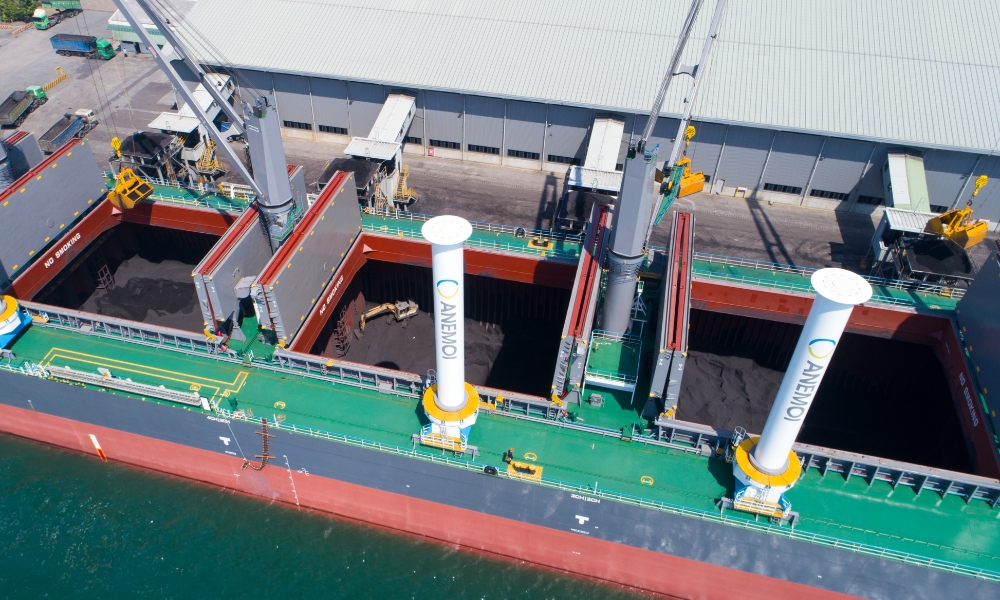

Bulk carrier owners are increasingly turning to Rotor Sails as a leading wind-assisted propulsion technology, highlighting its ability to enhance vessel efficiency while prioritising both cargo...
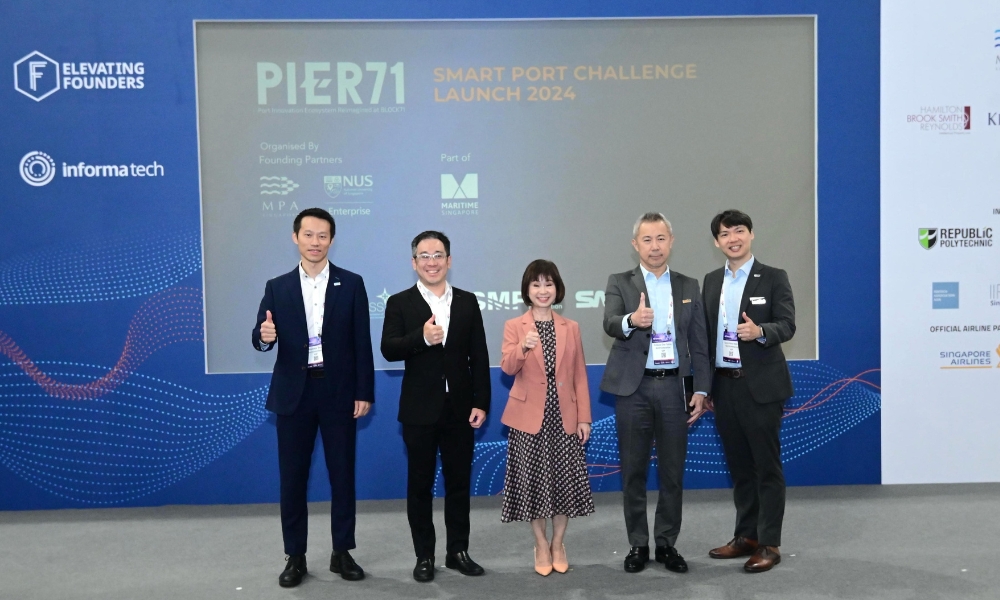

Competition features 14 challenge statements covering areas such as maritime green technologies, including some related to the bunker fuel sector including on methanol and ammonia.
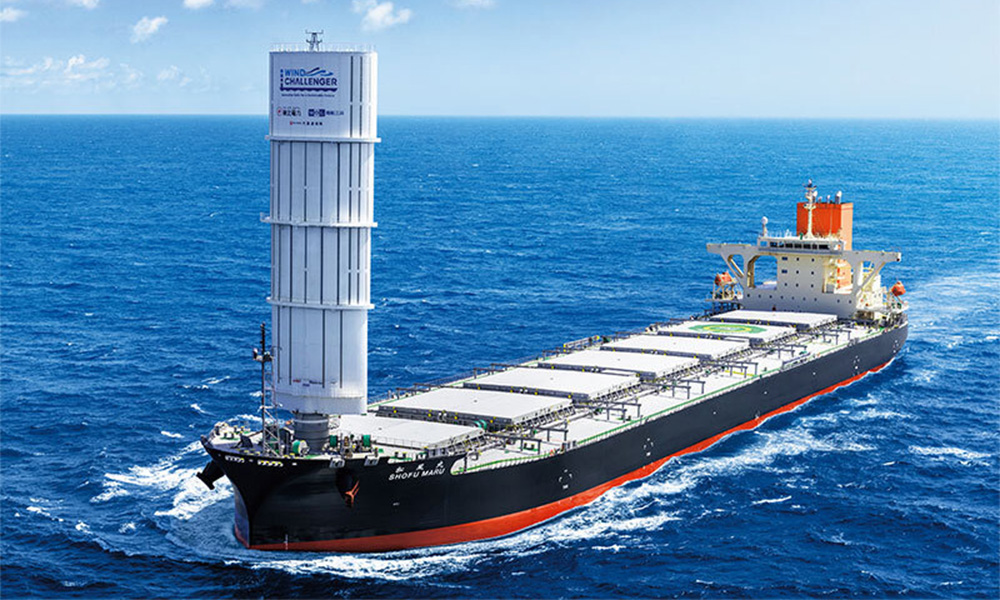

MOL has measured the performance of the Wind Challenger on a vessel “Shofu Maru” continuously on actual voyages and confirmed Wind Challenger sail reduced daily fuel...
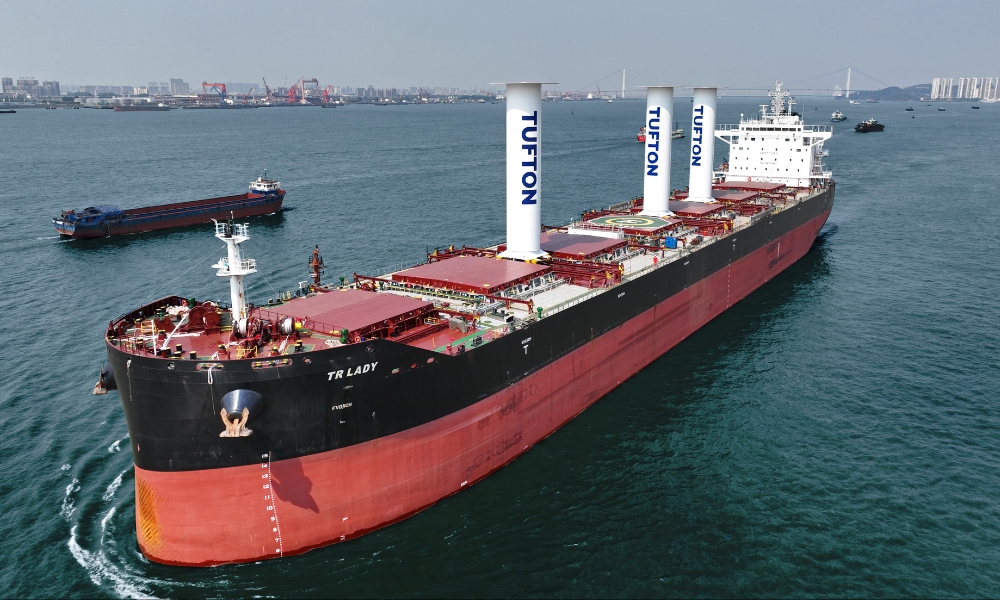

UK-based Anemoi shared with Manifold Times financial benefits from reduced bunker fuel consumption when utilising wind-propulsion technology and its long-term environmental benefits.
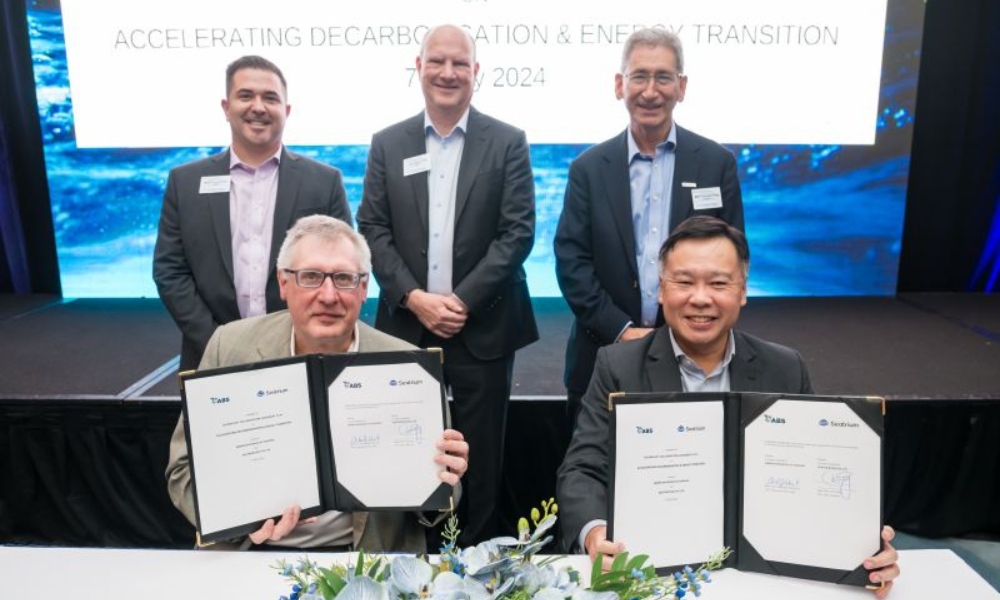

This includes carbon capture, energy efficiency enhancement measures such as air lubrication systems and wind assisted propulsion as well as the integration of low/zero carbon energy...

IWSA launched a new survey to understand why wind energy use is increasing in small vessel segments and to ascertain what barriers may be holding back...



Nørgaard of MMMCZCS weighs in on the importance of alternative bunker fuels and maritime technologies, top maritime decarbonisation research the centre is involved in and Singapore’s...
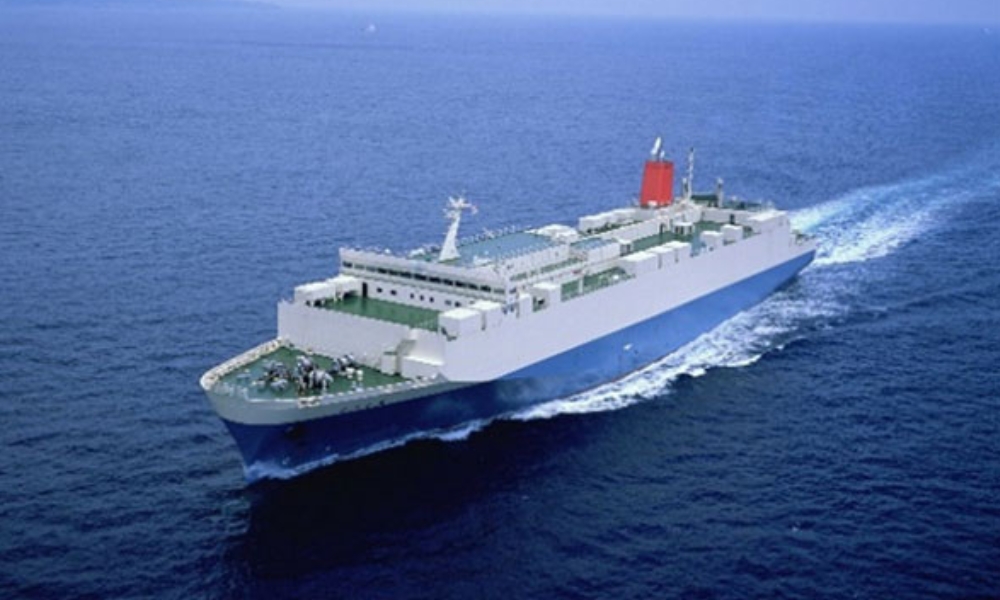

Firm announced start of a demonstration experiment using Metro Weather's Doppler LiDAR, installed on RORO vessel “MUSASHI MARU” to reduce bunker fuel consumption onboard.
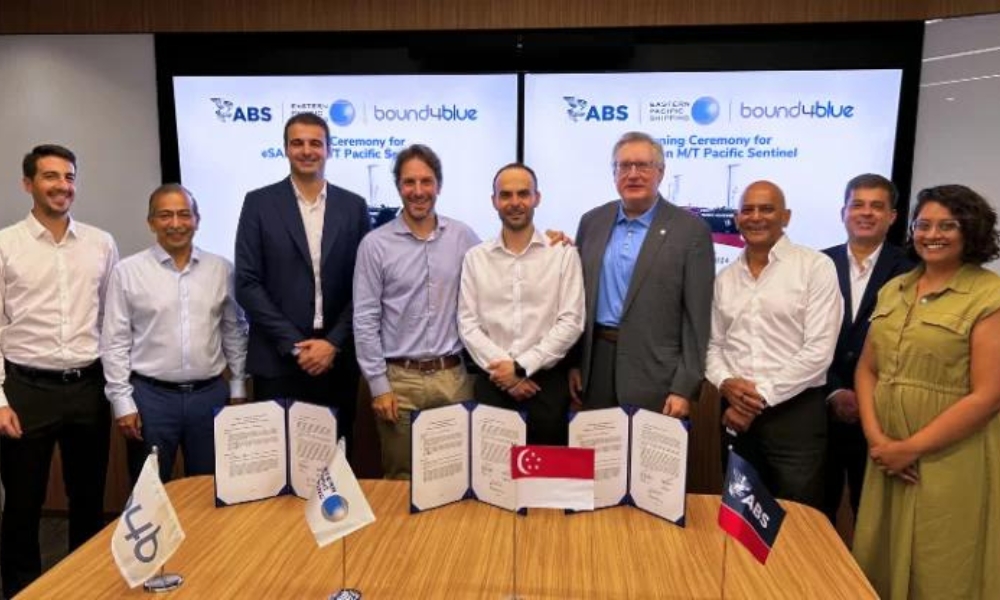

Firm signed a contract for its first ever wind-assisted propulsion system, partnering with bound4blue to install three 22-metre eSAILs® onboard “Pacific Sentinel”.
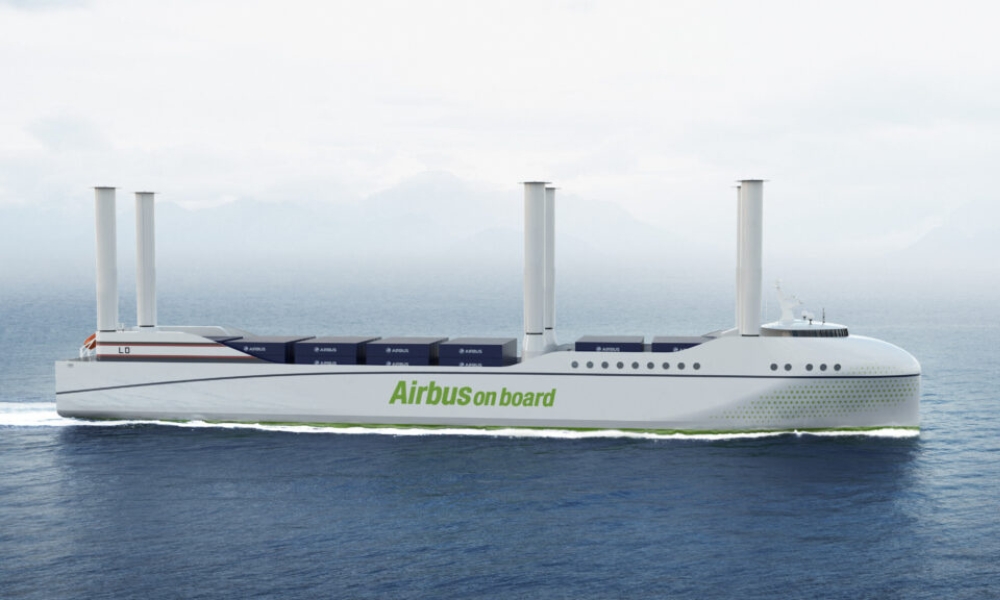

Powered by a combination of six Flettner rotors and two dual-fuel engines running on marine diesel oil and e-methanol bunker fuels, the vessels are designed for...


