

Amendments to the IGC Code to enable the use of ammonia cargo as fuel were adopted and interim guidelines for the general use of ammonia as...
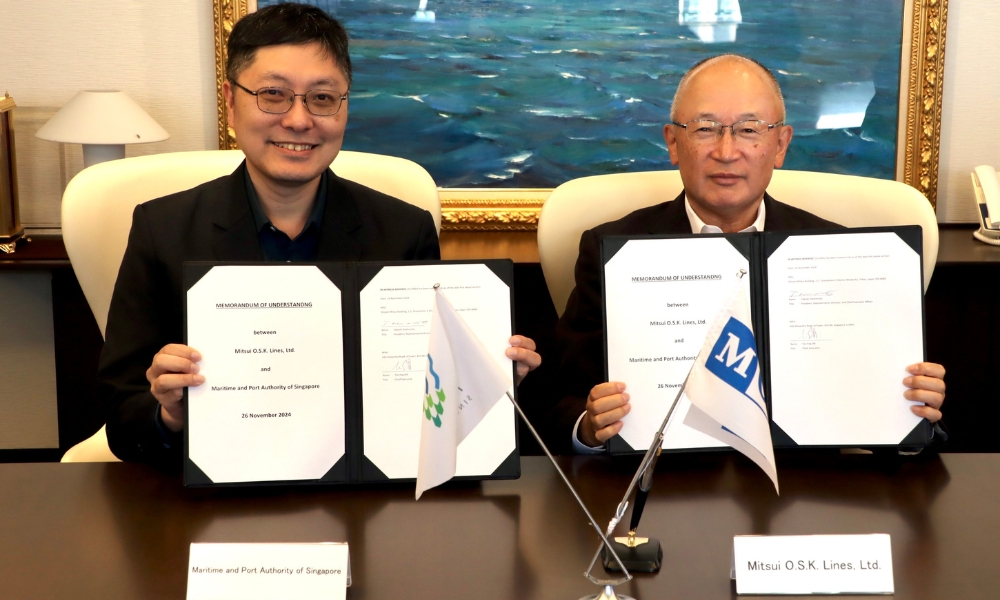

Both will cooperate to establish a supply system for next-generation alternative bunker fuels such as methanol, ammonia, and hydrogen as well as wind technology, among others.



As wind-assisted propulsion is gaining traction as a means to decarbonise, there are contractual issues that should be sorted to avoid potential disputes between shipowners and...
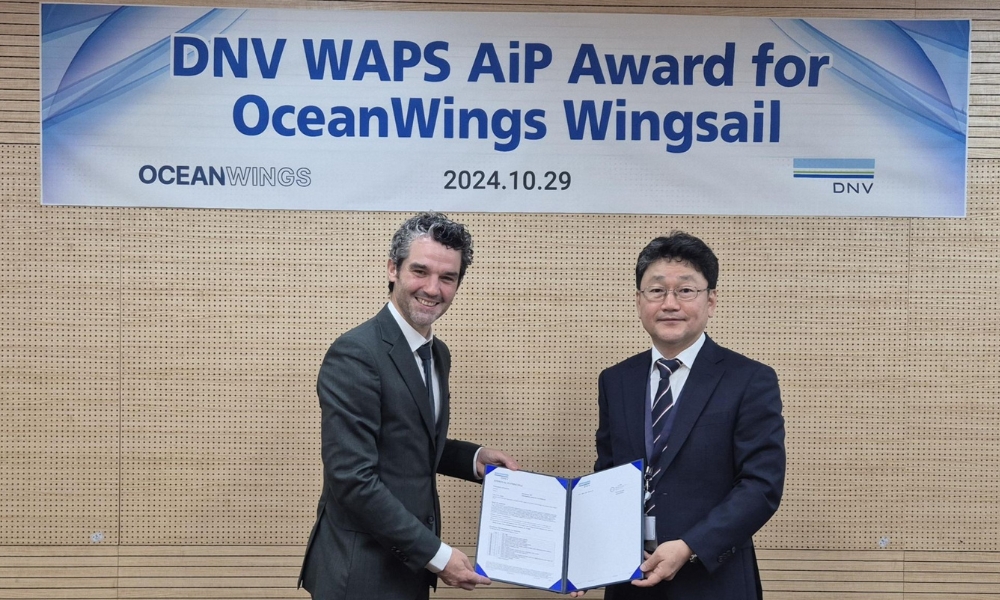

OceanWings says the recognition underscored the potential of OceanWings’ Wind Assisted Propulsion System to advance fuel efficiency and reduce greenhouse gas emissions in maritime industry.
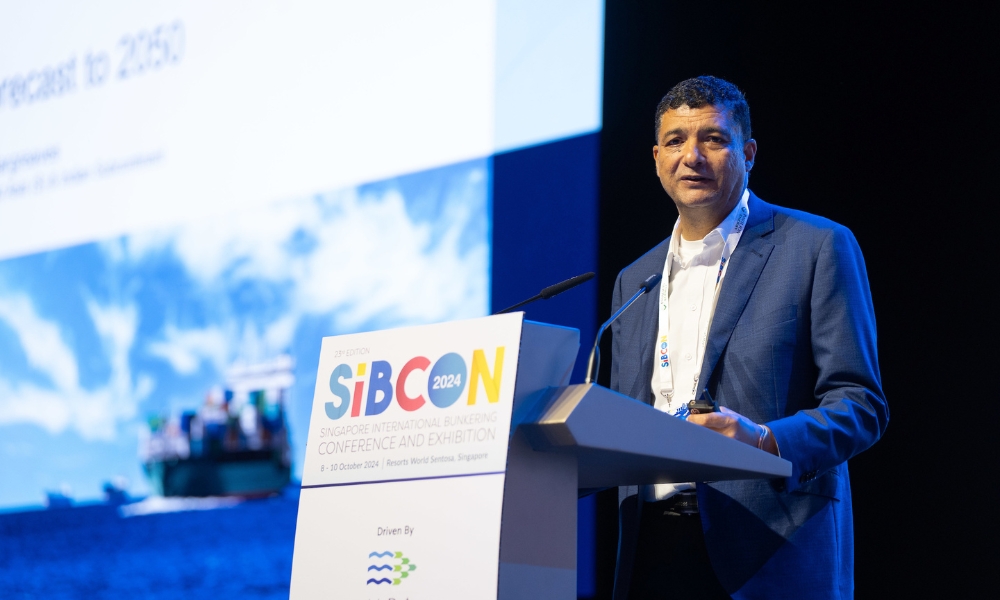

Denzal Hargreaves emphasized that without maximising these technologies, the maritime industry will need to heavily rely on all available potential carbon neutral fuels to achieve IMO’s...
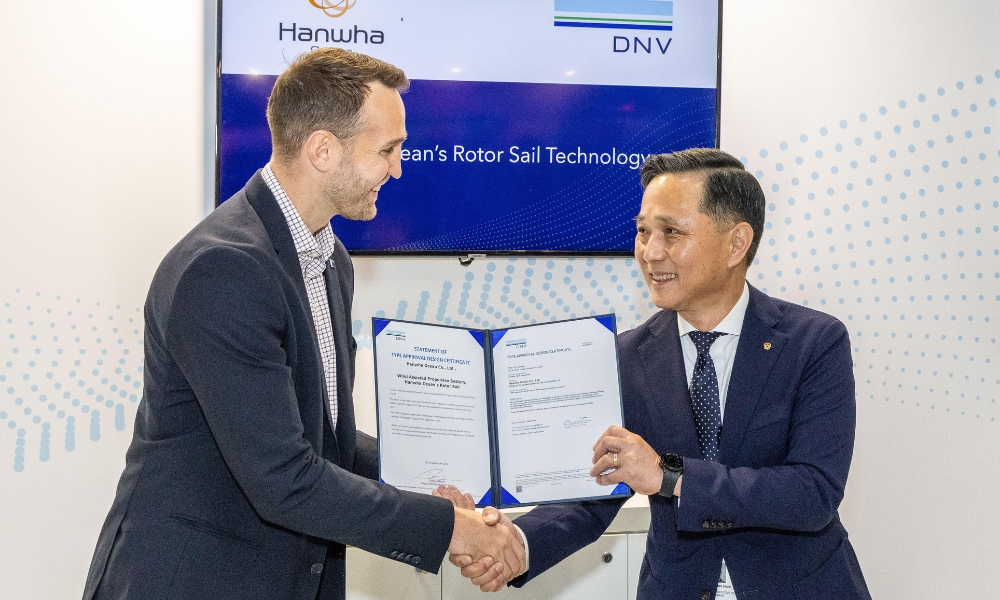

DNV TADC also covers installation of rotor sail in hazardous zones onboard vessels, for example on tankers and vessels carrying explosive liquids, gases, and dangerous cargo.
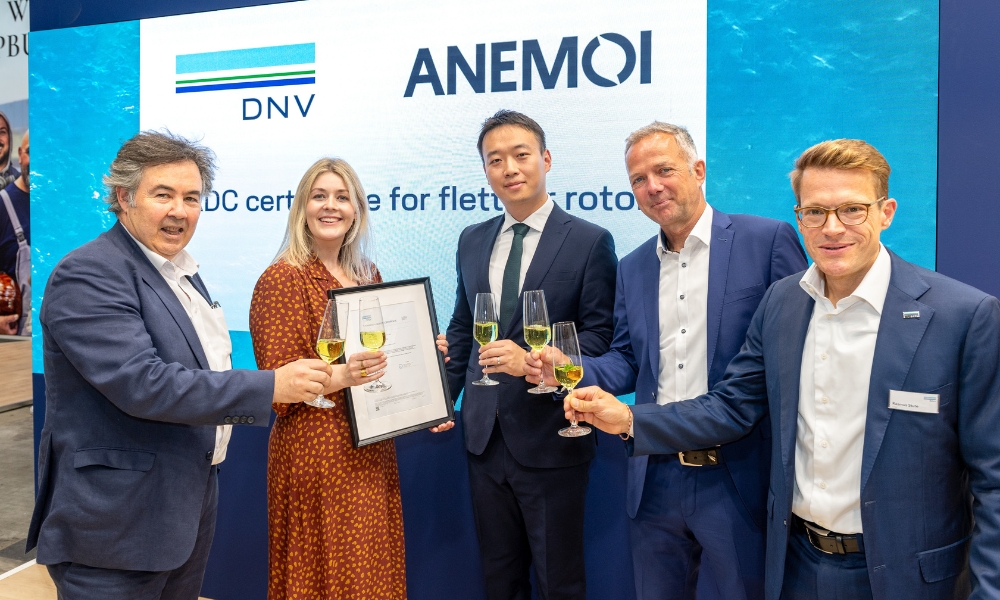

Anemoi received a Type Approval Design Certificate from DNV for its Rotor Sail design measuring 5 metres in diameter and 35 metres in height at SMM...
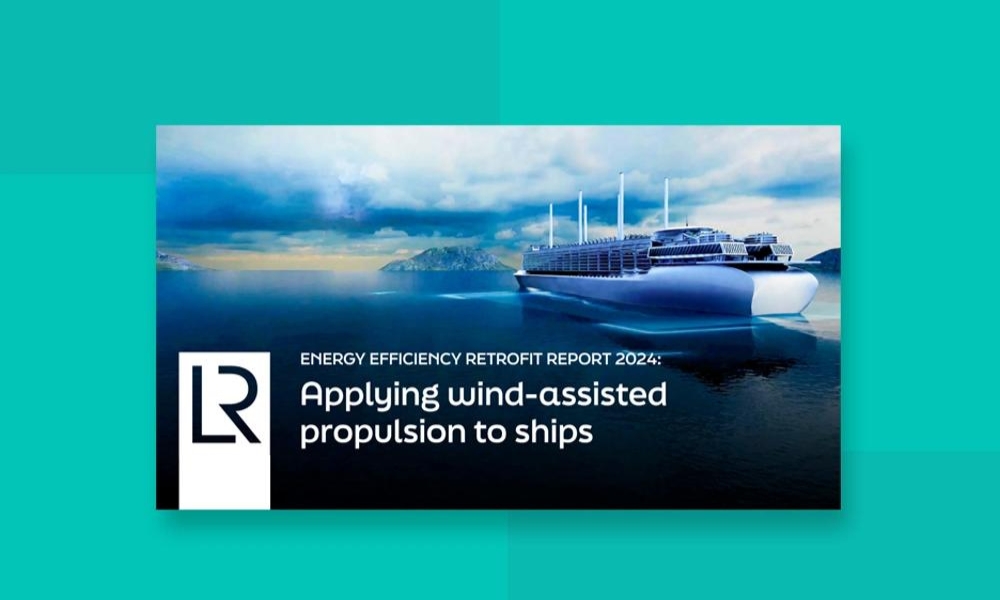

However, new LR report emphasised that the lack of standardisation for verifying fuel savings and concerns about equipment availability must be addressed to accelerate WAPS take...
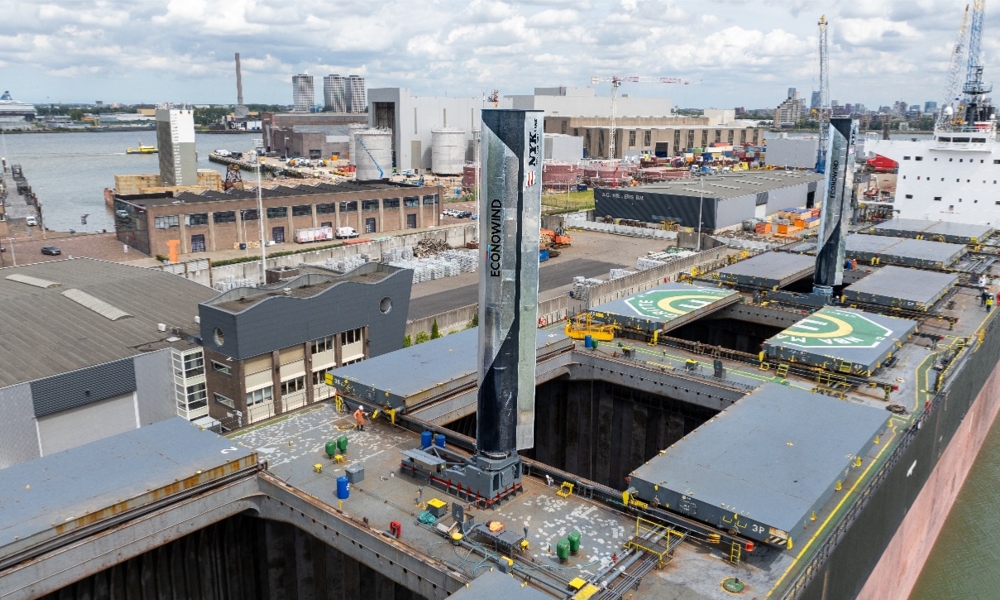

NYK Bulkship (Atlantic) installed two wind-assisted ship-propulsion units on Cargill-chartered bulk carrier on 8 July at the port of Rotterdam, the Netherlands.
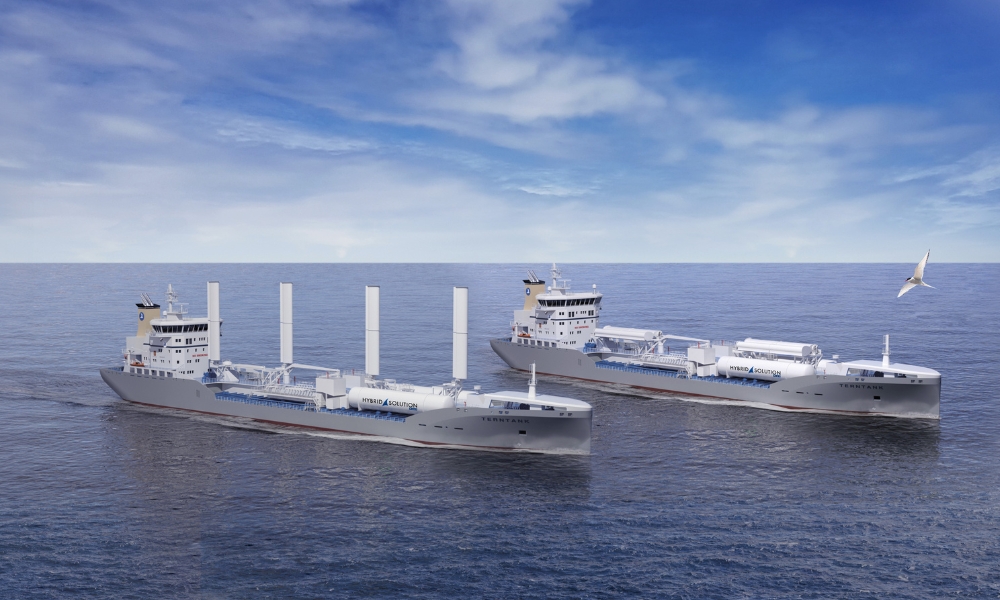

Firm has exercised its option to build a fifth chemical and product tanker equipped with wind-assisted propulsion and dual-fuel engines capable of running on MGO, biofuels,...


