
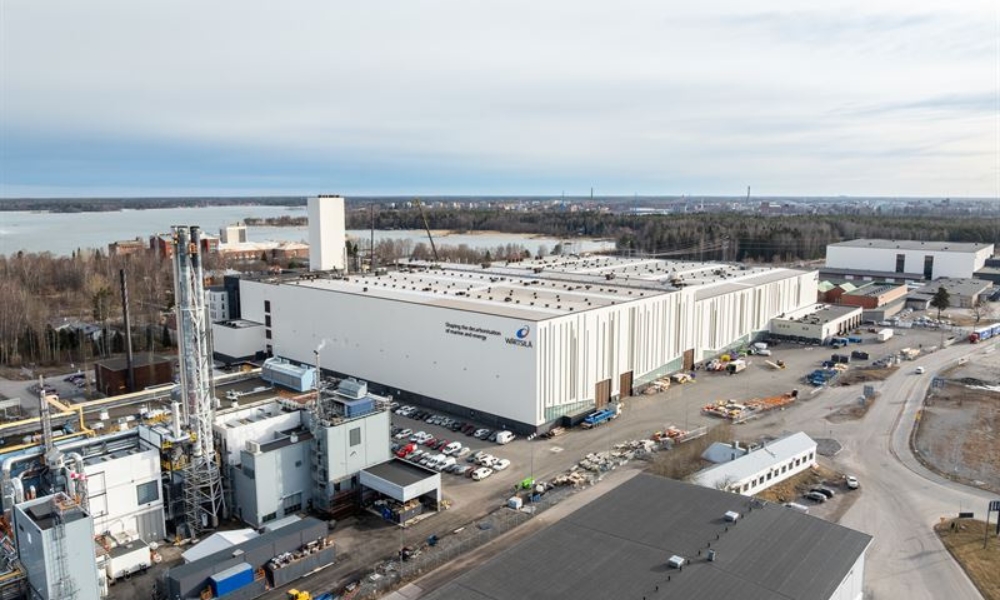

Expansion will increase Wärtsilä’s industrial capacity and strengthen the capacity of the associated global supply chain, positioning Wärtsilä to meet growing market demand in energy and...



Insights from GCMD’s pilots will feed into CIMAC working groups to inform drafting of new standards and guidance on engine performance, fuel quality considerations, and deployment...
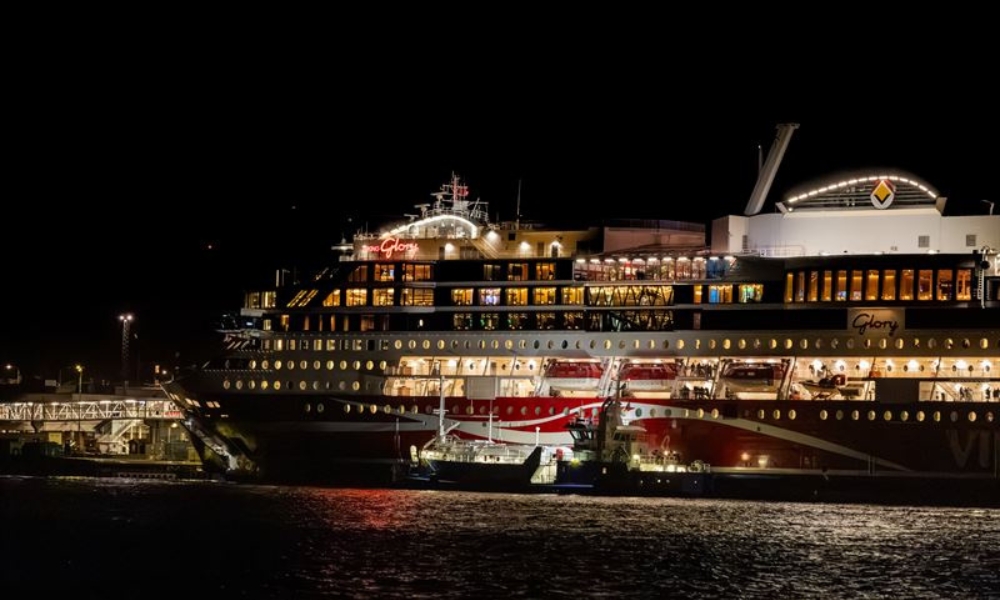

Biogas is used alongside liquefied natural gas on the company’s newest ships, “Viking Glory” and “Viking Grace”, which operate daily between Turku and Stockholm.

By joining ZESTAs, HACE will contribute to the association’s technical, regulatory, and deployment-focused activities, supporting the development of integrated maritime systems.


Company welcomed IMO’s decision to incorporate wind propulsion into its draft safety framework for greenhouse gas-reducing technologies.
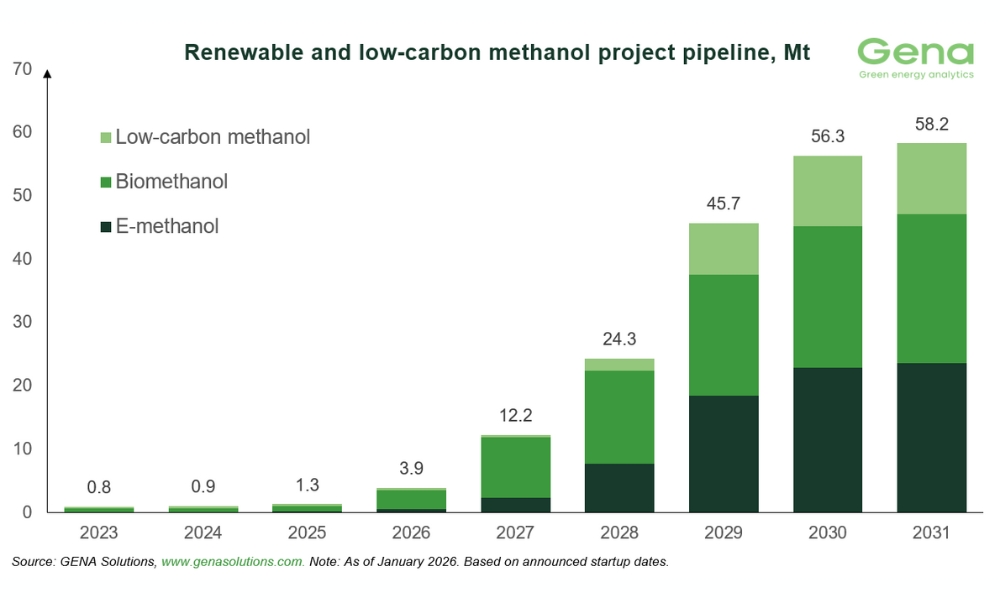
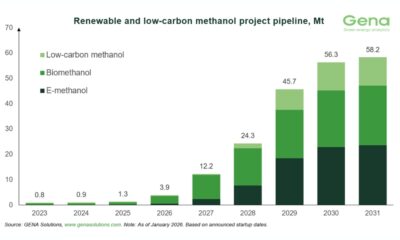

Information shared by the Methanol Institute meant to assist the maritime industry in the adoption of methanol as a mainstream marine fuel heading into IMO 2030/2050.
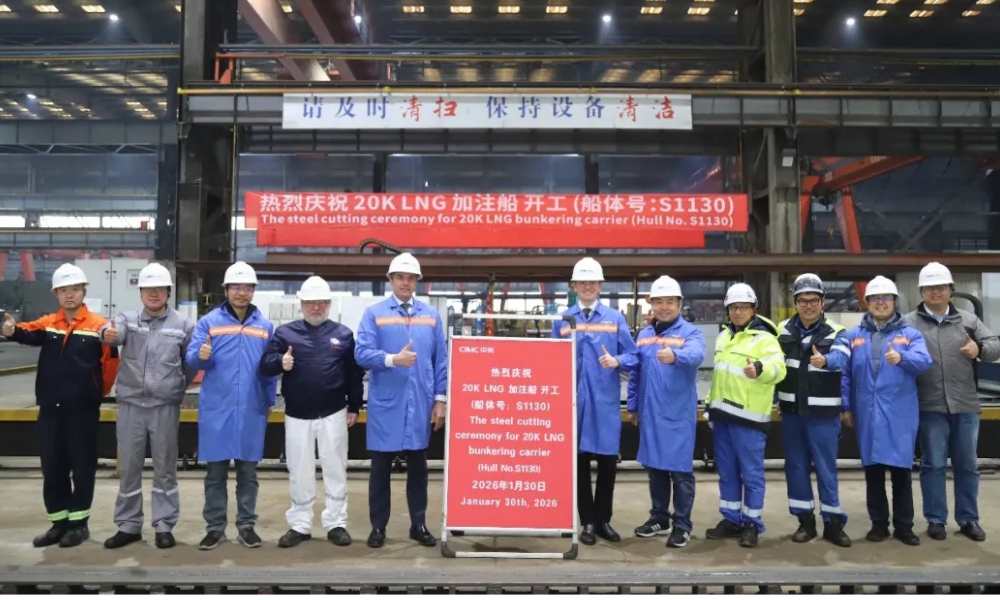

According to the shipbuilder, it will be one of the major LNG bunkering vessel types globally and is currently the world's largest LNG bunkering vessel.
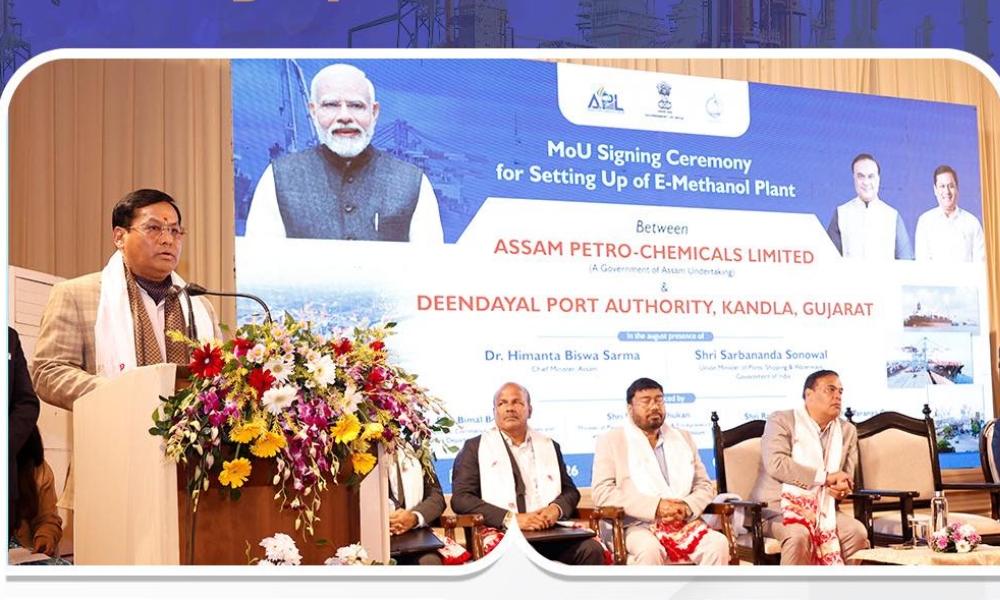
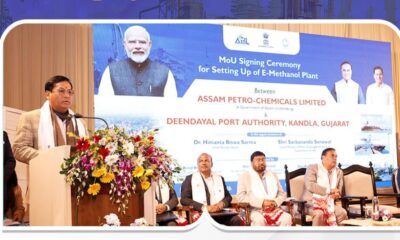

Port-based fuel production offers multiple advantages, including reduced logistics costs, seamless integration with shipping demand and development of green bunkering infrastructure, says a minister.
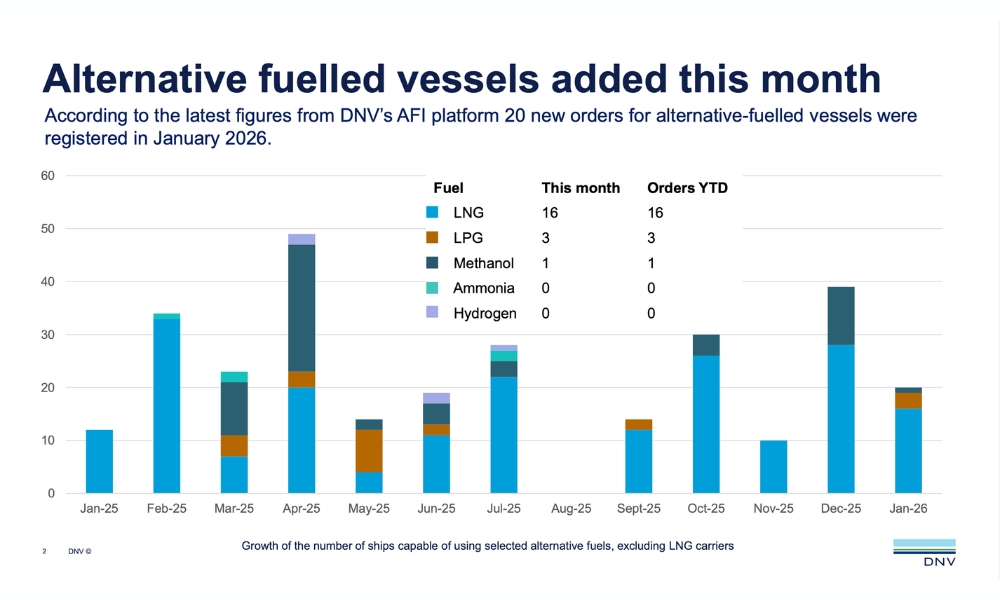

Activity continues to be dominated by LNG-fuelled container vessels, which accounted for 16 of these orders, with one methanol-fuelled offshore vessel and three LPG vessels making...
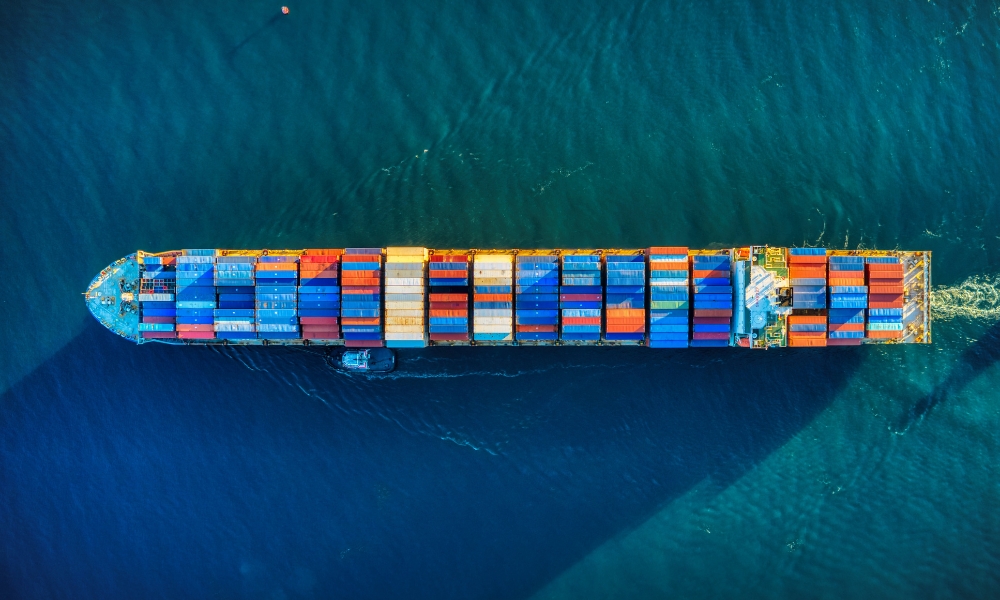
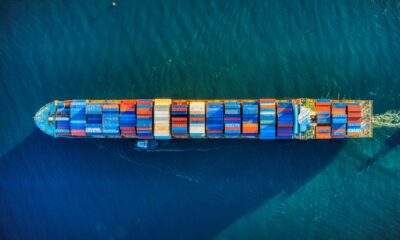

As of December 2025, the number of dual-fuel container ships and vehicle carriers on the water has reached 400, up from 218 in 2024.


