

Report stressed that, until carbon-neutral fuels become viable, prioritizing development and use of technologies that reduce energy consumption is crucial for lowering shipping’s emissions.

Global Maritime Forum explored the topic of demand aggregation for zero-emission shipping fuels and the role it can play in supporting their early uptake in a...

However, new LR report emphasised that the lack of standardisation for verifying fuel savings and concerns about equipment availability must be addressed to accelerate WAPS take...
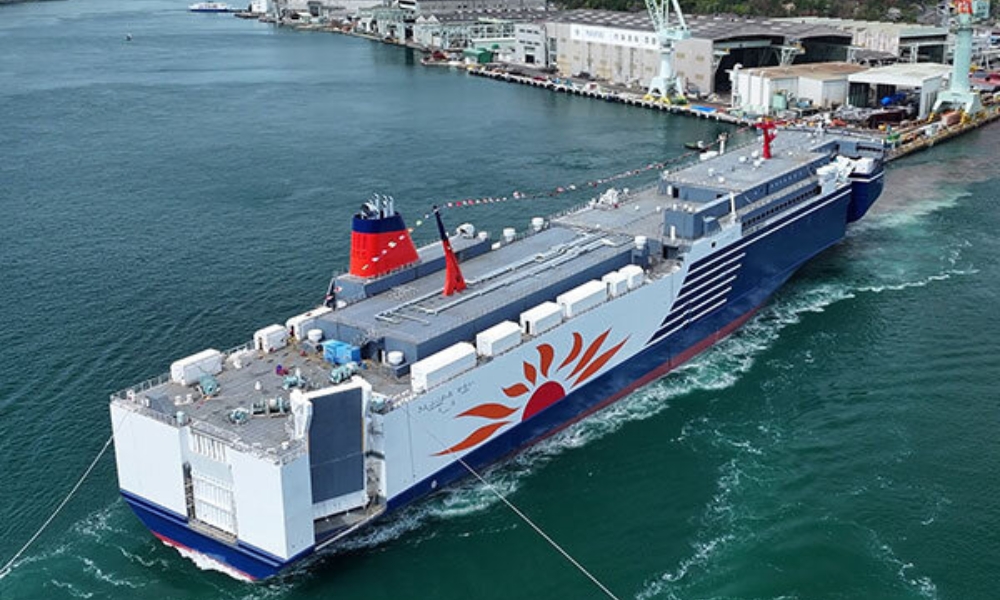

Six organisations including MOL will evaluate the feasibility of using all or part of the biomethane produced in Hamanaka Town to fuel factories and vessels.
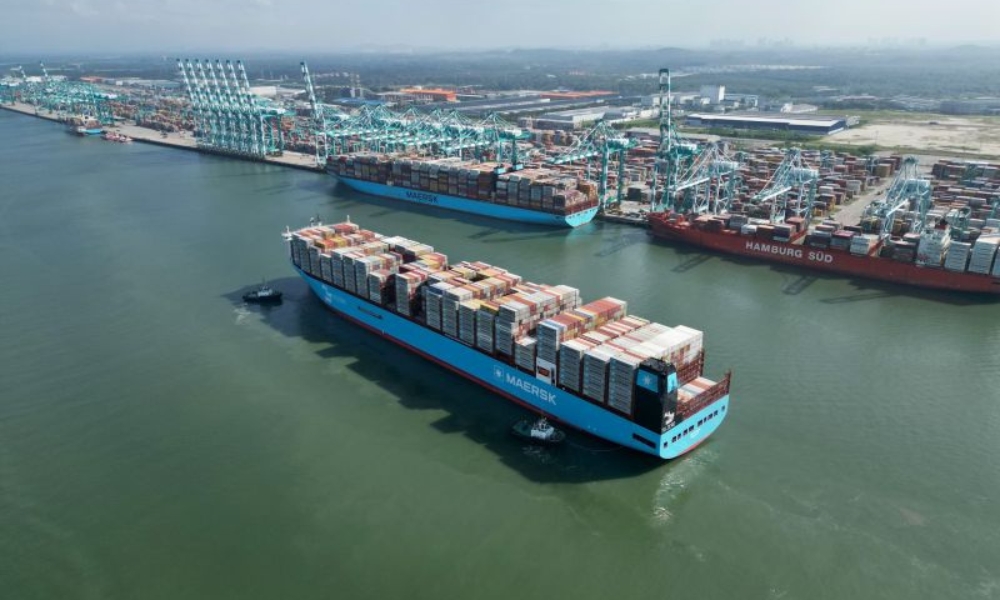

Firms will conduct research on regulatory feasibility and frameworks that would need to be established for a nuclear containership using a fourth-generation reactor to undertake cargo...



If IMO aims to maintain CII as a meaningful measure to incentivise shipping's decarbonisation, a thorough review of the formula is necessary, says Royal Belgian Shipowners'...
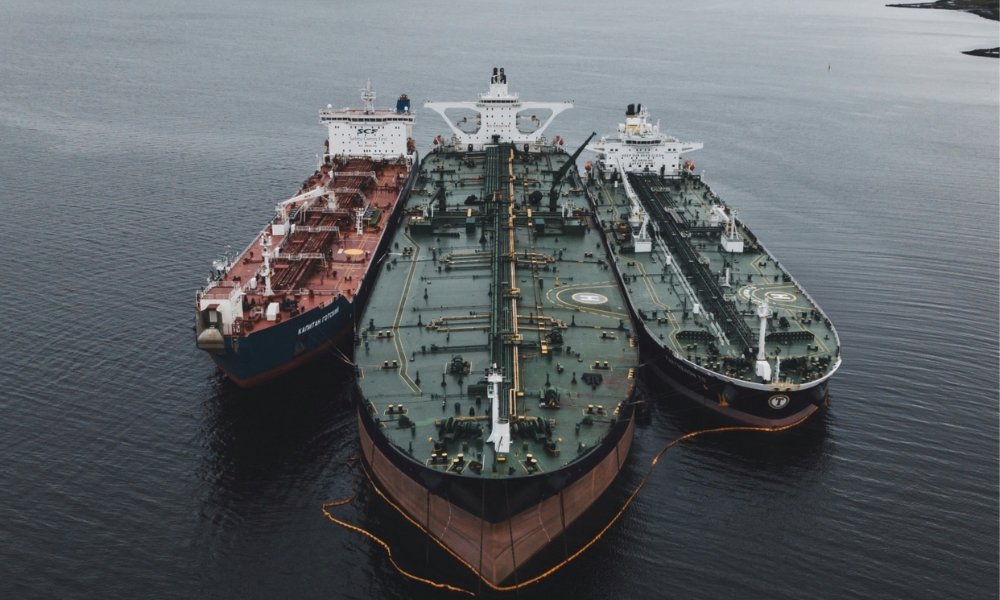

Converting tankers to green fuels can be technically and economically feasible when carefully considered in the context of fleet transition planning and asset age profiles, says...
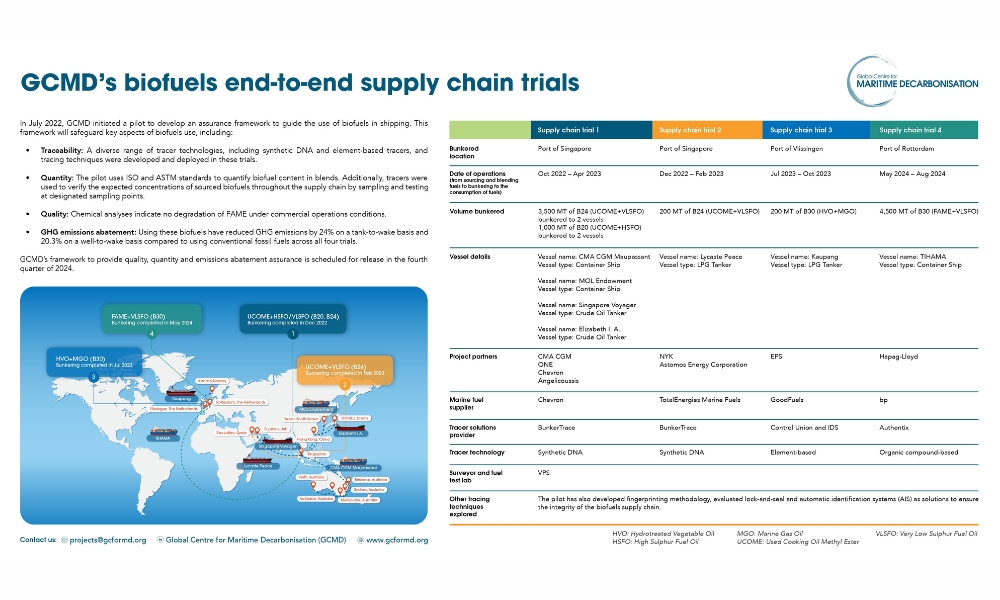

bp provided the B30 biofuel blend to the “TIHAMA”, a 19,870 TEU container vessel operated by Hapag-Lloyd in final trial; marks the end of a series...
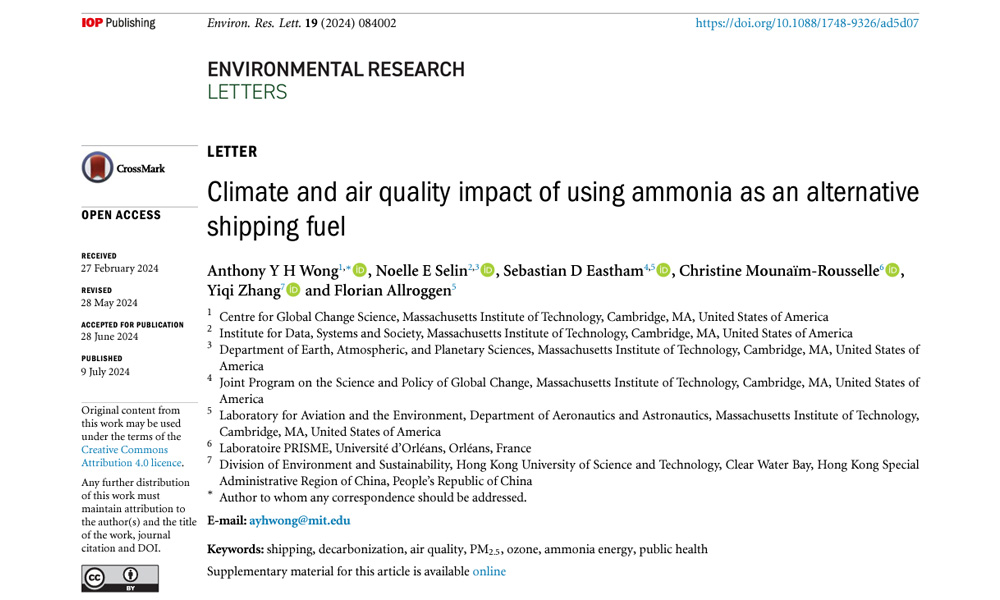

‘Saying that ammonia is a ‘clean’ fuel is a bit of an overstretch. Just because it is carbon-free doesn’t necessarily mean it is clean and good...
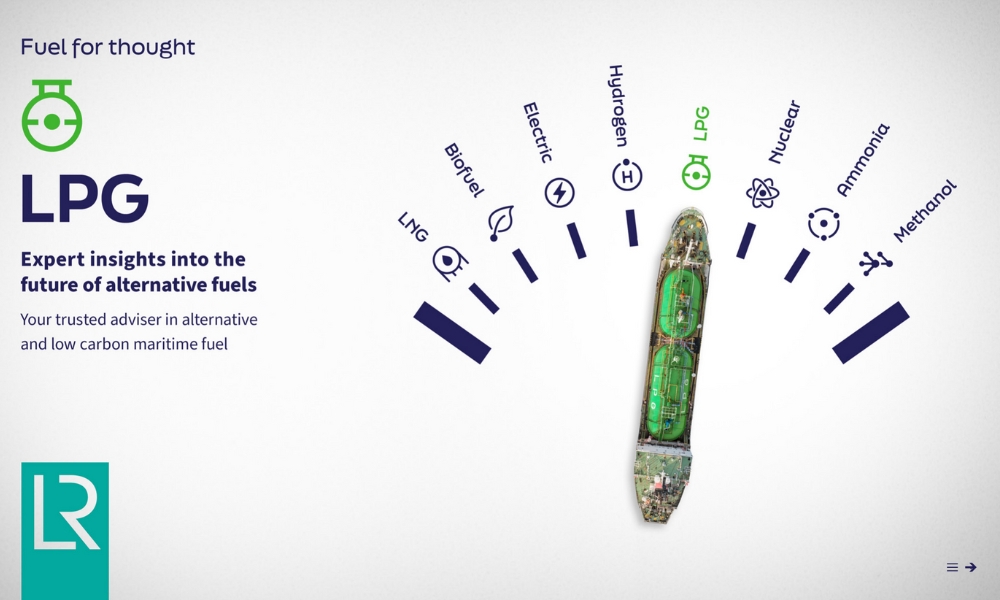

Reports explore safety, adoption drivers, and technology readiness to help stakeholders navigate the changing fuel landscape, says LR.


