
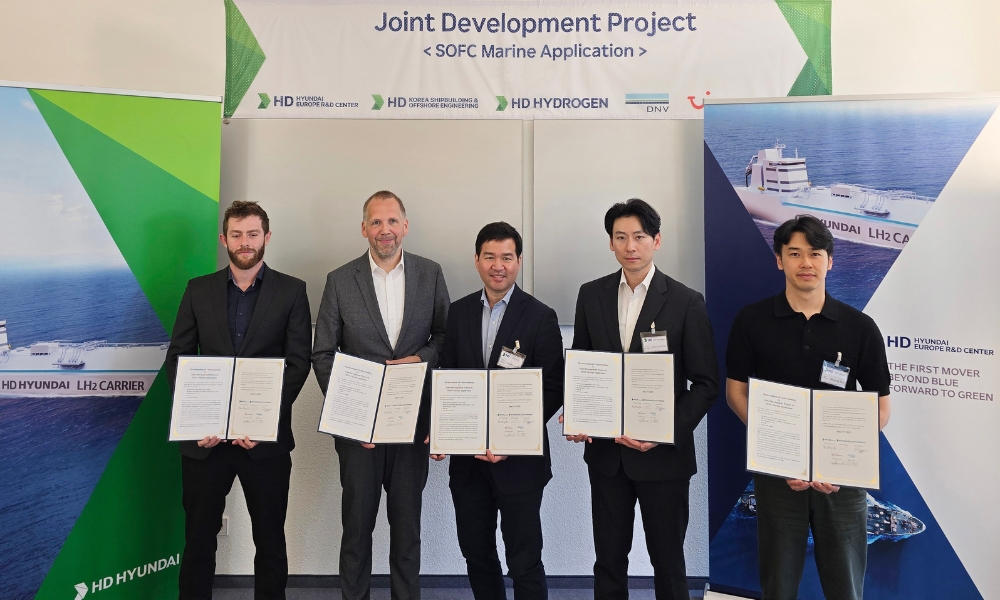

Trio signed a JDP to explore the application of Solid Oxide Fuel Cell systems on cruise vessels; HD Hyundai plans to secure global competitiveness for SOFC...
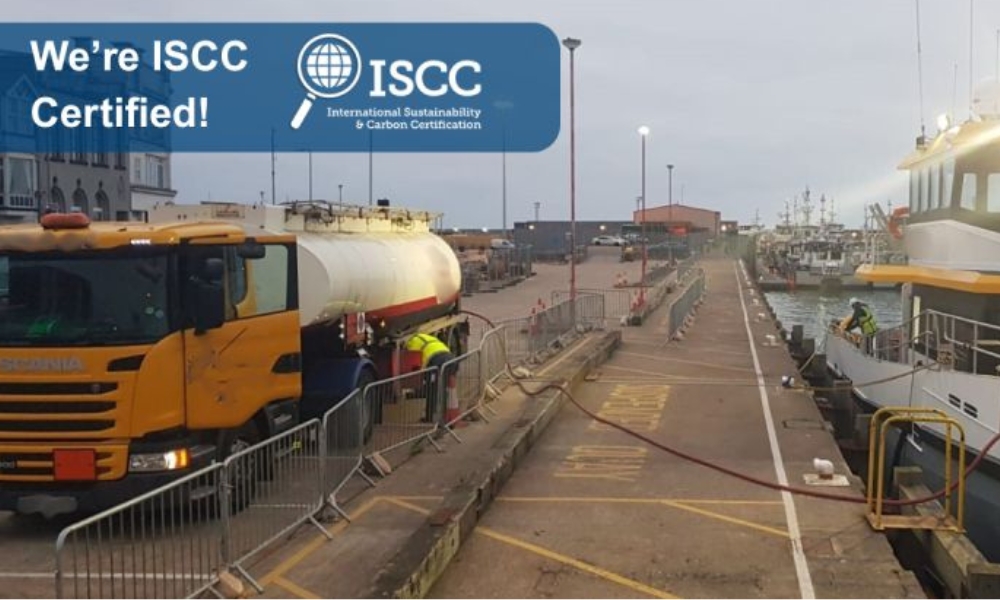

Certification will enable the firm to supply fully sustainable marine biofuels that meet strict environmental and social standards, helping stay compliant with regulations such as FuelEU...

New IEA report finds that emissions from LNG supply chain could be cut by more than 60% using today’s technologies – and many measures could be...
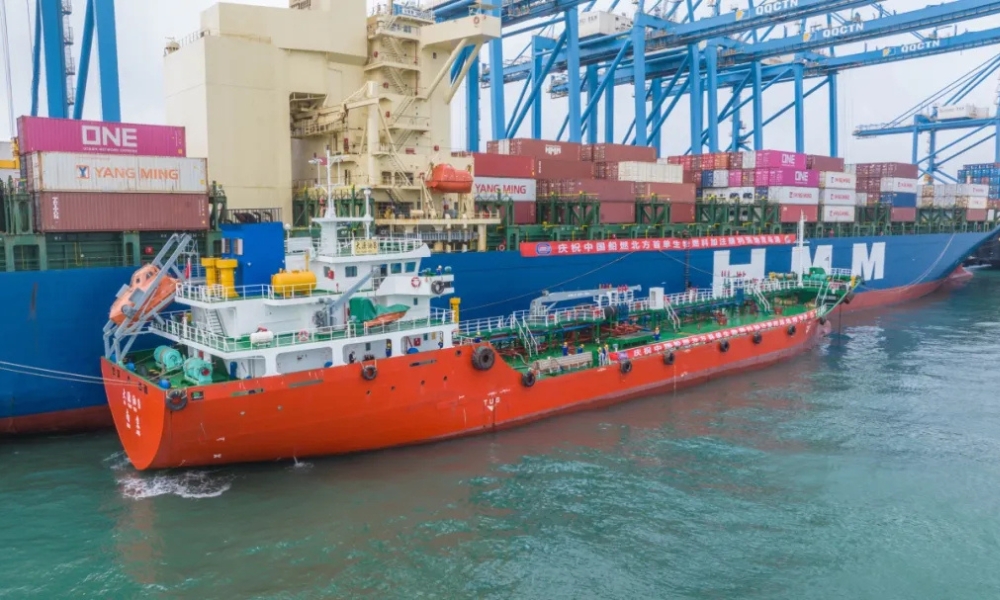
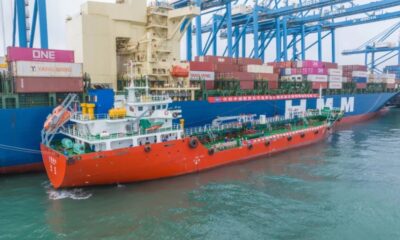

Chimbusco's “DA YUAN YOU 8” tanker refuelled the “HMM VANCOUVER” with 1,300 metric tonnes of B24 biofuel at Qingdao Port.
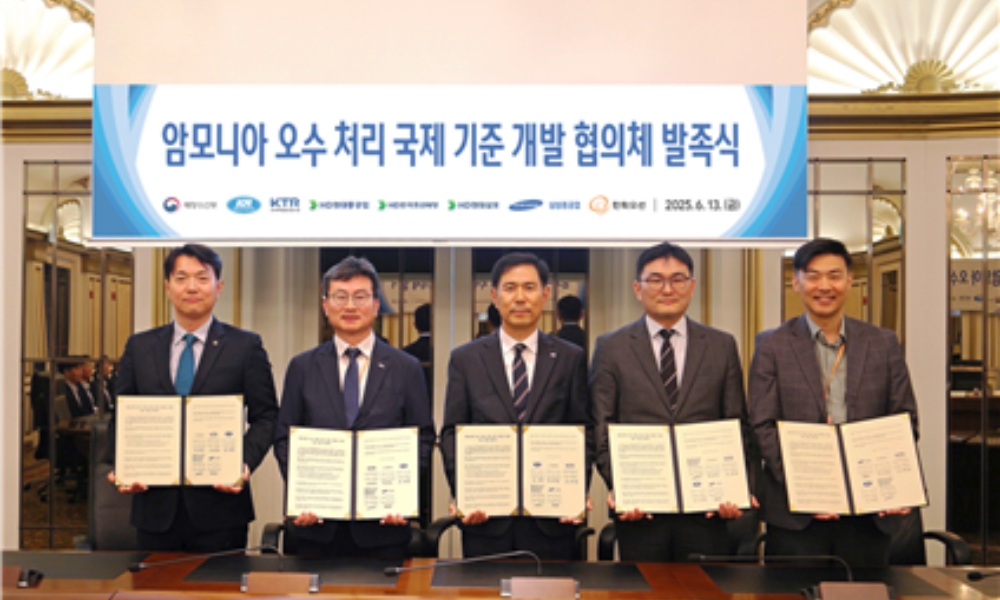

KR and major Korean shipyards such as HD Hyundai Heavy Industries, HD Korea Shipbuilding & Offshore Engineering, HD Hyundai Samho and Samsung Heavy Industries will be...

Fratelli Cosulich Marine Energy and IINO Lines signed a MoU, setting a foundation for further collaboration in the areas of methanol, LNG, and ammonia bunkering.

Over 52% at BIMCO Tanker Safety Network meeting identified ammonia as the most viable fuel pathway by 2040, reflecting growing interest in its zero-carbon potential despite...
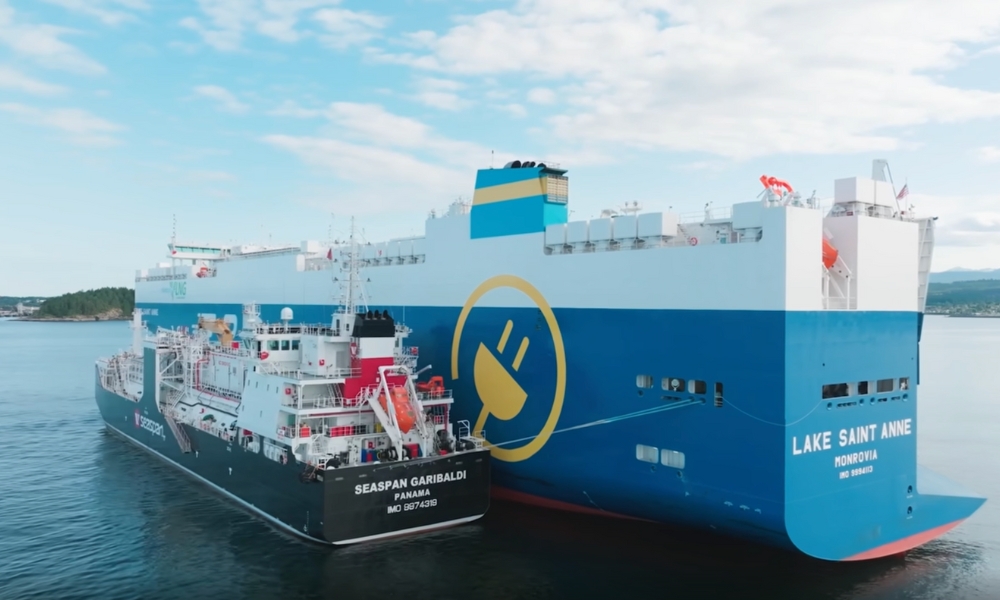
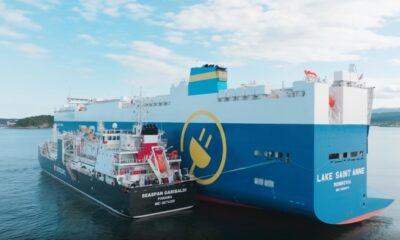

Seaspan’s bunker vessel “Seaspan Garibaldi” successfully completed a ship-to-ship LNG bunkering operation at anchor to car carrier “Lake Saint Anne”, chartered by EUKOR and managed by...
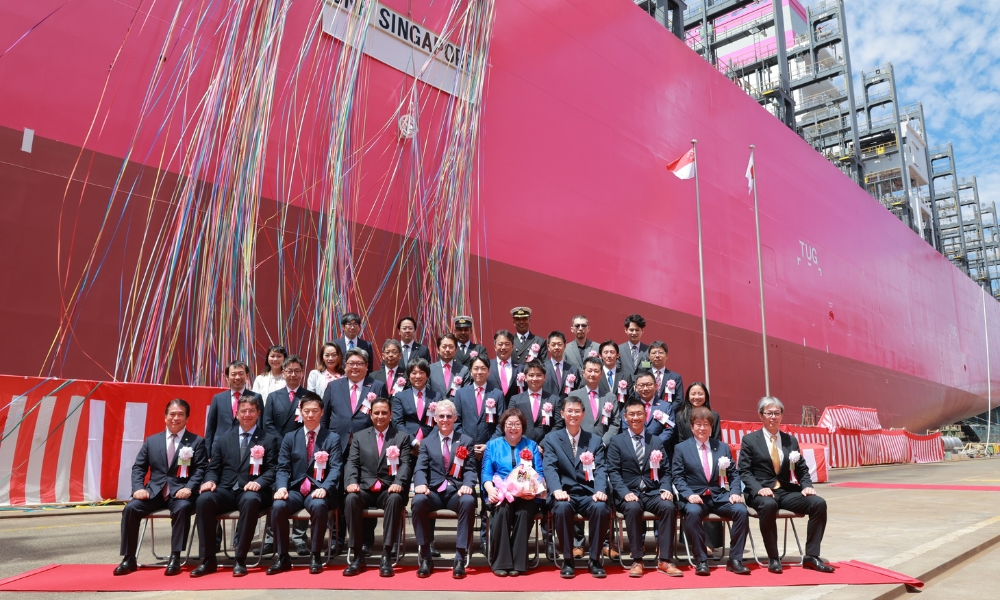

Following the successful integration of “ONE Sparkle” - ONE’s first owned newbuilding - and subsequent sister vessels, “ONE Singapore” will strengthen the company's service offerings on...
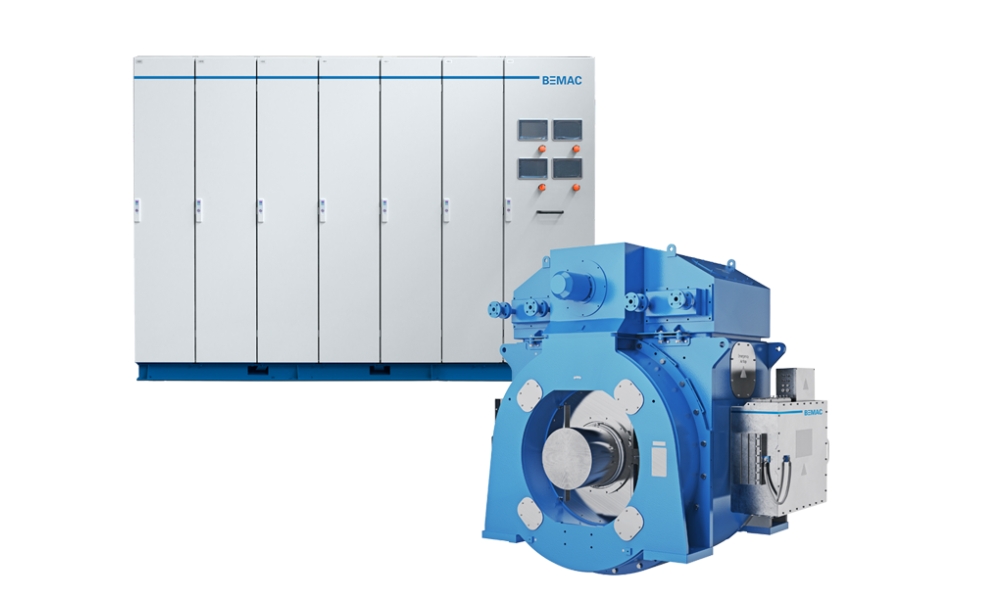
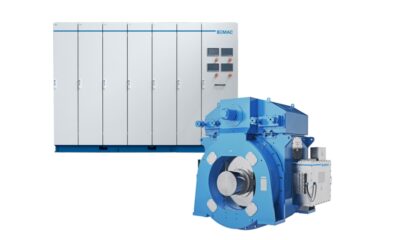

Berg Propulsion chose The Switch to supply DC-Hub and electric PM propulsion machine package to stainless steel tankers, which will be built by Zhoushan Dashenzhou Shipbuilding.


