Connect with us

Bunker Fuel

Allianz: ‘Shadow fleet’ of tankers involved in at least 50 incidents including oil spills

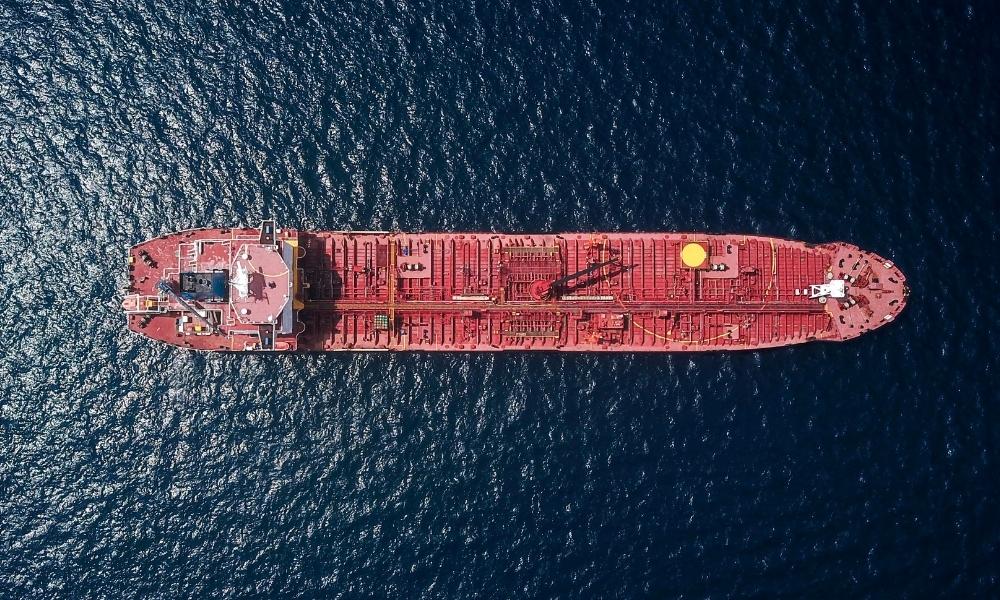
Vessels have been involved in at least 50 incidents to date, including fires, engine failures, collisions, loss of steerage, and oil spills; shadow tankers also participate in ‘dangerous practice of STS transfers in the open ocean’.

Admin

Published

on

RESIZED Shaah Shahidh on Unsplash

Allianz Commercial marine experts shared some of the major consequences of growing volatility and uncertainties from war and geopolitical events, climate change risk, including the threat the rise of the ‘shadow fleet’ poses to vessels and the environment and the multi-faceted impacts of rerouting. 

The following are excerpts from the original expert risk article by insurer Allianz :

Recent incidents in the wake of the conflict in Gaza have demonstrated the increasing vulnerability of global shipping to proxy wars and disputes. Between November 19, 2023, and the beginning of April 2024, there were more than 50 attacks against merchant shipping in the Red Sea by Houthi militants in response to the conflict. We have also seen the first total loss of a vessel, the first fatal attack, as well as signs that the crisis may have spread following the seizure of a container ship by Iranian forces in the Strait of Hormuz, the world’s most important chokepoint for oil shipping. The Houthi military group has also warned it would target any ships heading to Israeli ports if they are within range.

Disruption to shipping has persisted longer than expected and is likely to remain for the foreseeable future, says Captain Rahul Khanna, Global Head of Marine Risk Consulting, Allianz Commercial. “While we have seen sporadic attacks in the past, the conflict in Gaza has opened the flood gates. Even if a political solution is reached, we may see attacks continue as there is clearly now an opportunity for those wishing to disrupt shipping in the Red Sea and beyond. Ultimately, shipping has become a ripe target for those wishing to wage a proxy war. It opens avenues for terrorists or militia groups to get recognition and hit global markets.”

Rerouting brings supply chain, trade, risk, inflation, and environmental challenges

Attacks against shipping in the Red Sea and Middle East waters, closely following on from the ongoing disruption caused by drought in the Panama Canal, have amounted to a double strike for shipping, causing yet more issues for global supply chains, as well as significantly adding to the distance vessels must sail.

The attacks in the Red Sea have severely impacted Suez Canal transits, while a lack of rain and the El Nino phenomenon contributed to the second driest year in the Panama Canal’s history, also affecting transits.  Both routes are critical for the transport of manufactured goods and energy between Asia, Europe, and the US East Coast.

At the start of 2024 transits in the Suez and Panama canals were down by more than 42% and 49% respectively, compared to their peaks. Whichever route vessels take, they face lengthy diversions and increased costs. For example, avoiding the Suez Canal adds at least 3,000 nautical miles and 10 days sailing time to each trip, rerouting via the Cape of Good Hope.

Businesses that source goods and components from factories in China and South-East Asia have faced delays and higher costs from longer transit times. Some reported rises of 300% for container hire, and logistical delays, adding up to three to four weeks to delivery times, creating cashflow difficulties, and component shortages on production lines.

Such experiences have thrown the shipping industry and the issue of supply chain resilience into the public consciousness, says Khanna.

“Supply chains have been disrupted by a series of events in recent years, from extreme weather and climate incidents, container ship fires and groundings, through to the pandemic and conflicts in Ukraine and the Middle East, not forgetting the recent Baltimore bridge collapse.

“How should the shipping industry and its customers address this challenge? In today’s interconnected environment it is even more important to have a ‘Plan B’ and alternative options. An unexpected event can have a domino effect globally. Shippers around the world should consider diversification of their supply chains and in some cases nearshoring and onshoring might be an option.”

Increased transparency is also part of the solution, particularly when it comes to tracking cargo. While the global risk environment for shipping has changed significantly in recent years, the average shipper still knows very little about the location of their cargo, which makes it very difficult for them to put effective contingency plans in place to minimize disruption. Ultimately businesses will need to update their approach to cargo risk management and business continuity planning, says Régis Broudin, Global Head of Marine Claims, Allianz Commercial.

Rerouting will also require a shift in the shipping industry supply chain, if large numbers of vessels switch to alternative routes around the Cape of Good Hope for a prolonged period. Container lines tend to ply the same established trade routes, but rerouting will require alternative bunkering, supply, repair, and maintenance facilities. The risk environment could be impacted suggests Wayne Steel, Senior Marine Risk Consultant, Allianz Commercial. For example, storms and rough seas could be more challenging for smaller vessels used to plying coastal waters, especially where crews may not be sufficiently trained and equipped for such conditions.

Other areas impacted include container capacity, older vessels being kept in service as longer journeys means an increasing demand for ships, inflation – according to Allianz Trade analysis, a prolonged period of disruption in the Red Sea could cause it to increase by +0.5% – as well as the environment. The disruption in the Red Sea, combined with factors linked to the Panama Canal and the Black Sea in the wake of the Ukraine war, could erode the environmental gains achieved through ‘slow steaming’, as rerouted vessels increase speeds to cover longer distances. The longer distances caused by rerouting container ships from the Suez Canal to the Cape of Good Hope result in an estimated 70% increase in greenhouse gas emissions for a round trip from Singapore to Northern Europe. Shipping diversions from the Red Sea are already cited as being a primary cause of a 14% surge in the carbon emissions of the EU shipping sector during the first two months of 2024.

Ukraine war: ‘shadow fleet’ risk to vessels and environment

A gradual tightening of international sanctions on Russian oil and gas exports over the past three years since its invasion of Ukraine has resulted in the emergence of a sizable ‘shadow fleet’ of tankers, mostly older vessels that operate outside international regulation and often without proper insurance. This situation presents serious environmental and safety risks in key chokepoints where oil is shipped.

Russia is not the only country to operate a shadow fleet. Iran and Venezuela have used such tankers to circumvent sanctions and maintain oil exports. Estimates put the size of the dark fleet at between 600 to 1,400 vessels, roughly a fifth of the overall global crude oil tanker fleet.

Much of the shadow fleet is likely poorly maintained and may not have undergone appropriate inspections. Shadow tankers also participate in the dangerous practice of ship-to-ship transfers in the open ocean, as well as turning off Automatic Identification System (AIS) transponders to obscure their identity. Vessels have been involved in at least 50 incidents to date, including fires, engine failures, collisions, loss of steerage, and oil spills. The cost of dealing with these incidents often falls on governments or other vessels’ insurers if one is involved in an incident.

“As long as there are sanctions on countries like Russia and Iran, the shadow fleet looks here to stay,” says Justus Heinrich, Global Product Leader Marine Hull, Allianz Commercial. “Given the age of the vessels in the shadow fleet, safety is a big concern. Often these vessels are at the end of their operational lives and are used in a high-risk business.”

Note: The full article by Allianz can be found here


Photo credit: Shaah Shahidh on Unsplash
Published: 20 May 2024

Continue Reading

Biofuel

BHP and GCMD trial multi-feedstock B100 bio bunker fuel on bulk carrier

Bio-blend in the BHP and GCMD pilot is being used on a BHP-chartered bulk carrier “Berge Lyngor”, which was bunkered in Singapore in early May.

Admin

Published

on

By

BHP and GCMD trial multi-feedstock B100 bio bunker fuel on bulk carrier

BHP and the Global Centre for Maritime Decarbonisation (GCMD) on Wednesday (3 June) said they have blended biofuels from two distinct feedstocks—used cooking oil and waste animal fats —and introduced the lower-emissions marine fuel into a BHP-chartered bulk carrier as part of a pilot project.

The bio-blend in the BHP and GCMD pilot is being used on a BHP-chartered bulk carrier Berge Lyngor, owned and operated by Berge Bulk, transporting BHP iron ore from Western Australia to China. When run on bio-blend, the vessel has the potential to reduce well-to-wake greenhouse gas emissions by approximately 79 per cent per voyage compared to sailing on very low sulphur fuel oil (VLSFO).

The vessel bunkered in Singapore in early May with a B100 bio-blend comprising 50 percent tallow-derived biodiesel, sourced and supplied by HAMR Energy, and 50 per cent used cooking oil (UCOME) supplied by Mitsui & Co Energy Trading Singapore (METS).

Mitsui also blended the fuel and Dan-Bunkering coordinated and executed the bunkering operation, which was performed by Global Energy’s barge MT Maple.

The BHP and GCMD pilot will assess how biofuels from multiple feedstocks can be blended, handled, and introduced under real-world operating conditions using existing used cooking oil bunkering infrastructure.

At the same time, insights from this pilot will help identify solutions to challenges related to fuel quality, handling, traceability, and onboard vessel performance.

Biofuels for global shipping today rely heavily on used cooking oil – a feedstock whose availability is approaching its projected limits. Biofuel from waste animal fats presents a promising option to expand the supply of lower-emissions marine fuels.

The outcomes of the pilot are expected to shed light on the practical steps to integrate biofuel blends from different feedstocks into existing supply chains. The diversity of biofuels will provide shipowners and operators with greater flexibility to optimise fuel procurement based on cost, availability, and lifecycle emissions performance.

Biofuels derived from different feedstocks can exhibit varying properties that may impact operations, including potential corrosion from oxidation, fuel system clogging caused by wax formation, which this pilot aims to assess.

The pilot will trace and verify the biofuel blend’s integrity aimed at bolstering confidence in emissions reductions reporting. The pilot will also provide insights into how robust tracing can support future marine fuel supply chains where biofuels from multiple feedstocks with varying lifecycle greenhouse gas emissions footprints are blended together.

This project is co-funded by the Maritime and Port Authority of Singapore under the Maritime Innovation and Technology Fund (MINT).


Photo credit: Global Centre for Maritime Decarbonisation
Published: 3 June, 2026

Continue Reading

Biofuel

NYK starts one-year B100 bio bunker fuel trial on car carrier

In this trial, NYK will operate a car carrier continuously on B100 for one year to evaluate the impact on engines, fuel supply systems, and operational practices.

Admin

Published

on

By

NYK starts one-year B100 bio bunker fuel trial on car carrier

Japanese shipping firm NYK on Tuesday (2 June) said it has commenced a one-year long-term trial involving the continuous use of 100% biofuel (B100) on an NYK-operated car carrier. 

In this trial, NYK will operate a car carrier continuously on B100 for one year to evaluate the impact on engines, fuel supply systems, and operational practices. High-purity biofuels such as B100 are known to be susceptible to degradation from oxygen, light, and heat, raising concerns about the stability of such fuels during long-term use.

In this trial, the biofuel primarily comprises FAME (Fatty Acid Methyl Ester) derived from used cooking oil and similar feedstocks.

The initiative is designed to evaluate the fuel’s effects on the vessel’s equipment and verify operational safety under real-world conditions. 

Through this effort, NYK seeks to accumulate technical expertise that will support the broader use of high-purity biofuels and further accelerate efforts to reduce greenhouse gas (GHG) emissions.

NYK has been advancing the use of biofuels through various initiatives. In 2024, the company conducted a trial using biofuel blend B24 and subsequently expanded practical usage to B30. However, the company said there remains limited global experience with the long-term continuous use of B100.

“By collecting long-term operational data through this trial, NYK aims to accumulate valuable technical insights to support both the safe operation of vessels and the wider adoption of high-purity biofuels,” it said. 


Photo credit: NYK
Published: 3 June, 2026

Continue Reading

Ammonia

AM Green plans to build green ammonia plant at Indian port

Initiative also includes development of green ammonia handling, storage and bunkering infrastructure, pilot bunkering operations, safety procedures and training programmes, says VOC Port Authority.

Admin

Published

on

By

india flag

VO Chidambaranar (VOC) Port Authority on Friday (29 May) said it has signed a Memorandum of Understanding (MoU) with India’s ammonia producer AM Green Ammonia to collaborate in the development of a green ammonia production plant.

The plant will have a capacity of one million tonnes per annum (MTPA) at Tuticorin.

The initiative also includes development of green ammonia handling, storage and bunkering infrastructure, pilot bunkering operations, safety procedures and training programmes. 

The project is expected to support the development of green fuel corridors connecting VOC Port with major ports in Europe and Asia, thereby strengthening India’s position in the global green fuels value chain.

VOC Port also signed a Memorandum of Understanding (MoU) with Bureau Veritas (India) Pvt. Ltd., to collaborate on Green Port certification, emissions accounting, ESG reporting, safety validation, development of green bunkering practices, and establishment of a Centre of Excellence for green fuels and sustainability.

The port also plans for an upcoming 750 m³ green methanol bunkering facility.


Photo credit: Naveed Ahmed on Unsplash
Published: 3 June, 2026

Continue Reading

Trending