

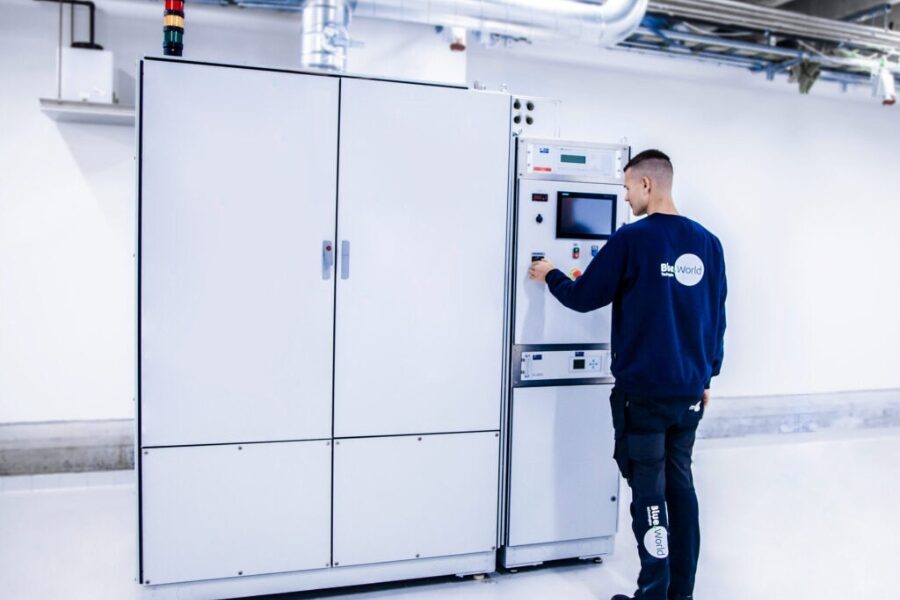

Methanol fuel cell APU system will have an energy efficiency of 45% to 60% to compensate for green premium of e-fuels such as methanol to lower...


Amogy will purchase fuel cell engines from Ballard Power Systems for ammonia-to-power maritime applications; Amogy is currently scaling the technology for use in maritime vessels.
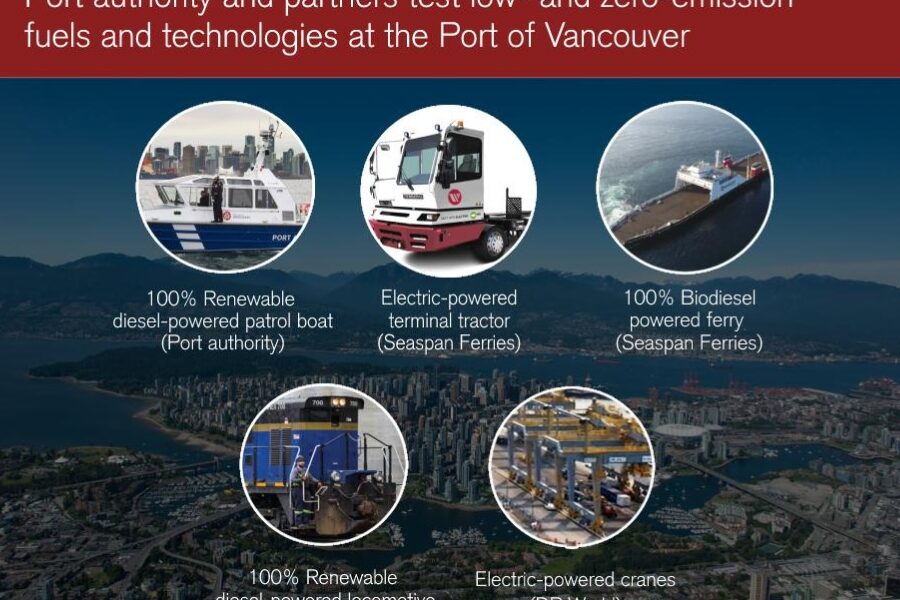
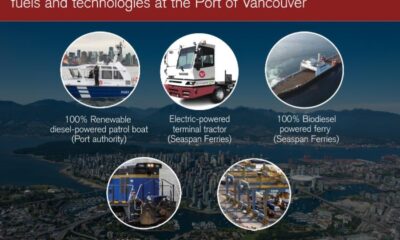

Testing of fuels include 100% biodiesel bunkers on commercial ferries and 100% renewable marine diesel on one of the port authority’s patrol boats at Port of...
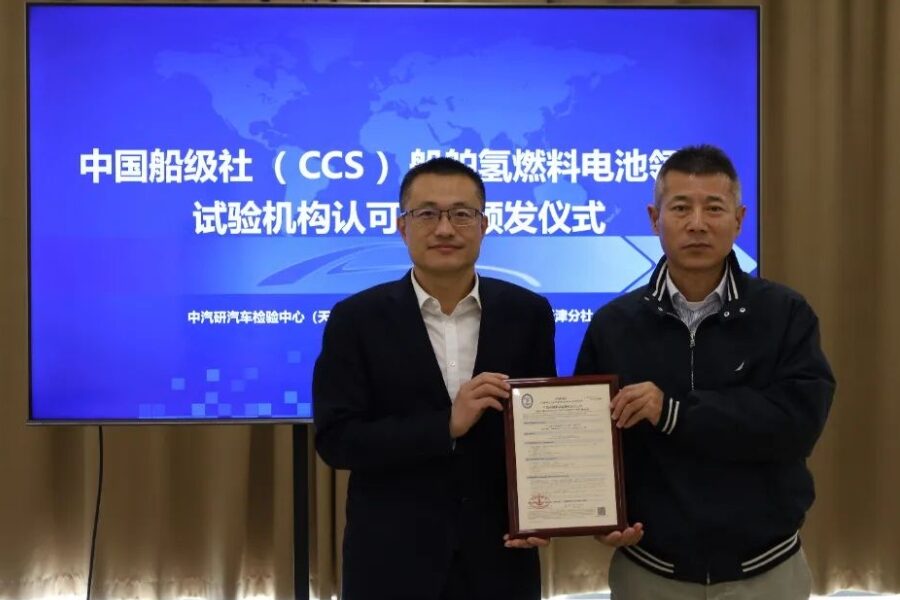

CCS issued the certificate to CATARC Automotive Test Center (Tianjin) Co., Ltd which can now conduct performance and environmental tests, amongst others.
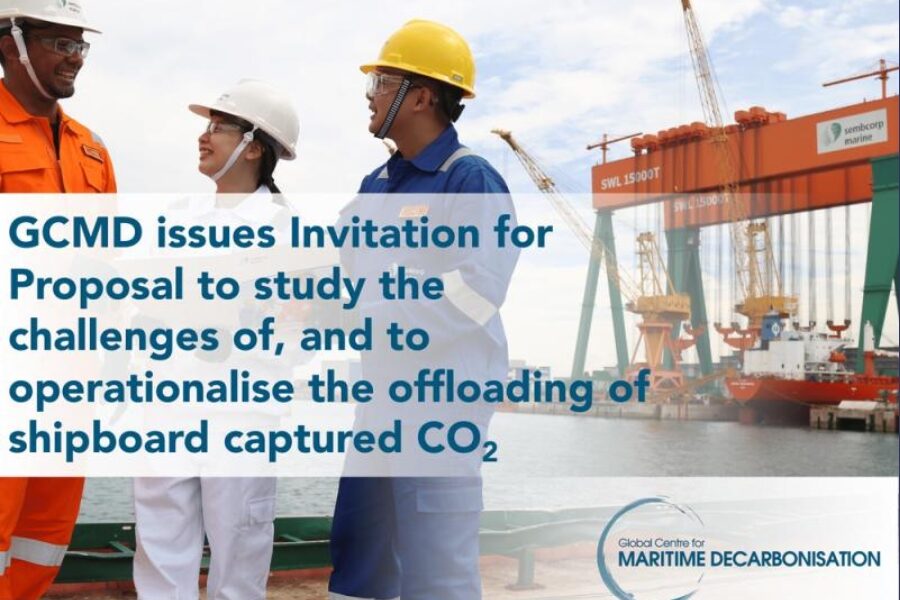
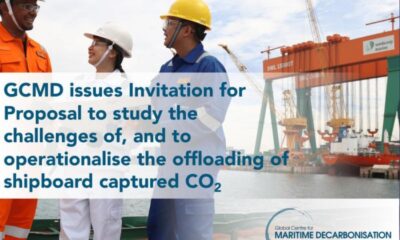

Findings will help shape regulatory and operational guidelines that will steer future demonstration and eventual adoption of shipboard carbon capture technologies.
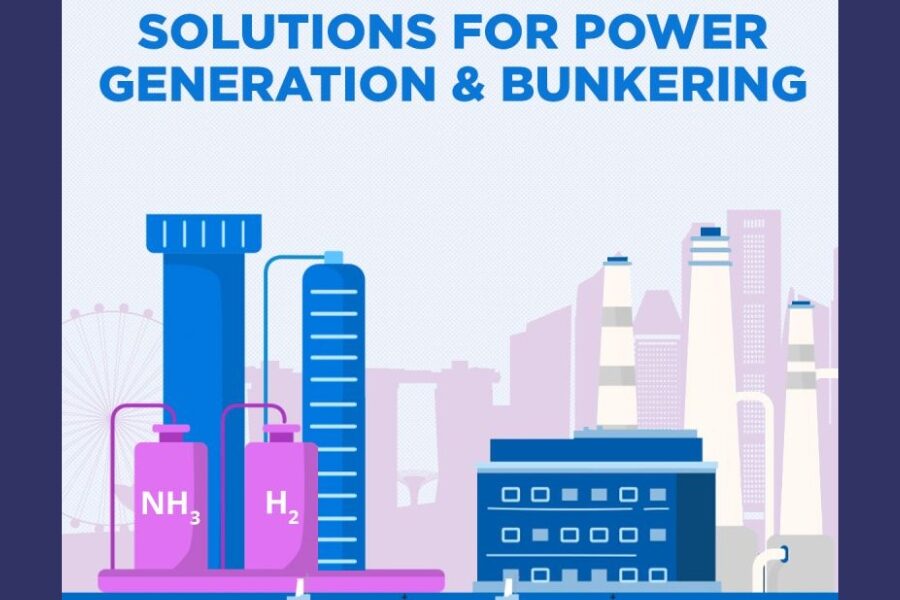


EMA and MPA have invited interested parties to submit proposals under an EOI to build, own and operate low or zero-carbon power generation and bunkering solutions.
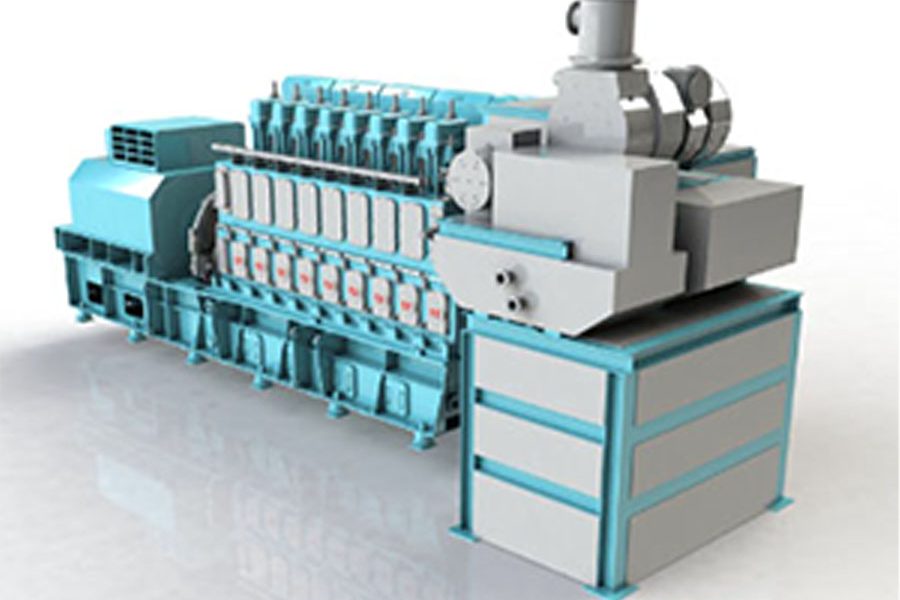

Dual fuel generator engine for 160,000m3 liquefied hydrogen carrier is capable of switching between hydrogen and low sulphur fuel oil, says Kawasaki Heavy Industries.

Newbuildings construct at China Merchants Jinling Shipyard, Yangzhou are designed by Kongsberg and will be scheduled for delivery in spring 2025.

Windward will work with MFA to provide clarity and guidance on how to better manage risk and optimise due diligence processes for any bunker transaction.
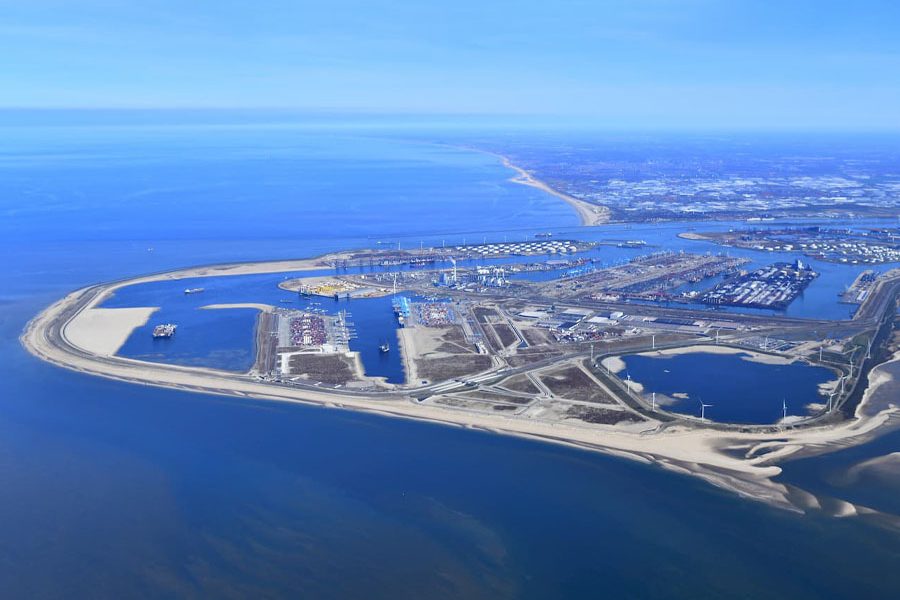

Rotterdam’s intention to mandate the usage of MFMs goes down well with licensed bunker supplier VT Group; MFM providers supportive of move but stressed continuous monitoring...


