
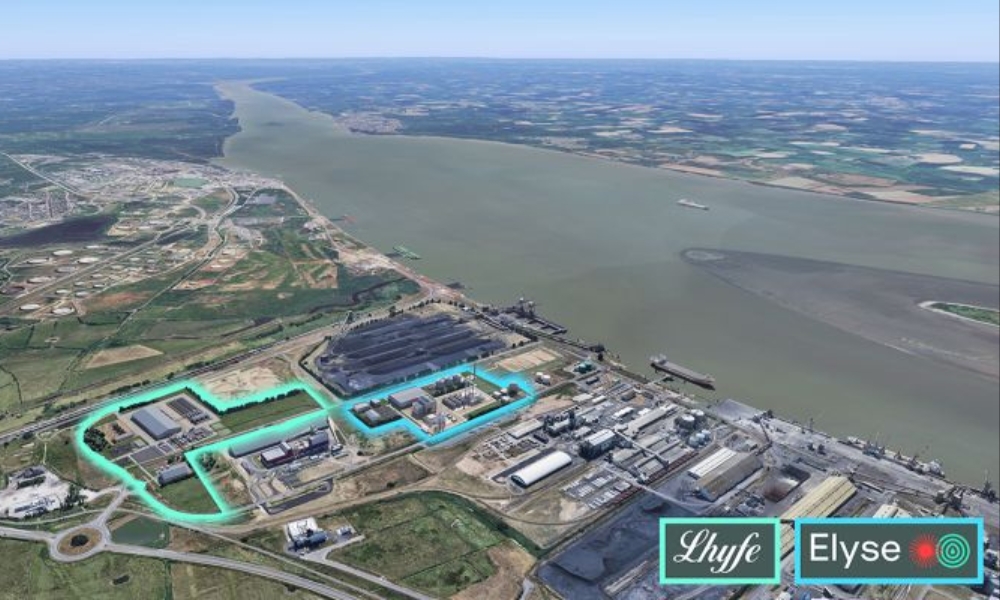

Both are currently studying the feasibility of producing e-methanol from Lhyfe’s green hydrogen to decarbonise maritime transport; conclusions of initial studies will be released in 2025.
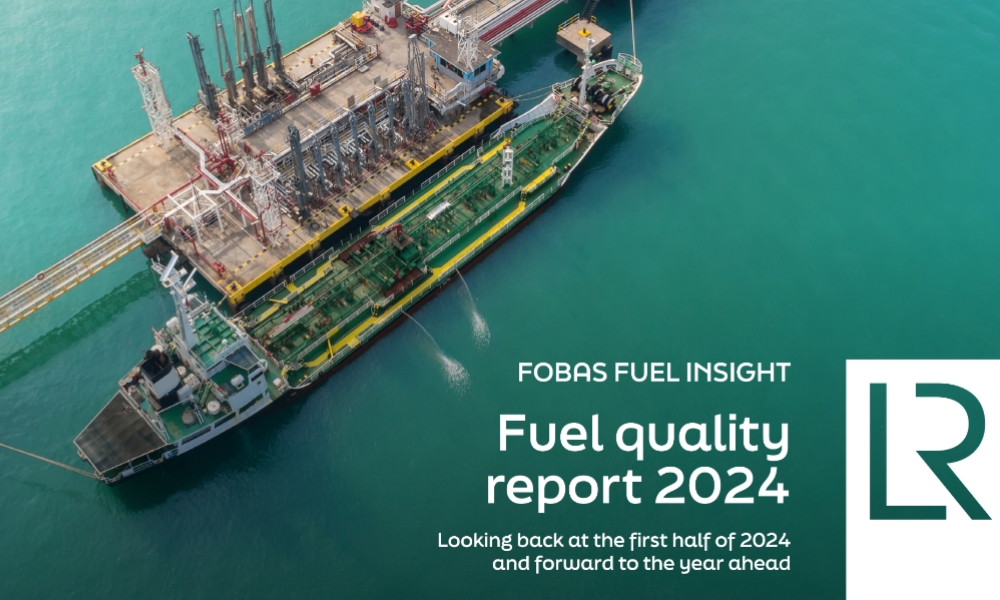

Report reveals ‘persistent issues’ with marine fuels such as cat-fines, stability, sulphur content, and flash point continue to be challenging, and isolated incidents of chemical contamination...

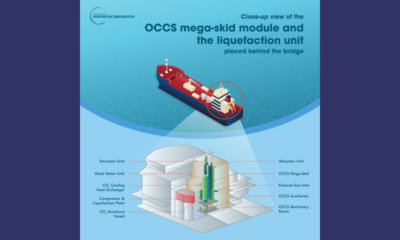

Engineering project found that the technology could reduce the vessel's carbon dioxide (CO2) emissions by as much as 20% per year, with a fuel consumption penalty...
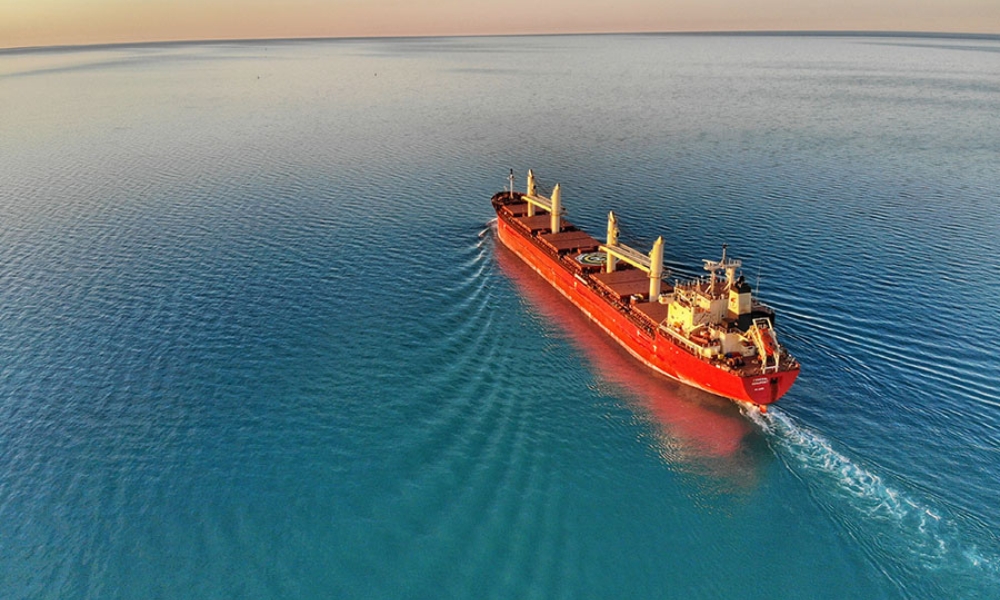

Zero Emission Maritime Buyers Alliance and LR report found sufficient predicted supply of both e-methanol and e-methanol-capable vessels in container segment to support ZEMBA’s focus on...
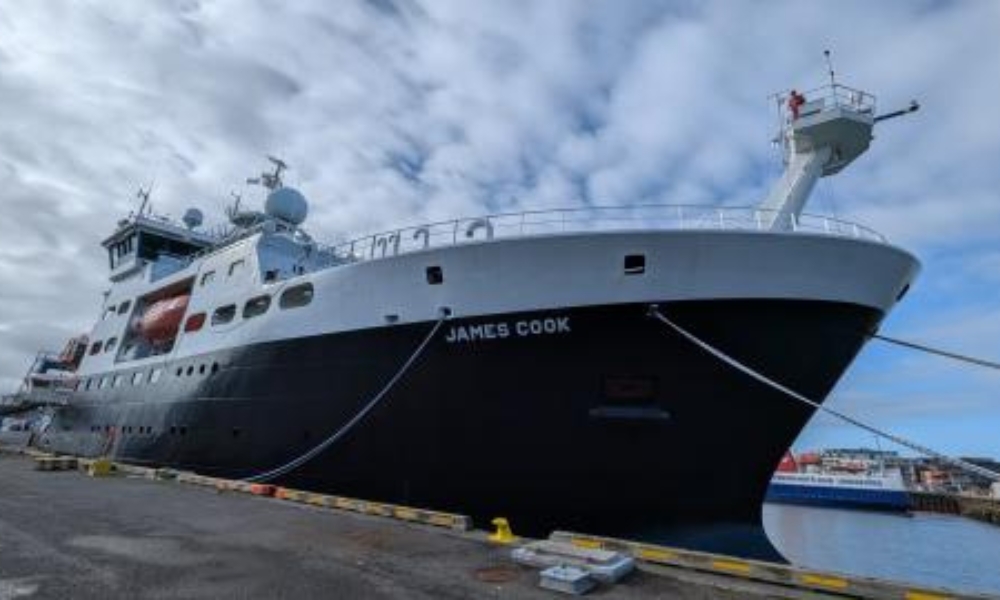
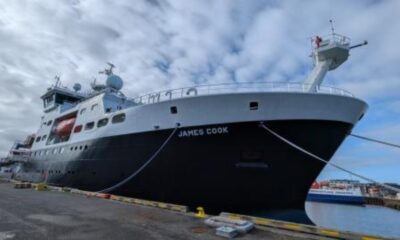

During the trial, HVO is replacing low sulphur marine gas oil (LSMGO) the centre normally uses to fuel Royal Research Ships (RRS) “James Cook” and “Discovery”.

Paper by Dr Jeroen Dierick concludes FuelEU Maritime and ETS will progressively incentivise adoption of renewable fuels, enhancing the business case for bio- and e-methanol.
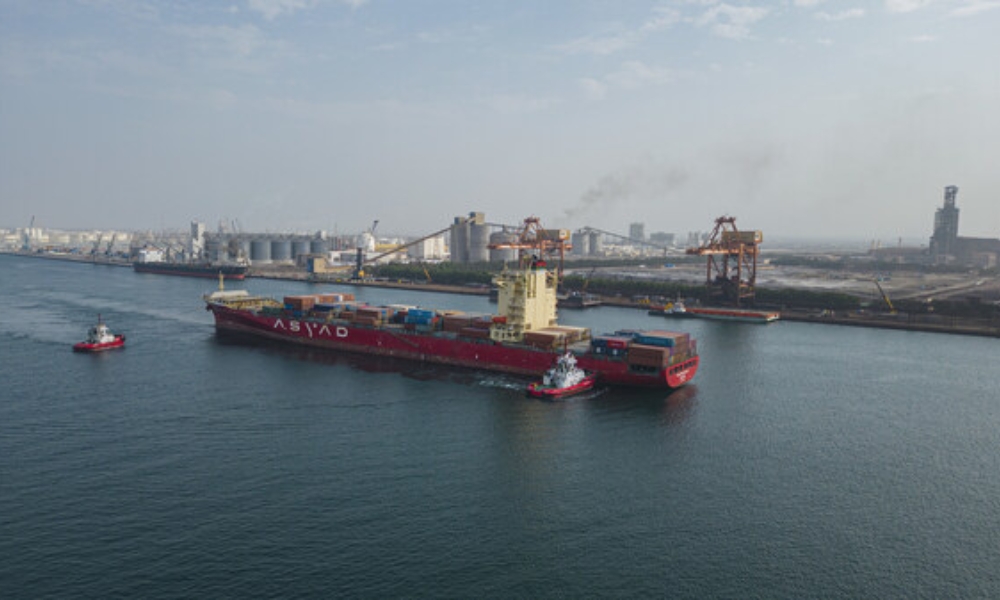

Current bunkering facilities at Ports of Salalah and Duqm are earmarked as strategic sites for potential retrofitting to support low-carbon fuel operations such as e-methanol and...
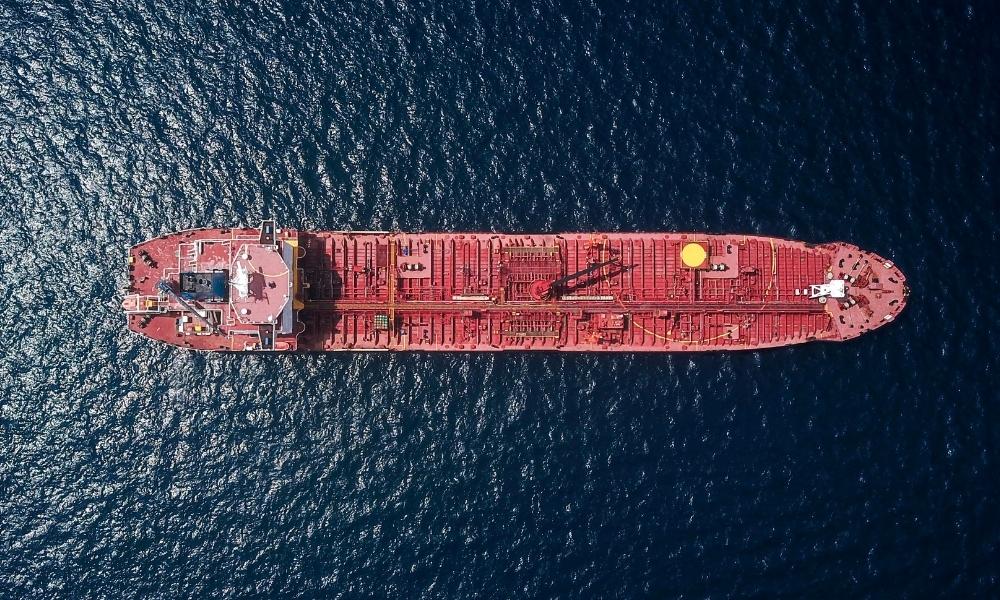

Majority of actors across the maritime ecosystem are moving too slowly to meet critical decarbonisation target, putting 2050 net zero goals at risk, according to report...
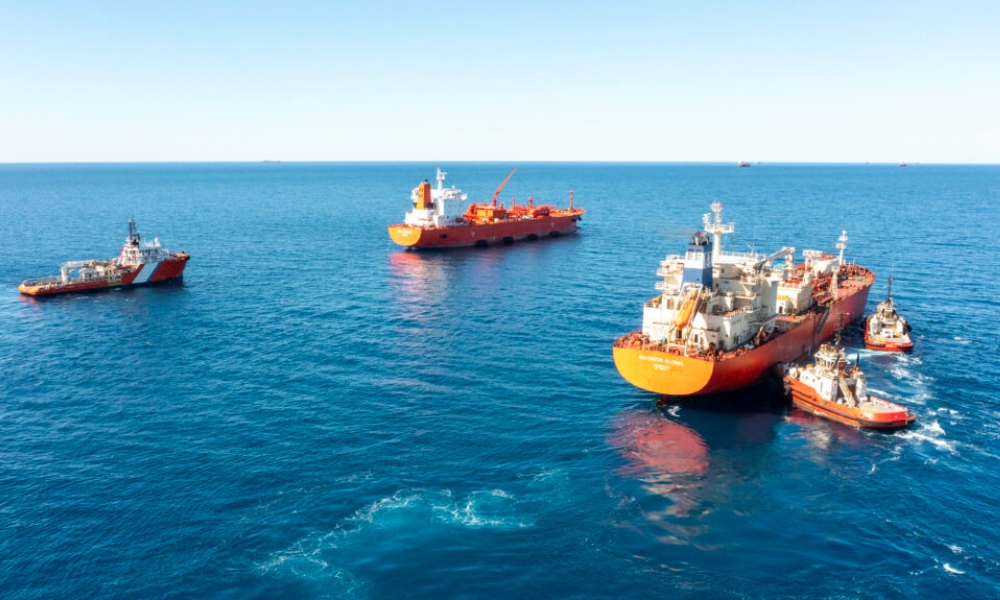
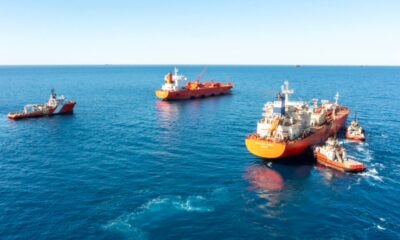

Successful transfers between MOL-owned “Green Pioneer” and Navigator Gas-owned “Navigator Global” demonstrate operational viability of future ammonia bunkering in Pilbara region of Western Australia.



Trial used a mixed biofuel containing 24% FAME continuously for approximately 10 months and confirmed that the ship could operate without any problems in the cold...


