
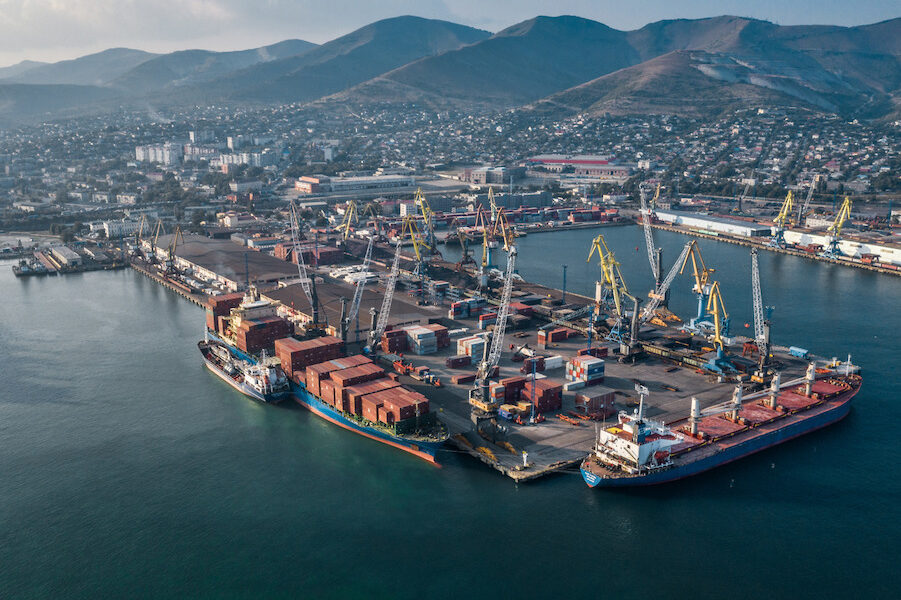


Preparations since 2008 pay off and supply of VLSFO to Russian domestic market alone expected to exceed 1.5 million tons.
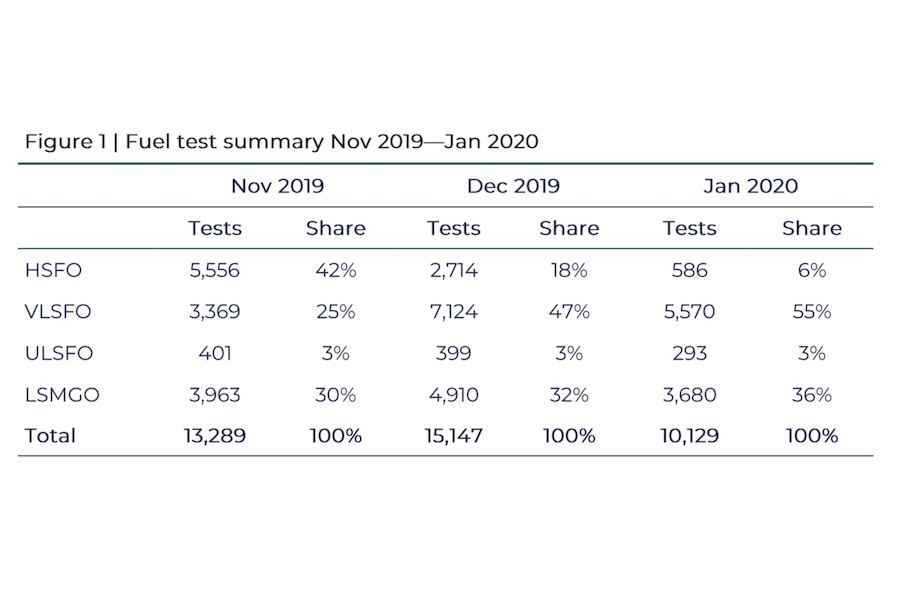

While VLSFO seems to be stabilising, report cautions industry as consequences from off-spec VLSFOs are much more serious than HSFO.
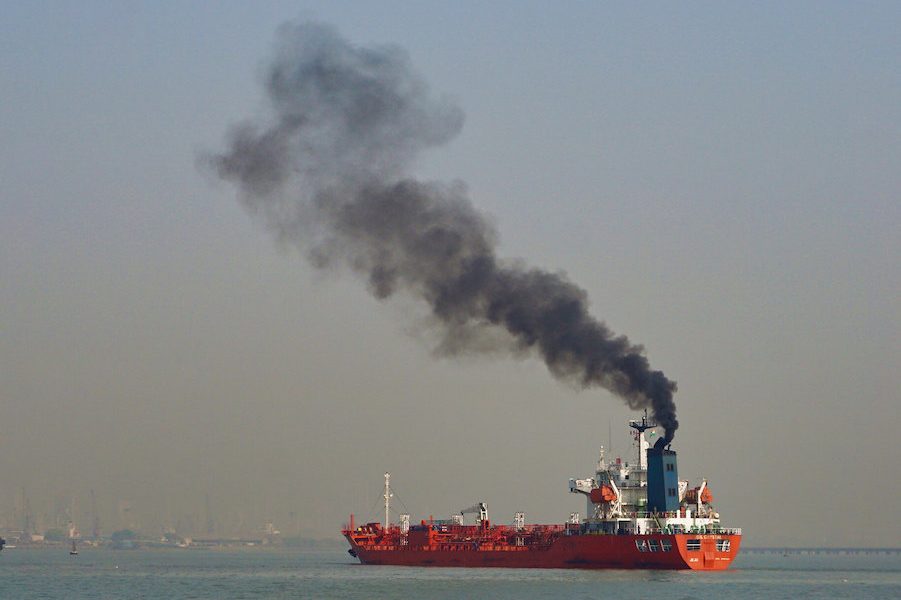
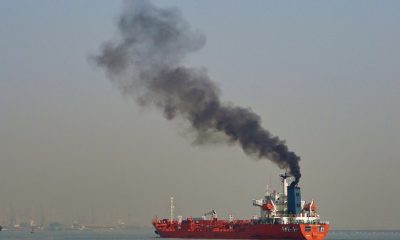

Points to several studies showing producing and burning LSFO increases carbon emissions, whereas gas scrubbers save money and the environment.



HSFO carriage ban effective from 1 March is an attempt to ensure transparency and that ships are not unjustly penalised.

Although gas scrubbers are considered acceptable to meet IMO2020’s SOx emission rules, it is not globally accepted in all states.
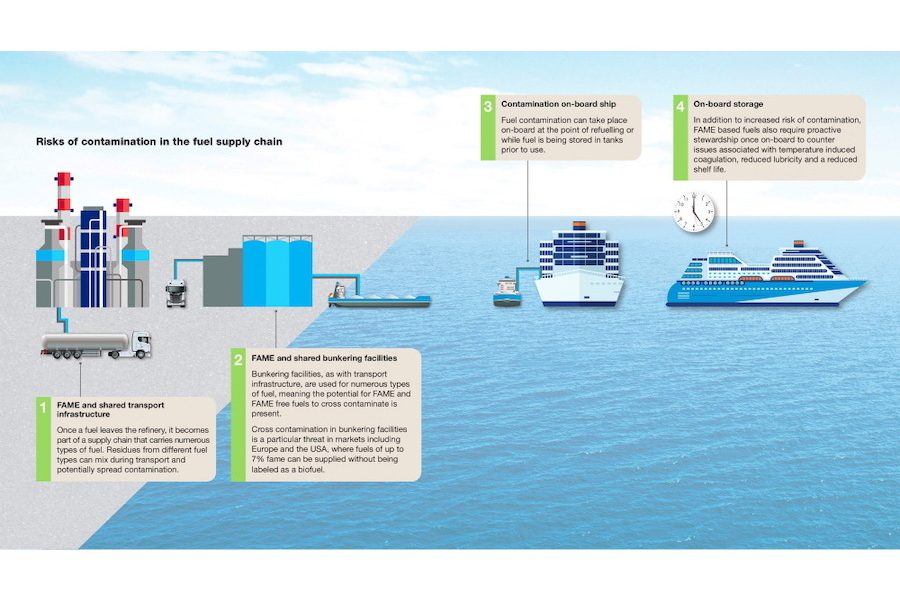
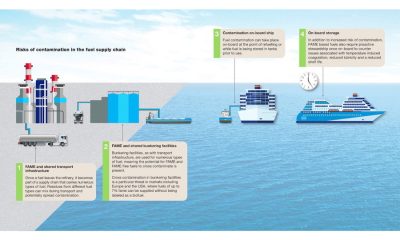

Range is directed at providing the industry with tools to obtain additional assurance that suppliers are providing compliant, stable fuel.

10%-15% of total ocean-going freight capacity will employ scrubbers in 2020; difference in freight rates will be main variable to determine optimal investment pay-off period.


Several large globally operating shipping and bunkering companies reporting a surprisingly smooth transition to the 0.5%sulphur limit for marine fuels.
Dr Daniel Lack says cost-cutting group of oil refiners using residual fuel blends could send ship-source black carbon emissions soaring overnight.
VLSFO and LSHFO usage will contribute to a massive increase of Black Carbon emissions which represent 7% to 21% of shipping’s overall GHG equivalent impact on...


