
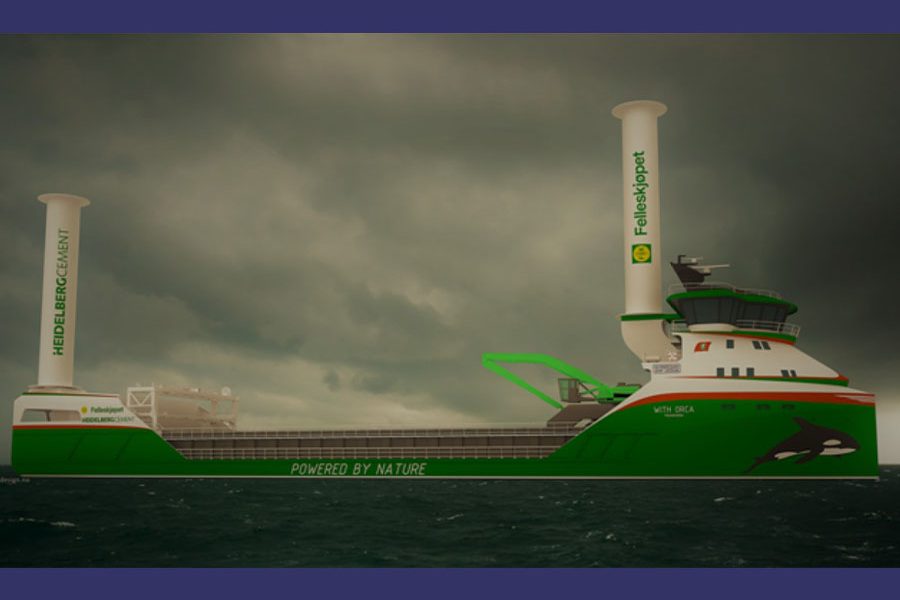

Significant part of energy required to operate the 88 m/5,500 tonne vessel will be harvested directly from the wind through two large rotor sails.
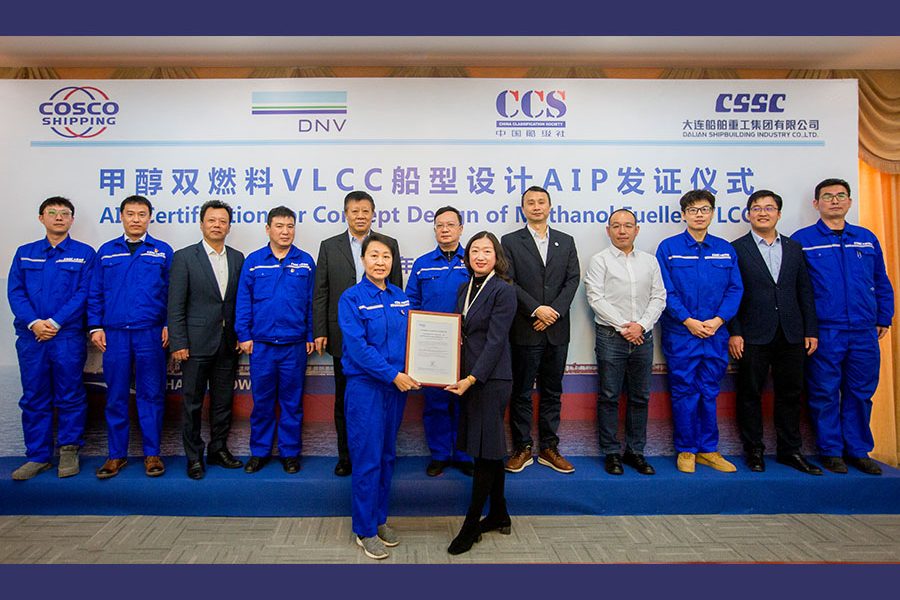

Developed by Dalian Shipbuilding Industry Company for COSCO SHIPPING Energy Transportation, it is the first methanol-fuelled VLCC design from China.


The shipping industry is rediscovering propulsive potential of wind as IMO 2050 and rising fuel prices underline need to cut fuel consumption and carbon output.
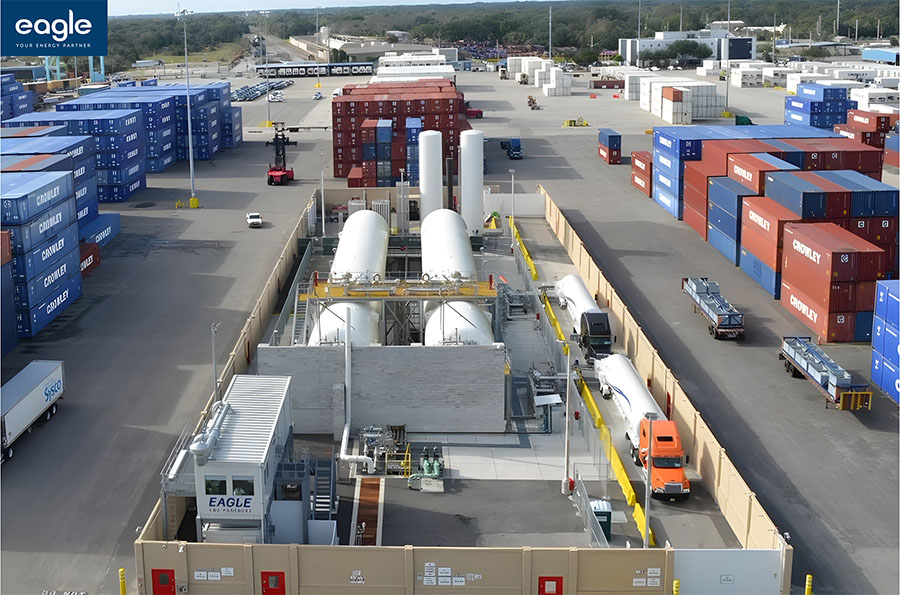

First time SIEM has refuelled the vessel from a landside bunkering facility, and the first ship Eagle LNG refuelled of that size from the bunkering facility.
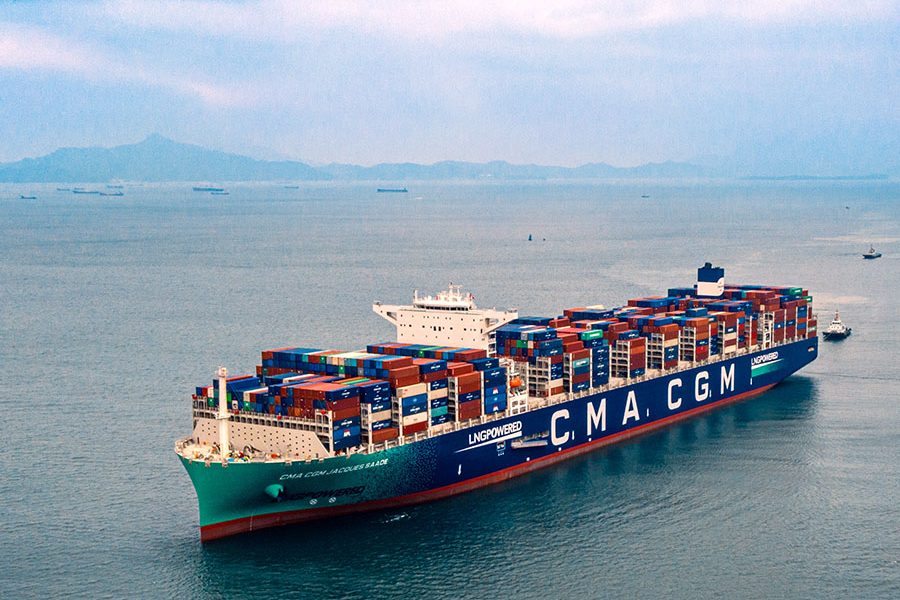

Signs purchase contract with over 2,500 metric tonnes of biofuel for all LCL transports and additional FCL containers with shipping firm CMA CGM.
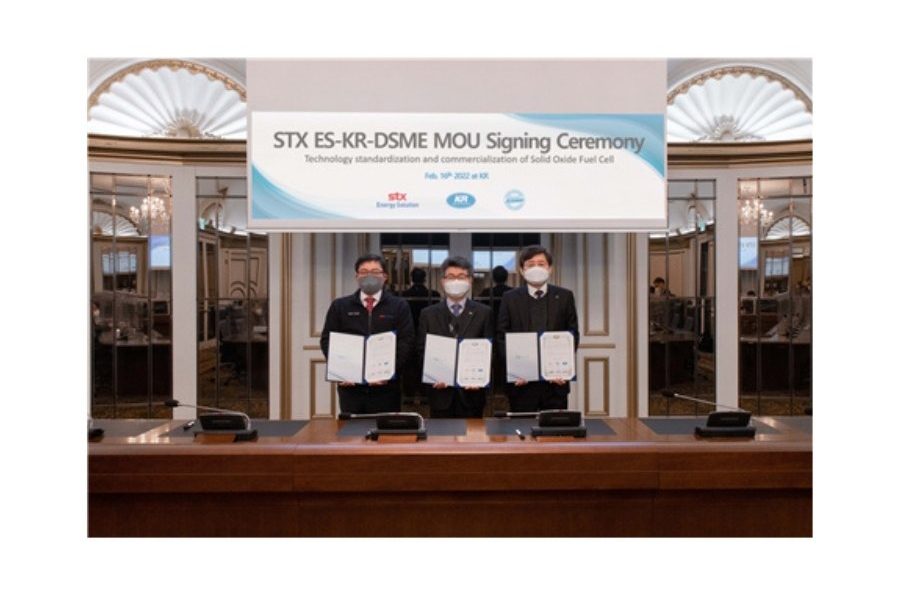

Joint cooperation with STX Energy Solution and DSME will combine tech and resources to look into SOFC technology, aiming to possibly reduce greenhouse gas emissions.
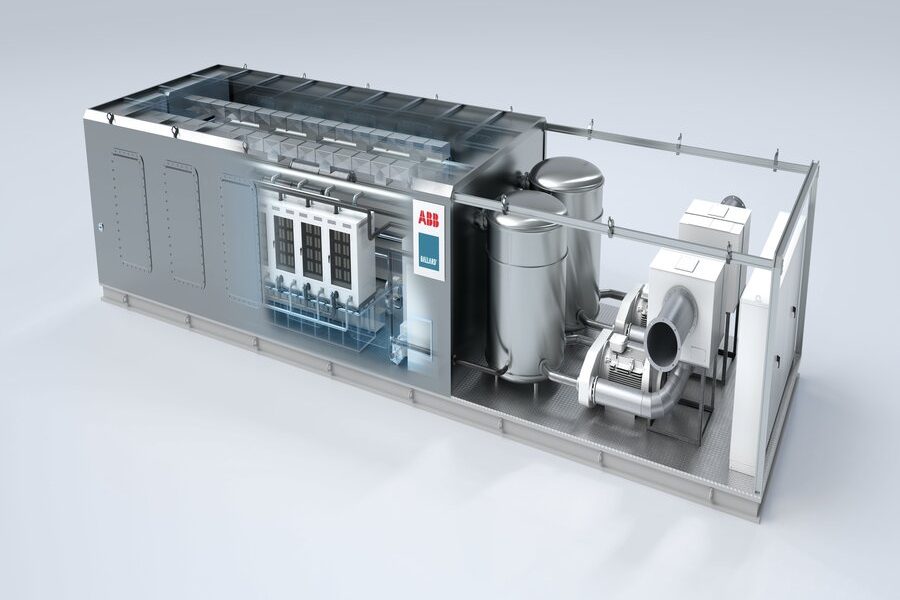

Target is to make zero-emission hydrogen fuel cell technology commercially available for larger ships.
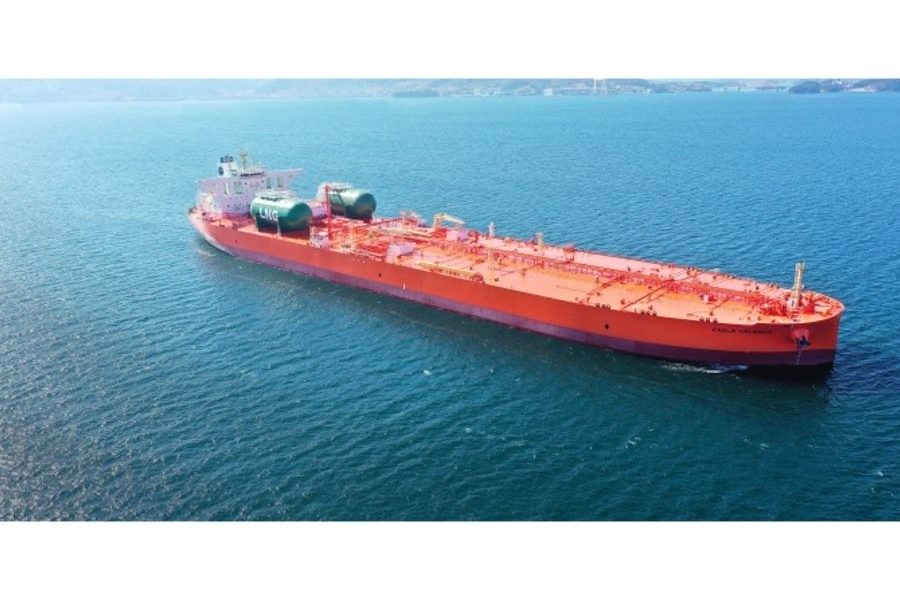

Vessels are built for long-term charter to a TotalEnergies SA subsidiary; another four dual-fuel VLCCs are at newbuilding stage to be delivered in 2022 and 2023.
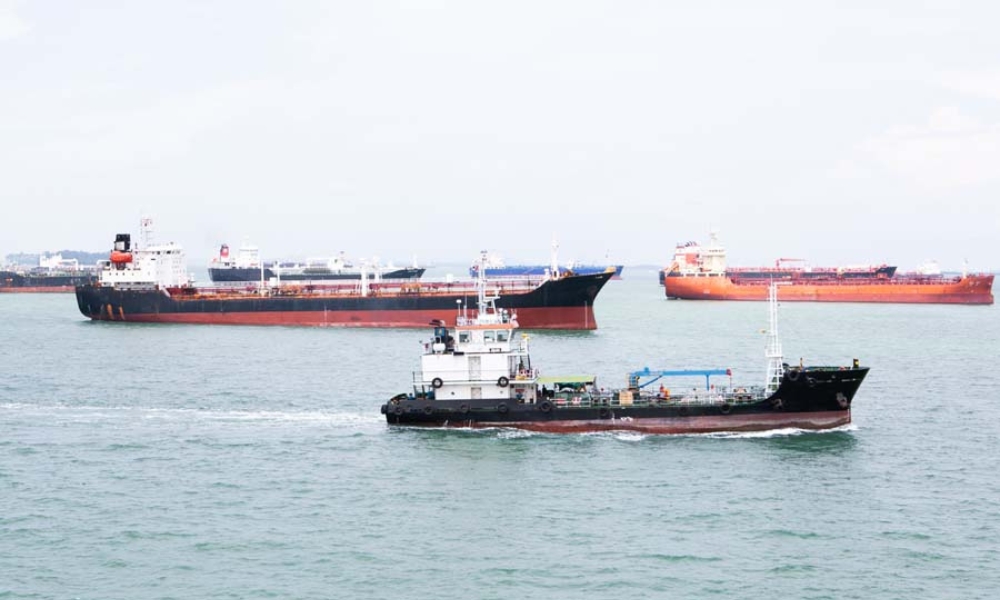

Duo will share best practices and knowledge, and explore opportunities for low- and zero-carbon technologies to identify opportunities and deliver pilot projects.
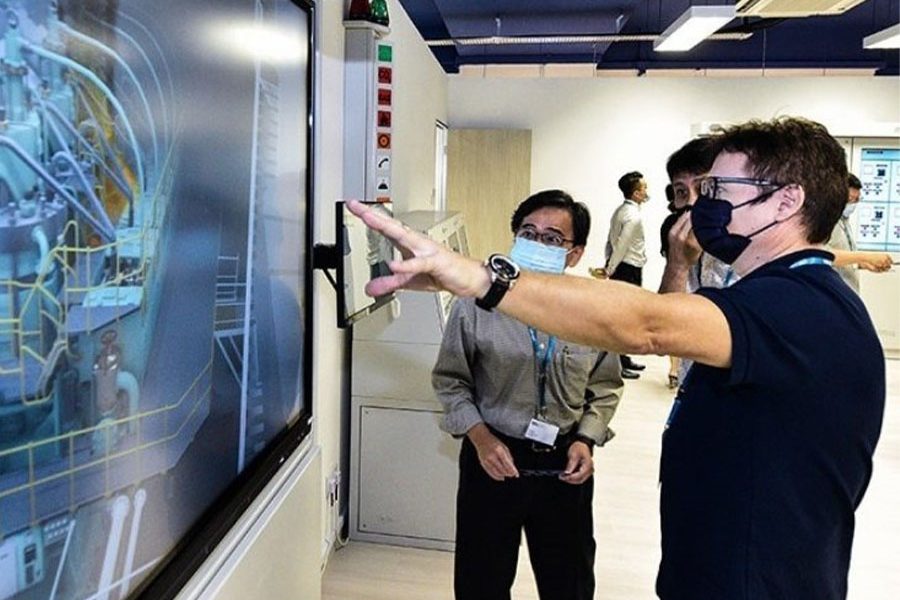

Training will cover full portfolio of engines, as well as operational aspects of the future fuel landscape, prioritising safety and engine optimisation.


