
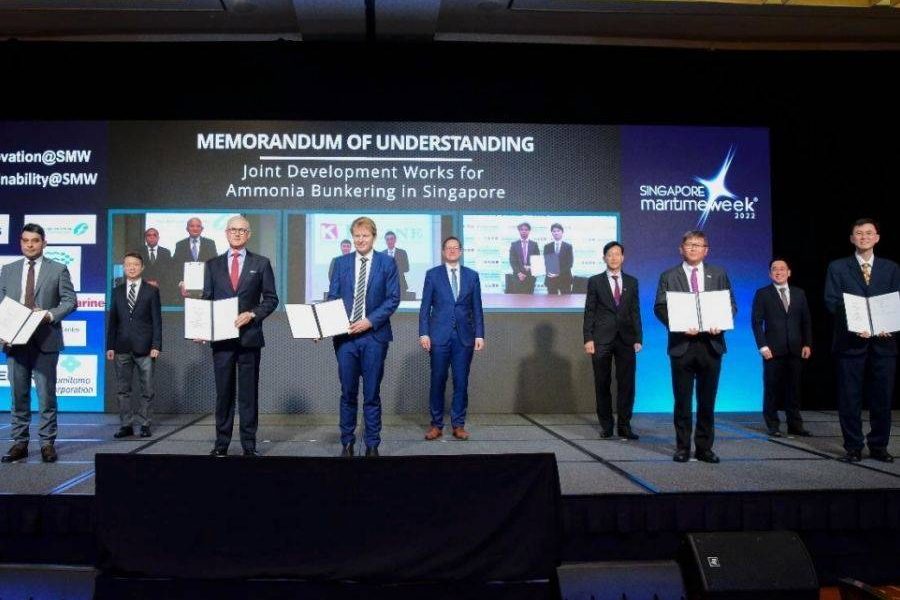

MPA and “K” LINE join the consortium with A.P. Moller - Maersk A/S, Keppel Offshore & Marine, Maersk Mc-Kinney Moller Center for Zero Carbon Shipping and...
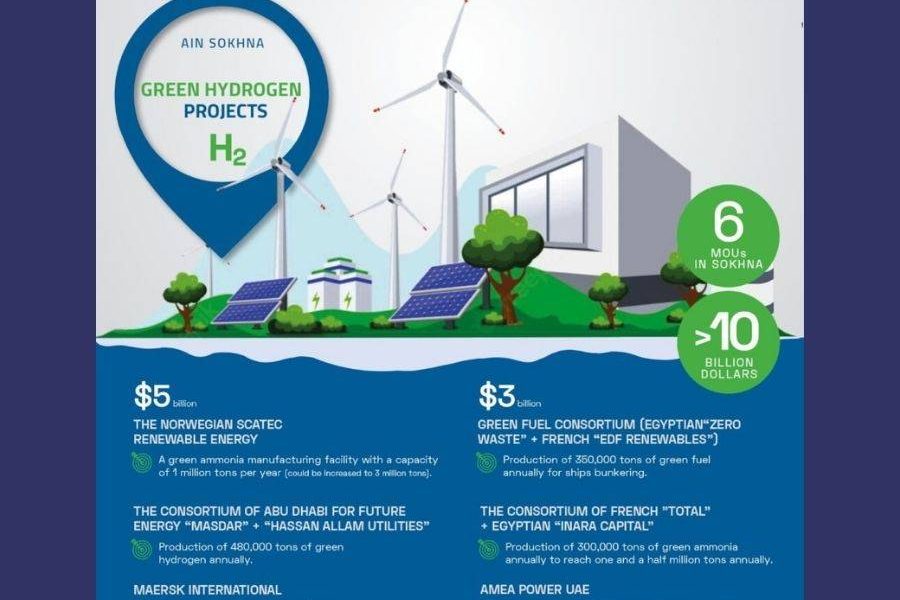

Six memoranda of understanding are to establish industrial facilities and complexes in Sokhna zone to produce green fuel for ship bunkering, amongst other uses.
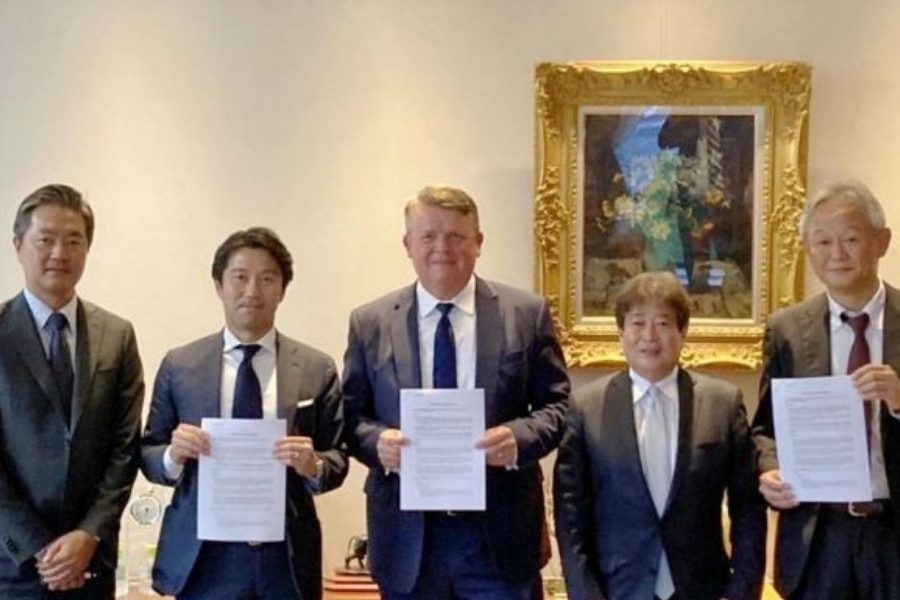

Collaboration with Nihon Shipyard Co. and Mitsui & Co. will investigate alternative fuel bunkering options and associated infrastructure to meet IMO 2050 targets.

Annual AGCS report said the shipping industry has been affected by Russia’s invasion of Ukraine, including likely pushing ships owners to use substandard alternative fuels.

Piloted by GRTgaz, Jupiter 1000 is aimed to produce green hydrogen from renewable electricity and e-methane, a synthetic gas, from hydrogen and CO2 captured.
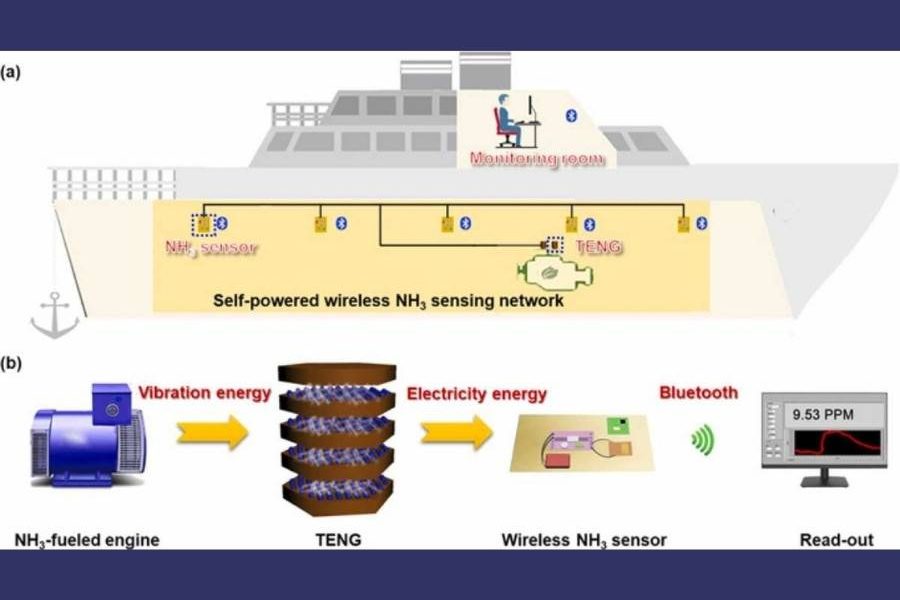

Self-powered and wireless full-set device can achieve the long-term and maintenance-free detection of ammonia leakage during the ocean voyage.

Singapore-based firm was awarded the certificate for CARBON LENS system that analyses and records flow of emitted CO2 from each stack of a vessel quickly and...
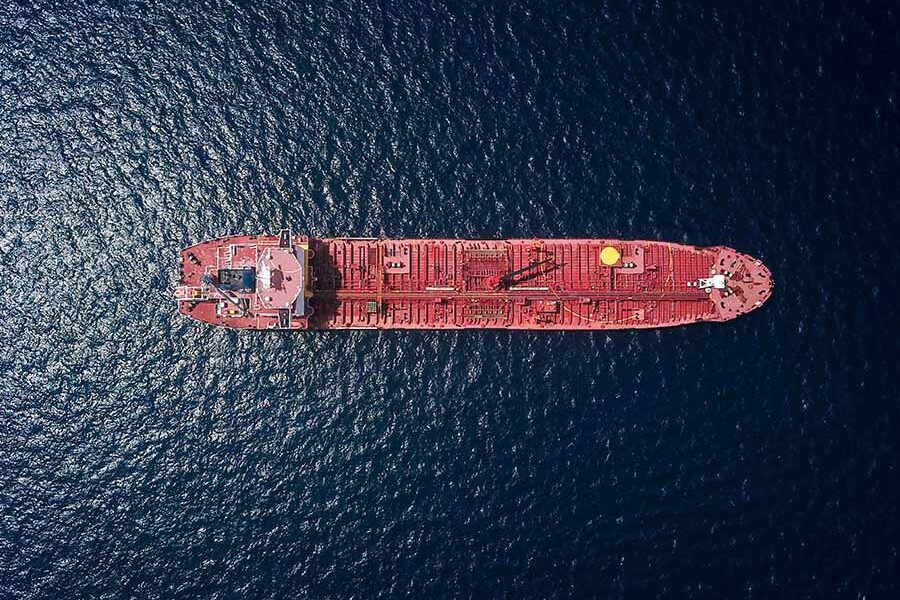

Contracts for Difference works for solar and wind and they can have the same catalytic impact for zero-emission bunker fuels, says Global Maritime Forum Managing Director.
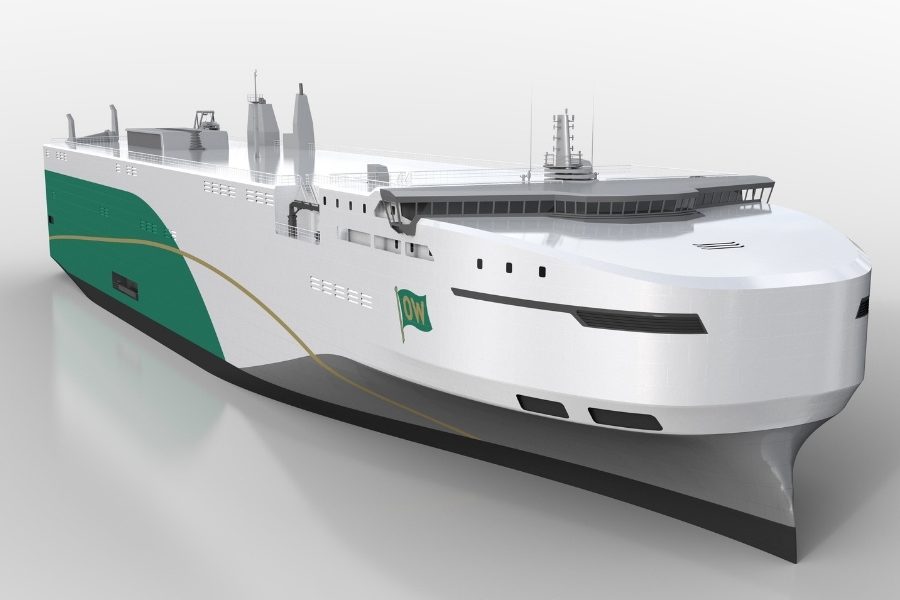

Signs contract with China’s Yantai CIMC Raffles Shipyard for delivery of the FGSSs to a new series of Wallenius Marine LNG dual-fuel 6,500 pure car carriers.
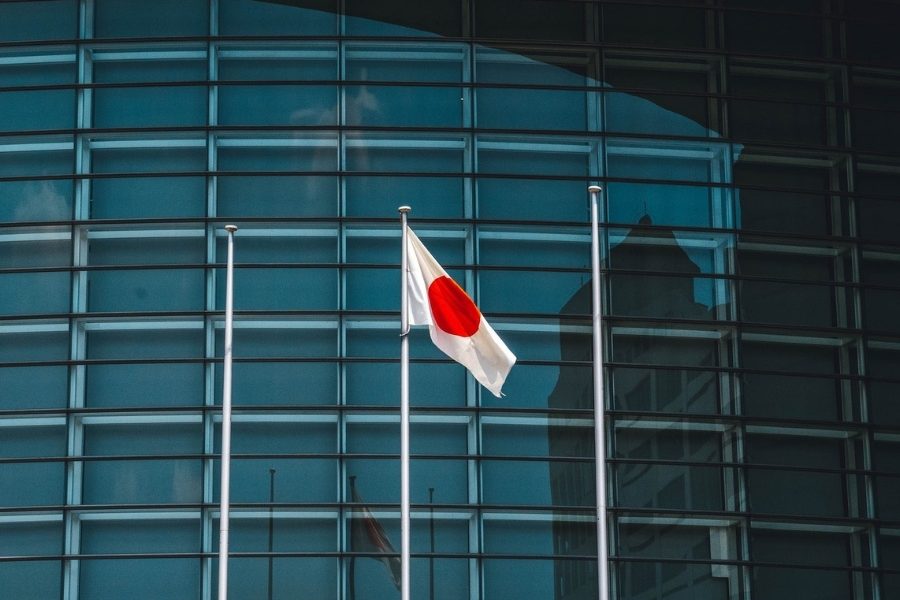

Suggests industry paying USD 56 per tonne of CO2 from 2025 to 2030, which would raise more than USD 50 billion a year on the sector’s...


