
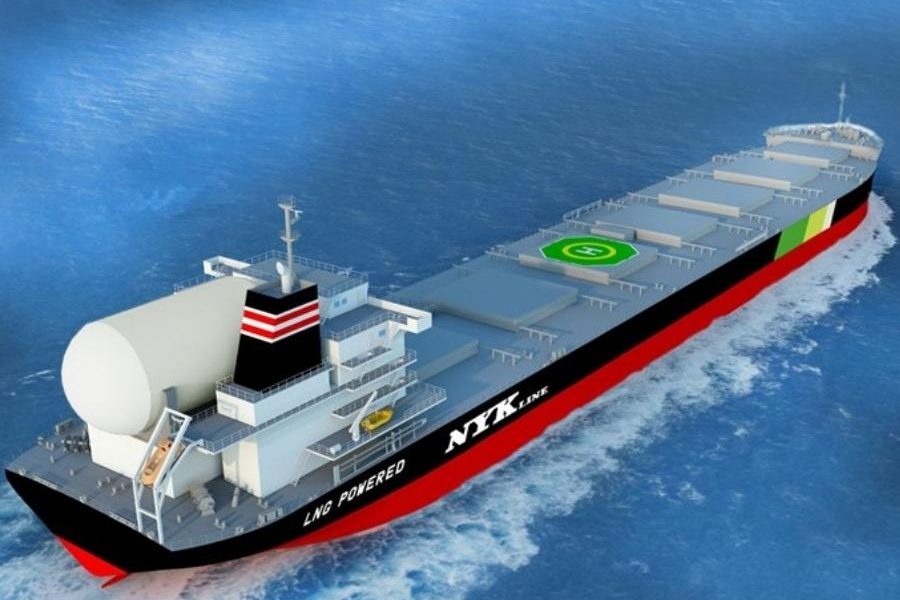

NYK said it will continue with gradual planned introduction of LNG-fuelled vessels until realisation of zero-emission vessels that use marine fuels such as hydrogen or ammonia.
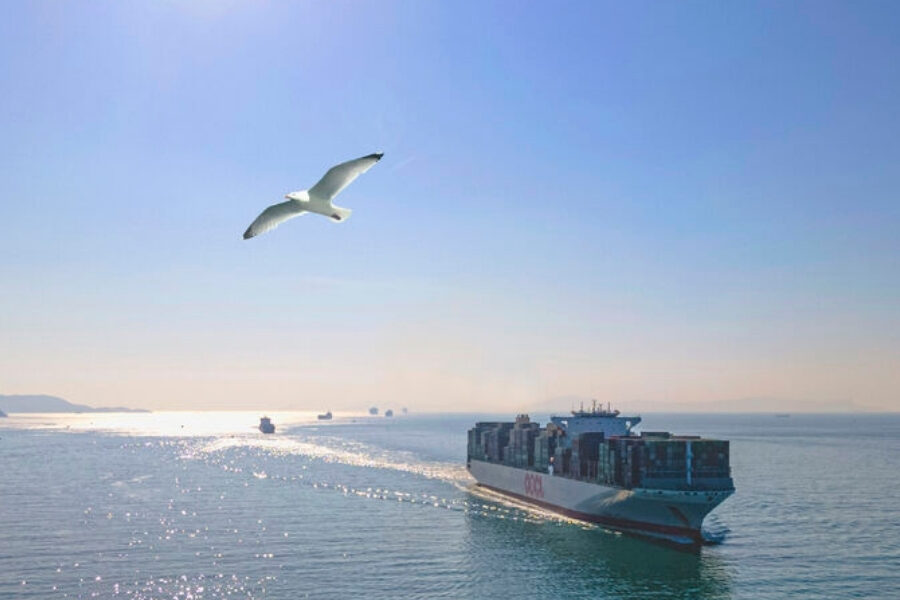

Vessels will be built by Nantong COSCO KHI Ship Engineering with a total cost of USD 1,678.95 million; ships are expected to be delivered starting from...
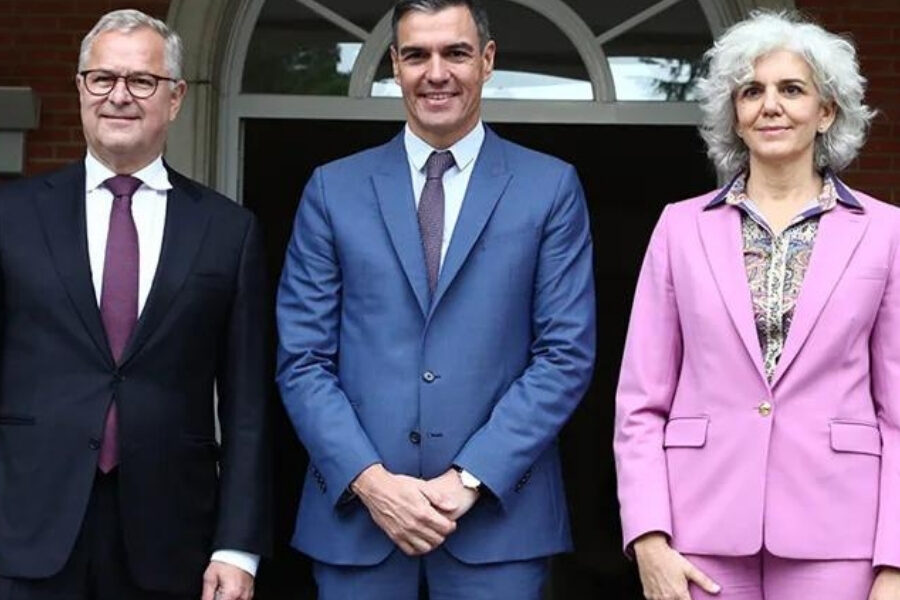

Signing the Protocol marks a significant milestone in the collaboration that, if implemented in full, could deliver up to two million tonnes of green fuels per...
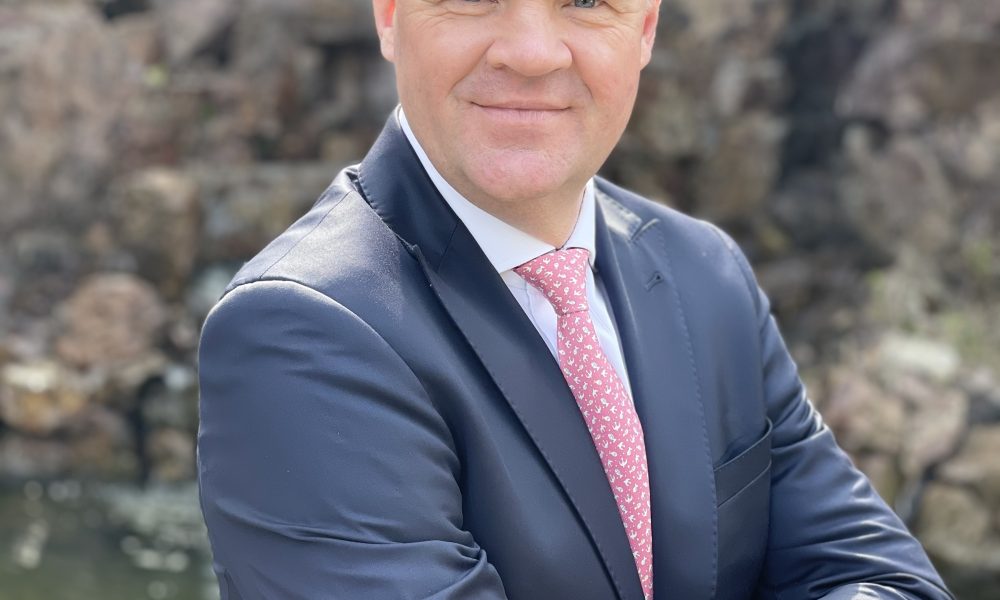


The team, which consists of nine experts, will be led by Torill Osberg, who has over 25 years of experience in the gas carrier and alternative...
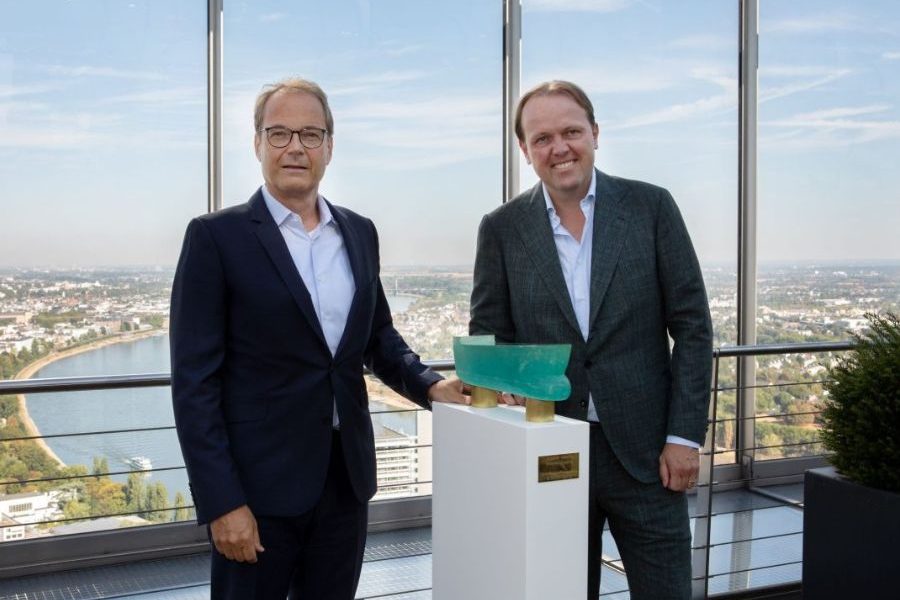
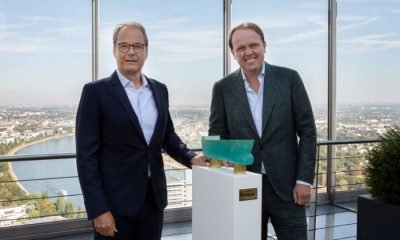

DHL will reduce 180,000 tonnes of TtW-CO2e on both FCL and LCL shipping until 2024, equivalent to amount of marine fuel burned by 10 boxships travelling...

Project marks a strategic step in shaping the future of the Hafnia transport portfolio, utilising purpose-build vessels against long standing contracts in the zero-carbon space.
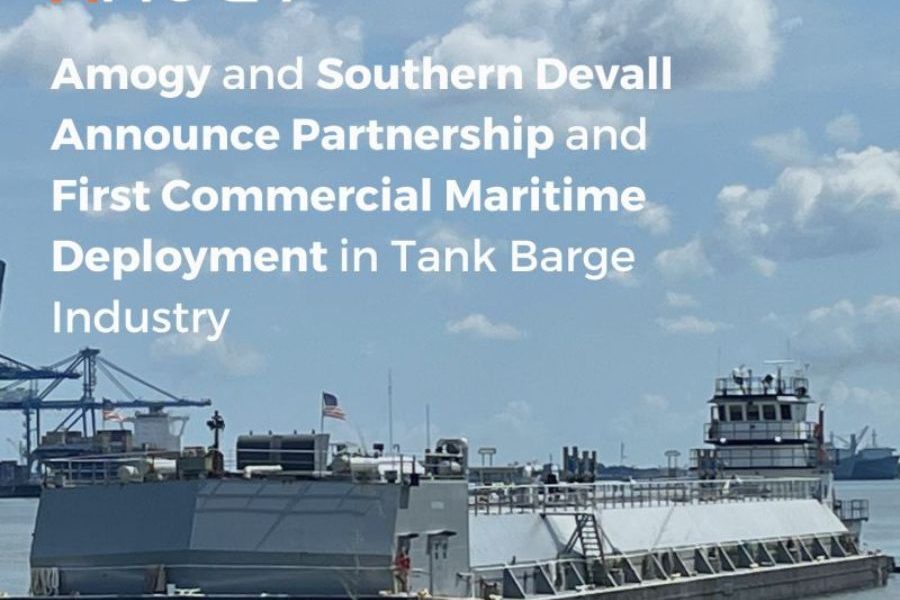

Duo plans to pursue retrofits of additional barges and tugboats, creating an ammonia-powered fleet including bunkering barges for emission-free refuelling of ammonia-powered ships.
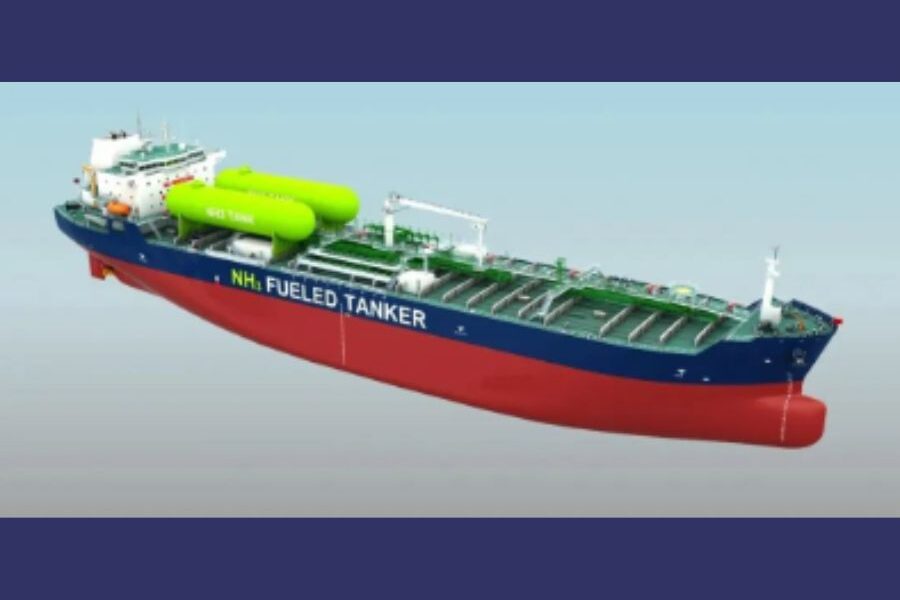

Vessel was independently developed by Shanghai Merchant Ship Design And Research Institute; CSSC says obtaining AiP marked latest achievement in zero-carbon fields.
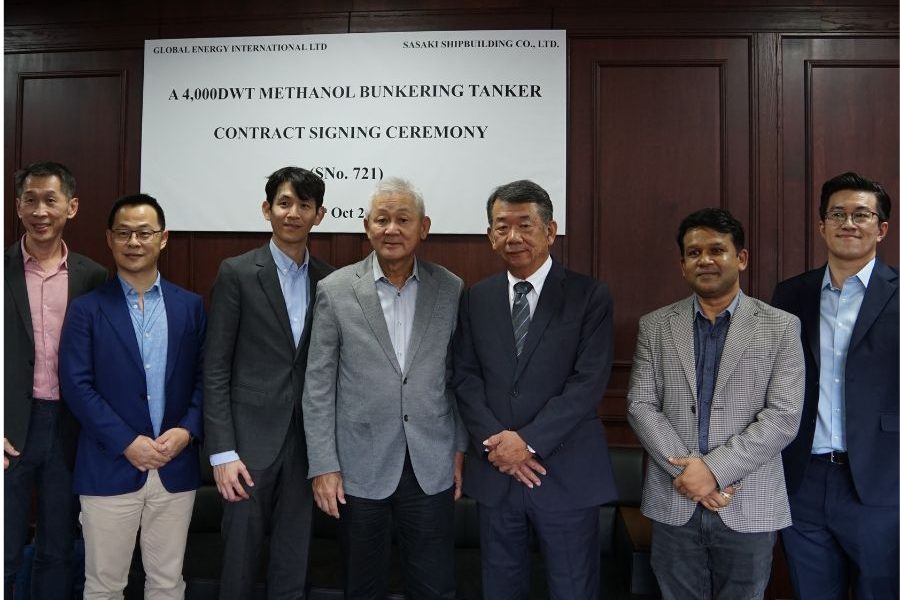
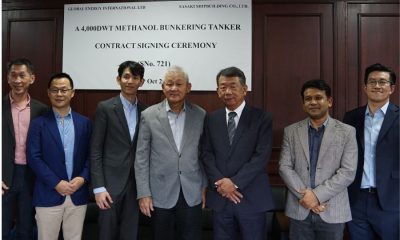

Both entered an agreement with BV to construct a 4,000 DWT IMO Type 2 Chemical and Oil Tanker which will be classed by BV; new tanker...



From 1 January 2023, it will be mandatory for all ships to calculate their attained EEXI and to initiate collection of data for the reporting of...


