


Recognition the shipping firm is often not the commercial entity controlling the ship operation, and thus not responsible for the resulting GHG emissions, is long overdue.
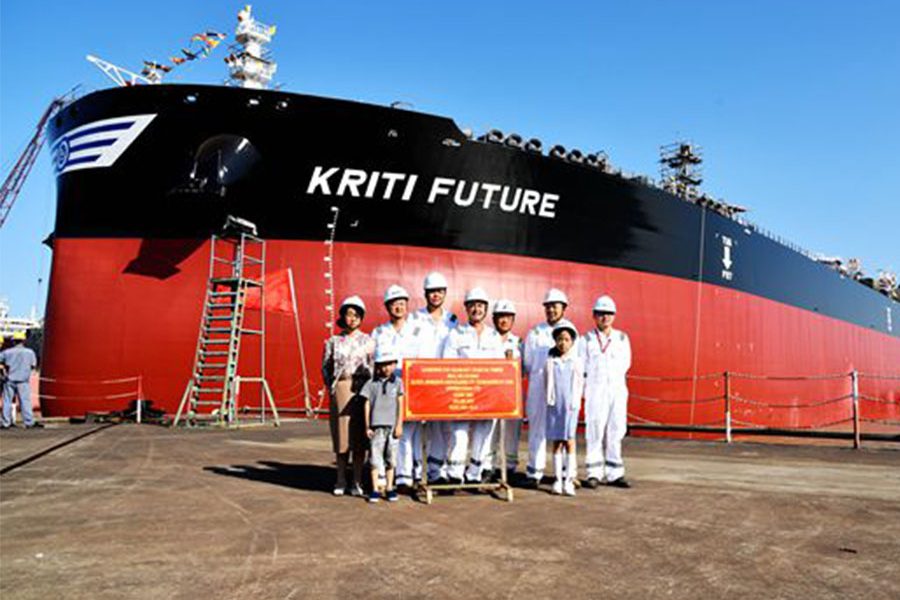

‘Vessel represents a milestone in the development of the maritime industry and a step forward in the readiness to utilise alternative marine fuels,’ says ABS.

Document establishes safety guidelines for owners, operators, shipyards, designers, and manufacturers and covers several lithium-ion battery types.
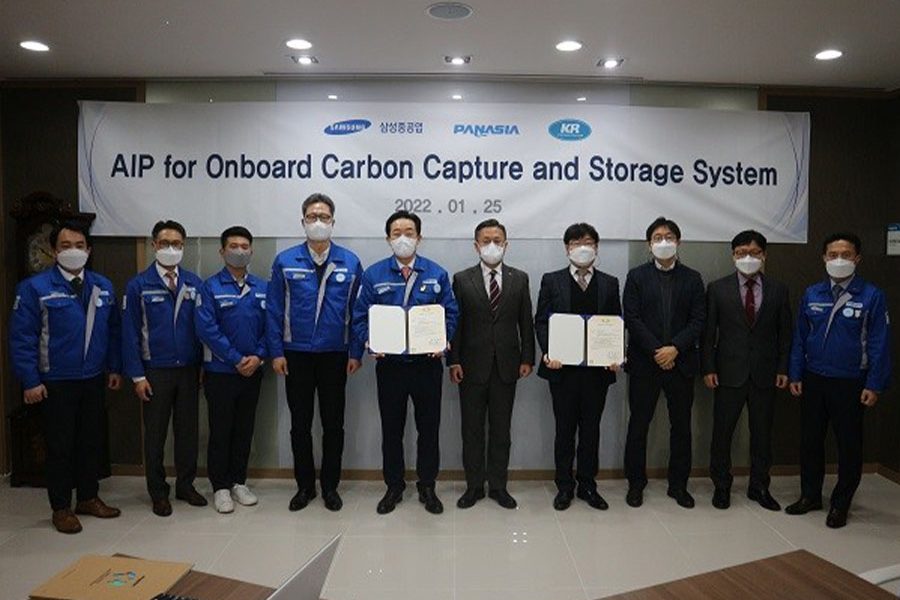

Optimised wet absorption type carbon dioxide capture device developed by SHI and Panasia is the result of three years of joint research and development.
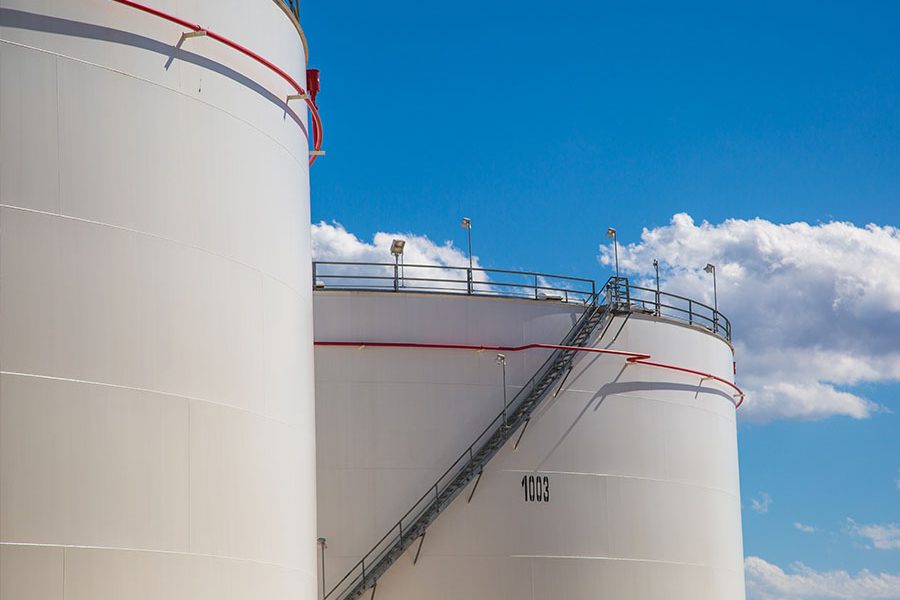

Following final investment decision, construction will commence in the first quarter of 2024, and the facility will be fully operational at the beginning of 2027.
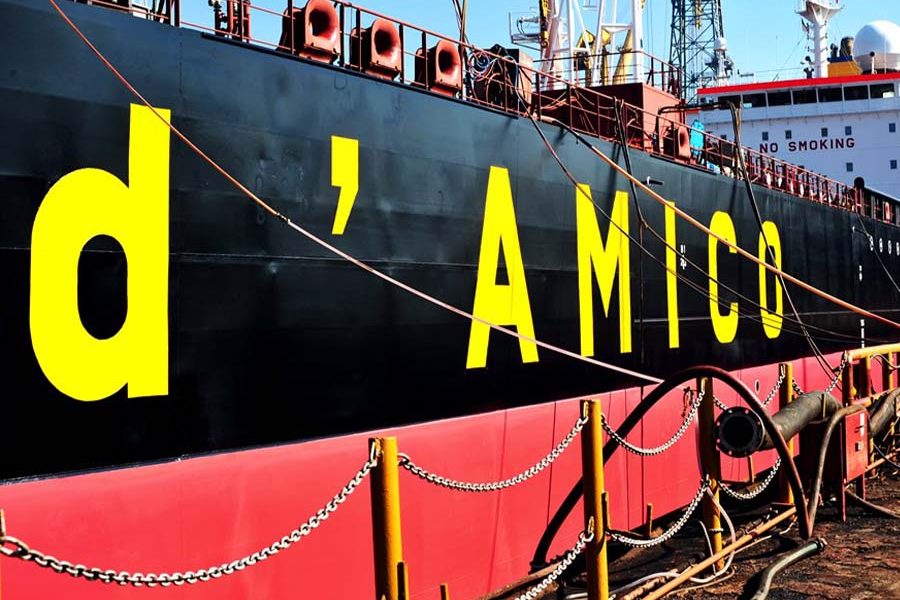

Biofuel bunker trial conducted by d’Amico Group, ABS, LR FOBAS, MAN Energy Solutions, RINA, the Liberian Registry and Trafigura (TFG Marine) in June 2021.
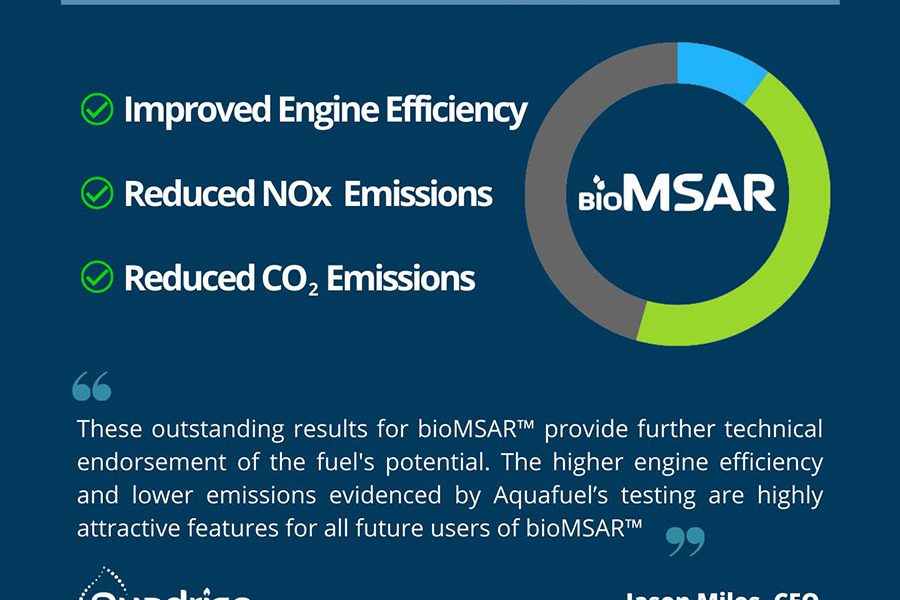
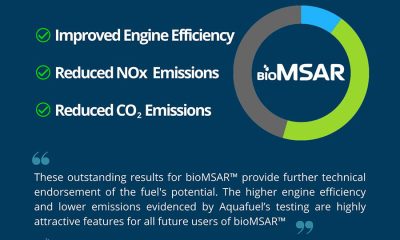

Decrease of inlet air temperature to the same level as diesel resulted in NOx levels being further reduced by over 30%, some 45% lower than diesel...
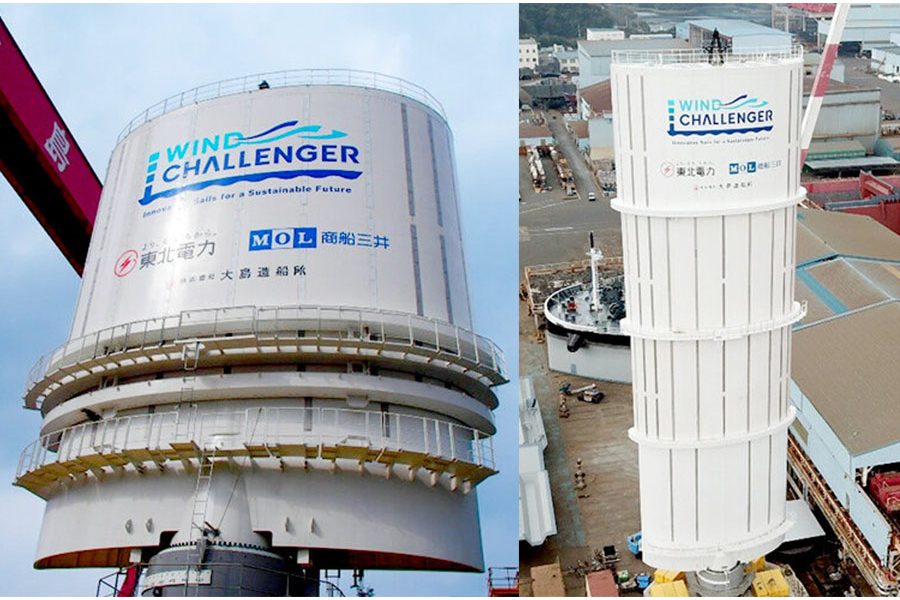

Additional propulsion power from wind can reduce a vessel's GHG emissions by an estimated 5% to 8% compared to conventional ships of the same class.
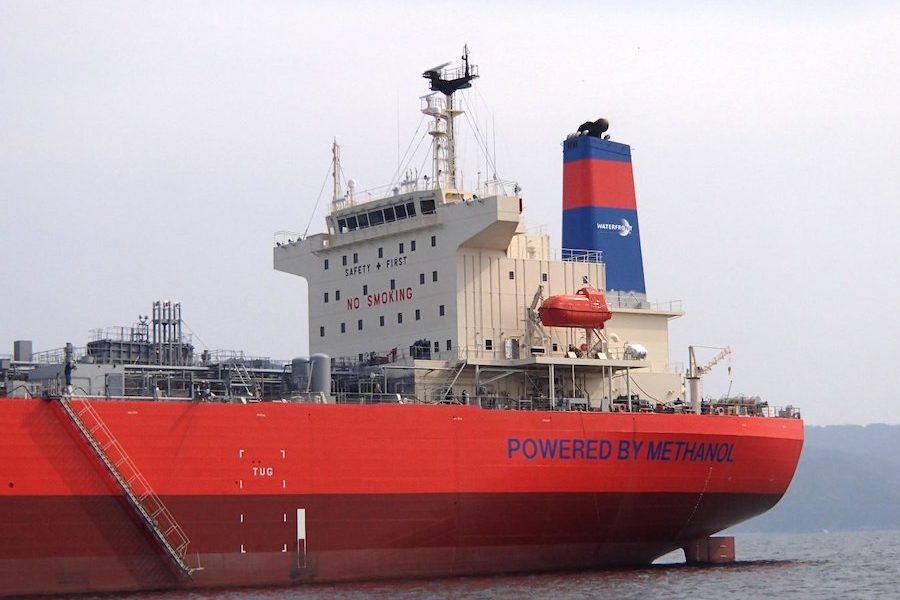
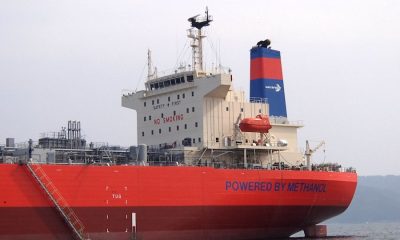

Approximate USD 145 million transaction will advance the commercialisation of methanol, including renewable methanol, as a viable marine fuel.


Bunker One Brazil chief executive Flavio Ribeiro shares his outlook on the opportunity for Brazil to become a global biodiesel supplier for the shipping industry.


