
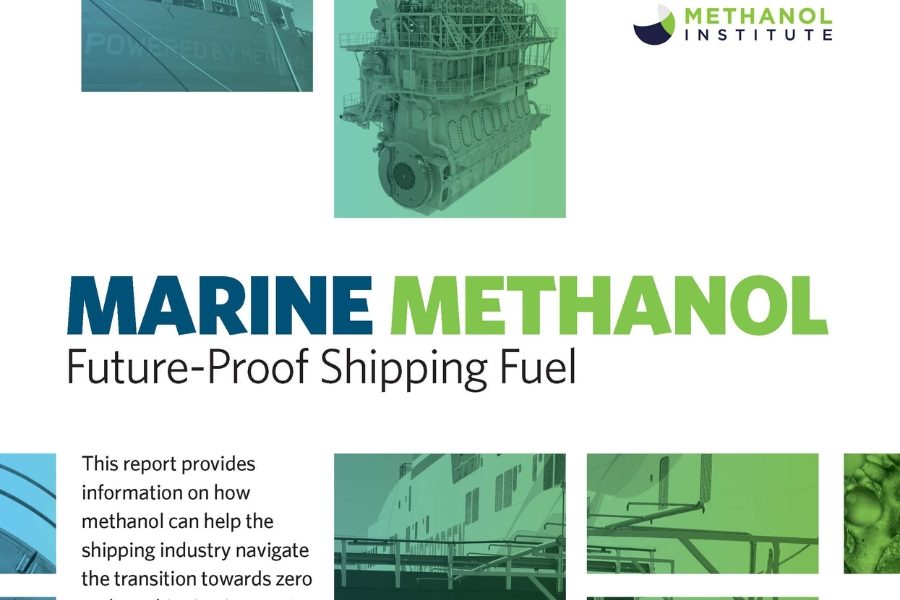

Report addresses topics including regulatory drivers, environmental performance, engines and fuel systems, bunkering, handling and safety characteristics as well as costs and pricing.
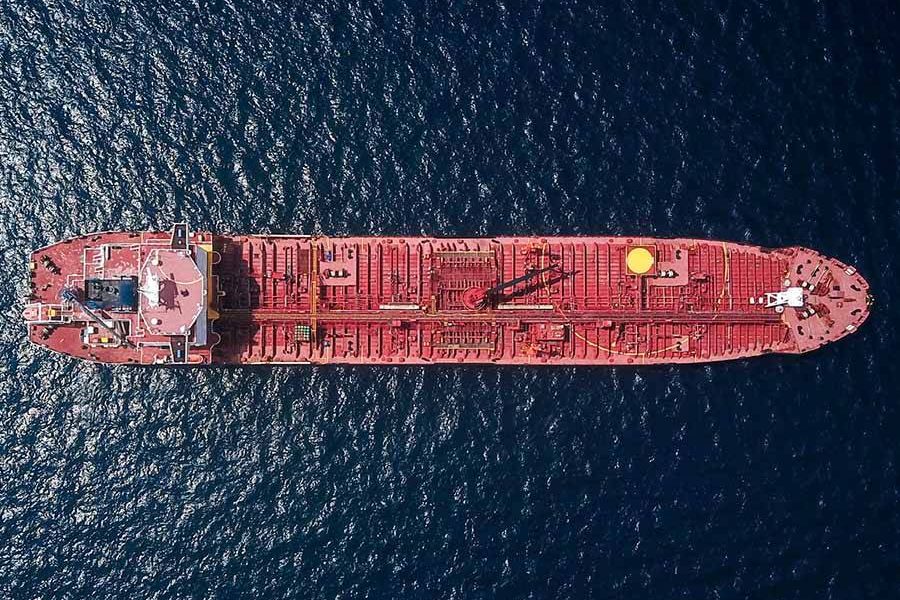

While slow steaming may help save fuel cost and lowers emissions, it may end up being a costly endeavour for ship owners. Innospec suggests looking at...
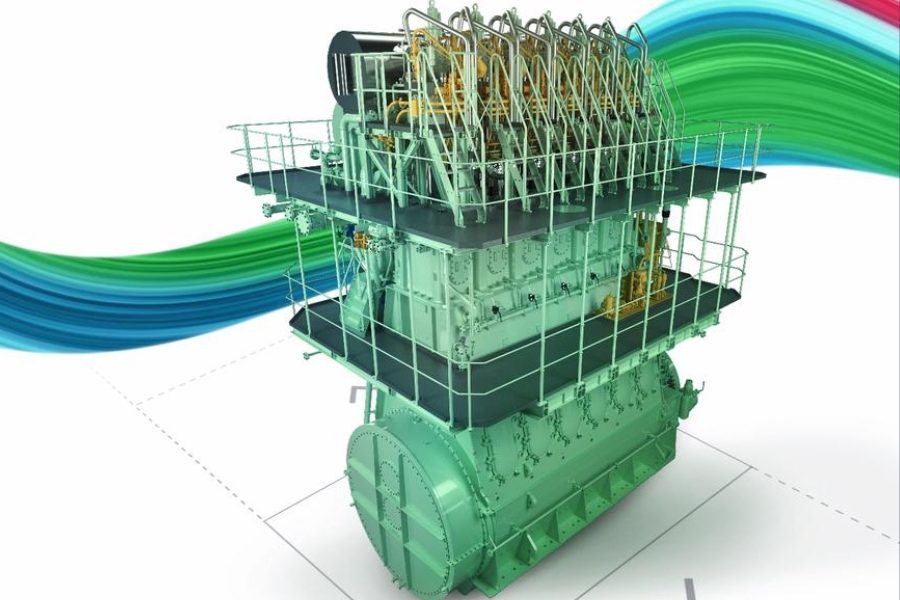

Two-stroke dual-fuel methanol engines have already hit the market, while the first ammonia engine for a VLCC could be launched by Wartsila in 2025 at the...
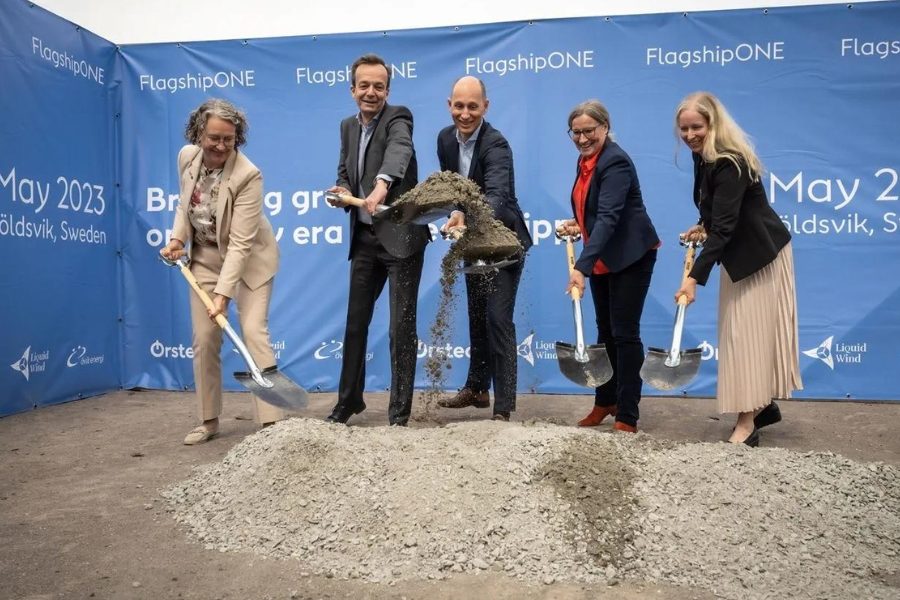

Groundbreaking of FlagshipONE marks first steps in a new green era of shipping, where large-scale methanol production facilities will supply a growing fleet of methanol-powered vessels,...
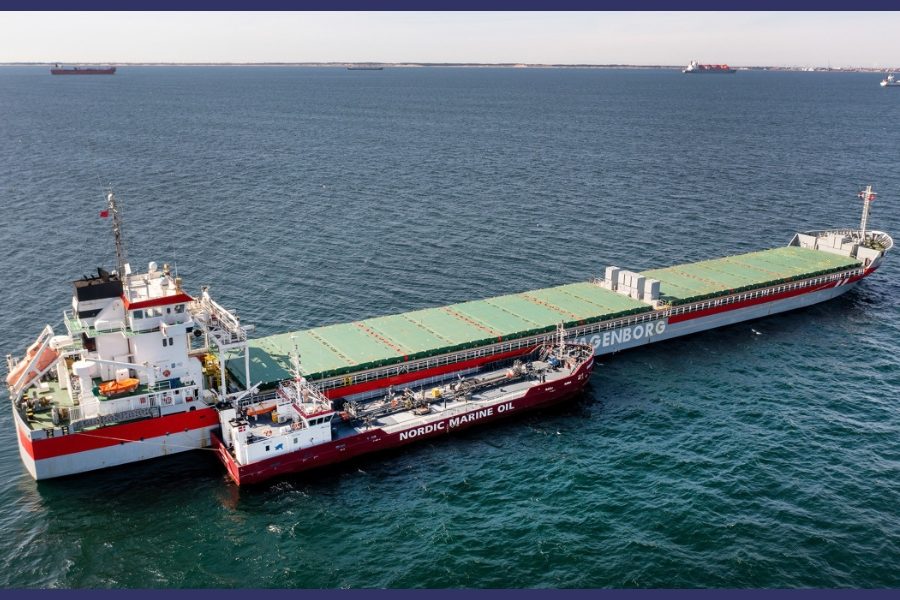

Voyage on drop-in biofuel bunkers resulted in a 68% reduction of GHG emissions; fuel is produced using ISCC PLUS certified raw materials, such as vegetable oils,...
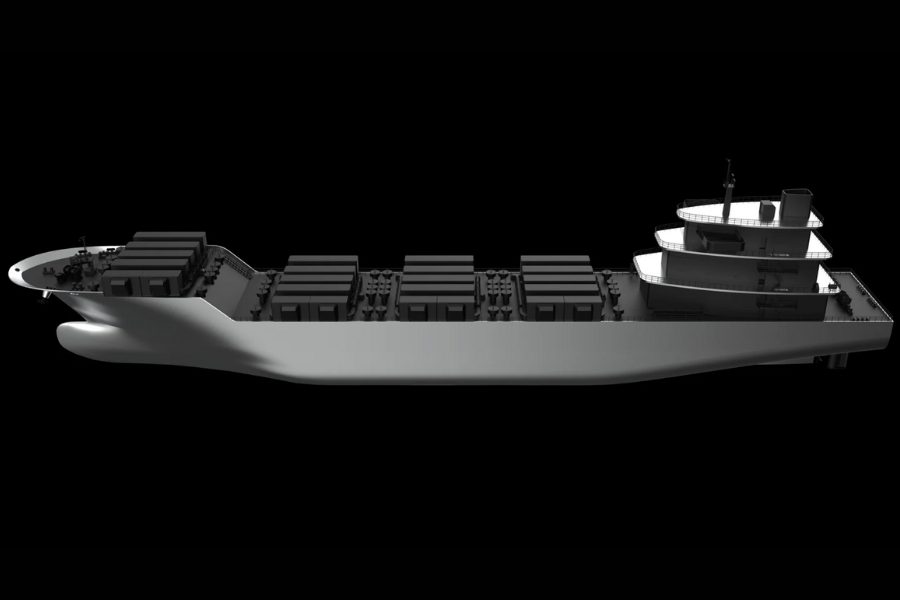

Inaugural ship “X” aims for completion by 2025, with domestic and international field testing planned to commence in 2026; onboard battery system features lithium iron phosphate...
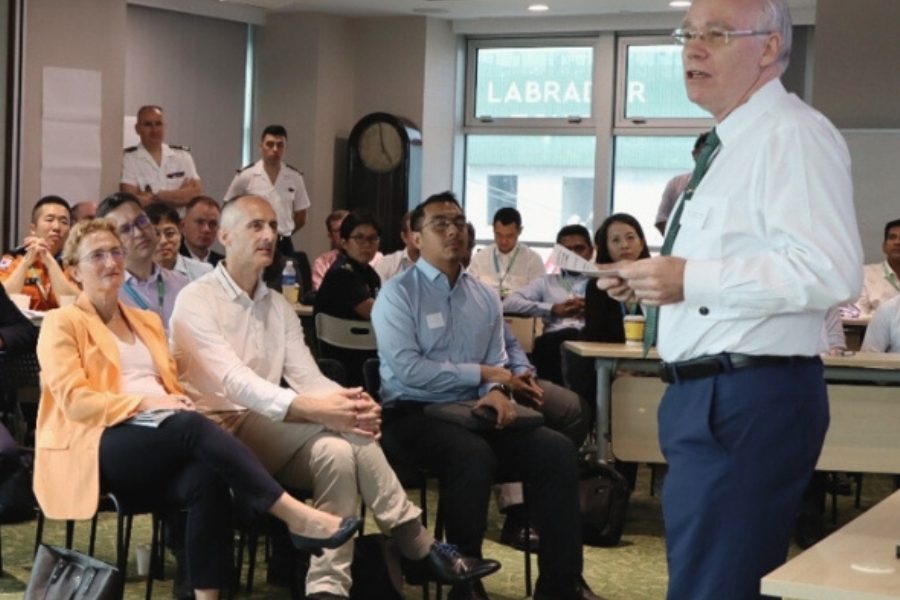


MPA held a workshop to discuss risks associated with ammonia handling, mitigation measures, as well as incident management considerations during ammonia bunkering and ammonia fuelled ships...



CCS, SWS, Jiangsu University of Science and Technology and other experts conducted a HAZID and HAZOP study on possible risks and dangerous scenarios that may occur...


Singapore is looking to play a bigger role in the alternative marine fuels industry, ahead of the first methanol bunkering operations scheduled later this year, according...

Dual-fuel methanol engines are a compromise which will not be the best option when the situation arises that green methanol becomes widely available and price competitive,...


