
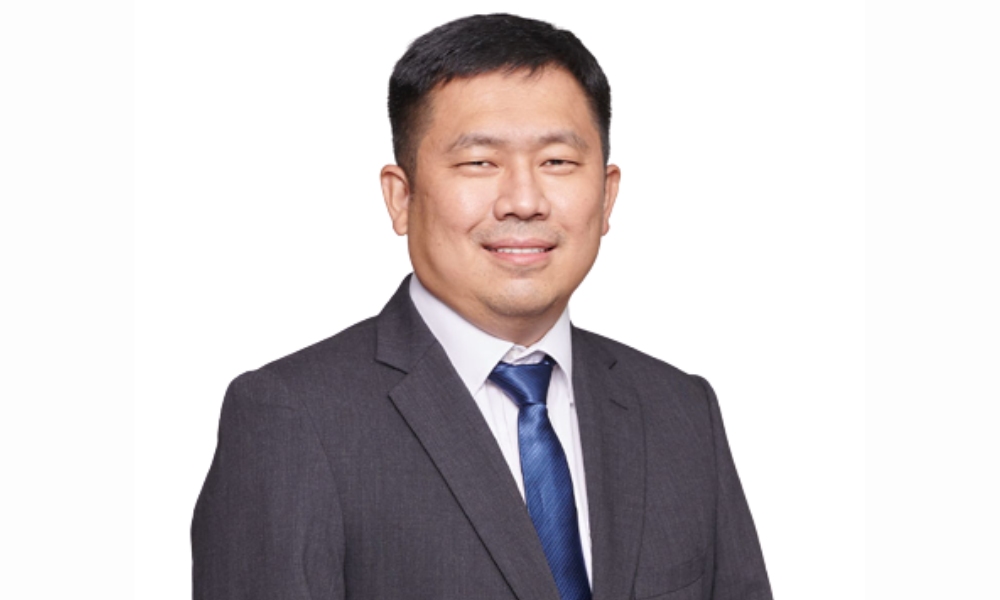

George Lee, Chief Executive Officer, Sea Forrest, explains the benefits and challenges awaiting Singapore bunker tankers should they choose to use electrification technology for decarbonisation.

MoU also outlines exploration and implementation of other maritime emission lowering solutions such as use of alternative bunker fuels like methanol and various energy saving devices.
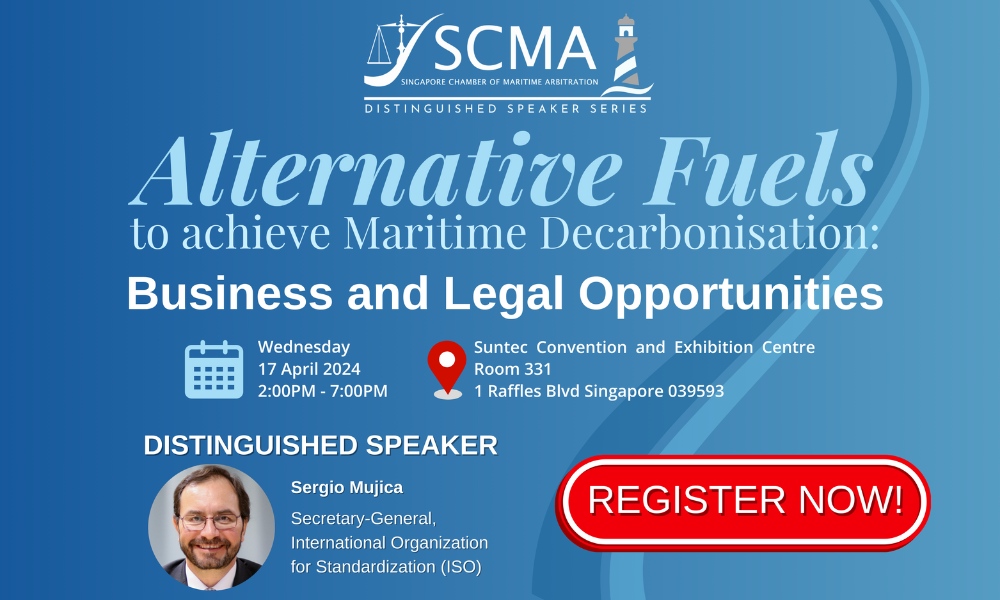

Event, organised by SCMA, will spotlight new business opportunities and legal issues surrounding the pathway towards the use of alternative bunker fuels to achieve maritime decarbonisation.
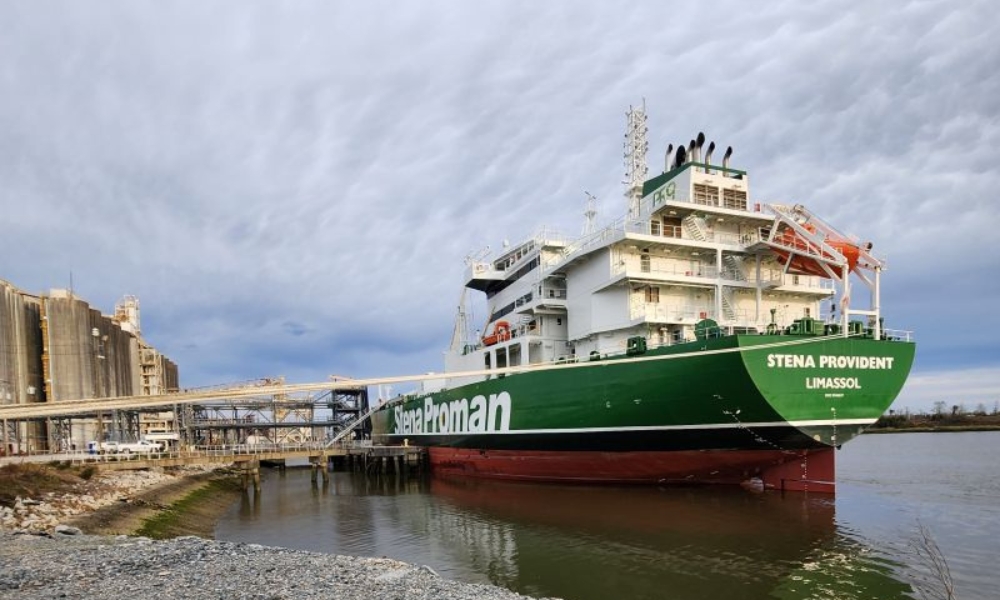

“Stena Provident” successfully loaded almost 1,000 mt of methanol at Colonial Terminals’ Lathrop 2 facility, in an historic first for the port on 29 February, says...
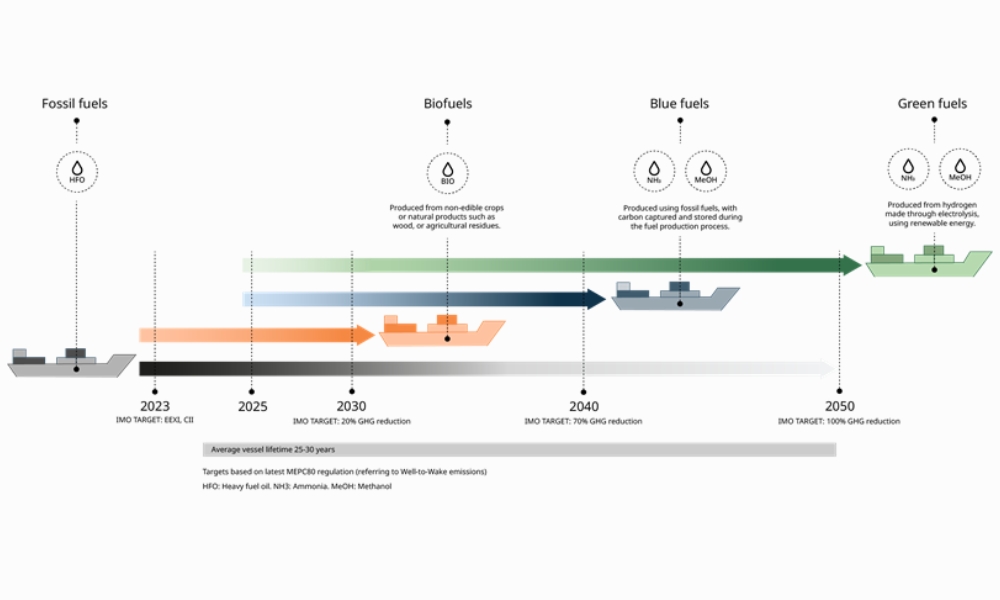

Sustainable shipping fuels could reach cost parity with conventional fuels as early as 2035 with the help of decisive emissions policy such as carbon taxes and...
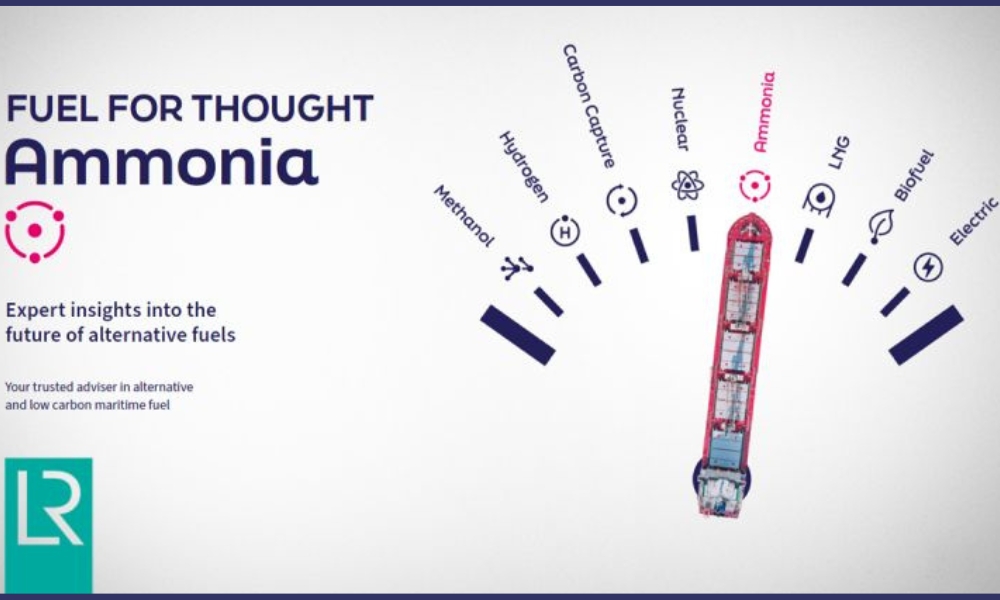

New Lloyd’s Register report highlights that the safe use of ammonia and its surrounding regulatory framework remains a critical factor for its adoption as a marine...

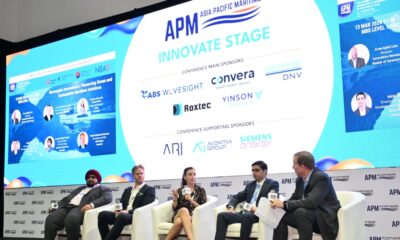

DNV believes it is possible to meet IMO GHG 2030 goal which requires shipping to secure 30–40% of estimated annual global supply of carbon-neutral bunker fuels,...
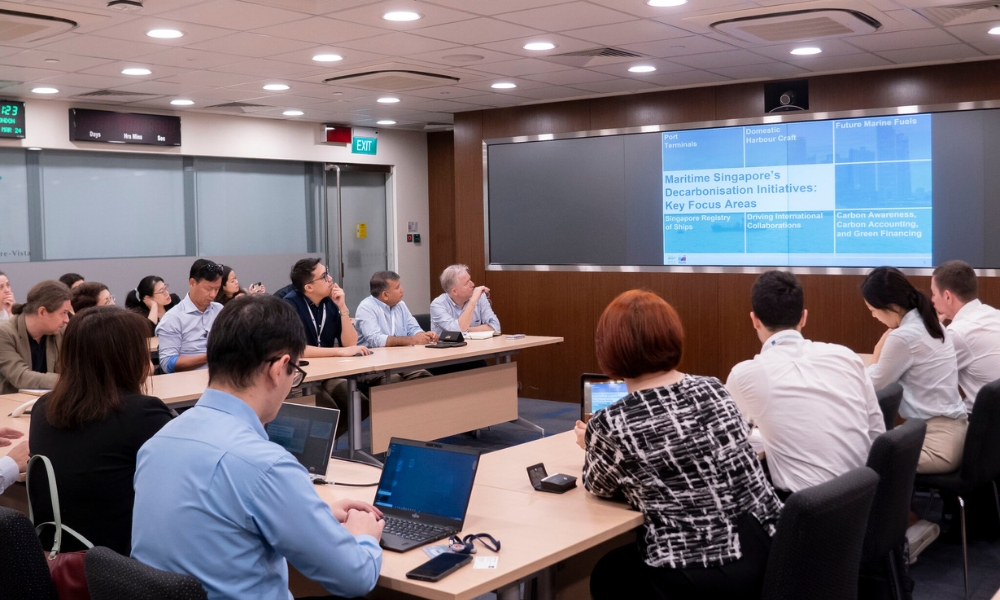

Topics covered include development of green and digital shipping corridors, net-zero fuel pathways for ports and shipping, and Singapore’s efforts to digitalise its vessel traffic management...
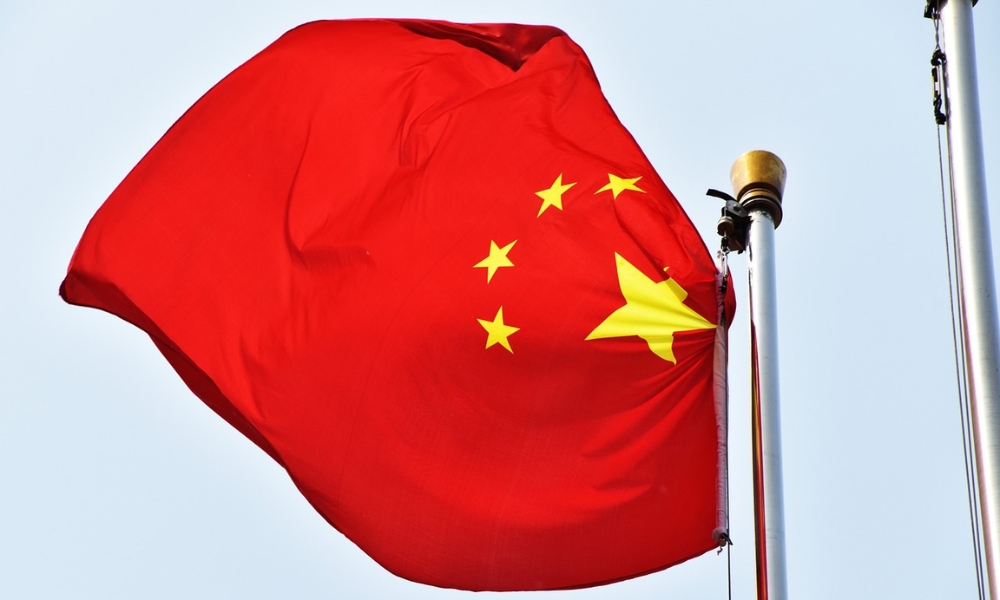

Firm signed a contract with Xiamen Financial Leasing and Nantong Xiangyu Shipbuilding & Offshore Engineering for the construction of eight 64,000DWT bulk carriers.
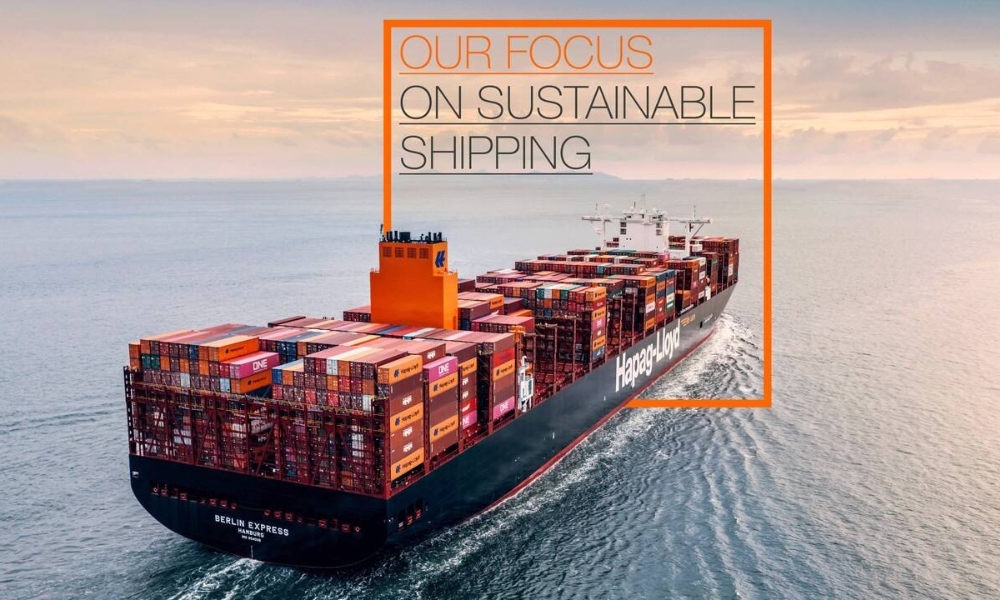

Firm consumed 120,500 mt of biofuel in the previous year and has planned a pilot bunkering programme with biomethane in Singapore this year, according to its...


