

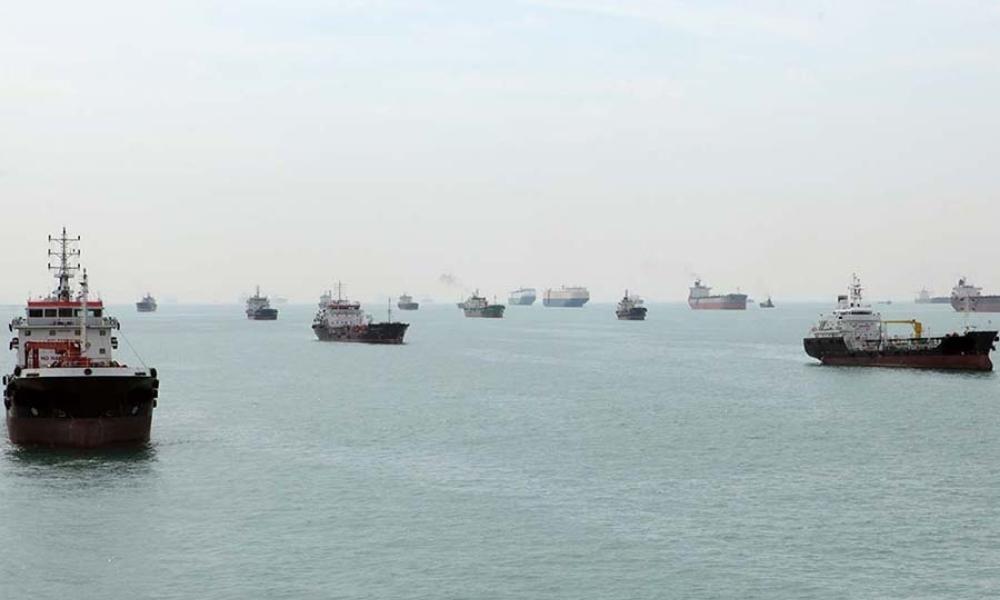

Four 6,500-dwt IMO type 2 tankers, due to be delivered in late 2024 to 2025, are being constructed by Merchants Jinling shipyard in China and will...

The week saw significant strides in methanol fuel technology and vessel operations, marking crucial steps in the maritime industry's transition to sustainable fuels.
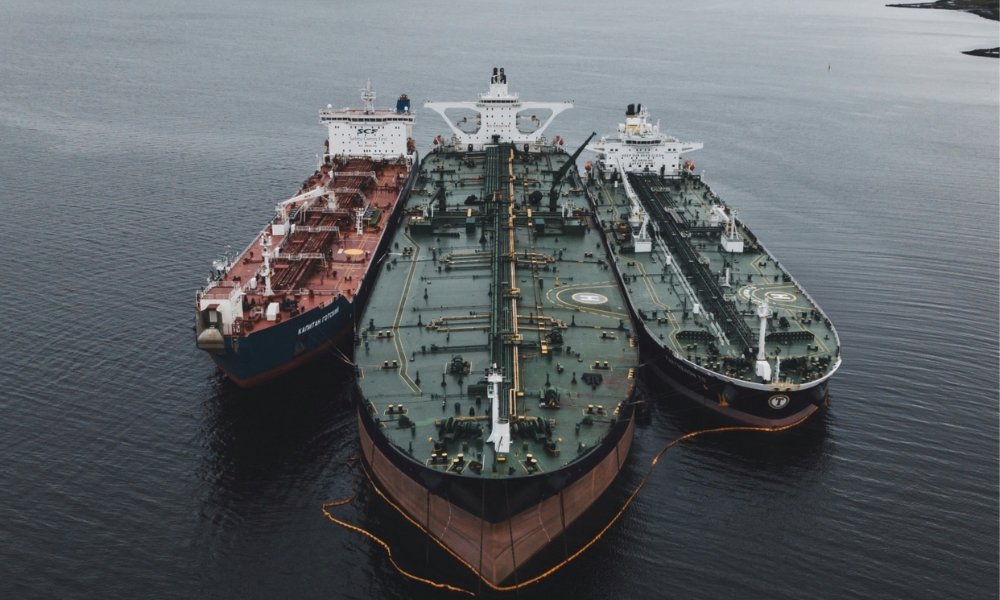

Converting tankers to green fuels can be technically and economically feasible when carefully considered in the context of fleet transition planning and asset age profiles, says...
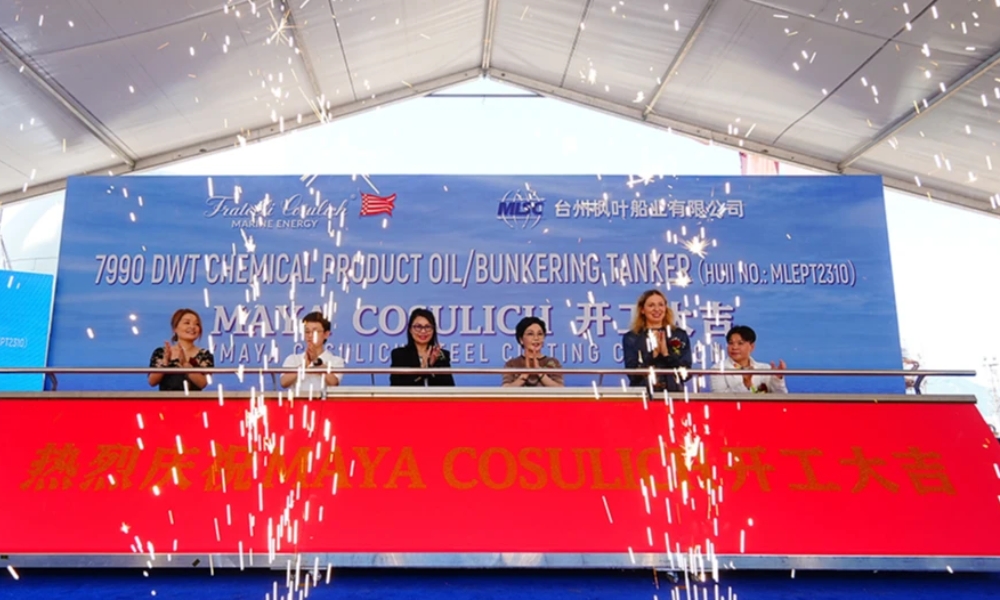

Ceremony was held at Taizhou Maple Leaf Shipbuilding for the 7,990 dwt IMO Type II chemical vessel that will operate in Singapore; vessel will be able...

Partners signed agreement for technical, economic, financial and regulatory feasibility study of a project to produce e-methanol from green hydrogen at this site within the port...
This week, advancements in methanol as a marine fuel included new additives reducing the need for pilot fuel, new eco-friendly tankers, and methanol-powered feeder ships in...
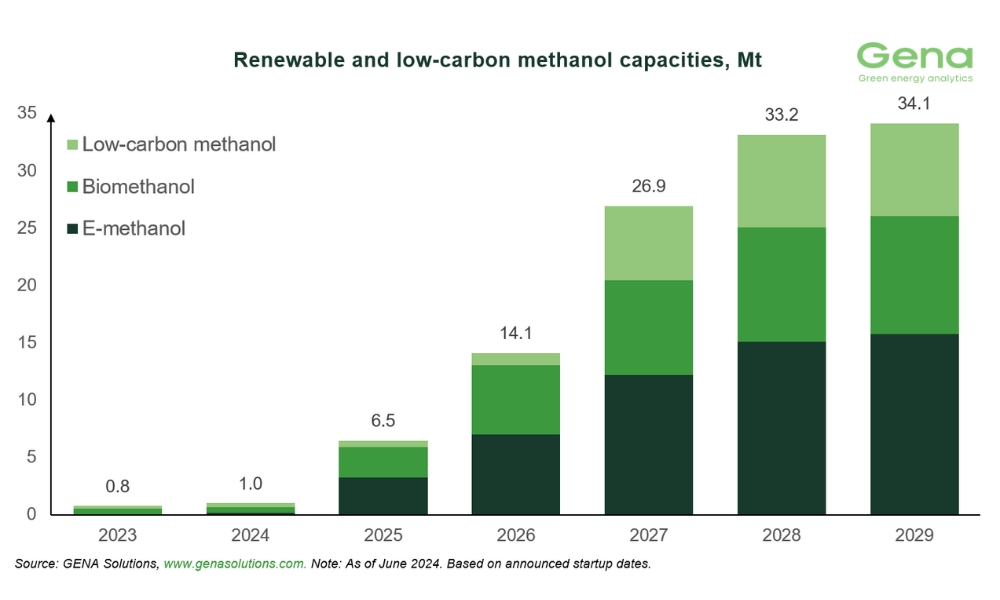

Information shared by the Methanol Institute meant to assist the maritime industry in the adoption of methanol as a mainstream marine fuel heading into IMO 2030/2050
This week, the maritime industry made pivotal advancements in methanol fuel technology and forged strategic partnerships, reinforcing the maritime industry’s shift towards sustainable fuel alternatives.


Paul Cooper and Joanna Hughes from Gane Energy talk about advantages of using liquid methanol fuels in internal combustion engines and how fuel additives can help...



Tuomas Häkkinen, Director Business Line Projects, discusses methanol marine fuel engines, decarbonisation-related market opportunities and how Auramarine’s solutions stand out from the competition.


